Choosing the Right Actuator: Torque vs Speed vs Cost Analysis
Selecting the optimal valve actuator requires careful evaluation of three fundamental performance dimensions that directly impact operational efficiency and total cost of ownership. Torque determines the force available to operate valves under varying pressure conditions, while speed affects response time and process control precision. Cost considerations encompass initial investment, energy consumption, and long-term maintenance requirements. Understanding these interconnected factors enables procurement professionals to make informed decisions that align actuator capabilities with specific application demands, ensuring reliable performance across oil and gas exploration, pipeline operations, and petrochemical processing environments.

Understanding Valve Actuators and Their Critical Performance Dimensions
Control systems for automatic valves are powered by valve actuators, which turn electrical, pneumatic, or hydraulic energy into mechanical motion that exactly places valves based on process needs. In many industrial settings, from wellhead operations to pipeline management systems, these devices are very important for keeping things safe and running smoothly.
Types of Valve Actuators and Their Applications
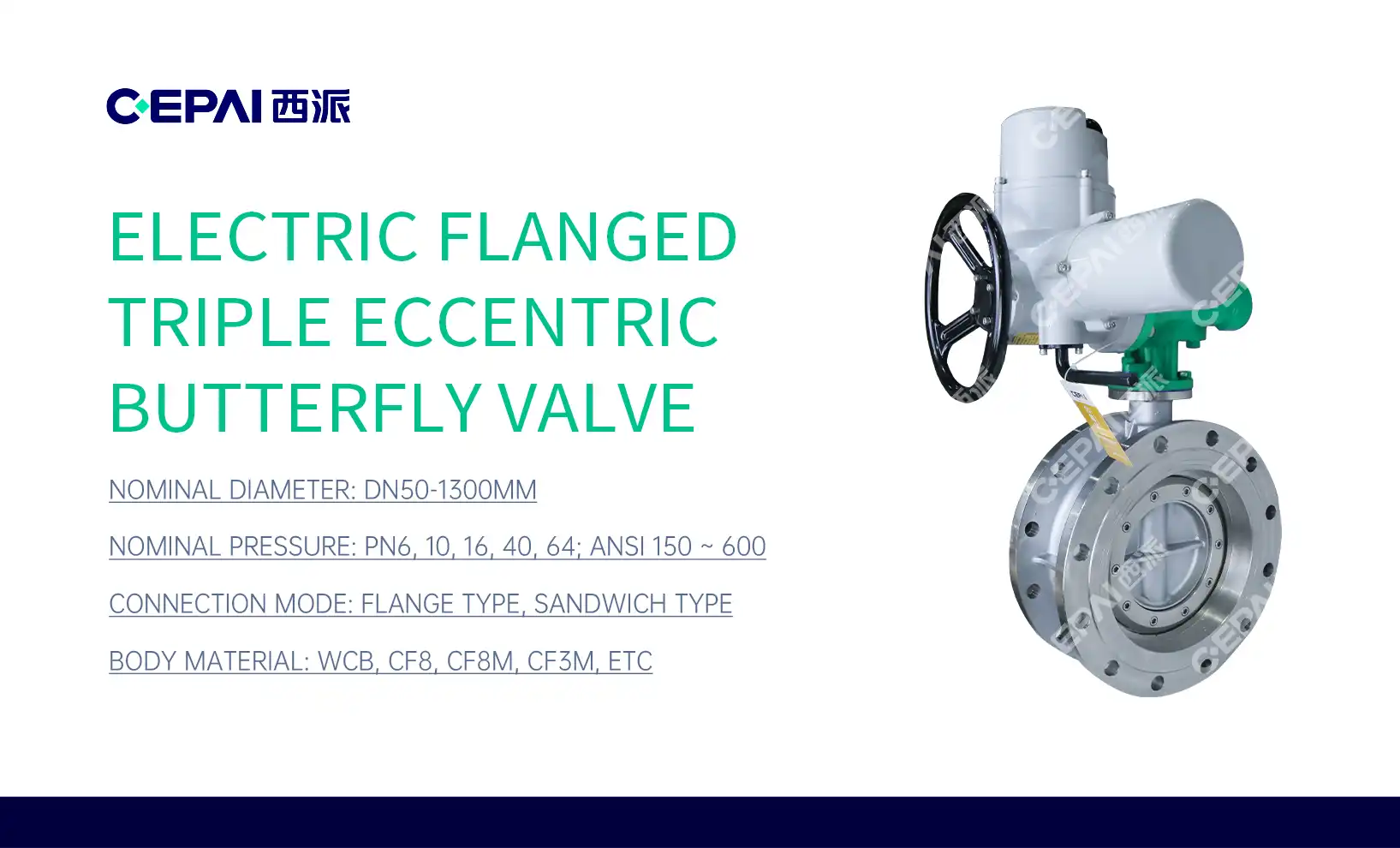
There are three main types of actuators used in industrial automation. Each has its own benefits for different types of operations. Electric actuators have systems that are powered by motors and allow for precise positioning control that is very repeatable. These units work great in situations where precise modulation is needed, and they can easily connect to digital control systems using advanced positioners and feedback devices.
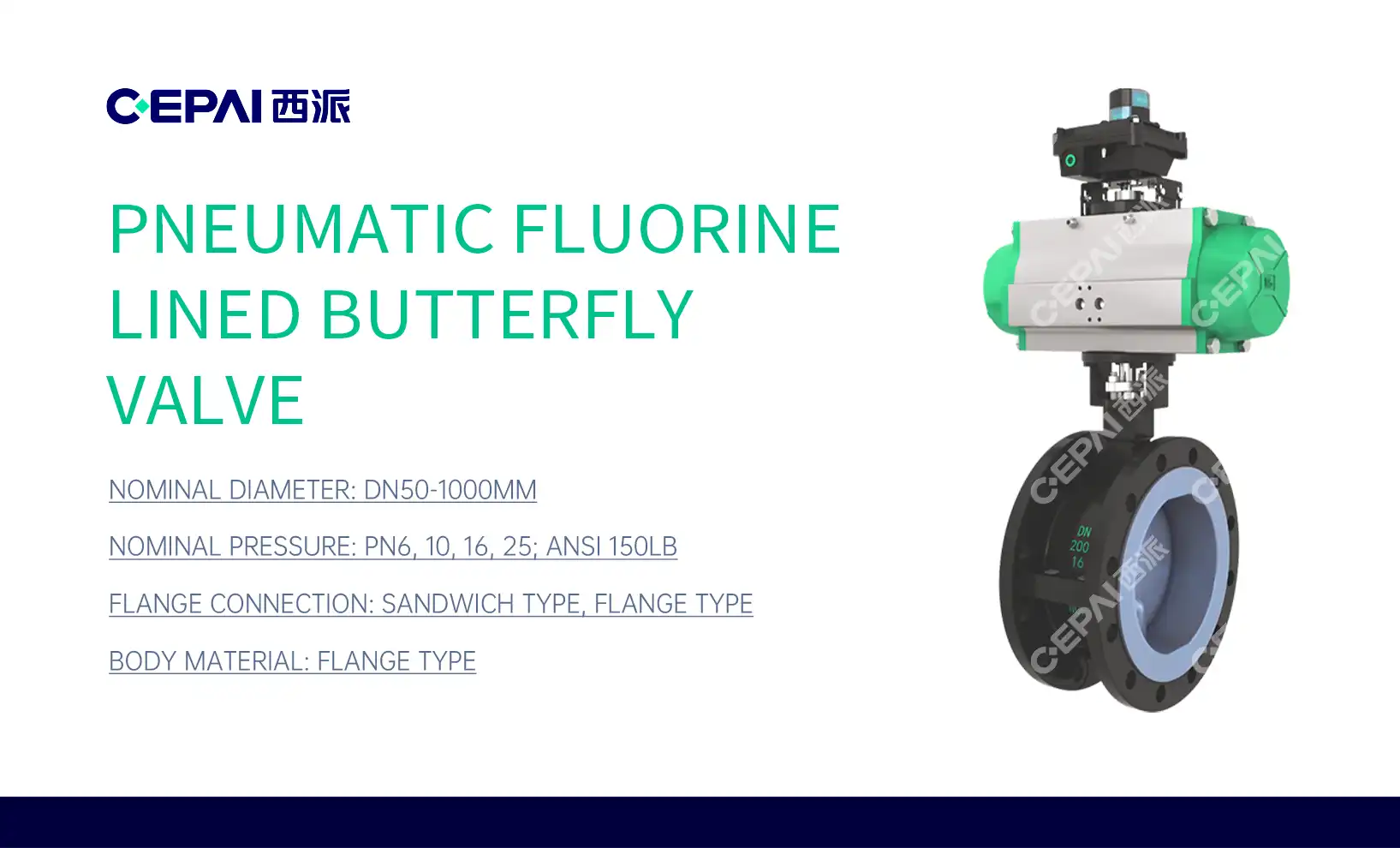
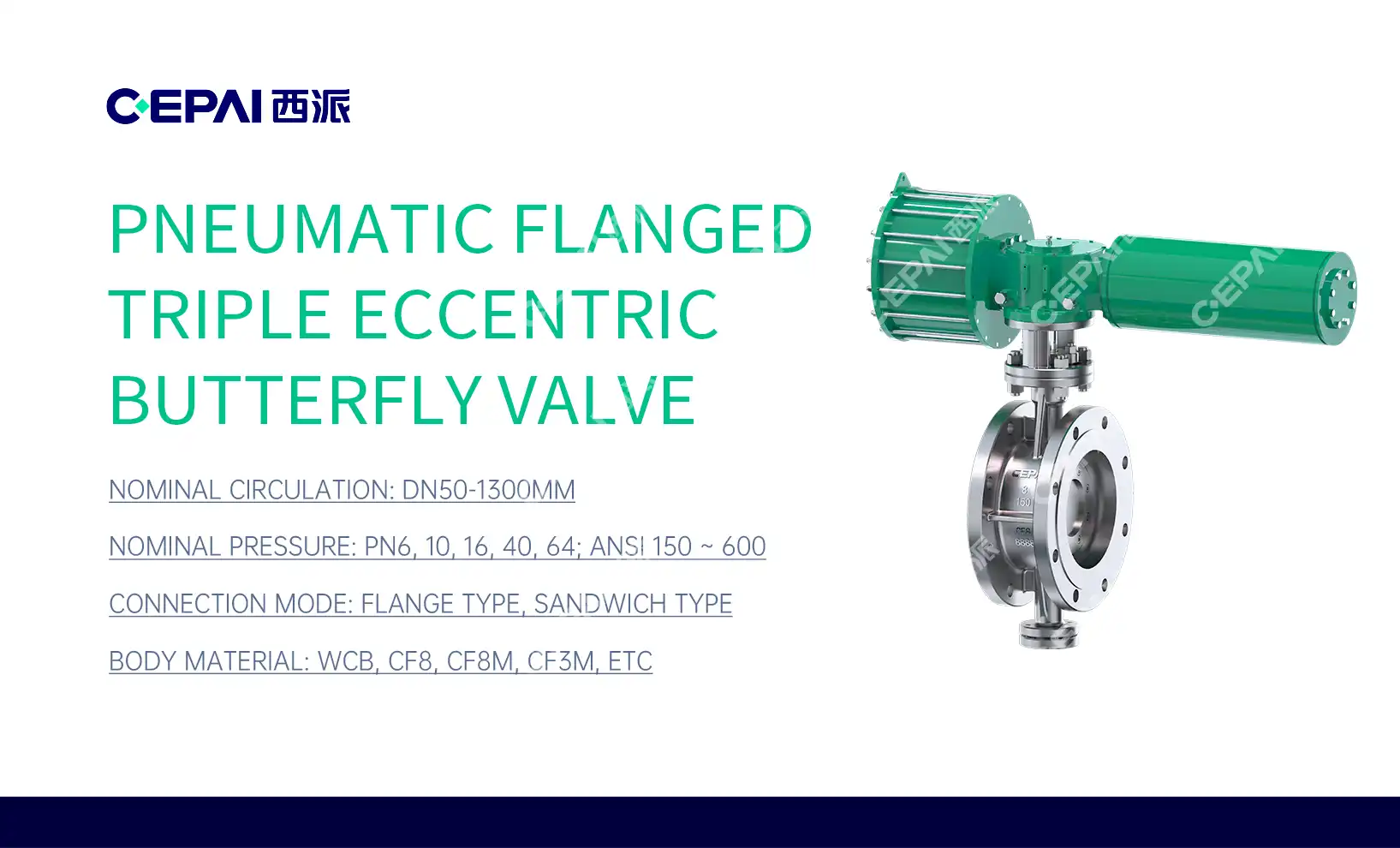
Compressed air is used by pneumatic actuators to move valves quickly. This makes them perfect for situations that need quick responses and fail-safe operation. Due to their inherent safety features and ability to work in hazardous settings, they are especially useful in oil and gas activities that need tools that can't explode.
Hydraulic actuators are the best choice for high-pressure uses and big valve assemblies because they can make a lot of torque while still being small. Because they are built to last and can create a lot of force, they are essential in tough upstream operations where wellhead equipment has to work in harsh circumstances.
Critical Performance Dimensions Explained
Depending on the standards in your area, torque is the spinning force that actuators put on valve stems. It is measured in foot-pounds or Newton-meters. This measure is directly related to how well an actuator can deal with valve packing friction, differential pressure forces, and mechanical resistance that it faces while it is working. The right torque size makes sure that the valves are in the right place and keeps equipment from breaking from too much torque.
How fast actuators can move valves from one place to another is based on their speed traits. For quarter-turn operations, speed is usually measured in seconds, and for linear motion, it is measured in inches per minute. Response speed is very important in safety-critical applications like blowout preventer systems and emergency isolation valves because it affects the security of process controls and the ability to shut down in an emergency.
Cost analysis for valve actuator looks at more than just the initial buy price when it comes to money. The total cost of ownership includes the cost of installation, the amount of energy used during operation, the cost of regular upkeep, and the cost of any downtime that may happen when equipment breaks down. Lifecycle cost evaluation is a big part of modern buying strategies because it helps find solutions that give the best long-term value.
Comparative Analysis of Valve Actuator Types Based on Torque, Speed, and Cost
Understanding how different actuator technologies work and what they mean for the economy lets you make smart choices that match the powers of your tools with the needs of your operations. Each type of actuator has its own pros and cons that must be carefully considered in the context of the needs of the application.
Electric Actuator Performance Profile
Electric actuators have very consistent torque across their entire working range. This makes their performance more reliable, which improves the accuracy of process control. Through gear reduction mechanisms, modern electric units can produce a lot of torque. Some types can give forces of over 50,000 foot-pounds, which is enough for big gate valves and pipeline uses.

Variable frequency drives and servo motor technology make it possible to precisely control how fast electric devices move. This controllability lets workers find the best valve movement patterns for each process, which lowers the effects of water hammer and keeps downstream equipment from wearing out too quickly. Depending on the power needed and safety concerns, response times can be anywhere from seconds for quarter-turn tasks to several minutes for multi-turn tasks.
Because they use little energy and don't need much upkeep, electric motors still have low operating costs. When compared to gas systems that are always running, electric units use less energy because they only use power when the valves move. Gear lubrication and electrical link checking are the main maintenance tasks. Under normal working conditions, service times usually last longer than 12 months.
Pneumatic Actuator Characteristics
When fast reaction times and high frequency operation are needed, pneumatic valves are the best choice. Because these units can turn a quarter of the way around in milliseconds, they are perfect for emergency stop systems and isolation valves that need to work quickly. Because they can make a lot of force with relatively simple systems, they have great torque-to-weight ratios that make installation and support structure needs easier.
Infrastructure for making compressed air and distributing it are cost factors for mechanical systems. Even though actuators may be cheaper at first than electric options, they can use a lot of energy over time because they need a constant source of air and could leak. But in critical safety uses, their low cost and proven dependability often make up for their higher running costs.
Pneumatic valves are useful in safety-critical situations because they can automatically stop working if something goes wrong. When the air supply goes out, spring-return designs move valves to safe places that have already been set. This provides security that might be hard to get with other actuator technologies. It is very helpful to have this quality in wellhead safety devices and emergency separation situations.
Hydraulic Actuator Advantages
When it comes to power density, hydraulic valve actuator are unmatched. They can make very high force outputs from very small packages. Because of this, they are required to operate big valves in places where there is a lot of negative pressure, like oil and gas production centers. Their ability to keep exact position control even when loads change makes sure that valves work the same way in all situations.
Flow control valves and accumulator systems let you change the speed of hydraulic systems. This lets them respond quickly when needed while keeping movement smooth and under control when they're not in use. Because of this, systems with a single actuator can meet a wide range of operating needs without affecting performance.
Operating costs show how complicated hydraulic systems are, since they need to be maintained, fluids need to be replaced, and hydraulic fluid leaks could cause problems for the environment. But because they are very strong and can work effectively in harsh conditions, they often have a better lifetime value in challenging situations like high-pressure pipeline installations and underwater wellhead systems.
How to Evaluate and Choose the Right Valve Actuator: A Decision Support Framework?
To choose the right actuator, you need to carefully look at its operational factors, the limitations of its surroundings, and the performance needs of each unique application. This organized method makes sure that the capabilities of the actuator match the needs of the process while also lowering the total cost of ownership.
Operational Parameter Assessment
To figure out how much torque is needed, you need to look at the shape of the valve, the difference in working pressure, and the safety factors that are right for the job. Manufacturers of valves usually give torque curves that show how much power is needed in different working conditions. This lets you get the right size actuator. To account for effects of age, changes in temperature, and unplanned process conditions, safety factors of 1.5 to 2.0 are often used.
The speed needed depends on how safe the process needs to be and how it needs to be controlled. In emergency separation situations, reaction times may need to be less than a second, while in process control valves, smooth, gradual movement may be preferred to keep the process running smoothly. Extreme temperatures, corrosive atmospheres, and explosion danger ratings are some of the environmental factors that affect the choice of actuator and the safety features that are needed.
Duty cycle research looks at how often and under what situations actuators work. When designing for continuous changing service vs. irregular on-off operation, different things need to be thought about. For high-frequency uses, actuators need to be made to last for a long time, while for backup emergency systems, stability is important after long periods of inactivity.
Decision Metrics and Evaluation Criteria
When you evaluate performance for valve actuator, you look at things like accuracy, predictability, and dependability under certain working conditions. Position feedback systems and advanced sensors make control more accurate and let you know early on when repair might be needed. For systems to work together with plant control systems, they need to use the same communication methods and interaction standards.
Durability tests look at the materials used to build the actuator, its sealing systems, and its safety grades based on the surroundings. Materials and coatings that don't rust or corrosion last longer in harsh environments like those found in petroleum processing and marine uses. Temperature rates need to take into account both normal working conditions and possible emergency situations.
To figure out if something is cost-effective, you have to look at all of its costs, including what it costs to buy, install, run, and fix over its expected service life. Total ownership costs are affected by how much energy is used, how easy it is to get replacement parts, and the framework for service support. Warranty coverage and technical help are two more value-added factors that may explain higher prices for important uses.
Partnering with Reputable Manufacturers
Well-known brands like Fisher, Siemens, and Emerson offer full expert support, thorough product testing, and track records of success in a wide range of industrial settings. Their engineering staff can help with tricky estimates for sizes, special setup needs, and problems with integration that might come up during the project's execution.
The quality and availability of technical materials have a big effect on how well installation and upkeep work. Full instructions, troubleshooting guides, and diagnostic methods help keep things running smoothly and lessen the need for repairs. Training programs and certification classes make sure that employees know how to operate and maintain tools.
Custom setup services make it possible to optimize for specific application needs while keeping standard component support. This method gives customized answers without lowering the quality of expert help or the supply of spare parts. Upgrades and changes can be made easily in the future with modular designs as process needs change.
Best Practices for Valve Actuator Maintenance to Maximize ROI
Maintenance plans that work keep actuators working well, cut down on unexpected breaks, and make equipment last longer. Active maintenance plans that are based on what the maker suggests and what you've learned from using the equipment are the best way to lower the total cost of ownership because they include planned maintenance and fewer emergency fixes.
Routine Maintenance Procedures
Protocols for regular inspections for valve actuator find possible problems before they affect operations or damage equipment. Visual checks look for leaks, rust, strange wear patterns, and that the fixing is solid. Schedules for lubrication make sure that gear mechanisms, bearings, and sealing systems are properly protected and that contamination doesn't happen, which could hurt performance.
Performance tracking keeps an eye on important factors like working torque, response time, and position accuracy to spot trends of gradual decline. Setting up baseline measures during commissioning gives you a way to look at the state of an actuator over time. Trending research helps find the best repair times and guess when parts will need to be replaced.
Electrical link upkeep makes sure that signals and power are sent and received reliably. Thermal image scans find problems with connections before they break, and insulation testing makes sure that the electricity is safe and that the parts are whole. Inspection of the cable route stops harm from vibration, chemical contact, or mechanical interference.
Diagnostic Capabilities and Problem Resolution
Smart positioners and monitoring systems of today give you a lot of information about how well something is working, which makes it easier to find problems and figure out what's wrong. Through vibration analysis and torque profiles, these systems keep an eye on valve signature patterns, look for unusually high or low friction levels, and find possible mechanical problems.
Some common performance problems are loss of torque due to dirt or wear, changes in speed due to issues with the air supply or mechanical binding, and position drift due to damage to the feedback system. Systematic testing methods help find the problems' root causes and decide whether they need to be fixed, adjusted, or replaced.
When choosing whether to repair or replace equipment, you should think about how old it is, how easy it is to get parts for it, how much work costs, and how much better performance you might get from upgrading it. Using economic analysis to compare the costs of repairs to the benefits of buying new equipment can help you get the most out of your maintenance budget and keep your equipment reliable.
Leveraging Manufacturer Support Services
Authorized service providers can help with specific problems and offer real replacement parts and guarantee security that other repair services might not be able to offer. Because they are familiar with certain actuator types and typical failure modes, they can troubleshoot and fix things more quickly.
Predictive maintenance programs use information from the maker and diagnostic tools to make the best maintenance plans based on the real state of the equipment, not just on random time intervals. These programs can make technology more reliable and available while cutting down on repair costs by a large amount.
Technical support services offer expert advice for difficult issues, changes that need to be made, and chances to improve performance. Remote diagnostics make it possible to quickly fix problems without having to send someone to the site. This cuts down on downtime and service costs while keeping the level of technical help high.
Conclusion
To choose the best valve actuator, you need to think about power, speed, and cost all at the same time, while also taking into account the needs of the application and any operating limitations. Electric motors offer exact control and low energy use, making them good for process control. On the other hand, pneumatic systems respond quickly and have built-in safety benefits that make them better for emergency service. For difficult high-pressure tasks, hydraulic actuators offer a high power efficiency. Comprehensive evaluation systems that look at working factors, weather conditions, and the total cost of ownership help people make smart choices about what to buy that maximize the value of the equipment and its dependability in the field. Working with well-known makers and using preventative maintenance plans can improve actuator performance even more while keeping costs low over their entire life.
FAQ
What factors determine the required torque for valve actuator sizing?
The torque needed for a valve depends on a number of important factors, such as the form of the valve, the difference in working pressure across the disc or ball, the packing friction forces, and the safety factors that are used to make sure the valve works reliably. Manufacturers of valves provide torque curves that show how much force is needed in different working situations. This lets you accurately figure out the size of an actuator.
How do electric and pneumatic actuators compare in terms of operating speed?
Electric controllers usually let you change the speed by using servo motors and frequency drives. Depending on the power needed, the response time can be anywhere from seconds to minutes. Pneumatic actuators are great for fast reaction tasks because they can do a quarter-turn in milliseconds. This makes them perfect for emergency shutdown systems that need to close valves right away.
What maintenance practices help maximize actuator service life?
Regular inspections, following the right cleaning procedures, and keeping an eye on performance all help keep actuators reliable and extend their useful life. Some important maintenance tasks are looking for leaks and corrosion, making sure gears are properly oiled, keeping an eye on working torque and response times, and making sure electrical connections stay tight and free of corrosion.
How do smart positioners enhance valve actuator performance?
Smart positioners offer accurate position control through digital feedback systems, advanced diagnostics for planned repair, and communication links for connecting to plant control systems. These gadgets have features like auto-calibration, valve signature analysis for finding mechanical issues, and online tracking that lowers the need for upkeep.
What environmental factors influence actuator selection decisions?
Extreme temperatures, corrosive air conditions, explosion risk ratings, and amounts of moisture exposure are some environmental factors that need to be thought about. These things decide the level of security needed, the choice of material, and any extra features, like explosion-proof enclosures or coatings that don't rust, that are needed for long-term reliability.
Partner with CEPAI for Superior Valve Actuator Solutions
The main thing that CEPAI does is make high-performance valve actuators that are used in oil and gas research, pipeline operations, and petrochemical processes. Our wide range of products includes electric, pneumatic, and hydraulic actuator systems that are designed to meet the strict needs of the industry while also providing outstanding dependability and performance. With API certifications like Q1, 6A, 6D, 16C, and 602, as well as ISO quality control standards, CEPAI actuators offer the tested performance and regulatory compliance needed for important industry uses. Our skilled engineers can help you choose the right size actuator, set it up the way you want it, and come up with solutions that work best for your needs while keeping the total cost of ownership as low as possible. Email our valve actuator supplier team at cepai@cepai.com to talk about your unique needs and find out how our modern actuator technology can help your business run more efficiently and safely.

References
American Petroleum Institute. "API Standard 6D: Pipeline Valves." Twenty-fourth Edition, Washington, DC: American Petroleum Institute, 2021.
Fisher Controls International. "Control Valve Handbook: Fourth Edition." Marshalltown, IA: Emerson Process Management, 2019.
International Society of Automation. "ISA-75.25.01-2000: Test Procedure for Control Valve Response Measurement from Step Inputs." Research Triangle Park, NC: ISA Publications, 2020.
Nesbitt, Brian. "Handbook of Valves and Actuators: Valves Manual International." Oxford: Elsevier Butterworth-Heinemann, 2018.
Skousen, Philip L. "Valve Handbook: Third Edition." New York: McGraw-Hill Professional, 2017.
Society of Petroleum Engineers. "Surface Production Operations: Volume 1 - Design of Oil Handling Systems and Facilities." Fourth Edition, Richardson, TX: SPE Publications, 2019.

Get professional pre-sales technical consultation and valve selection services, customized solution services.
About CEPAI