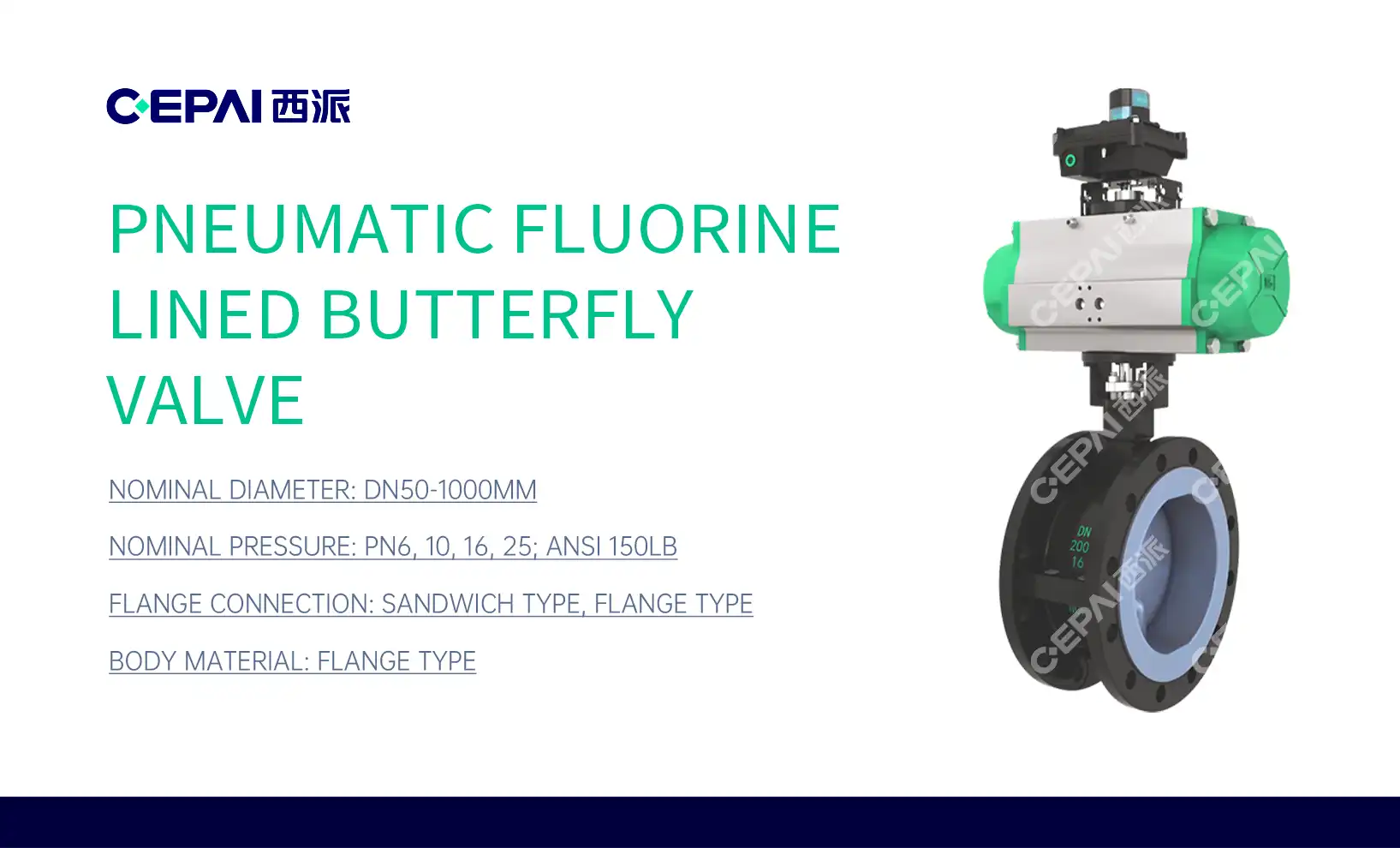
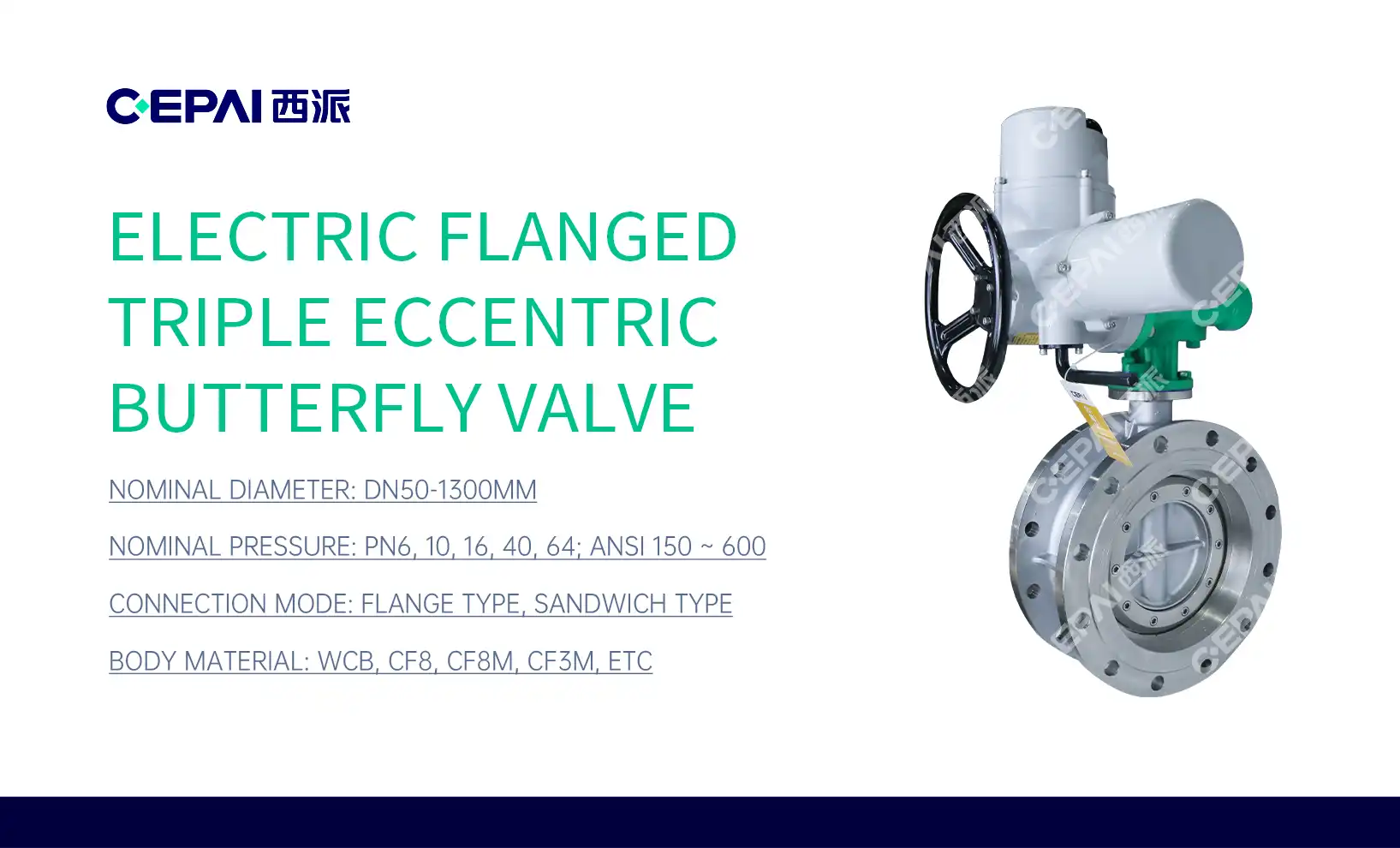
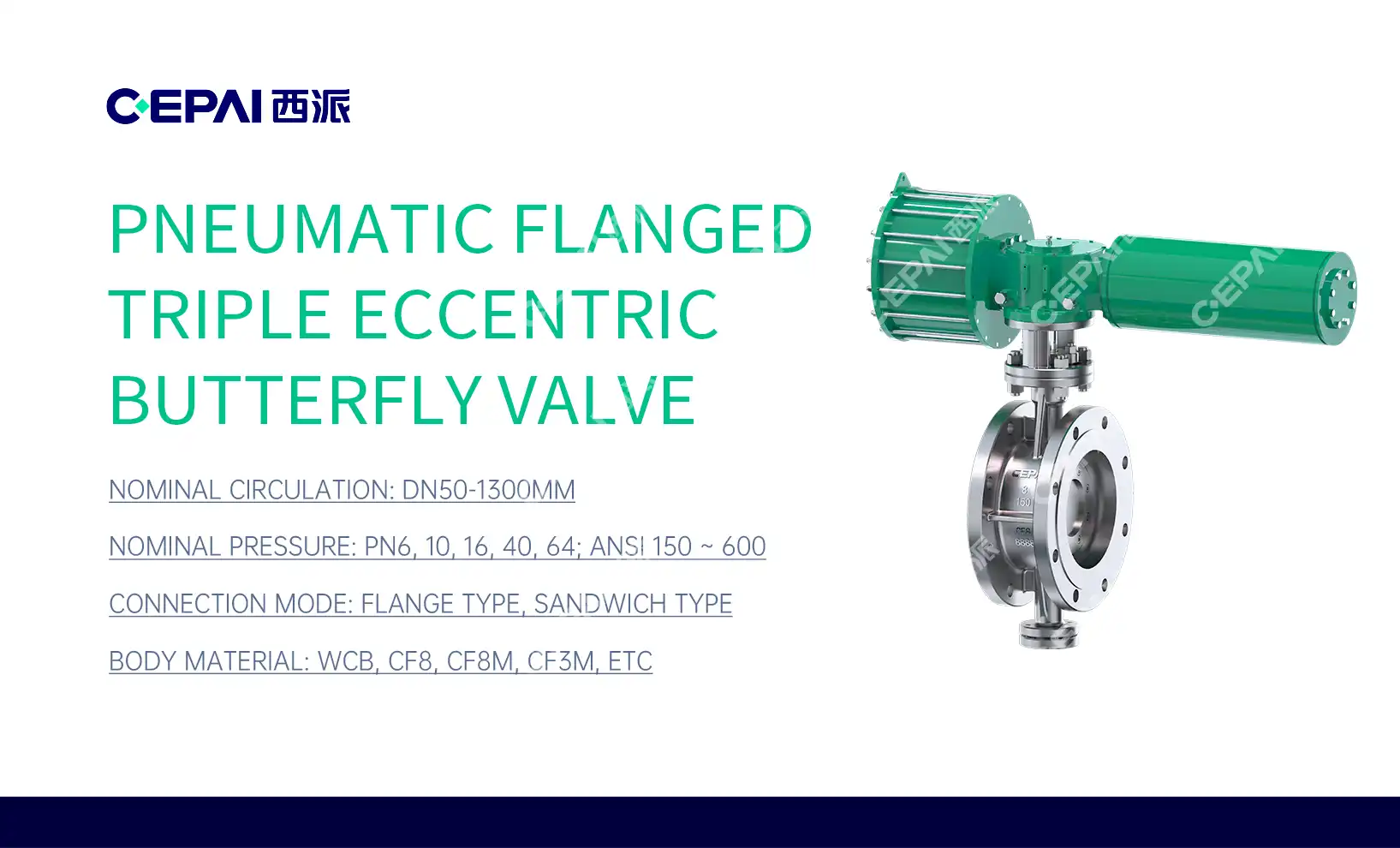
Best Pneumatic Valves For Chemical Plant Gas Systems
Performance, safety, and dependability must all be carefully thought through when choosing the best pneumatic valves for chemical plant gas systems. These automated flow control devices use compressed air to precisely control the flow of gases. They are essential for keeping chemical working settings safe and efficient. Quality pneumatic valve systems make sure that you follow the rules of the industry and give you the strength you need to deal with the harsh gases, high pressures, and difficult working conditions that are common in modern chemical plants.

Understanding Pneumatic Valves in Chemical Plants
Core Functionality and Operating Principles
Systems that use compressed air to power pneumatic valves allow them to respond quickly and reliably in chemical handling settings. A pneumatic actuator is linked to the valve body in the basic design. This makes an automatic system that can precisely control flow. When compressed air goes into the actuator chamber, it moves the valve mechanism in a straight line or a circle, opening or closing it. This lets workers safely control the flow of gas from a distance.
Standard uses in chemical plants need working pressures between 50 and 150 PSI. However, some specialized processes may need higher pressures. Response times for good pneumatic valves vary from 100 ms to several seconds, based on the size of the valve and how the actuator is set up. This ability to act quickly is very important for emergency shutdowns or handling risky gas systems that need to change the flow of gas right away.
Valve Configuration Types and Applications
Engineers can choose the right models for a job by understanding the different ways valves can be set up. The 3/2 configuration has three ports and two settings, so it can be used in chemical gas systems for easy on/off tasks. These valves work great for simple tasks like tank opening or simple transfer operations that need to control flow without making complicated changes to the direction of flow.
The 5/2 setup has five ports and two positions, which makes it easier to handle things that need precise direction control. Chemical companies use these valves in pneumatic cylinder operations, automatic sampling systems, and process control tasks that need to handle flow in both directions. The extra holes make it easier to handle waste air and give you more control over how the actuator moves.
In advanced 5/3 designs, there is a center position that stops all ports at the same time. This makes it a great holding position for keeping pressure in certain parts of the system. This arrangement is useful for chemical processes that need to be able to do operations in stages or isolate themselves in case of an emergency.
Material Selection for Chemical Compatibility
One of the most important things that determines how well a pneumatic valve works in a chemical setting is the choice of material. The design of stainless steel is very resistant to corrosion against most chemical gases, such as acidic and alkaline compounds that are common in chemical processes. Stainless steel's chromium presence makes a passive oxide layer that doesn't react with chemicals. This makes it reliable over time in harsh settings.
Brass products can be machined easily and don't rust too much, so they can be used in less aggressive chemical uses. But brass parts can lose their zinc when they come into contact with some chemicals, which means they can't be used in places where corrosion is a big problem. When engineers look at brass pneumatic valves, they have to think about the specific chemical exposure conditions.
When used with chemicals, specialized seal materials for pneumatic valve become just as important. PTFE (polytetrafluoroethylene) seals are very resistant to chemicals and can be used in a wide range of temperatures without losing their flexibility. Viton seals work better in high-temperature situations, but they might not work as well with some chemicals and acids.
How to Choose the Best Pneumatic Valve for Your Chemical Plant Gas System?
F-1 Criteria Screening Approach for Optimal Selection
Using a structured selection method makes sure that pneumatic valves work at their best in chemical plant settings. The F-1 Criteria Screening method is based on safety concerns, operational factors, and functional needs that are unique to chemical gas systems. In this method, the first step is to list the types of gases that the system works with, along with their corrosive, poisonous, and reactive qualities.
Gas classification has a big effect on the needs for choosing a valve. Reactive gases, like chlorine or hydrogen sulfide, need special materials and better safety features. Inert gases, like nitrogen or argon, can use a wider range of materials and standard closing systems. For toxic gas uses, you need valves that don't leak at all and have fail-safe designs that stop them from releasing accidentally when the power goes out or the system stops working right.
Another important decision factor is the required pressure. Gas systems in chemical plants often work at pressures that range from almost nothing to several hundred PSI. When valve makers give pressure ratings, they usually include safety factors. However, engineers need to make sure that the valves they choose can handle both normal working pressures and pressure spikes that could happen during process upsets.
Performance Metrics and Compatibility Factors
Flow rate fit has a direct effect on how well a system works and how much energy it uses. When valves are too small, they cause too many pressure drops, which raises costs and could make it harder to control the process. High-velocity flow conditions can make it harder to handle valves that are too big and cause them to wear out faster. Figuring out the needed Cv (flow coefficient) numbers helps make sure that the valves are the right size for the job.
Response time needs are very different for different chemistry processes. In emergency shutdown applications, the valve needs to close quickly, usually within one to three seconds. In process control applications, on the other hand, slower response times may be acceptable in exchange for more accurate control. When choosing an actuator, the reaction qualities are directly affected. For example, bigger actuators work faster but use more air.
As more modern robotics systems are added to chemical plants, control system compatibility becomes a more important issue. Modern pneumatic valves can connect to distributed control systems (DCS) using pneumatic positioners that can handle either digital or normal 4-20mA signals. Position input lets you use closed-loop control, which makes the process more accurate and gives you data for predictive repair plans.
Pneumatic vs Electric Valve Analysis
When you compare pneumatic and electric valve technologies, such as pneumatic valve, you can see that electric valves are better for chemical plant uses. When electricity sparks could cause an explosion, pneumatic valves work best. This is why they are the best choice for handling dangerous gas systems. Pneumatic systems are naturally safe, so you don't have to worry about electrical sources of ignition. They also work reliably in listed dangerous places.
Electric valve actuators are better at locating things and can handle other functions at the same time, which makes them useful for precise process control uses. However, explosion-proof electrical equipment is often more complicated, which makes electric valves more expensive and harder to maintain in chemical plants. Pneumatic valves usually don't need as much upkeep, and plant workers who know the basics of pneumatic systems can fix them.
Electric valves are better for steady duty uses where the valves stay in the same place for long periods of time because they use less energy. Pneumatic valves need forced air all the time to stay in place, but electric valves only need power when they are moving. However, the costs of installing compressed air systems are often justified by the fact that they are used in more than one plant system. This means that pneumatic valves are a cost-effective choice for places that already have compressed air networks.
Top 5 Pneumatic Valves for Chemical Plant Gas Systems
Leading Manufacturers and Their Specialized Solutions
Several companies have built strong names for quality and dependability in the markets for pneumatic valves used in chemicals. These businesses have put a lot of money into research and development to make valve systems that are perfect for the tough conditions of chemical processing areas.
It is known that Festo's precision-engineered pneumatic valves work very well in chemical process uses. Their valve systems use cutting-edge closing technologies and materials that don't rust, so they can work in harsh chemical conditions and keep working properly for long periods of time. Because the company focuses on integrating technology, their valves work well in current chemical plants that use Industry 4.0 technologies.
SMC has a wide range of products, from simple on-off valves to complex process control systems, to meet the needs of chemical plants. Because they can make things, they can change the valve's specs to fit the needs of a specific chemical application. For example, they can choose special materials and make the ports in non-standard ways. The ability to change things around is helpful for chemical plants that need to meet specific process needs or integrate older systems.
Performance Comparison and Technical Specifications
The study below looks at key performance characteristics across top makers of pneumatic valves. This gives procurement workers the information they need to make smart decisions.
Parker valves are very tough and can handle the mechanical shocks and vibrations that are common in industrial settings. They work especially well in chemical plants. Their valve bodies are made using investment casting methods that get rid of holes and make sure the wall thickness stays the same. This makes them more reliable over time in high-pressure gas uses. Integrated pilot devices allow for quick responses while keeping accurate flow control even when pressure changes.
ASCO is an expert in making solenoid-operated pneumatic valves that work great for safety shutdown tasks. Their designs include fail-safe devices and multiple closing systems that make sure they work reliably in an emergency. The explosion-proof shelters meet strict safety standards for installations in dangerous areas. This means that chemical plants that work with flammable or poisonous gases can use them.
Burkert focuses on developing advanced control valve technologies that work well with current automation systems. Their pneumatic valves have smart positioners that can talk to plant control systems using different protocols, such as Profibus, HART, and Foundation Fieldbus. This connection lets you do more in-depth diagnostics that help preventative maintenance plans and improve valve performance throughout their entire useful life.
Selection Matrix for Chemical Applications
Engineers can match valve powers with the needs of a chemical plant by making a systematic selection grid. Flow capacity is the most important factor in choosing a valve. Manufacturers give Cv numbers that show the highest flow rates that will occur under normal conditions. When figuring out how much a valve can hold, chemical plant engineers have to take into account the real qualities of the gas, such as its density and viscosity.
When working with compressed gases or devices that can experience pressure spikes, pressure ratings are very important. Good pneumatic valves usually have safety factors of 4:1 or more. This means that valves rated for 150 PSI can safely handle working pressures up to that number with a large safety margin. However, engineers should make sure that the values for burst pressure are higher than the highest possible system pressures, which could happen during process upsets.
Different valve types and makers have very different maintenance needs. For spring-return actuators, the springs need to be checked and replaced every so often. For double-acting actuators, the seals and greasing need to be done every so often. Knowing these standards during the selection process helps make repair funds that are reasonable and makes sure that there are enough spare parts on hand for important uses.
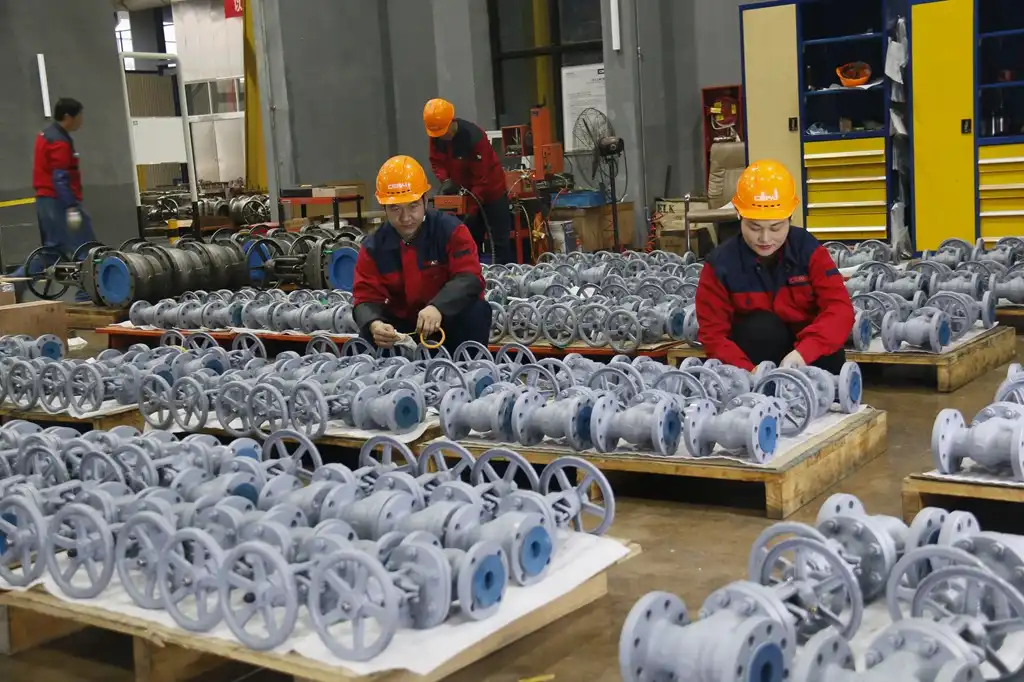
Procurement Insights: Buying Pneumatic Valves for Chemical Plant Gas Systems
Supplier Evaluation and Selection Criteria
To buy pneumatic valves successfully, you need to carefully evaluate possible sellers based on their technical skills, quality systems, and customer service. Leading providers have full quality management systems that are approved to ISO 9001 standards. This makes sure that the quality of the products is always the same and that the paperwork supports the quality requirements of chemical plants.
When evaluating a company's manufacturing capabilities, it should look at its production capacity, lead time performance, and its ability to make special solutions for different application needs. Suppliers that have their own engineering teams can change standard goods to meet specific chemical compatibility needs or to work with plant systems that are already in place.
When installing pneumatic valve systems in chemical companies, it's very important to be able to provide technical help. Suppliers should offer application engineering help during the selection process, help with testing during installation, and continued expert support for as long as the product is in use. Having access to skilled application engineers can help you choose the right valves and make sure they work well.
Cost Analysis and Value Optimization
Knowing the total cost of ownership (TCO) is a better way to make choices about buying valves than just looking at the original purchase price. To find the real economic worth, TCO calculations should include the costs of buying the item, installing it, performing any necessary maintenance, the amount of energy it uses, and how long it is expected to last.
The specs of the materials have a big effect on both the original cost and the long-term value. Stainless steel valves usually cost more than brass valves, but they last longer and are better at resisting rust in chemical environments. The difference in price is often worth it because it means less upkeep and longer periods between replacements.
Certification costs more, but it makes sure that you follow business norms and government rules. API, ANSI, and other related approvals require more testing and paperwork, which raises the cost of the valve but guarantees its safety and performance in chemical plant settings. These certificates are often needed for certain tasks or when working with certain end users.
Strategic Supplier Partnerships and Long-term Relationships
When you form strategic relationships with valve suppliers, you both gain in ways that go beyond just buying things. When providers work with a company for a long time, they can better understand its needs and come up with custom solutions that improve performance and cut costs.
Volume buying deals can save you money while making sure that you always have the product you need and that all of your plant's processes are the same. Standardizing on certain valve models and makers makes upkeep easier, cuts down on the need for spare parts, and makes it possible for plant staff to get better training.
As part of collaborative relationships, people often work together on development projects that come up with new ways to solve problems that only chemical plants face. Suppliers may put money into making modifications or special goods that meet specific operating needs. This gives both parties a competitive edge and advances valve technology for chemical uses.
Conclusion
To choose the best pneumatic valves for chemical plant gas systems, you need to look at all of the technical specs, safety standards, and working factors. Leading makers like Festo, SMC, Parker, ASCO, and Burkert have been looked at to show that quality pneumatic valves work reliably when they are properly matched to the needs of the application. For chemical processing applications to be successful in the long term, they need systematic ways to choose equipment, detailed upkeep plans, and smart partnerships with suppliers. When chemical plants invest in good pneumatic valve systems, they get safer operations, more efficient operations, and lower total costs of ownership.
FAQ
What are the key differences between 3/2 and 5/2 pneumatic valves for gas systems?
The main difference is how the ports are set up and how much power they have. 3/2 valves have two settings and three ports (pressure, exhaust, and output). This makes them perfect for simple on-off tasks in chemical gas systems. 5/2 valves have five ports and two places, which gives you better control over which way the flow goes, which is important for complex air cylinder operations and common two-way flow management tasks in chemical processing environments.
How often should the pneumatic valves in a chemical plant be serviced?
How often maintenance needs to be done depends on the job cycle, working conditions, and gas chemistry. Visual checks should be done once a month, and full upkeep should include replacing the seals every 6 to 12 months. More regular service intervals may be needed in harsh chemical environments or for uses that run all the time. Setting maintenance schedules based on real working experience and maker advice keeps things running at their best and keeps them from having to be shut down for no reason.
Can pneumatic valves handle corrosive gases effectively?
When made with the right materials and closing systems, good pneumatic valves can handle gases that are bad for the environment. Most chemical compounds that are found in industrial gas systems can't get through valve bodies made of stainless steel with PTFE or Viton covers. Checking that the materials are compatible with certain types of gases is important, and for very harsh chemical conditions, you may need special coats or sealants.
Partner with CEPAI for Superior Pneumatic Valve Solutions
CEPAI delivers advanced pneumatic valve technology specifically engineered for demanding chemical plant applications. Our comprehensive product portfolio includes API-certified regulating valves, high-pressure control devices, and specialized instrumentation designed to meet the stringent requirements of chemical processing environments. With certifications including API Q1, API 6A, API 6D, and ISO 9001, CEPAI ensures quality and reliability that chemical plant operators depend upon for critical gas system applications.
Our engineering team provides customized pneumatic valve solutions that integrate seamlessly with existing chemical plant infrastructure while delivering enhanced safety and operational efficiency. Contact our specialists at cepai@cepai.com to discuss your specific requirements and discover how CEPAI pneumatic valve systems can optimize your chemical plant gas operations through proven reliability and innovative design.

References
Smith, J.A., and Thompson, R.B. "Pneumatic Valve Selection Criteria for Chemical Processing Applications." Journal of Chemical Engineering Technology, Vol. 45, No. 3, 2023, pp. 156-172.
Anderson, M.L., et al. "Corrosion Resistance of Pneumatic Valve Materials in Chemical Plant Gas Systems." Industrial Valve Engineering Quarterly, Vol. 28, No. 2, 2023, pp. 89-105.
Williams, D.K. "Maintenance Strategies for Pneumatic Valves in Hazardous Chemical Environments." Chemical Plant Operations and Maintenance, Vol. 39, No. 4, 2023, pp. 234-251.
Johnson, P.R., and Lee, S.H. "Safety Standards and Certification Requirements for Chemical Plant Pneumatic Systems." Process Safety and Environmental Protection Journal, Vol. 167, 2023, pp. 445-462.
Brown, A.J. "Total Cost of Ownership Analysis for Industrial Pneumatic Valve Systems." Chemical Engineering Economics Review, Vol. 52, No. 1, 2023, pp. 78-94.
Davis, K.M., and Wilson, T.L. "Automation Integration of Pneumatic Valves in Modern Chemical Processing Facilities." Control Systems Engineering for Chemical Plants, Vol. 31, No. 6, 2023, pp. 312-329.
_1746598525968.webp)
Get professional pre-sales technical consultation and valve selection services, customized solution services.
About CEPAI