Metal vs Soft Seated Butterfly Valves: Solving Leakage Issues
The decision between a metal seated butterfly valve and a soft seated alternative when handling important flow control issues in oil and gas operations has a direct impact on the system's dependability and operating safety. Butterfly valves with metal seats work better in harsh conditions because they have strong metal-to-metal contact, while soft-seated versions work better in normal conditions because they can close better. Knowing these basic differences helps you make smart purchasing choices that lower the risk of leaks and improve long-term operating efficiency in drilling, pipeline, and processing uses.
Understanding Butterfly Valve Seating: Metal vs Soft Seated
Butterfly valves can lock with either metal or soft seats, depending on the needs of the industry. The closing device is what makes the valve work, and it determines how reliably it works in different situations.
Metal Seated Design Characteristics
Metal-seated butterfly valves have strong metal-to-metal contact. They usually have seats made of stainless steel or a special material that is valued for being very durable and resistant to high temperatures and rough media. The metal-to-metal sealing interface makes a lasting barrier that can handle changes in temperature, pressure, and harsh chemical conditions. These valves have precisely machined sides that make sure the disc and seat always make touch with each other. This way, the valves stay intact even when they're exposed to particles or fluids that wear them down.
Most of the time, hardened stainless steel or cobalt-based metals that don't rust or wear down are used in the building. Modern manufacturing methods create surface finishes that look like mirrors. These finishes make seals more effective while keeping the structure's integrity under high-stress situations.
Soft Seated Configuration Benefits
Soft-seated valves use elastomers, PTFE, or other polymers to make a flexible, tight seal that works well in low-temperature and low-pressure situations with fluids that aren't too rough. The plastic materials mold to the surface's bumps and crevices, making bubble-tight seals that stop even small leaks in situations where zero emissions are needed.
When you understand how sealing works at its most basic level, you can see that metal chairs work best in harsh situations and soft seats work best in softer ones. This basic information helps with choosing the right valves and stopping leaks, which are important for keeping operations running smoothly and following the rules.
Leakage Challenges in Butterfly Valves and Root Causes
Leakage in butterfly valves, including metal seated butterfly valve, can be caused by a number of different material and operation issues that have a big effect on the safety and performance of the system. Knowing how these things fail lets you plan preventative repair and choose the right valves.
Soft Seated Valve Degradation Patterns
Many times, high temperatures, harsh chemical contact, or mechanical wear patterns cause the rubber in soft-seated valves to break down. This can cause the seal to bend and fail. When temperatures go above or below the limits of the material, the polymer hardens, cracks, and changes in size, which makes closing surfaces less reliable. Problems with chemical compatibility cause closing elements to grow, dissolve, or become less strong.
Mechanical wear happens when something is cycled over and over, when sharp particles touch it, or when the wrong amount of force is applied during operation. All of these things work together to make leak paths that get worse over time, needing to be fixed and replaced more often.
Metal Seated Failure Mechanisms
Metal-seated valves have specific problems, such as wear on the seat and disc, damage from being out of line, and bad fitting methods that weaken the seal. Damage from galling, cutting, and heat distortion can last for a long time and needs to be fixed with special tools or by replacing the part.
Comparing different leaking situations shows that metal-seated valves stay tighter under high pressure and harmful conditions, but they need to be handled and installed carefully. Case studies from upstream drilling operations show that metal-seated designs work well in high-pressure wellhead situations where soft-seated alternatives break down after only a few months.
Industry Performance Data
According to field studies, metal seated butterfly valves can shut off in a Class VI way even after a long time of use in rough environments, and they can keep their structure intact even when the pressure goes above what was designed. In important flow control applications, this performance edge means lower upkeep costs and higher operating safety.
Choosing the Right Butterfly Valve: Metal vs Soft Seated Based on Application Needs
When deciding between metal and soft seated butterfly valves, you need to carefully consider their working conditions, such as their pressure limits, temperature ranges, and how harmful the fluid is. Long-term running costs, upkeep needs, and system reliability will all be affected by the choice.
High-Performance Application Requirements
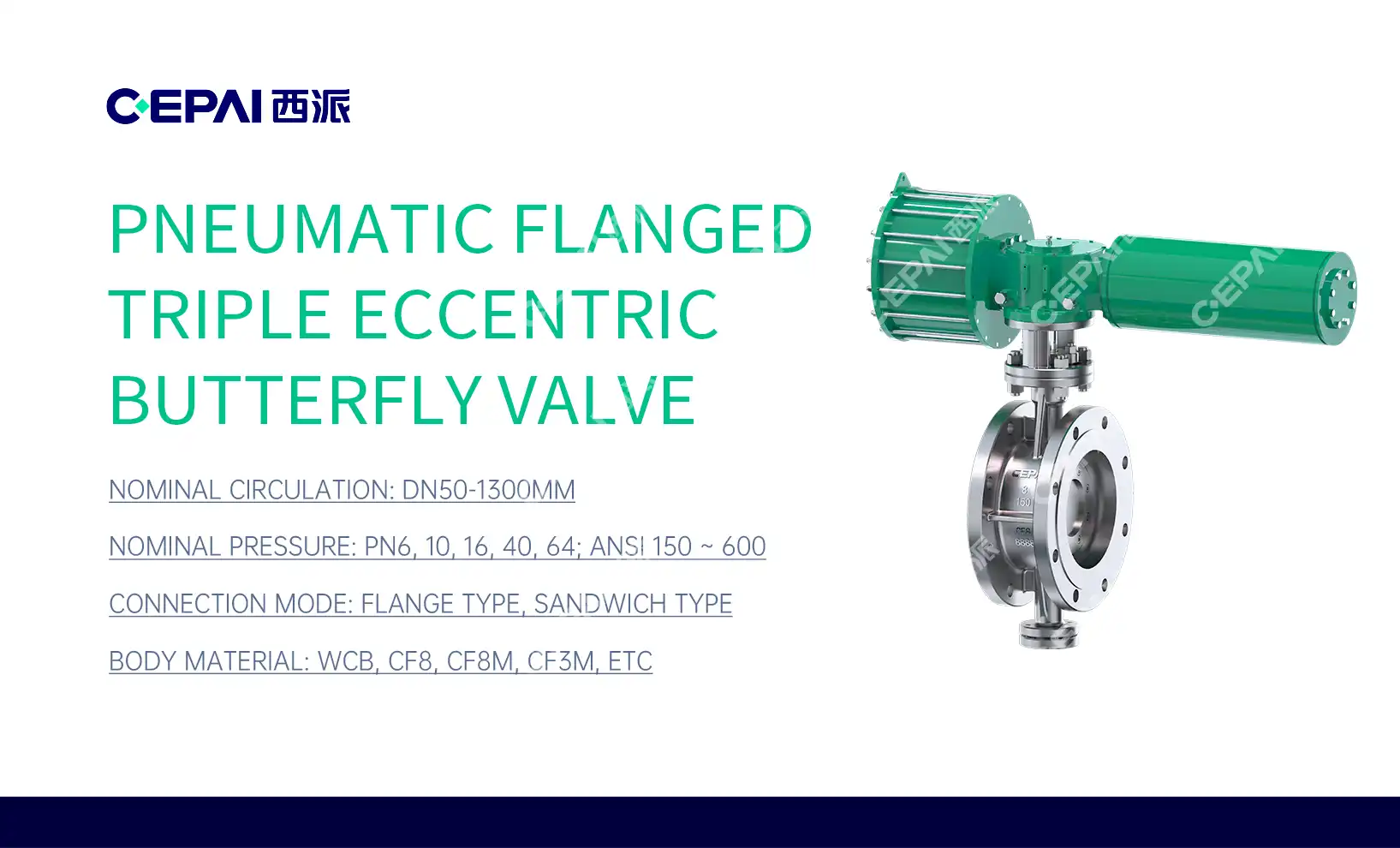
In industrial settings that need long-lasting parts that can handle harsh chemicals and sharp or high-pressure fluids, metal seated butterfly valve are the best choice. In these situations, leak-tight performance in harsh conditions is a must, such as in wellhead control systems, high-pressure pipeline separation, and chemical processing.
Metal-seated designs can handle higher temperatures better, so they can work reliably in places where polymer seals would break quickly, like steam systems, hot oil uses, and thermal cycles. They can handle higher pressures than soft-seated options, which makes them good for high-pressure drilling and industrial work.
Economic Considerations and Application Suitability
When used in low-pressure situations with water, air, or slightly corrosive substances, soft-seated valves are both cost-effective and very good at closing. They are good for general service uses where the working conditions don't go beyond the limits of the polymer material because they are cheaper to buy and easier to keep up.
The starting cost and expected performance should be balanced when making a purchase choice. This can be done by looking at the total cost of ownership and the costs of maintenance over the product's life. Even though they cost more at first, metal-seated designs usually have lower overall ownership costs in demanding uses because they last longer and need less maintenance.
Maintenance and Longevity: Ensuring Leak-Free Operation
For butterfly valves to last longer and avoid expensive leaks, it's important to keep up with their upkeep. Different types of seats need different care methods that take into account how they break down and how they wear out.
Metal Seated Maintenance Protocols
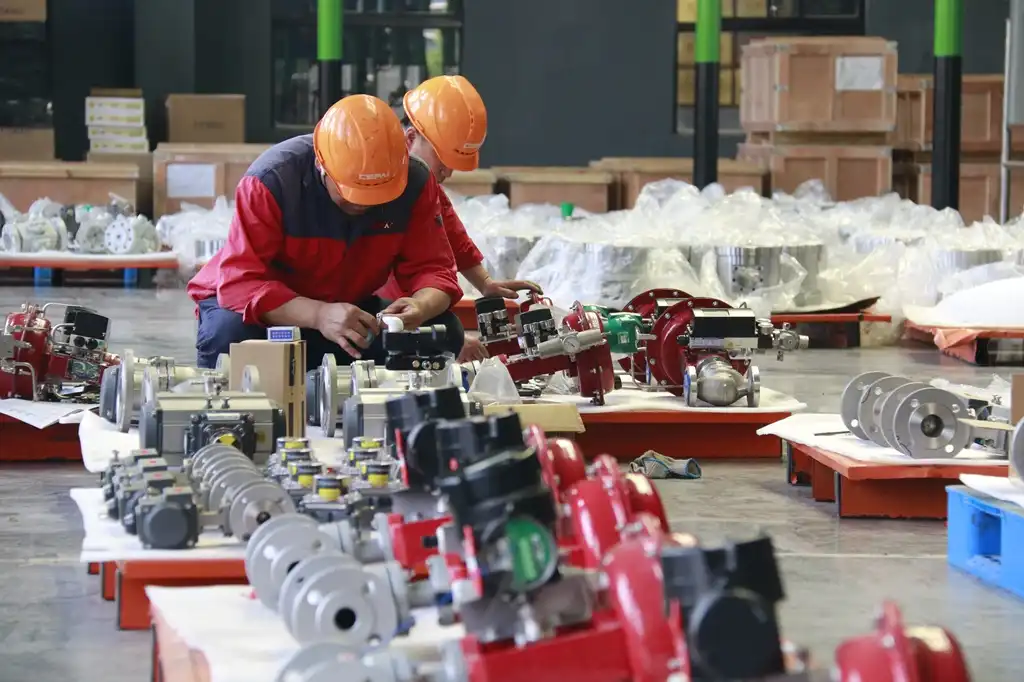
For metal-seated valves to keep working at their best, they need to be inspected regularly to look for wear patterns, evaluate the state of the seat, and repair any damaged parts as soon as possible. Visual checking methods find early signs of galling, cutting, or misalignment before they become major problems.
As part of preventive maintenance, leaks are checked for, torque is checked, and the state of the surface is assessed using special assessment tools. Modern testing methods, like sound emission tracking, can find problems before they get bad enough to be seen.
Soft Seated Care Requirements
When you have soft-seated valves, you need to keep a close eye on signs of material degradation and seal deformation patterns and act quickly to stop leaks from happening. When to replace something depends on how long it was exposed to chemicals, what temperatures it was exposed to, and how often it was cycled.
Following best practices for installation and operation of metal seated butterfly valve, along with regular maintenance schedules, reduces the number of surprise breakdowns. Documented repair schedules and proactive care strategies make valves more reliable, cut down on unplanned downtime, and make sure that industrial flow control systems get the most out of their investments.
Procurement Insights: How to Source Reliable Metal Seated Butterfly Valves?
To find reliable metal seated butterfly valves, you need to choose makers with a history of doing good work, thorough certification programs, and strong quality control systems. As part of the procurement process, professional skills and industrial excellence must be carefully evaluated.
Supplier Qualification Criteria
Business-to-business buyers should judge possible sellers by how well they follow international standards like API, ISO, and badges that show they know how to make things. Delivering high-performance valves to big oil and gas companies in the past shows that the company is capable and reliable in the real world.
Audits of manufacturing facilities show what equipment is used for output, how quality is controlled, and what kind of technical help is available for big projects. When you look over the documentation, you should include material certifications, testing methods, and performance validation data that backs up the product specs.
Strategic Sourcing Considerations
For important uses, the ability to customize, clear pricing structures, and good lead times all play a big role in choosing a provider. In tough environments, the success of a project often depends on engineering help, expert advice, and changes to the design that are made to fit the needs of the application.
Making sure that technical paperwork is correct, getting full product certifications, and doing thorough supplier checks or sample testing programs are all ways to make sure that products are compliant and work properly. Strategic buying methods make it easier to buy things, lower the risks in the supply chain, and make sure that they meet operating needs for long-lasting valve solutions that meet strict performance standards.
Conclusion
In oil and gas uses, the choice between metal and soft-seated butterfly valves has a big effect on how reliably they work, how much they cost to maintain, and how safe they are. Metal-seated designs work better in harsh conditions because they are stronger and use materials that don't rust. This makes them perfect for service settings with a lot of pressure, heat, and wear and tear. Soft-seated alternatives are cheaper in mild uses, but metal seated butterfly valves are more valuable in the long run because they last longer and require less upkeep. Knowing the specific needs, ways things can go wrong, and rules for upkeep makes it possible to make smart buying choices that improve system performance and lower the overall cost of ownership in a wide range of workplace settings.
FAQ
Can metal seated butterfly valves handle corrosive fluids effectively?
Because they are made of a corrosion-resistant material and come with different coating choices, metal-seated butterfly valves work great with fluids that corrode. Seat materials made of stainless steel, Hastelloy, and Inconel are very resistant to harsh chemicals, acidic conditions, and corrosive gases that are common in oil and gas activities.
What temperature limits apply to metal vs soft seated designs?
Butterfly valves with a metal seat can usually work successfully at temperatures above 1000°F, but soft-seated valves can only work at temperatures up to 400°F, based on the type of elastomer used. Because they can handle higher temperatures better, metal seats are better for use in steam, hot oil, and high-temperature process areas where polymer seals would break down quickly.
How does service life compare between metal and soft seated valves?
Designs that are seated in metal are more durable in tough working conditions and can often last more than 20 years in the right situations. Strong construction and materials that don't wear down mean that they need less upkeep, cost less to replace, and work more reliably than soft-seated options in harsh settings.
Partner with CEPAI for Superior Metal Seated Butterfly Valve Solutions
With full API certifications and a track record of success in difficult oil and gas uses, CEPAI provides industry-leading metal seated butterfly valve technology. Our engineering team specializes in making unique valve solutions that solve problems like high-pressure drilling, handling toxic fluids, and working in places with very high or low temperatures. With ISO9001 quality certification and many OEM relationships, CEPAI guarantees on-time delivery of products and expert help throughout the lifecycle of a project. Contact our experts at cepai@cepai.com to talk about your metal seated butterfly valve maker needs and find out how our tried-and-true solutions can improve operating efficiency while lowering the total cost of ownership.

References
American Petroleum Institute. "API Standard 609: Butterfly Valves: Double-Flanged, Lug- and Wafer-Type." API Publishing Services, 2019.
Valve Manufacturers Association. "Butterfly Valve Seating Technology: Performance Comparison Study." VMA Technical Report Series, 2021.
International Organization for Standardization. "ISO 5752: Metal Valves for Use in Flanged Pipe Systems - Face-to-Face and Centre-to-Face Dimensions." ISO Publications, 2020.
Nesbitt, Brian. "Handbook of Valves and Actuators: Valves Manual International." Elsevier Science & Technology, 2022.
Pipeline Research Council International. "Valve Performance in High-Pressure Pipeline Applications: Comparative Analysis." PRCI Report No. 2021-07, 2021.
Society of Petroleum Engineers. "Flow Control Equipment Selection for Upstream Operations: Technical Guidelines." SPE International Conference Proceedings, 2022.
_1746598531170.webp)
Get professional pre-sales technical consultation and valve selection services, customized solution services.
About CEPAI