Where to get the best butterfly valves for large power plant heat towers? Check the used parts' fit with the moving parts. Consider their trustworthiness. Best butterfly valves are strong and control flow well. Seals must be tight on these valves regardless of temperature. Now made of stainless steel and EPDM rubber, discs and seats last longer. It works best when valves are the right size and cooling water flows easily.

Why Do Cooling Towers Need Butterfly Valves?
Cooling towers in power plants require butterfly valves. They can work in lots of water and keep going when the level changes. With the right valve, you can see how much power is used, how much it costs, and how reliable the plant is.
When installing a butterfly valve properly, you can fine-tune flow. Valve flow must be sufficient to prevent breakage or pressure drop. These valves will separate the systems during repair. Butterfly valves are best for big pipes when weight and space matter. Why? They work that way.
Criteria for Choosing the Best Performers
When I evaluate something, I look at a few key performance indicators that have a direct effect on how the cooling tower works. Pressure ratings must meet the needs of the system while leaving enough room for error. When choosing materials, both the chemistry of the cooling water and the conditions of the environment are taken into account.
The ability to automate butterfly valves makes operations more flexible and quick. When the power goes out or the control system fails, manual override features make sure that the machine keeps running. Long-term operational costs and system availability are affected by how easy it is to do maintenance. Sealing performance stops water loss and keeps the pressure in the system stable.
The accuracy of flow control affects how well cooling works and how much energy is used. The torque needs of a butterfly valve affect the size and power use of an actuator. Installation flexibility lets you work with different pipe configurations and limited space. Regulatory compliance makes sure that safety rules and industry standards are followed.
Top 5 Ways to Fix Butterfly Valves
Wafer-Type Butterfly Valve for High Performance
Due to its small size and great flow characteristics, this design works especially well in cooling towers. The wafer-type configuration takes up less space during installation while still allowing full flow. The discs are made of stainless steel, which makes them more resistant to corrosion from cooling tower chemicals.
Some important benefits are:
- Little drop in pressure across the valve body
- Simple to set up between standard flanges
- Compared to lugged designs, lighter
- a cheap way to handle applications with a large diameter
- Compatible with different types of butterfly valve actuators
The flexible seat design makes sure that the valve closes bubble-tightly while also allowing for thermal expansion. EPDM sealing materials don't react with chlorine or other chemicals used in cooling towers. The simplified diagram of the butterfly valve shows the best flow patterns that cause the least amount of turbulence. Maintenance tasks are made easier by designs with removable seats that let you replace them in the field without taking the valve completely off.
Butterfly Valve with Two Offsets and Metal Seats
This double-offset design uses advanced engineering to work better in high-temperature cooling situations. The metal-to-metal sealing gets rid of worries about elastomer degradation while keeping the operation safe from fire. Seat wear is lessened during operation when discs are placed at an angle.
Some performance benefits are:
- Longer service life in tough environments
- operation that is fire-safe without extra sealing
- Less torque needed for operation
- Excellent features for throttling
- A wide range of temperatures can be handled
The butterfly valve stem is made so that it can't blow out, which makes it safer. When there is a lot of differential pressure, anti-cavitation trim options keep damage from happening. Different types of cooling water can be used with different butterfly valve materials. The steps for installation are standard and provide better long-term dependability.
Triple-Offset Butterfly Valve for Important Uses
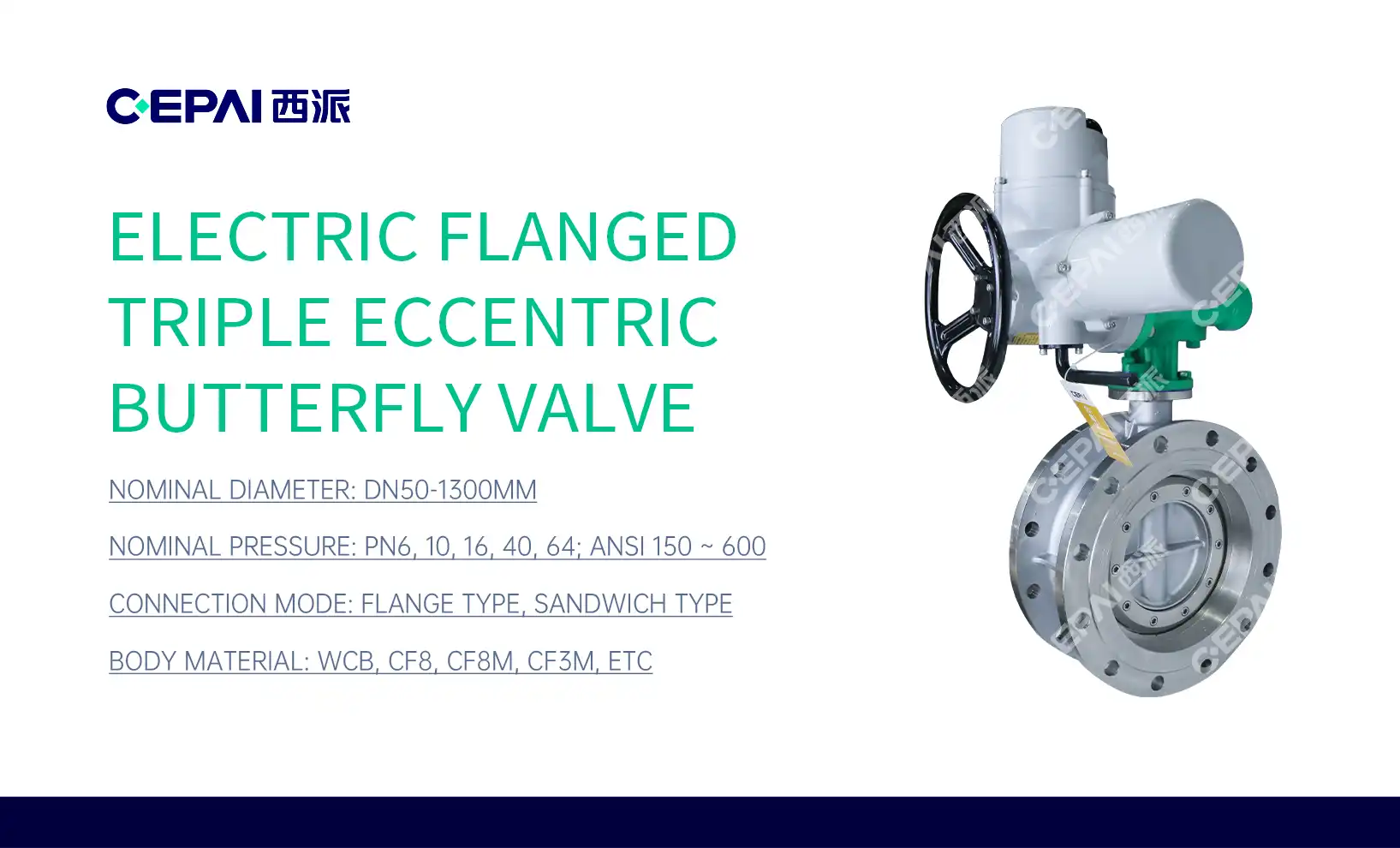
For tough cooling tower service, this high-end design is the pinnacle of butterfly valve technology. Triple-offset geometry keeps the disc from touching the seat while it's working, which stops wear and guarantees consistent sealing performance. Metal seating is the most durable and reliable option.
Some things that make it stand out are:
- Zero-wear technology for sealing
- Ability to seal in two directions
- Class IV performance for leakage
- Longer periods between maintenance
- Better control of the throttle
The complex way that butterfly valves work keeps sealing surfaces from sliding against each other. The laminated seat design allows for thermal growth without affecting the integrity of the seal. Automation compatibility lets you precisely control flow and run things from afar. The butterfly valve size chart shows a wide range of diameters that can be used in big cooling systems.
Butterfly Valve with a Flange and Pneumatic Action
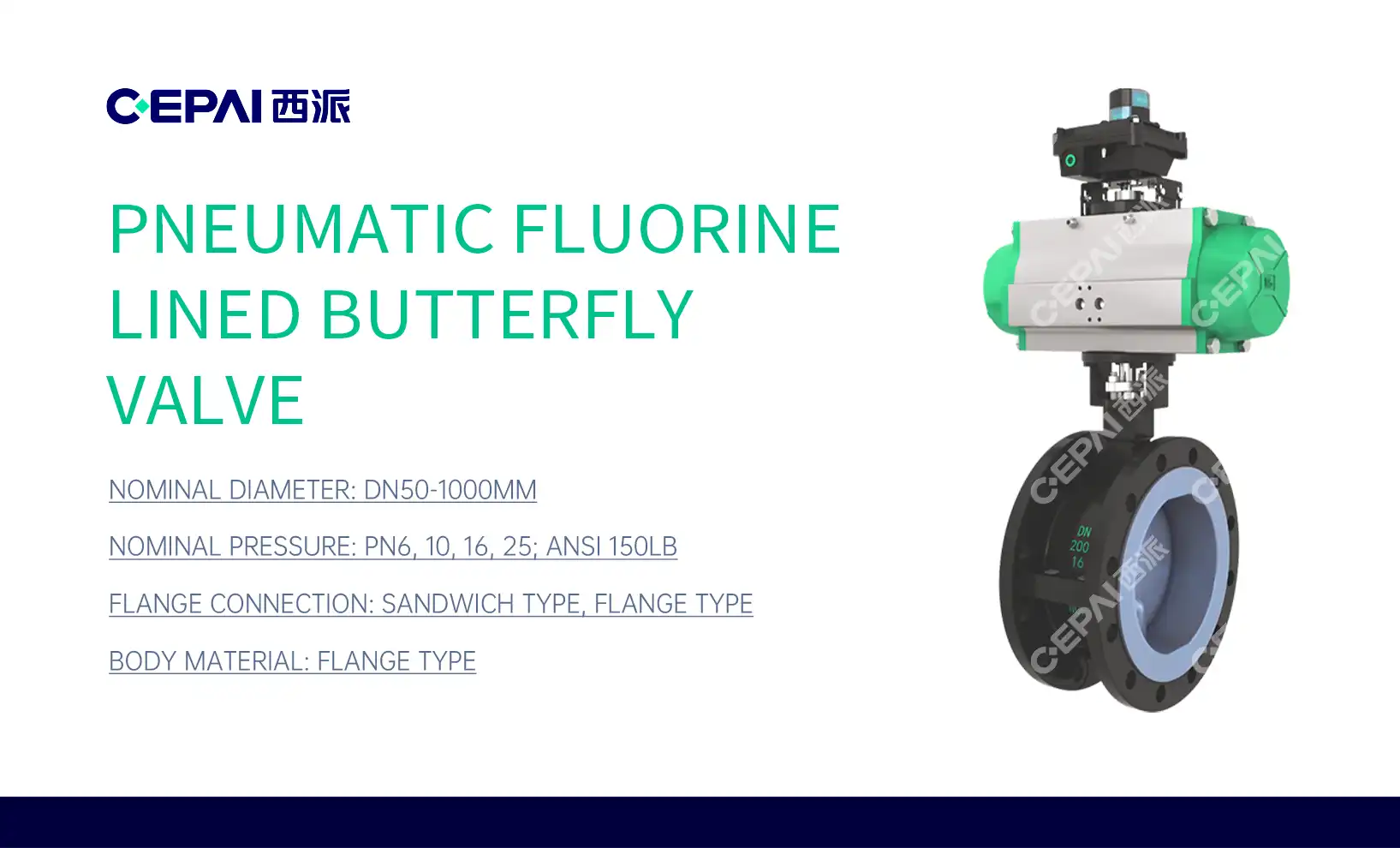
For cooling tower applications, robust flange construction gives installers the most installation options and system integrity. The integrated pneumatic actuation lets it respond quickly to changing cooling needs. Heavy-duty construction can handle changes in temperature and mechanical stresses.
The following are operational advantages:
- Quick action for shutting down in case of emergency
- Accurate position control to control flow
- Work without problems when the power goes out
- Actuator housing that doesn't rust
- Design that uses little air
The butterfly valve flange connection makes sure that the valve is in the right place and takes away the stress of installation. Positioner feedback lets you control the flow accurately and make the system work better. The maintenance of butterfly valves is made easier by the modular actuator design. Weather protection shields make sure that outdoor cooling towers work reliably.
A Smart Butterfly Valve that can be Controlled Digitally
Through built-in sensors and control features, advanced digitization changes the way traditional butterfly valves are used. Real-time monitoring gives operational insights, and features that allow for predictive maintenance cut down on unplanned downtime. Smart positioning technology automatically finds the best way to cool things down.
Innovations in technology include:
- Continuous tracking of position
- Alerts for planned maintenance
- Ability to do diagnostics remotely
- Improving how much energy is used
- Combining with systems that control plants
The automation system for the butterfly valves can adjust to different cooling needs while still working at its best. Digital communication protocols make it possible to connect to plant networks that are already in place. Some of the features that stop butterfly valves from leaking are early warning systems and continuous seal monitoring. Advanced analytics improve the scheduling of maintenance and lower the costs of running the business.
What the Global Market is like and How it Works
The weather, water quality, and rules that govern the use of cooling towers are very different in different parts of the world. Europe's markets put a lot of weight on using less energy and being eco-friendly by having strict rules about emissions. In Asian markets, people are mostly interested in ways to make more power that can be used quickly and cheaply.
There are rules about how cooling towers work, such as limits on noise, chemicals that can be used, and water that can be discharged. By making you take a lot of tests, American standards put a lot of weight on safety and dependability. There are standards for butterfly valve pressure ratings that make sure the valve works the same way everywhere.
How people choose valves and take care of them depends on their culture. Cost at the start is the most important thing in some places, but value over time is the most important thing in others. How easy it is to get spare parts and technical help in the area affects how well operations do in the long run. If you know about these regional differences, you can pick the valve that works best in your market.
Tips and Things to Think About Before You Buy
When you buy butterfly valves, you should think about both your immediate needs and your long-term business goals. When you do the initial sizing, you should think about how the business will grow and when demand will be at its highest. As you pick out materials, you should think about every possible use case, even emergency situations.
You should judge a vendor by their technical know-how, quality certifications, and customer service after the sale. To install a butterfly valve correctly, you might need certain tools or ways of doing things. How reliable the system is and how much it costs to run each month are both affected by how much training the maintenance staff needs.
The total cost of ownership should include how much it will cost to maintain, how long it is expected to last, and how much energy it will use. Standardization is good because it cuts down on the need for training and storage for spare parts. There are rules for documentation that make sure quality systems and the law are followed.

Industry Trends and Summary
Current industry developments emphasize automation integration and predictive maintenance capabilities. Smart valve technologies enable optimization of cooling system performance while reducing operational costs. Environmental regulations drive demand for more efficient and sustainable cooling solutions. Advanced materials and coatings extend service life while reducing maintenance requirements. Digital transformation initiatives integrate butterfly valve monitoring into comprehensive plant management systems.
Conclusion
To pick the best butterfly valves for cooling tower uses, you need to carefully consider a lot of technical and practical issues. There are five ways to fix the valves shown. These designs have been used before and have been shown to work well in tough situations. People who know about the global market and the rules that govern it are better able to choose what to buy.
Both short-term needs and long-term operational goals must be carefully thought through for implementation to go well. For cooling systems to work at their best, CEPAI needs to know a lot about valve technology and application engineering. Investing in good butterfly valve solutions helps reach goals for sustainable power generation, makes sure that systems work well, and lowers costs over their entire life.
FAQs
What size butterfly valve do most large cooling towers need?
Butterfly valves with a diameter of 24 to 120 inches are often needed for big cooling towers. The exact size depends on how much water is flowing, how much pressure the system needs, and how much cooling it can do. When figuring out the right size, you need to take into account both normal operating conditions and emergency flow scenarios.
How often should maintenance be done on butterfly valves in cooling towers?
Depending on how the valve is used and its design, butterfly valves usually need to be serviced every six months to two years. Chemically harsh places may need to be inspected more often. Predictive maintenance technologies can make the best schedules based on the actual condition of the valves instead of just picking random times.
Can butterfly valves handle the changing temperatures in cooling towers?
Today's butterfly valves are made to handle thermal cycling by using the right materials and having the right seat design. Metal seats are better at withstanding high temperatures than resilient seats because they can expand and contract with temperature changes. For long-term dependability in cycling conditions, make sure the installation and maintenance are done right.
Work with CEPAI to get the Best Butterfly Valve Solutions
Because CEPAI has a lot of experience making valves, they can provide better butterfly valve solutions for tough cooling tower applications. Our API-certified products are the best value and most reliable on the market and meet the strictest industry standards. Advanced engineering skills allow for customized solutions that improve the performance of cooling systems.
Our dedication to quality is shown by the many quality certifications we have, such as API Q1, ISO 9001, and CE marking. Our global support network makes sure that you can get technical help and parts quickly. Experienced application engineers work with customers to figure out the best way to set up valves for their cooling needs.
As a top butterfly valve maker, CEPAI combines tried-and-true designs with new technologies to make products that work better and last longer. Our factories use high-tech quality control systems to make sure that the quality of our products is always the same. A lot of testing options make sure that the performance works in real-world situations.
Get in touch with our technical experts right away to talk about your cooling tower valve needs and find out how CEPAI can improve the performance of your system. From the initial requirements to long-term operation, our team offers full application support. Email us at cepai@cepai.com to talk about technical details and get help with your project.

References
Johnson, M.R. and Thompson, K.L. "Butterfly Valve Performance in Power Plant Cooling Systems." Power Engineering International Journal, Vol. 45, No. 3, 2023, pp. 78-85.
Chen, W.H., Rodriguez, A.P., and Kumar, S. "Materials Selection for Cooling Tower Valves: A Comprehensive Analysis." International Conference on Power Plant Engineering, 2022, pp. 234-241.
Smith, D.G. "Automation Advances in Cooling Water Control Systems." Control Systems Engineering Quarterly, Vol. 28, No. 4, 2023, pp. 112-119.
Anderson, R.J. and Patel, N.K. "Energy Efficiency Optimization through Advanced Valve Technologies." Energy Management in Power Generation, 2022, pp. 156-163.
Williams, S.A. "Predictive Maintenance Strategies for Industrial Valve Applications." Maintenance Engineering Review, Vol. 67, No. 2, 2023, pp. 45-52.
Lee, H.S. and Brown, T.M. "Global Regulatory Trends in Power Plant Water Management." Environmental Engineering in Power Generation, Vol. 39, No. 1, 2023, pp. 89-96.