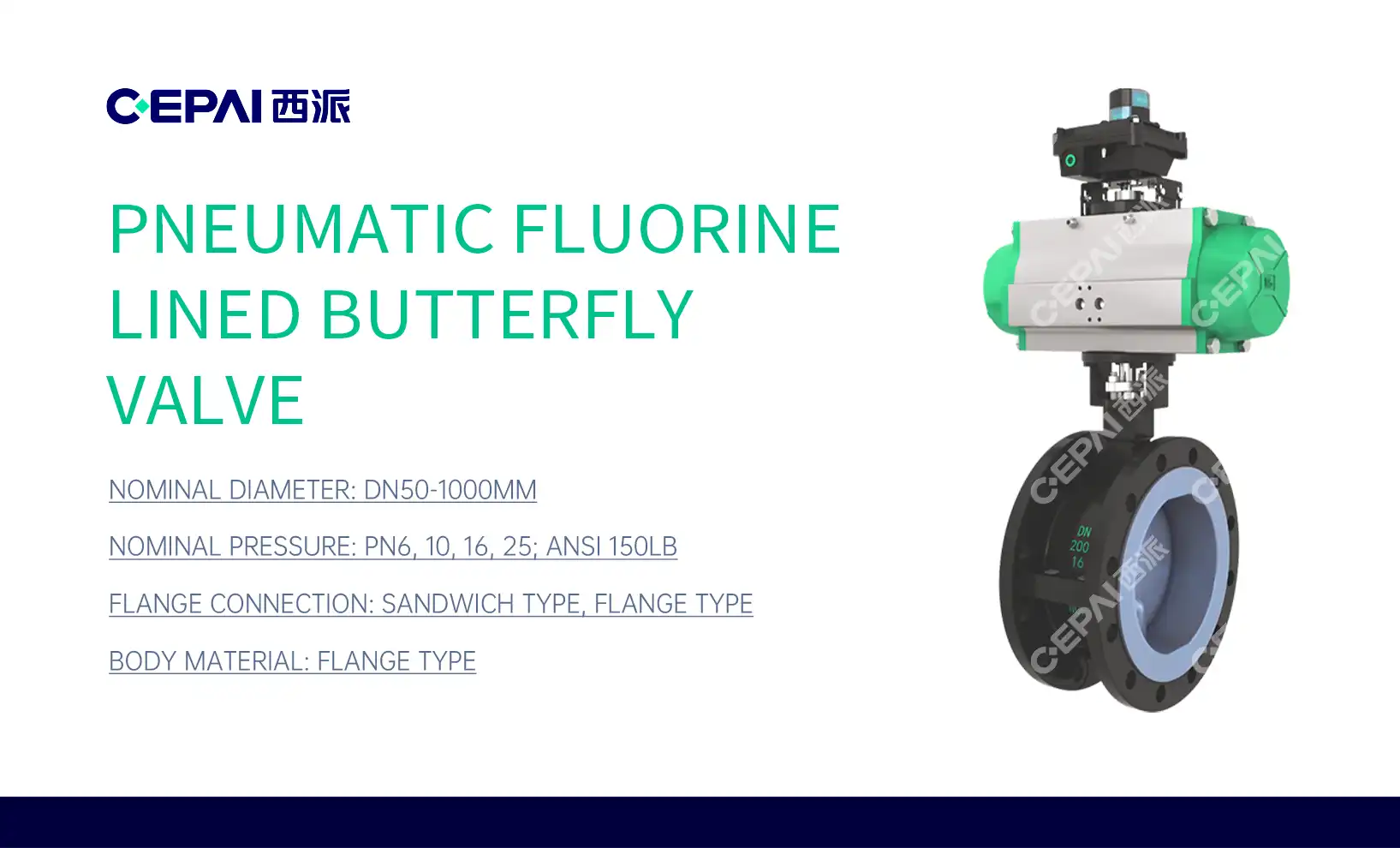
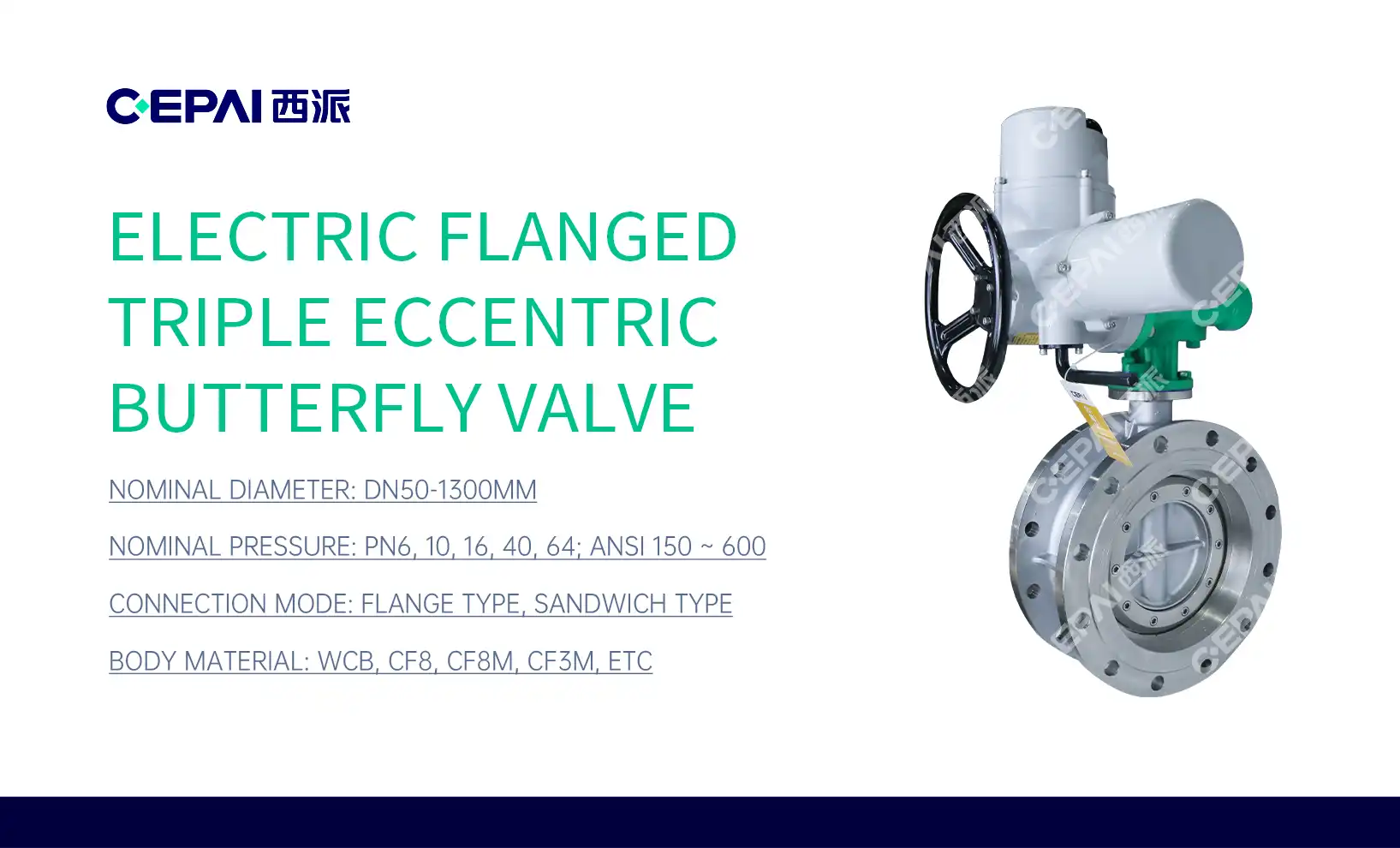
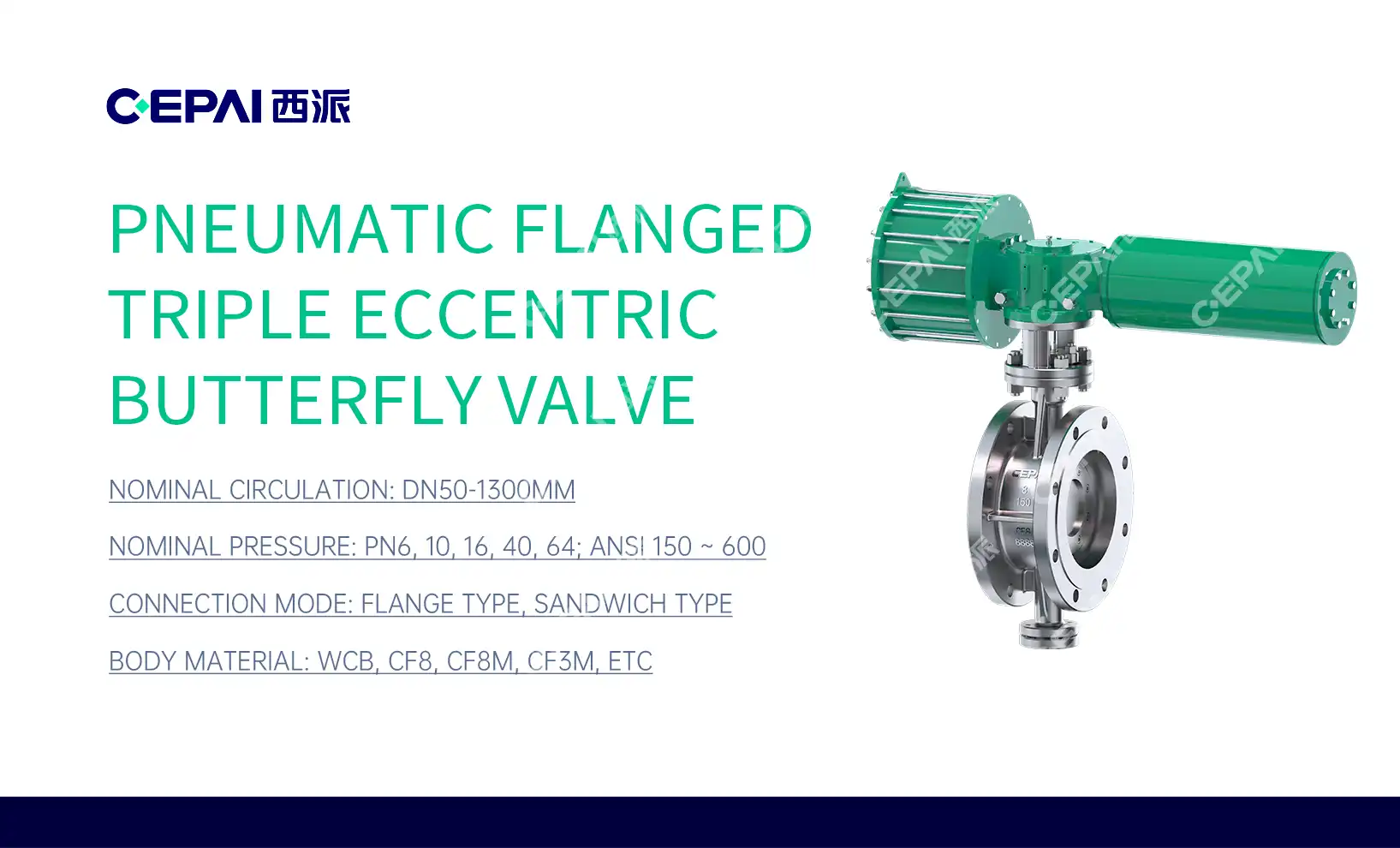
To properly maintain industrial control valves, you need a plan that includes regular inspections, calibrating the valve positioner, and keeping an eye on how well the actuator is working. Following the right maintenance steps will increase the life of your valves, avoid costly downtime, and make sure that your operations have the best flow control possible. Regular checks of the valve trim, the control loop, and the pressure control system are what make valve maintenance programs work and keep your processes running smoothly.

Why Should You Pay Attention to Control Valve Maintenance?
One of the most important investments you can make in your operational infrastructure is to keep the control valves in good shape. Many facilities don't make valve maintenance a strategic priority; instead, they treat it as an afterthought. These important parts control flow, pressure, and temperature in many industrial processes.
According to research, control valves that are properly maintained last 40 to 60 percent longer than those that are maintained in a reactive way. The effects on money go beyond the cost of the equipment; they also include lower energy use, more consistent products, and better safety performance. Modern control systems depend on precise valve response characteristics that get worse over time if they are not maintained.
Environmental laws are calling for tighter controls on emissions and measures to stop leaks. Valve maintenance programs directly help with environmental protection and compliance. Predictive analytics can also be used with proactive maintenance to find potential problems before they become expensive failures.
Selection Criteria for Effective Maintenance Programs
Developing successful control valve maintenance programs requires careful consideration of multiple factors that influence long-term performance. I evaluate maintenance strategies based on operational criticality, environmental conditions, regulatory requirements, and cost-effectiveness metrics.
The most effective programs balance preventive maintenance scheduling with condition-based monitoring techniques. This hybrid approach optimizes resource allocation while minimizing unexpected failures. Key evaluation criteria include maintenance frequency requirements, spare parts availability, technician skill requirements, and documentation standards.
Integration with existing control systems and maintenance management platforms has a big effect on how well the program works. Modern valve positioner diagnostics give useful information that helps with scheduling and making decisions about maintenance. When looking at different maintenance methods for your specific needs, keep these things in mind.
Essential Control Valve Maintenance Practices
Service and calibration of pneumatic actuators
Pneumatic actuators need regular maintenance to keep the valve stem working reliably and the actuator in the right place. Filtration that slows down actuator performance over time can be avoided by checking the quality of the air supply on a regular basis. I suggest putting in good air filtration systems that clean instrument air supplies of moisture, oil, and particles.
As part of the calibration process, the actuator's response time, positioning accuracy, and ability to work safely in a range of conditions should all be checked. When new equipment is bought, write down its baseline performance characteristics so that you can use them as a guide for future maintenance tasks. This old data is very helpful for figuring out trends and making decisions about preventative maintenance.
Inspections of the actuator housing find problems before they affect how well the valve works. During regular maintenance, check for corrosion, mechanical wear, seal degradation, and loose mounting hardware. Instead of waiting for something to break completely, replace worn parts before they do. When you lubricate an actuator on a regular basis, it lasts longer and works smoothly throughout its entire stroke range.
In safety-critical situations where fail-safe operation is important, spring return mechanisms need extra care. Check the spring's compression forces on a regular basis to make sure there is enough closing torque in all situations. Over time, being exposed to the environment can make springs less strong, especially in places with high temperatures or corrosive air. Keep careful records of how often you replace the springs so that you can plan your future maintenance better.
Smart positioner technology in modern pneumatic systems gives constant diagnostic feedback about the health of the actuators. Take advantage of these skills to set up condition-based maintenance plans that cut down on unnecessary work and find problems early on. Integrating correctly with plant control systems lets alarms go off automatically and maintenance work orders be made.
Maintaining and keeping an eye on electric actuators
Electric actuators need different maintenance than pneumatic systems. You need to pay attention to the performance of the motor, the condition of the gear train, and the integrity of the electrical connections. Motor current analysis done on a regular basis shows mechanical problems as they start to happen before they completely destroy the actuator. Trending current consumption patterns over time can show how performance is slowly getting worse in ways that might not be seen otherwise.
Gear reduction systems need to have their lubricants checked and replaced on a regular basis to keep them running smoothly and avoid catastrophic failure. Use lubricants that the manufacturer recommends and that have the right viscosity for the temperature range you'll be using them in. Because contaminated lubricants speed up wear and make actuators less reliable, it is important to store and handle them correctly.
Thermal cycling, vibration, and being exposed to the environment can all damage electrical connections. Before they stop the control signal, hot spots found by thermography inspections show that connections are loose or parts are breaking down. Make sure that all electrical terminations are torqued to the right levels and that connections are kept dry.
Position feedback systems need to be calibrated again and again to make sure that the control valves are placed correctly across the whole control range. Use different measuring methods to compare electronic position signals with the real position of the valve stem. Failures of encoders or mechanical slippage can lead to big positioning mistakes that make process control less effective.
Control loop tuning becomes critical when electric actuators experience performance changes due to wear or environmental factors. Monitor response times, overshoot characteristics, and settling behavior to identify when retuning becomes necessary. Poor control loop performance often indicates underlying actuator issues that require maintenance attention.
Valve Body and Trim Inspection Procedures
Valve body integrity directly impacts safety and environmental compliance, making thorough inspection procedures essential for reliable operation. Systematic examination techniques reveal developing problems before they escalate into costly failures or safety incidents. External visual inspections should identify corrosion, erosion, and mechanical damage that might compromise structural integrity.
Internal valve trim components experience severe service conditions including high pressure drops, erosive flow, and chemical attack. Regular trim inspection schedules prevent unexpected failures that can damage downstream equipment or create safety hazards. Cavitation damage appears as pitted surfaces on valve seats and plugs, indicating excessive pressure recovery that requires attention.
Valve seat leakage testing verifies shutoff capability and identifies developing seal problems. Use standardized test procedures that provide repeatable results for trending analysis. Document leakage rates at various pressure differentials to establish performance baselines and identify deterioration trends over time.
Packing system maintenance prevents stem leakage while maintaining smooth actuator operation. Replace packing materials according to manufacturer recommendations or when leakage exceeds acceptable limits. Proper packing installation techniques ensure uniform compression and optimal sealing performance without excessive stem friction.
Flow characteristic verification ensures that valve performance matches design specifications throughout the operating range. Changes in flow coefficients or control characteristics often indicate trim wear or damage that requires correction. Compare actual flow performance with manufacturer data to identify deviations that impact process control effectiveness.
Control Loop Performance Analysis
Control loop performance directly reflects valve health and maintenance effectiveness, providing valuable diagnostic information about component condition. Regular performance analysis identifies developing problems before they impact product quality or operational efficiency. Monitor key performance indicators including response time, linearity, and repeatability across the full operating range.
Process variability often increases when valve performance degrades due to wear or maintenance deficiencies. Statistical analysis of control loop data reveals trends that indicate when maintenance intervention becomes necessary. Implement automated monitoring systems that continuously track performance metrics and generate alerts when predetermined limits are exceeded.
Valve signature analysis compares current performance characteristics with historical baselines to identify gradual deterioration. This technique proves particularly valuable for detecting partial plugging, erosion damage, or actuator wear that develops slowly over time. Establish comprehensive signature databases when equipment is new to maximize diagnostic effectiveness.
Stick-slip behavior and deadband measurements indicate developing friction problems in valve assemblies. These characteristics directly impact control quality and energy efficiency. Regular measurement and trending of these parameters guides maintenance scheduling and component replacement decisions.
Integration with plant historian systems enables sophisticated analysis techniques that correlate valve performance with process conditions, maintenance activities, and operational changes. This comprehensive approach identifies root causes of performance degradation and optimizes future maintenance strategies based on actual operating experience.
Pressure Control System Optimization
Pressure control applications place unique demands on valve assemblies that require specialized maintenance approaches. System optimization involves valve sizing verification, control algorithm tuning, and hardware condition assessment. Proper pressure control requires precise valve positioning and rapid response to process disturbances.
Pressure relief and safety system testing ensures reliable protection against overpressure conditions. Verify setpoint accuracy, response times, and reseat capabilities according to applicable safety standards. Document all test results and maintain detailed records of safety system performance for regulatory compliance purposes.
Control valve sizing verification becomes critical when process conditions change or system modifications alter pressure drop characteristics. Undersized valves operate near wide-open conditions with limited control authority, while oversized valves exhibit poor control resolution and increased maintenance requirements. Regular sizing analysis ensures optimal valve selection for current operating conditions.
Pressure transmitter calibration and maintenance directly impacts control valve performance in pressure control applications. Verify transmitter accuracy, response characteristics, and signal conditioning throughout the measurement range. Replace aging transmitters that exhibit drift or poor dynamic response characteristics.
System hydraulic analysis identifies potential issues with piping design, valve location, or control strategy that impact pressure control effectiveness. Consider factors including pressure recovery, cavitation potential, and dynamic response characteristics when evaluating system performance and maintenance requirements.
What the global market is like and how it works
The rules and problems that happen in international markets change how maintenance plans for control valves are made. The API and IEC standards include frameworks for valve maintenance procedures that are known all over the world. However, local laws often have extra rules that must be followed.
People in Europe care a lot about the environment and saving energy. That's why low-emission valve technologies and predictive maintenance programs are so popular. The Industrial Emissions Directive of the EU has strict rules about how to find and fix leaks. These rules affect when maintenance needs to be done and what paperwork needs to be kept.
Asian markets are focused on fast industrial growth and reliable operations. This means that new technologies can be used in remote monitoring and maintenance. People in these places value long-term relationships and technical support, which can change how they choose a supplier and plan maintenance programs.
Following the rules and being safe are very important in North American markets, especially when it comes to oil and gas. Rules set by the EPA and OSHA about safety have a big impact on how to maintain industrial valves and what paperwork is needed.
Emerging markets often choose maintenance plans based on how cost-effective they are and how easy it is to get technical help in their own country. It is very important for maintenance programs to have training programs and technical documentation in these places.
Tips and Things to Think About Before You Buy
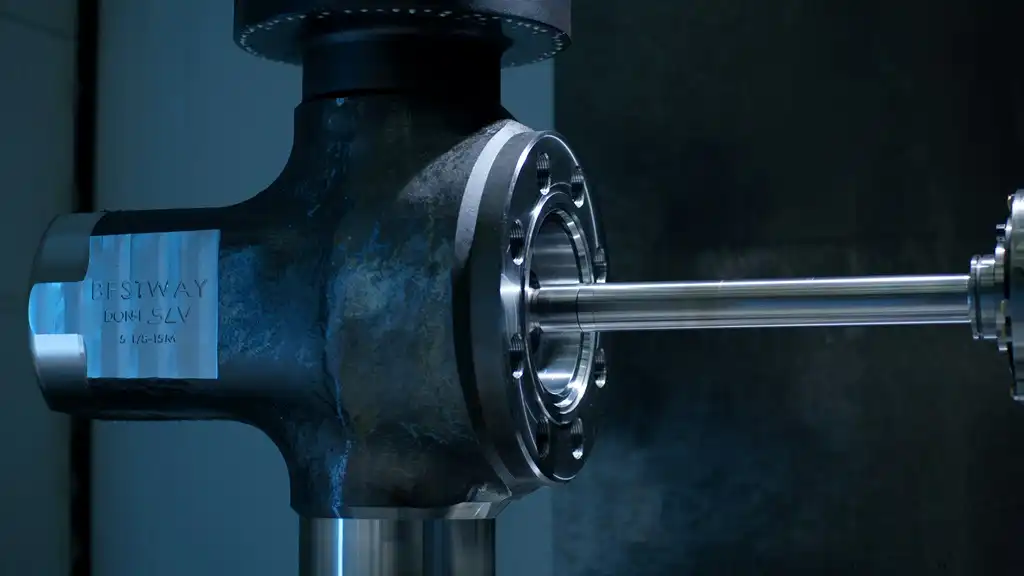
When you buy control valves, you need to carefully think about both the technical details and your ability to help with maintenance. You should think about how much experience the supplier has in your field and how well they can provide technical support for as long as the equipment is in use. Long-term operational costs depend on how well maintenance records are written and how many training programs are available.
The ease of getting spare parts and the time it takes to get them directly affect how maintenance is planned and how much stock is needed. Make sure the supplier has global support networks and local technical resources that can help right away with maintenance issues that need to be fixed. It can be cheaper to keep spare parts on hand and easier for technicians to learn how to use them if you only buy valves from a few different companies.
Better diagnostic tools are used to help decide which valves to use as predictive maintenance plans get smarter. Consider valves that have built-in monitoring systems that check the condition all the time and tell you when it's time to do maintenance. With these technologies, things are more reliable and maintenance costs go down.
A study of the total cost of ownership should include the costs of maintenance staff, spare parts, and the effects of downtime over the equipment's expected useful life. It's common for lower prices at first to mean higher costs in the long run because of more upkeep or a shorter useful life.
Industry Trends and Summary
Digital transformation continues reshaping control valve maintenance practices through predictive analytics, remote monitoring, and automated diagnostic systems. Industrial IoT integration enables real-time condition monitoring that optimizes maintenance scheduling while reducing unexpected failures. Artificial intelligence applications show promise for pattern recognition and predictive maintenance decision support. These technological advances help facilities transition from reactive maintenance approaches to proactive strategies that maximize equipment reliability while minimizing operational costs.
Conclusion
Effective control valve maintenance requires systematic approaches that balance preventive care with condition-based monitoring strategies. The practices outlined in this guide provide proven frameworks for maximizing valve performance while minimizing operational disruptions. Regular attention to actuator condition, valve trim integrity, and control loop performance delivers significant returns through improved reliability and extended equipment life.
Success depends on selecting appropriate maintenance intervals based on actual operating conditions rather than arbitrary schedules. Modern diagnostic technologies enable more sophisticated approaches that optimize resource allocation while preventing unexpected failures. Investment in proper maintenance programs pays dividends through reduced downtime, improved safety performance, and enhanced operational efficiency across your facility.
FAQs
How often should control valves be inspected and maintained?
Maintenance frequency depends on application severity, operating conditions, and valve criticality. Typical inspection intervals range from quarterly for severe service applications to annually for standard process conditions. High-pressure or safety-critical valves may require monthly attention, while less critical applications can extend to 18-month intervals. Monitor performance indicators and adjust frequencies based on actual operating experience.
What are the most common causes of control valve failure?
The primary failure modes include actuator problems (35%), valve trim wear (25%), packing leakage (20%), and control system issues (20%). Cavitation damage, erosion, and corrosion account for most trim-related failures. Proper valve sizing and regular maintenance significantly reduce these failure rates and extend equipment life.
When should control valves be replaced rather than repaired?
Replace valves when repair costs exceed 60-70% of replacement cost, or when repeated failures indicate fundamental design issues. Consider replacement for valves requiring frequent maintenance that disrupts operations. Technological advances in diagnostics, efficiency, or safety may also justify replacement even when existing valves remain serviceable.
Partner with CEPAI for Superior Control Valve Solutions
CEPAI delivers world-class control valve technology backed by comprehensive maintenance support and technical expertise. Our extensive product portfolio includes throttling valves, pressure regulators, and instrumentation designed for demanding industrial applications. With API6A, API6D, ISO9001, and multiple international certifications, CEPAI maintains the highest quality standards throughout our manufacturing processes.
Our experienced engineering team collaborates directly with customers to develop customized solutions that meet specific operational requirements. We understand the critical importance of reliable valve performance and provide ongoing technical support that extends far beyond initial equipment delivery. CEPAI's global service network ensures rapid response to maintenance needs and spare parts requirements.
Choose CEPAI as your trusted control valve supplier and experience the difference that quality engineering and dedicated customer support can make for your operations. Our commitment to innovation and reliability has earned recognition from leading oilfield service companies and engineering firms worldwide. Contact us at cepai@cepai.com to discuss your specific requirements and discover how CEPAI can optimize your valve maintenance strategies.