When working with gas pipes that are prone to corrosion, the best valve option blends high material protection, solid closing performance, and long-term use. Because they have a strong quarter-turn design, good chemical resistance, and a history of working with aggressive media like hydrogen sulfide, chlorine compounds, and sulfur dioxide, ball valves are the best choice for these tough conditions. Their circular close element allows for tight shutdown while reducing the amount of upkeep needed. This makes them essential for oil and gas operations, industrial plants, and pipeline systems where safety and dependability must be maintained at all times.
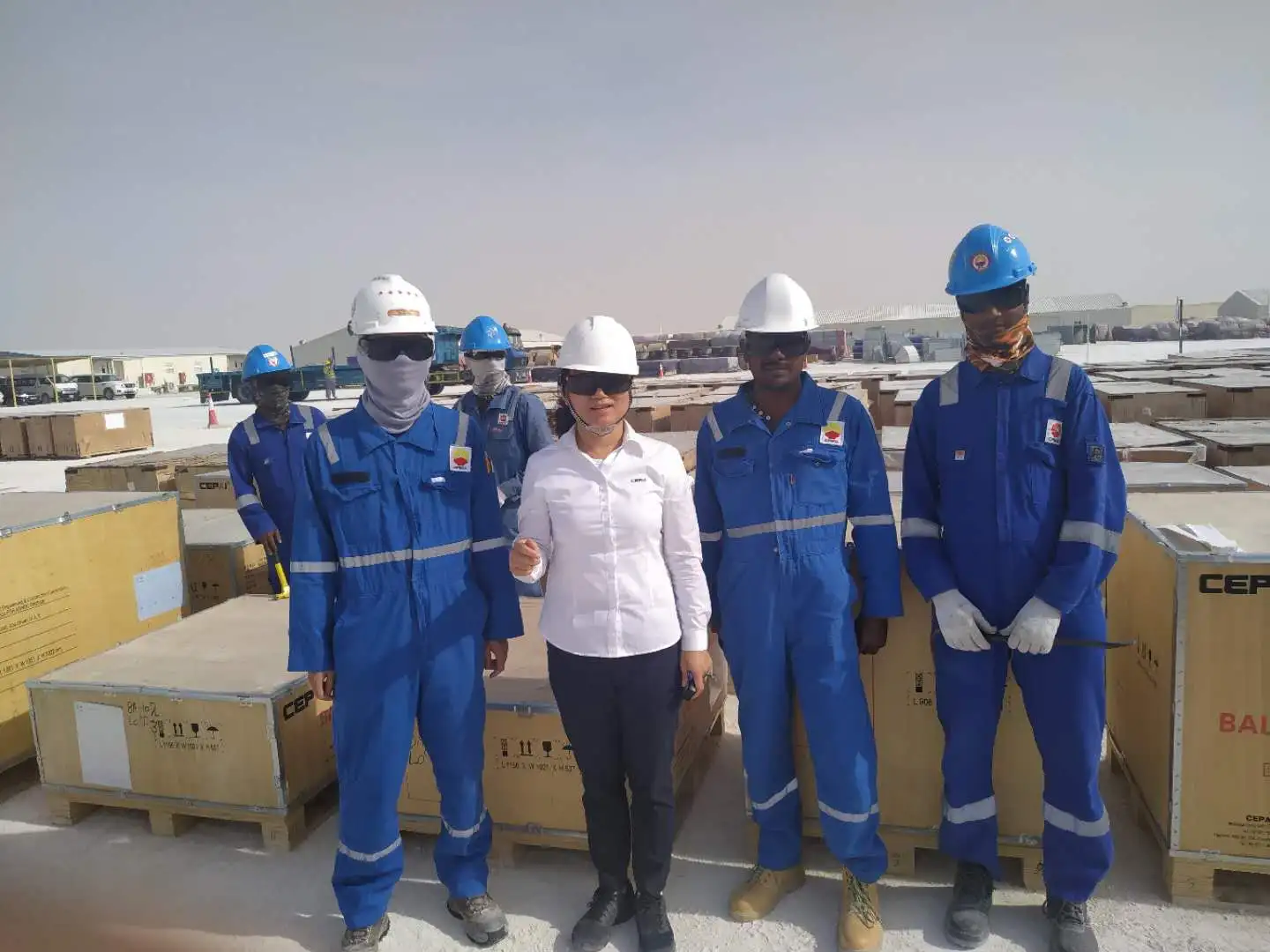
Understanding the Challenges of Corrosive Gas Pipelines
Corrosive gas pipeline systems have special problems that need special valve methods for them to work. In these places, equipment is exposed to strong chemicals that can quickly break down common materials, causing catastrophic breakdowns, environmental risks, and big financial losses.
The main corrosive substances found in industrial gas pipelines are hydrogen sulfide (H2S), which causes sulfide stress cracking in materials that are easily damaged, chlorine gas, which eats away at metal parts through oxidation, and carbon dioxide at high pressures, which speeds up the corrosion process in general. In addition, these pipes often have to work in temperatures that range from -40°F to 400°F and keep up pressures of more than 1,000 PSI.
When choosing the right valve options, pipeline workers have to deal with a number of technical issues. When metals don't work well together, they can experience galvanic corrosion, pitting, or stress corrosion cracking. This makes material compatibility very important. The stability of the seal must be able to resist both chemical attack and temperature cycles without lowering the safety limits. Valve control mechanisms need to be kept safe from toxic environments while still being able to respond quickly to emergency stop situations.
Understanding these operational facts helps buying teams make smart choices that balance the initial capital investment against long-term operational costs, the need to follow regulations, and safety concerns that are necessary for pipeline operations to run smoothly.
Key Features and Benefits of Ball Valves in Corrosive Gas Applications
For gas pipeline uses where corrosion is a problem, ball valves work especially well because of how well they perform. Their basic design advantages lead to real operating gains in a wide range of industries.
The quarter-turn operation mechanism makes the valve move quickly, so it can be used quickly in emergencies or for regular flow control changes. This design keeps operators out of dangerous areas for shorter periods of time while still ensuring reliable shutdown performance. Many types of ball valves have a full-bore layout that lets flow go through without any problems. This lowers pressure drops and energy use all along the pipeline system.
For acidic uses, the ability to choose the material is a huge plus. Here are the main material advantages that make valves work better:
Stainless Steel Construction: Grades 316 and 317L offer superior resistance to chloride-induced corrosion while maintaining structural integrity under high-pressure conditions. The pitting and fissure rusting that usually happen with carbon steel options don't happen with these materials.
Specialized coats: Advanced polymer coats and ceramic linings add extra layers of protection that make valves last longer in harsh settings, which lowers the number of times they need to be replaced and the cost of upkeep.
Seat Material Choices: PTFE, PEEK, and metal-seated designs let you make changes based on your needs for temperature and chemical compatibility.
These material advantages directly lead to practical benefits like longer service intervals, less upkeep needs, and higher safety margins that make the initial investment in high-quality valve solutions worth it.
Automation features make ball valves even more useful by letting them work with gas or electric motors. Remote operation keeps workers safer and lets them connect to supervisory control systems so that changes in the process can be tracked in real time and reactions can be made automatically.
Comparing Ball Valves with Other Valve Types for Corrosive Gas
When choosing valves for toxic gas uses, it's important to compare how well they work, how much upkeep they need, and how reliable they are over time for each valve technology.
While gate valves are great for flow when they are fully open, they are not so great when they are in acidic situations. Their rising stem form adds more places where chemicals can attack the seal, and the wedge-gate contact can experience galvanic rusting when different materials are present. Access for maintenance is hard to get to because gate valves need a lot of vertical space to remove the stem, which makes fixes harder in confined pipeline installs.
Butterfly valves are lighter and cheaper to buy at first, but their disc-in-flow design causes turbulence that can speed up the erosion and rusting processes. Butterfly valves usually have flexible seat materials that aren't as chemically resistant as metal-seated choices that can be found in ball valve designs. In addition, butterfly valves can't achieve the same level of tight shutdown performance that is needed to separate dangerous gases.
While globe valves are great for reducing, they cause big drops in pressure that make running costs go up. Their complicated internal design makes cracks where acidic materials can gather, which speeds up attack in a specific area. Compared to the simpler ball valve design, the globe valve has more places where things could go wrong because it has more seal contacts.
Ball valves are the best in this competitive market because they can close tightly, drop pressure slowly, are easier to maintain, and come in more material choices. The circular closure element gets rid of the sharp edges and cracks that other designs have, which are places where rusting can start. The quarter-turn operation also keeps closing surfaces from wearing down during cycle operations.
Maintenance Tips and Best Practices for Ball Valves in Corrosive Pipelines
In corrosive gas pipeline uses, ball valve performance and service life are maximized by using thorough repair plans. Proactive repair programs keep things safe by making sure that small problems don't turn into expensive fails and that safety rules are always followed.
Regular review plans should include both eye checks of the outside and checks of the inside to see how things are going. External checks look for rust products, covering wear, or mechanical damage that could weaken the integrity of the valve. Internal exams, which are done during planned shutdowns, check the state of the seals, the wear on the seats, and the condition of the ball surfaces.
The following repair steps will help ball valves work better in toxic environments:
Cleaning on a regular basis: Get rid of acidic residue and scale buildup that can stop valves from working properly or cause rust cells to form in one area. The right way to clean depends on the acidic media and valve materials that are being used.
Lubrication Programs: Make sure that the stem seals, actuator parts, and bearing surfaces are properly oiled with oils that stop rust and are compatible with the process media.
Actuator Maintenance: Take care of gas and electric actuators according to the manufacturer's instructions, paying special attention to how much moisture gets in and how well the electrical connections hold up in corrosive environments.
To keep production running smoothly while making sure that these repair tasks are done thoroughly, they need to be coordinated with process operations.
Keeping track of spare parts supplies is important for keeping downtime to a minimum during repair work. Seat assemblies, stem seals, actuator components, and full ball assemblies are all important extra parts that can be quickly replaced when internal damage happens. Building ties with dependable sources makes sure that you can get real substitute parts that work just like the originals.
Keeping records of maintenance tasks is a good way to find the best check times and spot patterns that could mean problems are starting to form before valves fail.
How to Choose the Best Ball Valve Supplier for Corrosive Gas Pipelines?
To choose the right ball valve providers, you need to look at their professional skills, quality systems, and support services to make sure they meet the needs of your project and your operating goals.
Quality badges are basic signs of how capable a seller is and how committed they are to meeting industry standards. API 6D approval shows that the pipeline valves meet the standards of the oil business, and ISO 9001 quality control systems make sure that the manufacturing methods are always the same. More certificates, like API 6A for wellhead applications or NACE MR0175 for sour service settings, show that the person is an expert in acidic applications.
Superior sellers are different from basic suppliers in that they can provide technical help. Consulting services for engineers help choose the best valves for different uses, and field service support makes sure that the right steps are taken for installation and testing. When figuring out if a material will work in unusually harsh or acidic conditions, it helps to have access to metallurgy experts.
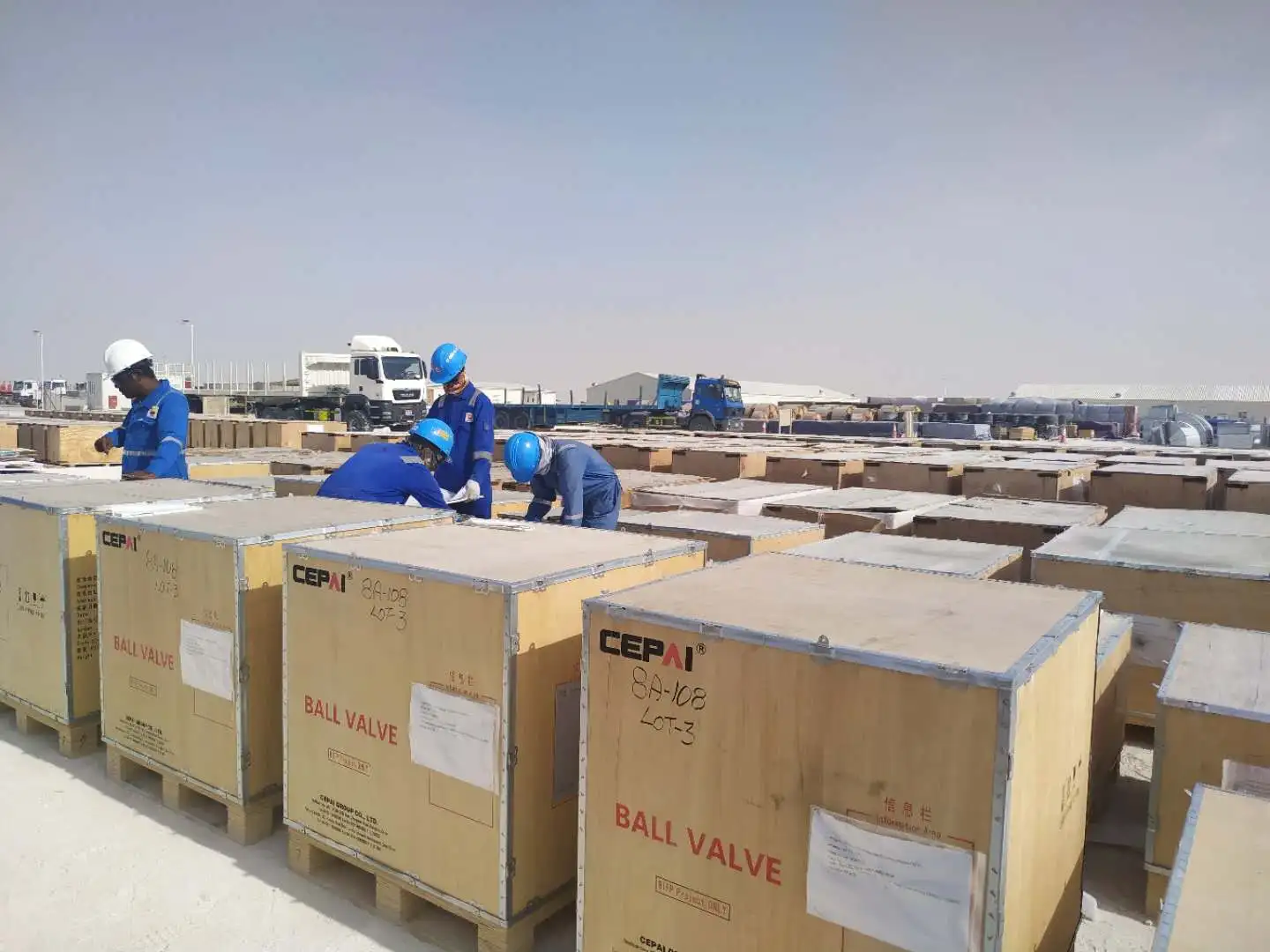
The ability to manufacture has a direct effect on the standard of the product and how well it is delivered. When it comes to quality control, suppliers who do their own cutting, assembly, and testing are better off than those who hire freelancers. Pressure tests up to working pressures show dedication to performance proof, and material tracking methods make sure that the material meets the requirements.
The global supply chain affects both the original delivery and the long-term access of parts. For foreign projects, suppliers with international transport networks are better able to help, and having supplies close to where the work is being done speeds up emergency deliveries. As long as the supplier's finances are stable, parts will always be available for the valve's service life.
Conclusion
For gas pipeline uses that are affected by corrosion, ball valves are the best choice because they are made of better materials, seal well, and require less upkeep. Their track record in tough settings, along with improvements in materials technology and robotics, makes them the best choice for uses where safety is very important. For execution to go well, it's important to carefully choose the provider, make sure the materials are right, and use proactive upkeep plans that increase working efficiency while lowering lifecycle costs. When you buy good ball valve options, you get measured returns in the form of higher safety, lower upkeep costs, and better operating efficiency.
FAQs
What kinds of materials are best for ball valves that are used with sour gas?
Grades 316L and 317L of stainless steel are very good at resisting hydrogen sulfide conditions. For harsh sour gas uses, super duplex stainless steels like 2507 are stronger and less likely to rust. Inconel and Hastelloy metals are the best materials to use in very harsh circumstances, where regular stainless steels might not be enough.
What are some ways that controlled ball valves make working with toxic gas pipelines safer?
Automated ball valves can be controlled from a distance, which keeps people from being exposed to dangerous fumes and speeds up reaction times in an emergency. Integration with gas detection systems lets the valve close automatically when dangerous levels are found, and the ability to watch from afar lets you keep an eye on the position and operation of the valve at all times.
What determines how often ball valves in acidic service need to be serviced?
The amount of toxic media, the number of temperature and pressure cycles, the frequency of valve turning, and the surroundings all affect how often maintenance needs to be done. Usually, inspections happen every three months for heavy use and once a year for normal use. To make schedule more efficient, extra condition-based tracking methods like sound emission tests or shaking analysis are used.
Partner with CEPAI for Superior Ball Valve Solutions
CEPAI offers the best ball valve options in the business, made especially for oil and gas pipeline uses that use corrosive gas. Our wide range of products includes API 6D-certified pipeline ball valves, wellhead ball valves that meet API 6A standards, and special controlling valves made to work in the harshest acidic conditions.
Several foreign certificates, such as API Q1, ISO 9001, and NACE compliance, show how well we make things. We make sure that every valve meets the strict quality standards that energy companies around the world expect. Our facilities have modern metallurgy tools that let us choose the right materials and use heat treatment methods that work best with the acidic media you use in your work.
CEPAI is a reliable company that makes ball valves. They offer full expert help throughout the whole project lifecycle, from choosing the valves to installation and ongoing upkeep. Our tech team works with clients to create personalized solutions that solve their specific business problems and improve efficiency and performance.
The global transportation network that supports CEPAI's work makes sure that projects all over the world get delivered on time and get local expert support. Our dedication to new ideas pushes us to keep making products that use the newest materials, design, and technology to meet the changing needs of the industry.
Are you ready to improve the way your pipelines work with tried-and-true ball valve technology? Our technical experts are ready to talk with you about your unique needs and come up with custom solutions that improve performance while lowering business risks. Visit valveinformation.jscepai.com or email us at cepai@cepai.com for full product details and expert advice to start evaluating your valve solutions right away.

References
American Petroleum Institute. "Specification for Pipeline Valves - API 6D." Twenty-fourth Edition, 2019.
NACE International. "Materials Requirements - Sulfide Stress Cracking Resistant Metallic Materials for Oilfield Equipment." Standard MR0175/ISO 15156, 2017.
Mohitpour, M., Golshan, H., and Murray, A. "Pipeline Design & Construction: A Practical Approach." Third Edition, ASME Press, 2017.
Sotoodeh, K. "A Practical Guide to Piping and Valves for Oil and Gas Industry." Gulf Professional Publishing, 2021.
International Organization for Standardization. "Petroleum and Natural Gas Industries - Materials for Use in H2S-containing Environments." ISO 15156 Parts 1-3, 2020.
Escoe, A. Keith. "Piping and Pipeline Assessment Guide." Gulf Professional Publishing, 2018.
_1746598531170.webp)