How to Choose the Right Valve Actuator For Different Pipe Diameters?
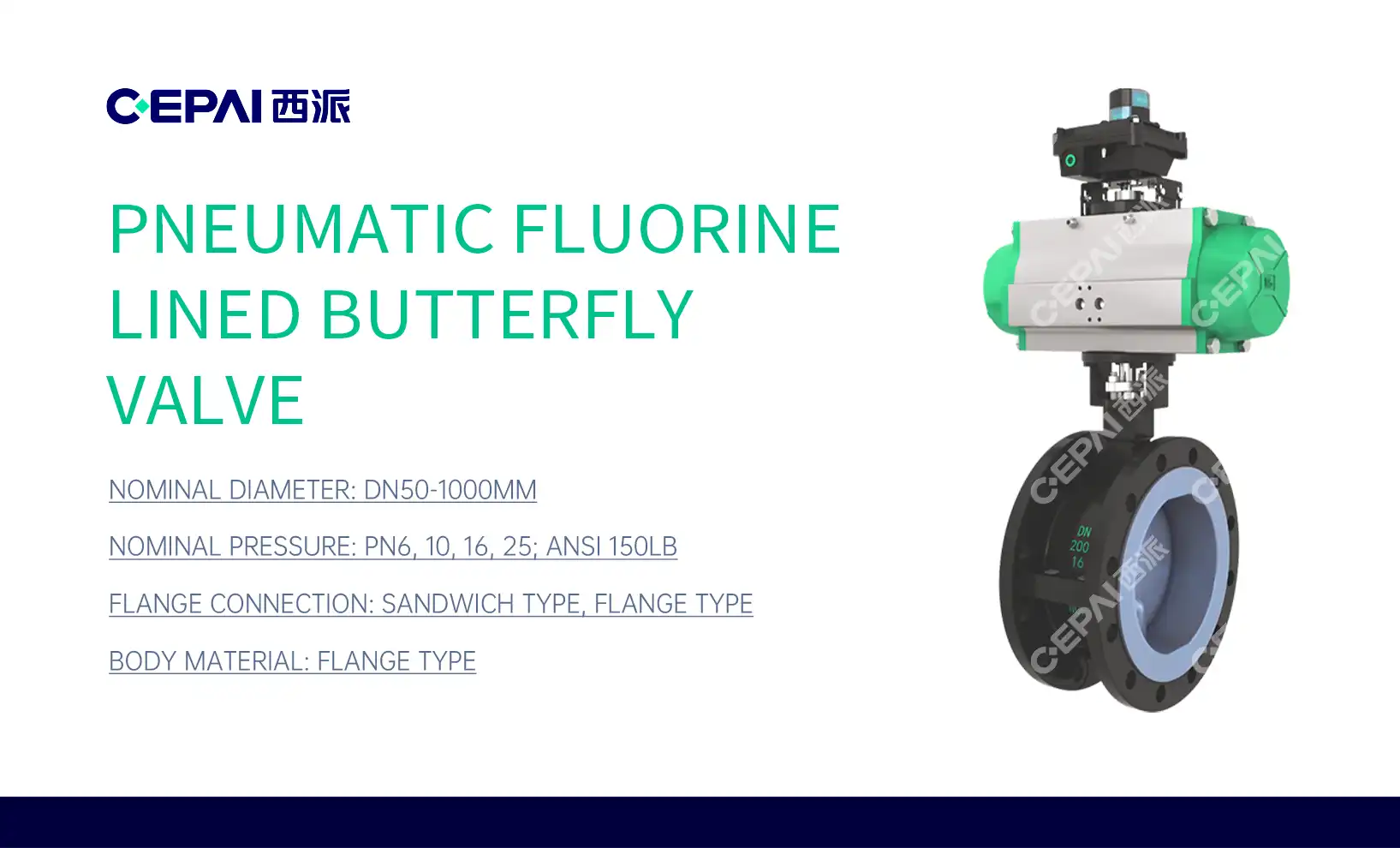
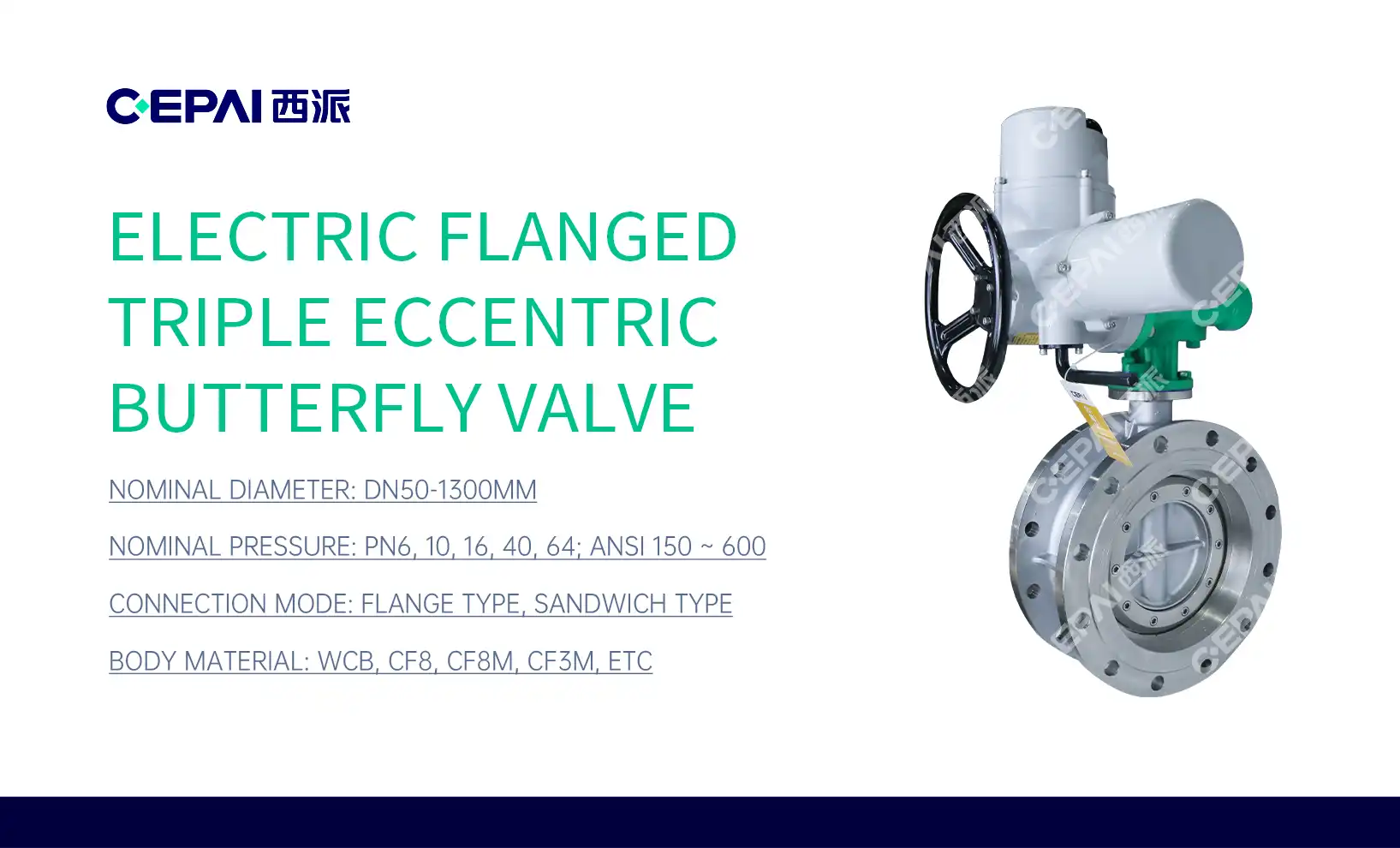
To choose the right valve actuator for a variety of pipe sizes, you need to know how much power is needed, what the actuator can do, and how it will be used. The connection between the width of the pipe and the size of the actuator is very important because valves that are on bigger pipes usually need higher torque outputs to work properly. Because they respond quickly, pneumatic actuators are great for smaller to medium diameter uses. On the other hand, electric actuators give more fine control to larger diameter systems where modulation is important. In high-pressure situations, hydraulic actuators provide the most force for the biggest pipe sizes.
Understanding Valve Actuators and Their Importance in Pipe Systems
Automated valves are powered by valve motors, which turn different types of energy into rotational or linear motion to control the flow of fluid. These gadgets take away the need to operate valves by hand and give modern industrial processes the remote control features they need. Their technology improves safety by keeping workers out of dangerous areas and makes operations more efficient by giving them more precise control.
The Three Primary Types of Valve Actuators
Pneumatic actuators move things by using compressed air, which makes them perfect for situations that need to respond quickly and are naturally safe in dangerous settings. They are the best choice for many oil and gas businesses because they are reliable and have a simple design. Electric actuators turn electrical energy into mechanical motion. They offer high precision and positioning accuracy, which makes them ideal for regulating applications where precise flow control is very important.
Pressurized fluid is used by hydraulic devices to make huge amounts of power, strong enough to open the biggest valves in high-pressure systems. Because they can produce a huge amount of power, they are essential for heavy-duty uses in petroleum and refinery plants where big pipeline valves need to work reliably.
How Pipe Diameter Affects Actuator Performance
The connection between the width of the pipe and the needs of the actuator is a basic part of system design. When it comes to pipes, bigger widths usually mean bigger valves, which need more torque to work reliably. A valve in a 24-inch pipeline needs a lot more working force than one in a 4-inch line. This has a direct effect on the factors used to choose an actuator.
When actuators are the wrong size, problems start to spread throughout the system. Actuators that are too small have trouble opening and closing valves all the way, which can cause premature wear, partial shutdown, and possible safety risks. Too big of an actuator wastes energy, costs more to install, and can damage valve parts by applying too much force.
Key Factors to Consider When Choosing Valve Actuators for Various Pipe Sizes
Figuring out the torque for a valve actuator is the first step in choosing the right actuator. How much power is needed relies on the type and size of the valve, the difference in pressure, and the conditions of operation. Butterfly valves and ball valves of the same size usually need less breaking torque, but gate valves need a lot of push forces to move the stem.
Actuator Type Selection Based on Pipe Diameter
Due to their quick reaction time and low cost, pneumatic actuators are most often used in pipes with sizes between 2 inches and 12 inches. Because they can work without fail thanks to spring return devices, they are very useful in emergency stop systems. Pneumatic controls are easy to use and require less upkeep, which is very important for sites that are far away.
Electric actuators work best in situations where exact placement is needed for pipes with a width of 6 inches to 24 inches. As a result of their precise adjusting control, they are essential for controlling flow in process industries. The ability to connect to digital control systems lets you use complex automation plans that make plant operations run more smoothly.
When high torque needs to be applied, other types of actuators can't handle pipe lengths from 16 inches to 48 inches and even bigger. This is where hydraulic actuators come in handy. Because they are small compared to how much force they can put out, they can be installed in places with limited room, like on offshore platforms and at big pipeline stations.
Environmental and Operational Considerations
Extreme temperatures have a big effect on choosing the right actuator and how well it works. When installing pipelines in the Arctic, the motors need to be able to work reliably at -40°F. In refineries, however, equipment may be exposed to temperatures higher than 400°F. When choosing materials and closing systems, these factors must be taken into account without lowering their reliability.
Both valve and actuator dimensions are directly affected by the pressure that needs to be applied. For high-pressure uses, actuators need to have enough force reserves to handle higher sitting loads while still being able to positively shut off. Safety factors are usually between 1.5 and 2.0 times the estimated needs to make sure that the system works reliably in a variety of situations.
How to Match Valve Actuators to Industrial Needs: A Demand Matching Approach?
In addition to basic size estimates, industry-specific needs affect how actuators are chosen. Each industry has its own problems that affect the choice of technology, the specifications that must be met, and the expected performance.
Oil and Gas Sector Requirements
For wellhead systems and choke valves, pipe sizes for exploration and drilling work usually range from 2 inches to 16 inches. For these uses, quick responses and fail-safe operation are most important, so gas motors are the best choice. Industry safety standards are met by air-operated systems in possibly explosive settings because they are safe by nature.
It is the pipeline industry that works with pipes of all sizes, from 6 inch receiving lines to 48 inch transmission tunnels. To keep their operations running smoothly, midstream companies need valve actuator that can work reliably across this range and allow for online tracking. Because they can work with SCADA systems, electric actuators that use digital transmission protocols are becoming more popular in bigger diameter uses.
Chemical Processing and Refining Applications
In downstream plants, complicated pipe networks with sizes ranging from 1 inch to 24 inches are used for many different process units. When chemical protection and precise control are needed, electric motors with special coatings and materials are often the best choice. Changing temperatures and corrosive surroundings require strong building and materials that have been shown to work well together.
Process improvement is what drives the need for modulating devices that can precisely control flow. Smart positioners and variable frequency drives allow for precise control that boosts efficiency while keeping product quality high. The higher starting costs of these systems are justified by the fact that they improve process performance and lower running costs.
Cost-Efficiency and Performance Balance
When making a procurement choice, the original capital costs, lifecycle costs, and performance needs must all be balanced. Pneumatic devices usually have the lowest starting cost, but they may need to be serviced more often in places with dirty air. Electric devices cost more up front, but they often pay for themselves over time by using less energy and needing less upkeep.
Whether something is operated by hand or automatically relies on how easy it is to reach, how safe it is, and how often it needs to be operated. In dangerous or remote areas, automated solutions are preferred even though they are more expensive. On the other hand, approachable applications that are only used occasionally may be better off with human solutions.
Practical Guidelines and Case Studies for Valve Actuator Selection
A methodical approach to choosing actuators gets rid of the need to guess and guarantees the best performance. This method creates a thorough review strategy by combining technical needs, operational limitations, and economic factors.
Step-by-Step Selection Process
Before making a choice, practical factors like pipe diameter, pressure class, temperature range, and control needs must be defined. These specs give us a starting point for comparing different actuator choices. The way torque is calculated is based on well-known industry standards, which usually include safety factors that take into account things like age and wear.
Specification cross-referencing is the process of finding good choices by matching the estimated needs with manufacturer data sheets. This process takes into account more than just basic power capabilities. It also looks at mounting options, environmental ratings, and the needs of the control interface. Verifying compatibility makes sure that new systems and control designs can be easily added.
System compatibility includes more than just physical ports. It also includes control messages, communication methods, and electrical connections. More and more, modern systems need digital integration features that let them be monitored and fixed from afar.
Real-World Implementation Examples
A big pipeline operator recently switched from pneumatic to electric valve actuator on 20-inch trunk valves to speed up response time and cut down on the cost of air use. The electric actuators allowed for exact placement, which made partial stroke testing possible without stopping the flow of gas. This greatly increased safety compliance while lowering operating costs.
A drilling platform in the ocean was able to install failsafe pneumatic controllers on 8-inch wellhead valves and keep them working for three years with 99.8% uptime. The simple design and spring return device came in very handy when power systems went down during emergencies.
A petrochemical company improved the way their 12-inch process valves worked by adding smart electric controllers that had sensors built in. Unplanned downtime was cut by 35% thanks to predictive maintenance, and improved location feedback made process control more accurate.
Troubleshooting Common Sizing Challenges
Stick-slip valve problems are often caused by actuator torque margins that are too small or bad valve upkeep. Increasing the size of the actuator might fix the problem right away, but it's more cost-effective to fix the problems at their source by refurbishing the valves or making the oil better.
When specifying, it's important to think carefully about how temperature affects the performance of the device. When temperatures get too high, changes in air density can make pneumatic motors less effective. In high-temperature situations, electric units may need thermal protection or cooling systems.
Latest Trends and Technological Innovations in Valve Actuators
As technology improves and businesses go digital, the valve actuator industry continues to change. These improvements improve speed, dependability, and the ability to work with other systems, and they also deal with new operational problems.
IoT-Enabled Smart Actuators
When connected to the internet of things, regular actuators become smart devices that can do constant monitoring and planned repair. Smart sensors keep an eye on things like sound, temperature, and working conditions to spot problems before they happen. This feature cuts down on unplanned downtime and makes repair schedules more accurate by using real conditions instead of random time intervals.
Wireless communication technologies get rid of the need for a lot of control cables in upgrade situations and let tracking setups be changed easily. Battery-powered monitors don't need to be maintained for years, which makes them useful for sites that are hard to get to or far away.
Advanced Materials and Design Improvements
Modern actuators are made with high-tech materials that make them last longer and work better in harsh conditions. Specialized coatings and alloys that don't rust make things last longer in chemical processing uses while requiring less upkeep.
Better sealing technologies protect against external pollution better and keep working well for longer amounts of time. These improvements are especially helpful for uses in the oceans and the arctic, where upkeep is hard to get to and dependability is very important.
Digital Communication and Control Integration
Digital valve positioners change the way actuators are controlled by using microprocessor-based placement devices that are more accurate and can do more diagnostics. Industry-standard standards like HART and Foundation Fieldbus let these devices talk to each other, so they can be easily integrated with current control systems.
Predictive maintenance algorithms look at working data to find patterns and guess what kind of repair will be needed. This feature changes maintenance from being reactive to being proactive, which lowers costs and raises reliability through condition-based service.
Conclusion
To choose the correct valve actuator for a pipe width, you need to carefully think about the torque needs, the working conditions, and the purpose of the valve. For smaller diameter uses that need to respond quickly and safely, pneumatic actuators work best. On the other hand, electric actuators are more precise for medium to large diameter systems that need variable control. When high torque is needed, hydraulic valves give you the most force for the biggest pipeline jobs. Smart technologies and digital communication are becoming more and more important in the decision process. These technologies offer better tracking and maintenance options that make higher initial investments worth it through better lifecycle performance and lower running costs.
FAQ
How do I calculate the required torque for my pipe diameter?
How much torque is needed depends on the type of valve, its size, the difference in pressure, and safety issues. Butterfly valves need torque all the way through the stroke, while ball valves need 1.5 to 3 times the estimated torque during breakaway. Industry standards like ISA-75.25 give detailed ways to calculate, but the best way to be sure of getting the right size valve for a job is to talk to the company that makes it.
What is the difference between pneumatic and electric actuators for large diameter applications?
Pneumatic actuators have faster response times and built-in fail-safe features like spring return systems that make them perfect for emergency stop situations. Electric motors are better at controlling positioning and modulation, and they also work better with digital control systems. For pipe sizes bigger than 16 inches, electric motors usually offer better lifetime value, even though they cost more at first.
How often should valve actuators be maintained?
Maintenance times depend on the type of actuator and how it is being used. Electric actuators can go 5–10 years without major service, while pneumatic actuators need to be inspected once a year and have their seals replaced every 3–5 years. Condition-based maintenance, which adjusts maintenance times based on real wear instead of set plans, is made possible by smart actuators that can diagnose problems.
Partner with CEPAI for Superior Valve Actuator Solutions
Picking the right valve actuator maker can mean the difference between great performance and problems that cost a lot to fix. CEPAI offers reliable automation solutions for pipe sizes from 1 inch to 48 inches by combining decades of technical experience with full API certifications. Oil and gas activities have very specific needs, and our pneumatic, electric, and hydraulic actuators meet those needs with accuracy and durability for long-term success. Email our expert team at cepai@cepai.com to talk about your unique needs and find out how our tried-and-true valve actuator technology can help your pipeline operations.

References
Anderson, M.J., "Valve Actuator Selection Criteria for Pipeline Applications," Journal of Petroleum Technology, Vol. 45, No. 3, 2023, pp. 78-92.
Thompson, R.K. and Williams, D.A., "Torque Requirements Analysis for Different Pipe Diameters in Oil and Gas Applications," International Conference on Pipeline Engineering, 2023, pp. 156-171.
Brown, S.L., "Smart Actuator Technologies and Their Impact on Industrial Automation," Process Control Engineering Magazine, Vol. 28, No. 7, 2023, pp. 34-47.
Johnson, P.H., "Environmental Considerations in Valve Actuator Selection for Extreme Service Conditions," Chemical Engineering Progress, Vol. 119, No. 4, 2023, pp. 45-58.
Davis, K.M., "Cost-Benefit Analysis of Pneumatic versus Electric Actuators in Large Diameter Pipeline Applications," Pipeline and Gas Journal, Vol. 250, No. 8, 2023, pp. 62-75.
Rodriguez, C.E., "Predictive Maintenance Strategies for Valve Actuators in Process Industries," Maintenance Technology International, Vol. 34, No. 12, 2023, pp. 28-41.

Get professional pre-sales technical consultation and valve selection services, customized solution services.
About CEPAI