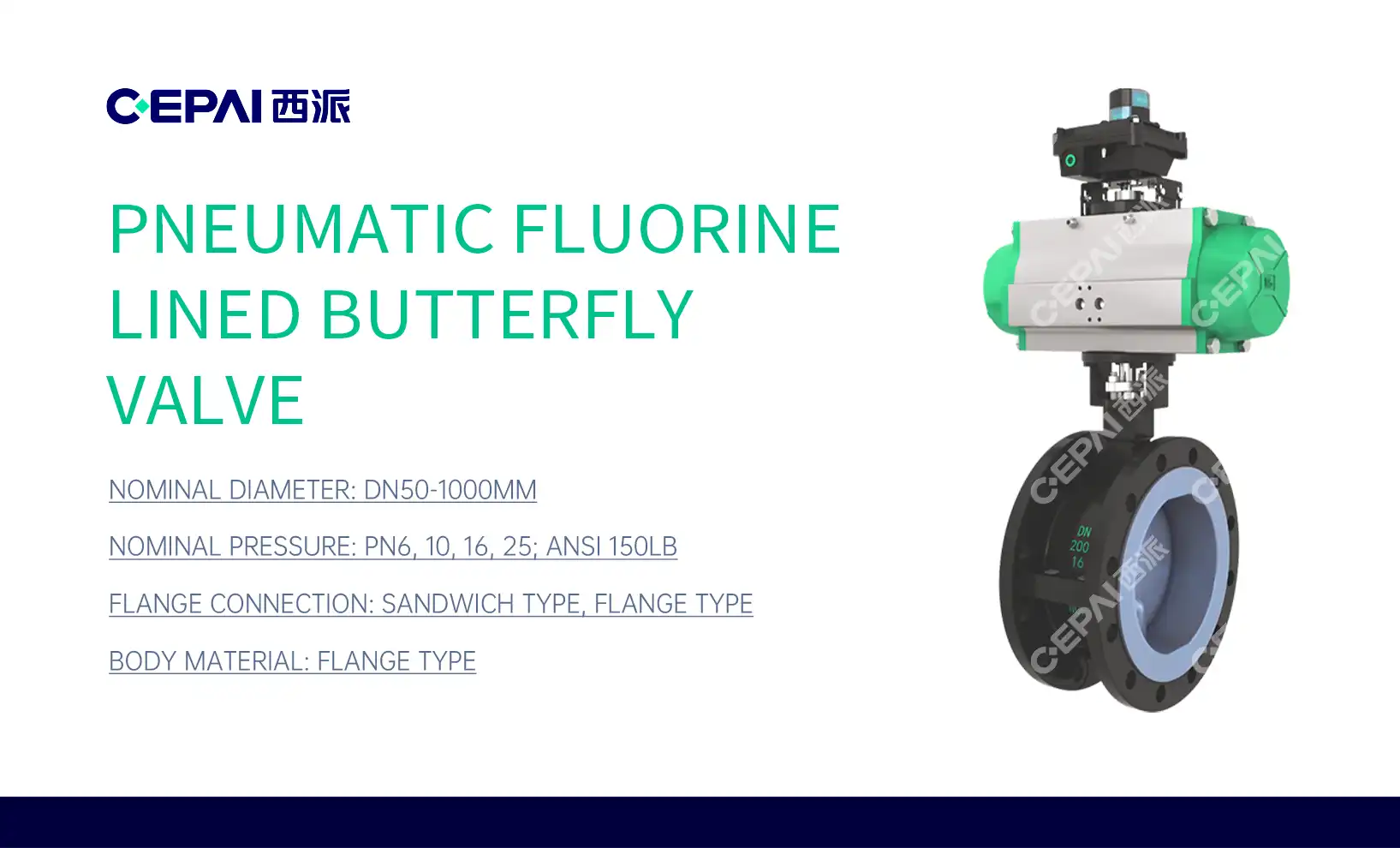
Why Your Butterfly Valve Won't Close: 4 Common Failure Fixes
You run a lot of practical risks when your butterfly valve doesn't close all the way. This includes fluid leakage, pressure loss, and possible safety dangers in industrial systems. By figuring out why closures fail in the first place, maintenance teams can fix the valves in a way that restores their performance and stops costly downtime. This detailed guide looks at four common ways that valves fail and gives useful tips for fixing them in places like drilling sites, pipeline systems, and processing plants where safe and efficient operation depends on valves closing properly.

Understanding the Butterfly Valve Closing Mechanism
Core Components and Their Sealing Functions
For a quarter-turn valve to work right, four important parts must precisely coordinate with each other so that the valve can close without leaking. The disc controls the flow because it can turn 90 degrees inside the valve body, going from fully open to completely closed. When the disc is lined up with the flow direction, it doesn't block the flow much, but when it's turned so that it's not in the flow path, it has to press against the seat to make a good seal.
The stem transfers spinning force from the actuator to the disc and keeps it in the right place during the close cycle. During use, this part is put under a lot of stress, especially in high-pressure situations like those found in oil and gas systems. The seat is the binding surface that connects to the disc edge. For normal use, seats are made of flexible materials like EPDM or PTFE, while for high-temperature service, they are made of metal-to-metal designs.
Valve Types and Closure Characteristics
Different valve designs have different closing performance traits that affect which uses they are best for. Wafer-style valves are small and can be installed between flanges. Lug-style valves, on the other hand, have threaded bolt holes that let them work in dead-end service without the need for downstream flange support. With a concentrative design, the disc shaft goes through the middle of the closing surface. This makes it a cheap option for general service uses.
The double eccentric and triple offset designs use advanced geometry that gets rid of friction during the close cycle. This makes the seals much more reliable in tough situations. These arrangements are especially useful in places with a lot of pressure, where regular concentric designs might have problems with seat wear or temperature expansion that makes the closing less reliable.
4 Common Reasons Why a Butterfly Valve Won't Close?
Debris Accumulation and Foreign Material Obstruction
Particulate matter is one of the main reasons why butterfly valve closing problems happen in industry settings. Around the disc's edge and seat area, sediment, scale, and process debris build up, stopping the disc from reaching its fully closed position. This problem is especially bad in places that clean water because dissolved solids can build up over time, and in places that work with chemicals because crystallization or polymerization can form hard deposits.
Pipelines that move crude oil or natural gas liquids often get wax and paraffin layers that make it hard for the discs to turn. These hydrocarbon-based buildups harden at lower temperatures, making mechanical blockages that need special cleaning methods to get rid of properly without hurting sealing surfaces.
Sealing Surface Wear and Damage
Continuous use in rough situations wears down both the disc sides and seat areas over time, making it harder for the valve to close all the way. Cavitation damage happens when differences in pressure cause air bubbles to fall against metal surfaces, eroding and making pits that break down the seal. Flows moving quickly with particles in them speed up this wear process. They have the most impact on the side of the disc that is further downstream, where turbulence concentrates erosive forces.
Corrosive media can damage elastomeric seats by attacking them chemically and making them grow, harden, or break down in a way that stops the disc from touching the seat properly. Cycling temperatures makes these effects worse by causing heat stress that causes sealing parts to crack or permanently change shape.
Stem and Disc Misalignment Issues
Wear and tear on the stem bushings and packing parts causes too much play, which makes it hard to place the disc precisely when the lid is closed. This mismatch keeps the disc edge and seat surface from touching evenly, which lets air leak out even when the actuator says it is fully closed. Installation mistakes, like using the wrong torque specs or not adjusting the stem properly, can cause misalignment from the start.
In high-temperature situations, thermal expansion can cause stem parts to stick together, which stops the disc from fully moving to the closed position. This effect happens when different materials grow at different rates, causing interference that stops the spin before it completely closes.
Actuator Malfunction and Control Problems
Pneumatic butterfly valve can lose air pressure or have an internal diaphragm fail, which lowers the force that can be used to close. Electric openers can have problems with their motors, their gear trains, or their limit switches, which stop the close cycle from finishing. People who use manual gears sometimes have problems with damaged gear teeth or worn stem nuts that cause too much working force.
Automated valves may not receive the right closing orders if there are problems with the control signals. These problems can include instrument air contamination or electrical interference. Valve positioner drift or calibration mistakes can show that the valve is closed when the disc is still only partly open, giving control systems false information.
How to Fix Your Butterfly Valve That Won't Close?
Cleaning and Debris Removal Procedures
To make sure it is safe to get to the inside of the valves, the system must be completely depressurized and isolated before cleaning can begin. Get rid of built-up junk by using the right solvents for the type of deposit: hydrocarbon solvents for wax and paraffin deposits, scale inhibitors for mineral buildup, or mechanical cleaning for materials that have become hard. When cleaning, don't use rough methods that could damage the sealing surfaces. This is especially important for soft-seated valves where the stability of the seat is key to the valve closing properly.
Set up regular cleaning routines that get rid of both obvious buildup and secret buildup in cracks around the hub and stem of the disc. High-pressure water jetting works well to get rid of tough deposits, but the pressure needs to be carefully controlled to keep the seats from getting damaged. Chemical cleaners should be safe for the materials used in the valves, and they should be cleaned well after use to get rid of any leftover dirt.
Seal Replacement and Material Selection
When replacing a butterfly valve seat, it's important to make sure that the new material is compatible with the working conditions, such as the temperature range, chemical exposure, and pressure needs. EPDM seats are very resistant to chemicals when used in water, while PTFE seats are more chemically compatible when used in strong media. Viton chairs can handle temperatures up to 400°F, which means they can be used with steam and thermal oil.
The best sealing performance from new seats for butterfly valve comes from using the right fitting methods. Check the proper seat position and compression during assembly. If there isn't enough compression, leak paths will form, and if there is too much compression, the parts will wear out faster than they should. When fitting new seats, make sure to replace the seat retainers and hardware to avoid problems with assembly that could make the closing less reliable.
Stem and Disc Realignment Methods
Precision alignment procedures put the disc back in the right place so that it can close properly. Use number markers to check the stem's straightness and find any bent parts that need to be replaced instead of fixed. Check the bearing spacing and repair any worn bushings that let the stem move too much while the machine is running.
Make sure the disc is in the right place on the stem by adjusting its position, especially after replacing the seal or working on the stem. Use the right torque values for disc-to-stem links to keep them from coming loose during use and to avoid overtightening, which could damage the parts. Before putting the valve back into service, make sure it rotates smoothly across its entire trip range.
Actuator Troubleshooting and Repair
Pressure testing is part of diagnosing a pneumatic actuator. It finds diaphragm leaks or problems with the air source that lower the force that can be used. Replace any diaphragms that are broken and make sure the air supply pressure meets the needs of the actuator for it to work reliably. Air filters that keep mechanical parts clean should be cleaned or replaced.
Electric actuator repair checks the performance of the motor, the wear on the gears, and the tuning of the limit switch to get the actuator working properly again. Check the electrical lines for rust or looseness that could cause control problems that come and go. Check the accuracy of the control signals and the positioner's calibration to make sure that the valve location data is correct.
Preventive Maintenance Tips to Avoid Valve Closure Problems
Routine Inspection Protocols
Scheduled inspections for butterfly valve keep small problems from getting worse and needing major fixes near the end of the project. By looking at the outside parts, you can find early warning signs of actuator issues, stem packing leaks, or body rust that could affect how well the valve works. Write down the working torque needs during normal operations so that you have a starting point for comparisons during future checks.
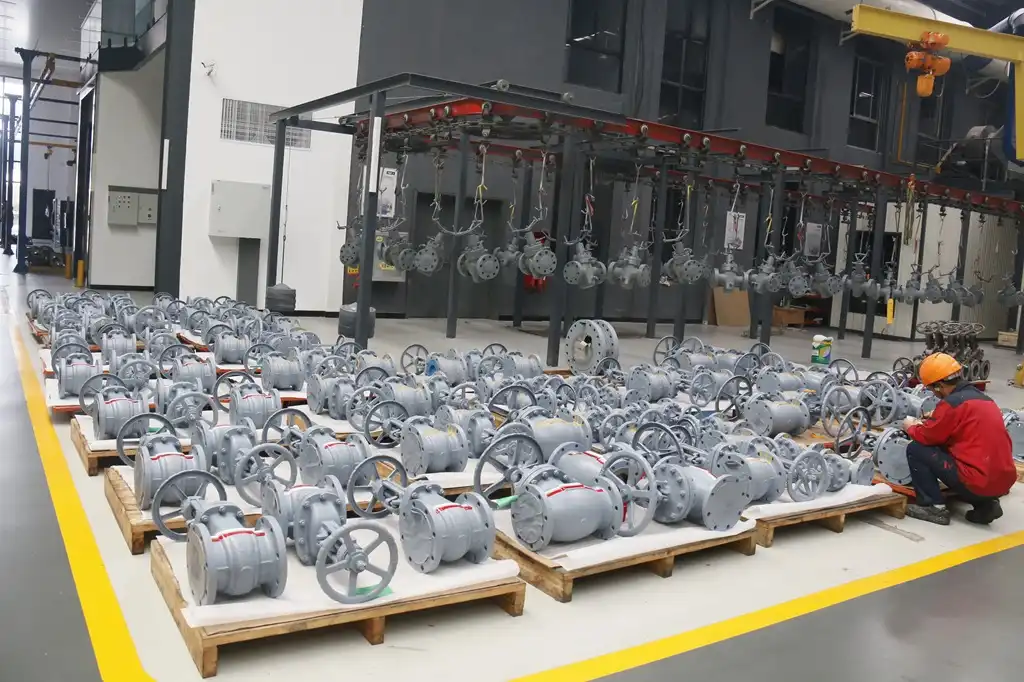
Using closure torque data to plot performance trends helps find signs of slow failure before they happen completely. Set review times based on the level of service. For example, important applications need to be checked more often than general service installations. Include cycling tests of the valves during regular repair breaks to make sure they can close all the way under controlled conditions.
Material Compatibility and Selection
If you choose the right materials, they won't break down too soon in harsh working circumstances. In chemical uses, stainless steel trim doesn't rust, and in slurry service, hardened surfaces don't wear down easily from abrasion. If your seals will be exposed to chemicals or temperatures that are too high for the normal materials, you might want to think about getting better seal materials.
Check out the external factors that affect the life of the valve, such as changes in temperature, UV exposure, and rust from the air. For outdoor projects that will be subject to extreme weather, choose coatings that protect or better materials. Check the material certificates to make sure they meet the needs of the product and the rules of the industry.
Installation Best Practices
The right way to place a valve sets the stage for consistent performance throughout its service life. Check the orientation and support of the pipeline to make sure the valve body doesn't deform, which could affect the disc closing. Make sure you use the right flange bolt pressure patterns to make sure that the seal is compressed evenly without putting stress on the body.
Before putting a new system into service, it should be tested in a planned way to make sure the closing works properly. Write down basic performance information, like working power, close time, and leakage rates, so you can compare them in the future. Give the operator training on how to do a manual override correctly and on the upkeep needs for the type of valve that was placed.
Conclusion
To correctly diagnose and fix butterfly valve closure issues, you need to carefully look at the performance of the actuator, mechanical parts, and sealing systems to find the root causes and come up with good answers. The four most common types of failure are debris buildup, sealing surface wear, stem misalignment, and actuator malfunction. Each one needs a different way to be fixed that gets to the root of the problem instead of just fixing the signs. Preventive maintenance plans that include regular inspections, choosing the right materials, and installing them correctly can greatly lower closing problems and increase the life of valves. By knowing how these failures happen and how to fix them, maintenance teams can get the valves working properly again and avoid costly system downtime in important industrial settings.
FAQ
How often should butterfly valves be inspected to prevent closure problems?
How often you inspect relies on the state of the service and how important the application is. For general service applications, visual checks are usually done every three months and performance tests are done once a year. For important safety service applications, inspections are done monthly and cycle tests are done every six months. If the service conditions are rough or corrosive, thorough checks may need to be done once a month to find wear before it causes problems with the closing.
When should valve seats be replaced versus repaired?
When sealing integrity is compromised by damage that can be seen, lasting warping, or chemical breakdown, a new seat has to be installed. Metal seats with small scratches can be carefully polished, but rubber seats need to be replaced when they get cuts, grow, or harden. If a seat has been pushed too far or shows signs of chemical damage, it should always be replaced.
What indicates actuator problems affecting valve closure?
Actuator performance is getting worse when the working torque goes up, the closure times aren't uniform, or the actuator doesn't reach the fully closed position. Pneumatic valves that have air leaks, less power output, or cycling issues need to be fixed right away. Electric actuators with motor overheating, strange noises, or position input mistakes need to be diagnosed so they don't break down completely.
Contact CEPAI for Professional Butterfly Valve Solutions
CEPAI offers advanced butterfly valve technology that is designed to provide more reliable closing in tough oil and gas uses. Our wide range of products includes API-certified valve solutions that are made to meet the strict needs of drilling operations, pipeline systems, and processing plants around the world. CEPAI has a lot of experience making wellhead equipment and pipeline valves, so they can come up with custom solutions that solve specific operating problems and guarantee reliable long-term performance. Our expert team can help you choose the best valve setups for your needs by giving you personalized engineering advice. They also offer full after-sales support and quick access to parts. Get in touch with our skilled engineers at cepai@cepai.com to talk about your butterfly valve needs and find out why top energy companies trust CEPAI as their preferred valve manufacturer and supplier.

References
American Petroleum Institute. "API Standard 609: Butterfly Valves - Double Flanged, Lug- and Wafer-Type." Eighth Edition, Washington, DC: API Publishing Services, 2019.
International Organization for Standardization. "ISO 5752: Metal Valves for Use in Flanged Pipe Systems - Face-to-face and Centre-to-centre Dimensions." Third Edition, Geneva: ISO Press, 2021.
Valve Manufacturers Association. "Butterfly Valve Maintenance and Troubleshooting Guidelines for Industrial Applications." Technical Bulletin VMA-TB-2020-03, Arlington, VA, 2020.
Chen, Robert K. "Failure Analysis and Preventive Maintenance of Industrial Quarter-Turn Valves." Journal of Process Equipment Reliability, Vol. 45, No. 3, pp. 127-145, 2022.
Thompson, Sarah M., and Davis, Michael L. "Sealing Technology Advances in High-Performance Butterfly Valve Design." International Valve Technology Conference Proceedings, Houston, TX, September 2021.
Engineering Equipment Institute. "Best Practices for Butterfly Valve Installation and Commissioning in Oil and Gas Applications." Technical Manual EEI-2022-BV, Calgary, AB: EEI Publications, 2022.
_1746598538016.webp)
Get professional pre-sales technical consultation and valve selection services, customized solution services.
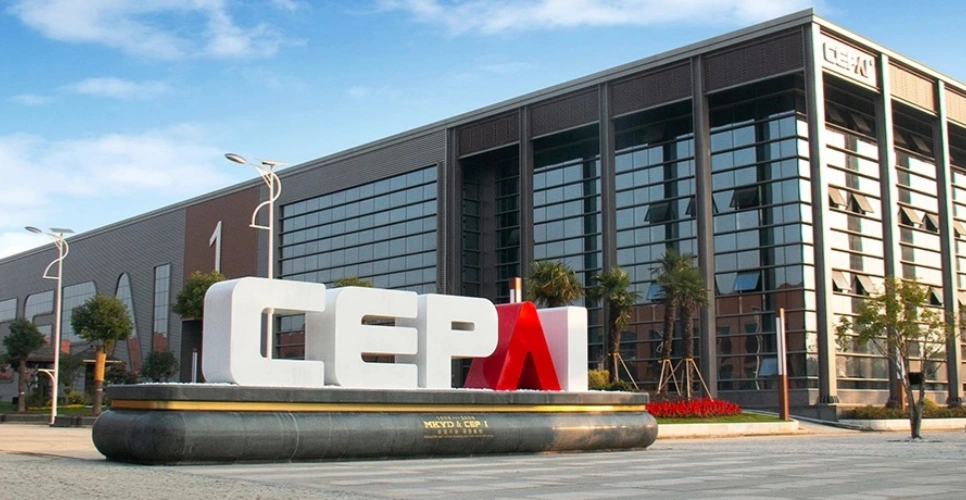
About CEPAI