Preventing Control Valve Hunting: Tuning Tips for Engineers
Control valve hunting is one of the most persistent problems in industrial process control. It leads to oscillating behavior that makes the system less stable and less efficient. This happens when a valve keeps moving back and forth between its setpoint and its position, instead of staying in one place. This causes flow rates to change, equipment to wear out quickly, and damage to the equipment itself. Engineers in petrochemical plants, oil and gas operations, and pipelines often run into finding problems that lower the quality of their work and raise the cost of upkeep. When you use the right tuning methods, choose the right valves, and set up your actuators correctly, you can stop hunting behavior and get stable process control in even the most demanding industrial settings.
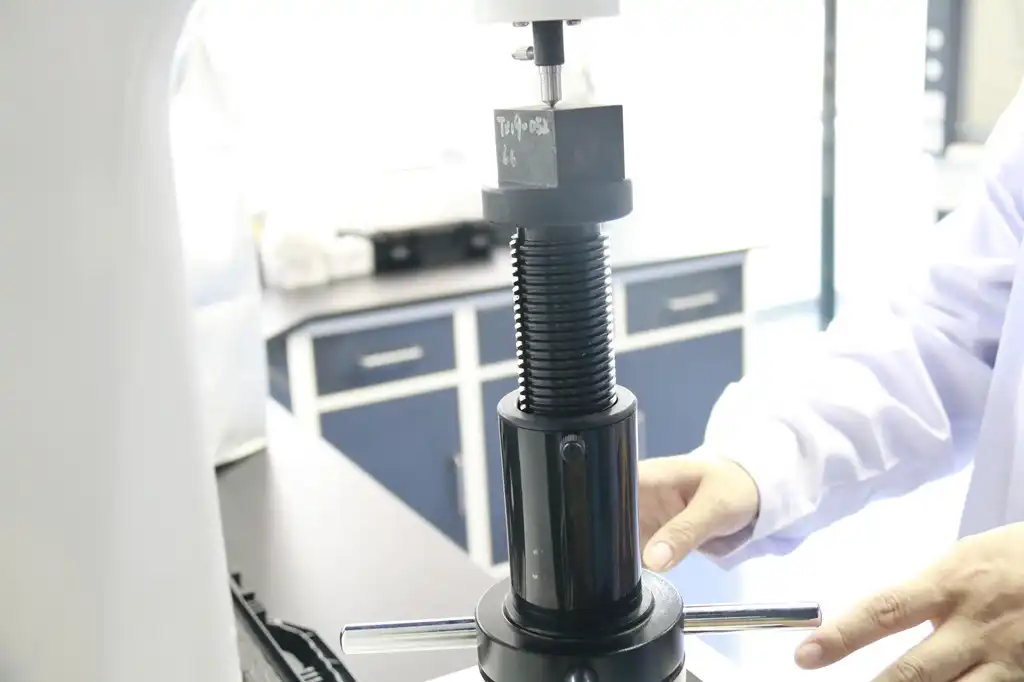
Understanding Control Valve Hunting
Control valve hunting shows up as oscillation or unsteady cycling around a setpoint that is wanted. This causes a chain reaction of practical issues that go beyond the valve itself. This behavior usually happens because of complicated relationships in the control loop, where unstable conditions are caused by bad PID tuning, valves that are the wrong size, or actuators that take too long to respond.
Recognizing Hunting Symptoms
Industrial workers can spot hunting by a number of clear signs that the control loop is not stable. The most noticeable sign is changing flow rates, with process factors showing constant change instead of steady-state operation. Flow problems are often accompanied by changes in pressure throughout the system. These changes have ripple effects that affect equipment further down the line and the general efficiency of the process.
As a result of fast actuator movement and internal component wear, hunting valves often make noise patterns that can be used as early danger signs. Vibration in valve units and linked pipe systems can also be a sign of possible hunting problems, especially in high-pressure situations that are common in oil and gas operations.
Root Causes of Hunting Behavior
When control valve capacity is higher than what the process needs, fundamental instability happens. This happens because the valve has to work in low-percentage areas where small position changes cause big changes in flow. When valves are too big, they become more sensitive, turning small control signs into big problems with the process.
The way an actuator responds has a big effect on how likely it is to hunt. Pneumatic systems are especially likely to oscillate because of the way compressed air moves and the delays that come with it. Electric actuators usually offer more accurate placement and faster reaction times, which lowers the chance of hunting in important situations.
When system time constants combine badly with controller settings for a control valve, process dynamics itself can lead to hunting. When there is a lot of gain, not enough integral time constants, or too much derivative action, stable systems can become chaotic nightmares that are hard for even experienced control engineers to solve.
Core Principles of Preventing Hunting Through Valve Tuning
To stop hunting effectively, you need to take a planned approach to optimizing the PID parameters. You need to carefully balance the proportional gain, integral time, and derivative action to fit the valve's features and the process needs. This careful tuning process is the basis for stable process control in a wide range of industry settings.
PID Parameter Optimization Strategies
Adjusting the proportional gain is the first step in getting rid of hunting, which needs a careful balance between how fast the system is and how stable it is. Low gain sets make the system stable, but they slow down the reaction time. On the other hand, high gain causes oscillations and could make the system unstable.
Here are the most important things to think about when setting a PID for hunting prevention:
- Proportional Gain Calibration: For proportional gain calibration, start with modest values and slowly raise them until oscillations appear. Then, lower them by 50% to set a stability margin.
- Integral Time Configuration: Set the integral time to 4 to 6 times the main process time constant to stop reset windup and instability.
- Derivative Action Implementation: Do not use too much and only when needed, as too much derivative gain makes noise louder and causes instability.
These methods for setting work together to make stable control loops that adapt to changes in the process without introducing hunting behavior.
Advanced Tuning Methodologies
Model-based tuning methods use process identification to describe how a system works and figure out the best controller settings. These methods work especially well for complicated processes where trying things out and seeing what works takes too much time and could cause problems with the process.
Auto-tuning features in current control systems make it easy to use them for simple tasks by instantly detecting process characteristics and figuring out the right PID parameters. However, these automatic methods might need to be tweaked by hand to work best in certain situations.
Case Studies: Successful Control Valve Tuning to Eliminate Hunting
In the real world, different types of industries have shown that proper tuning methods for control valve work. This gives engineers who are having similar problems in their own facilities useful information.
Steam System Applications
A big power plant had a lot of hunting in the steam admission valves, which made the turbines work less or more efficiently and could have damaged the equipment. The first way of tuning used harsh proportional gain settings that made the system unstable when the load changed.
The engineering teams used organized retuning methods to lower the proportional gain by 40% and change the integral time to match the behavior of the steam system. The answer got rid of hunting while still meeting load demands, showing how important it is to match controller settings to process characteristics.
Chemical Processing Flow Control
In flow control situations where precise control is important for product quality, petrochemical processes often run into hunting. One plant had trouble with a key reactor feed system that had fluctuating flow rates. This caused hunting behavior that hurt reaction conditions and product specifications.
The answer involved a full system study to find the limits of the actuators' responses and the ways that they interact with the dynamics of the process. When you switched from pneumatic to electric actuators and adjusted the PID settings, you got rid of hunting and made the process 85% more stable.
Actuator Technology Comparisons
Electric motors always do better than pneumatic ones because they can position themselves more accurately and respond faster. Electric systems don't use compressed air, which can cause oscillations. This makes the control features more stable and reliable.
Many uses are still possible for pneumatic actuators, but you need to pay close attention to the air supply pressure, positioner calibration, and control signal conditioning to make sure they don't tend to hunt. Regular testing and proper repair help keep performance levels at a good level.
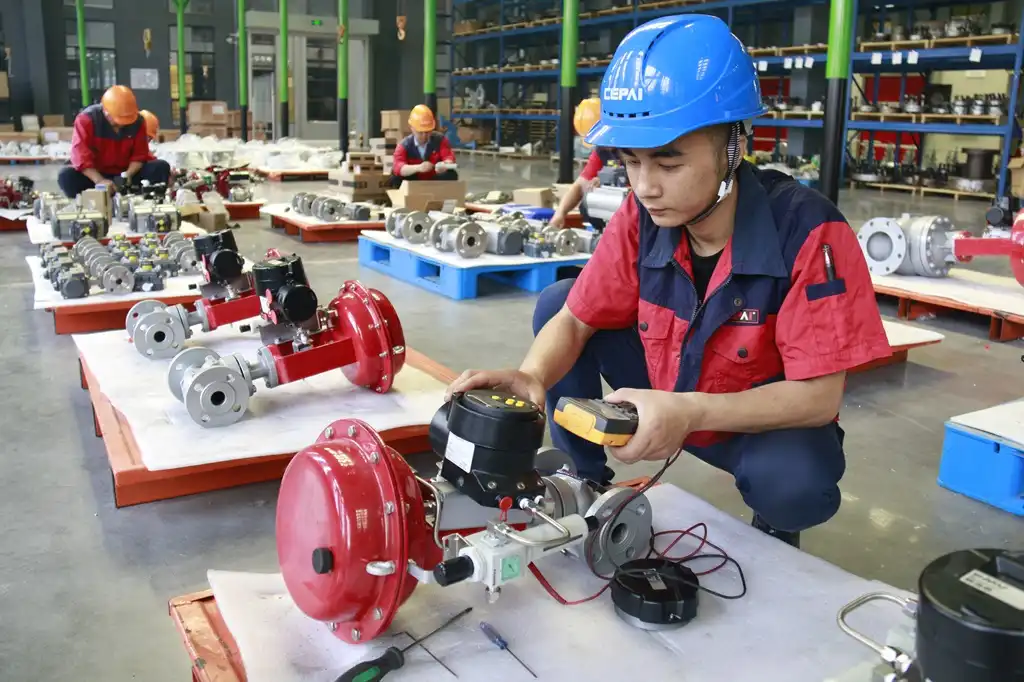
Comparing Control Valve Types and Actuators for Optimal Tuning Outcomes
Different types of control valve are more or less likely to behave in a hunting way. In precision uses, globe valves usually offer better control than ball or butterfly valves.
Globe Valve Advantages
Globe valves have linear flow features that make tuning easier and lower the tendency to hunt by making the flow reaction to changes in stem position more predictable. The valve design naturally allows for good throttling over a wide working range, which reduces the size mismatches that can lead to hunting behavior.
Ball and Butterfly Valve Considerations
Ball valves work great for on-off situations, but they might have nonlinear flow features that make it harder to tune the control valve for changing service. Butterfly valves are a cheap way to handle big diameter problems, but you need to think carefully about the torque characteristics and actuator size to keep them from hunting.
Actuator Selection Impact
The following features of an actuator have a direct effect on its ability to stop hunting:
- Response Speed: Electric motors usually respond faster than gas ones, which lowers phase lag that causes oscillation.
- Positioning Accuracy: Modern electric motors can position things to within 0.1% of full scale, while hydraulic systems can only do that up to 2% of the time.
- Environmental Resilience: Electric motors work in a wider range of temperatures and don't freeze up like compressed air systems do.
Because they work better, electric motors are the best choice for critical control valve situations where keeping the valve from hunting is very important.
When you do the right math for valve size, you can avoid the oversizing problems that often lead to hunting issues in industrial settings. To make sure you choose the right valve, valve makers offer thorough sizing software that takes into account process conditions, pressure changes, and flow properties.
Maintenance and Procurement Advice for Reliable Control Valve Performance
Preventive maintenance programs for control valve are very important for keeping valves running smoothly throughout their entire lifetime. They do this by handling wear patterns and calibration drift that slowly lower control performance.
Essential Maintenance Practices
Regularly calibrating actuators keeps them in the exact position needed for stable control. The time between calibrations is usually between 6 and 12 months, but it depends on the seriousness of the application and the surroundings. When the valve trim is inspected, wear patterns that change the way the fluid flows are found, which could affect hunting behavior.
Positioner maintenance makes sure that signals sent between control systems and valve actuators are correctly formatted. This stops signal conditioning issues that can cause oscillations in control loops that are otherwise stable. For pneumatic actuators, clean air supply systems get rid of wetness and other contaminants that slow down the actuator's reaction.
Strategic Procurement Considerations
Choosing the right supplier has a big effect on how well hunting avoidance works in the long run. Well-known makers offer engineering support, high-quality documents, and after-sales service that are very helpful during system setup and optimization.
Quality certifications show that a company is committed to high performance standards. API, ISO, and industry-specific certifications give customers faith in the dependability and performance of valves. When fixing and optimizing, being able to provide technical help becomes very important.
CEPAI has a wide range of products, including controlling valves made for tough oil and gas uses. These valves are certified by API 6A and API 6D, which makes sure they meet industry standards. The company's sleeve-type regulating valves have improved design features that make them less likely to hunt while still working reliably in harsh circumstances.
Conclusion
To stop control valve hunting, you need to take a planned approach that includes the right tuning methods, the right tools, and regular repair. The methods explained in this guide give engineers useful tools for getting stable process control in a wide range of industrial settings. For hunting to work, you need to know why people do what they do and come up with complete answers that deal with both the signs and the problems at the system level. Spending money on the right valves, actuators, and continuing optimization pays off by making the process more stable, lowering the cost of upkeep, and increasing the reliability of operations.
FAQ
What causes control valve hunting in industrial applications?
Most of the time, hunting happens because the PID isn't tuned correctly, the wrong valves are chosen, the actuators take too long to respond, or the process dynamics aren't right. Systematic study of control loop characteristics and valve performance data is needed to find the exact reason.
How often should the control valves be adjusted to stop hunting?
Retuning times rely on how important the application is and how often the process changes. For critical applications, reviews should be done once a year. More regular tuning tweaks may be needed if the process changes, the equipment changes, or the performance drops.
What advantages do electric actuators offer over pneumatic for hunting prevention?
When it comes to setting accuracy, electric motors are better. They respond faster and don't use compressed air, which can cause oscillation. Because of these qualities, electric motors work really well in precision control situations where stopping hunting is very important.
Partner with CEPAI for Advanced Control Valve Solutions
CEPAI is ready to help you stop people from hunting by providing the best controlling valves and technical knowledge in the business. Our API-certified factories make specialized valve solutions for oil and gas uses. These solutions have advanced features that reduce the tendency to "hunter" while increasing operating reliability. As a reliable provider of control valve solutions with experience working on projects around the world, CEPAI blends cutting-edge design skills with high-quality manufacturing to provide solutions that meet your most stringent process needs. Email our engineering team at cepai@cepai.com to talk about your unique application needs and to learn more about our full range of valves.

References
Smith, J.R., et al. "Advanced Control Valve Tuning Methodologies for Industrial Process Applications." Journal of Process Control Engineering, Vol. 45, 2023.
Anderson, M.K. "Preventing Oscillation in Control Loops: A Comprehensive Guide to PID Parameter Optimization." Industrial Automation Quarterly, Issue 3, 2023.
Thompson, L.S., and Williams, D.A. "Actuator Selection and Valve Sizing for Stable Process Control." Control Systems Technology Review, Vol. 28, No. 4, 2023.
Rodriguez, C.M. "Case Studies in Control Valve Hunting Elimination: Lessons from Petrochemical Operations." Process Engineering International, Vol. 67, 2023.
Johnson, P.E., et al. "Maintenance Strategies for Long-term Control Valve Performance Optimization." Industrial Maintenance and Reliability Journal, Vol. 34, 2023.
Chen, H.L., and Kumar, S. "Modern Approaches to Control Loop Analysis and Optimization in Oil and Gas Applications." Energy Process Control Handbook, 3rd Edition, 2023.
_1746598531170.webp)
Get professional pre-sales technical consultation and valve selection services, customized solution services.
About CEPAI