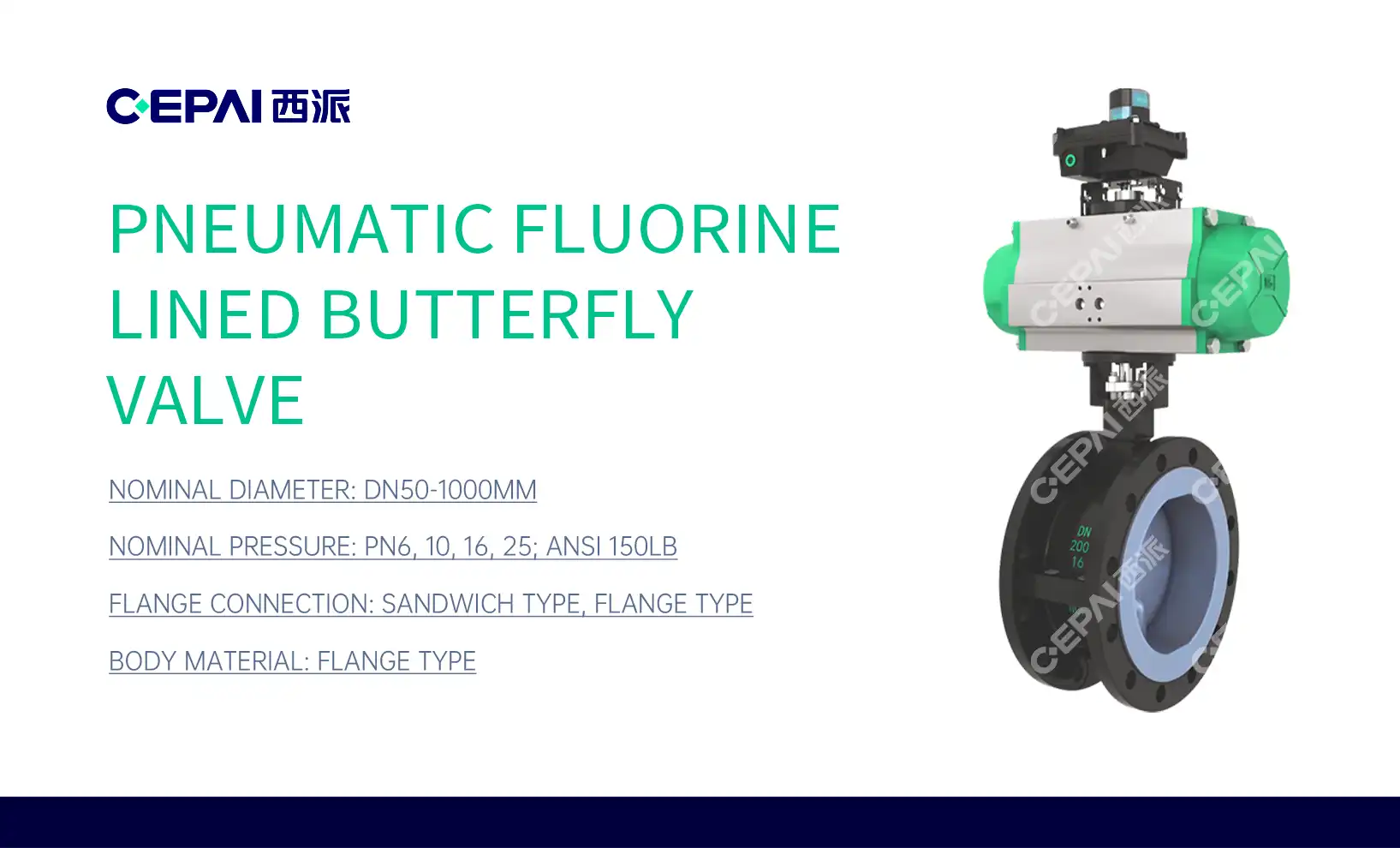
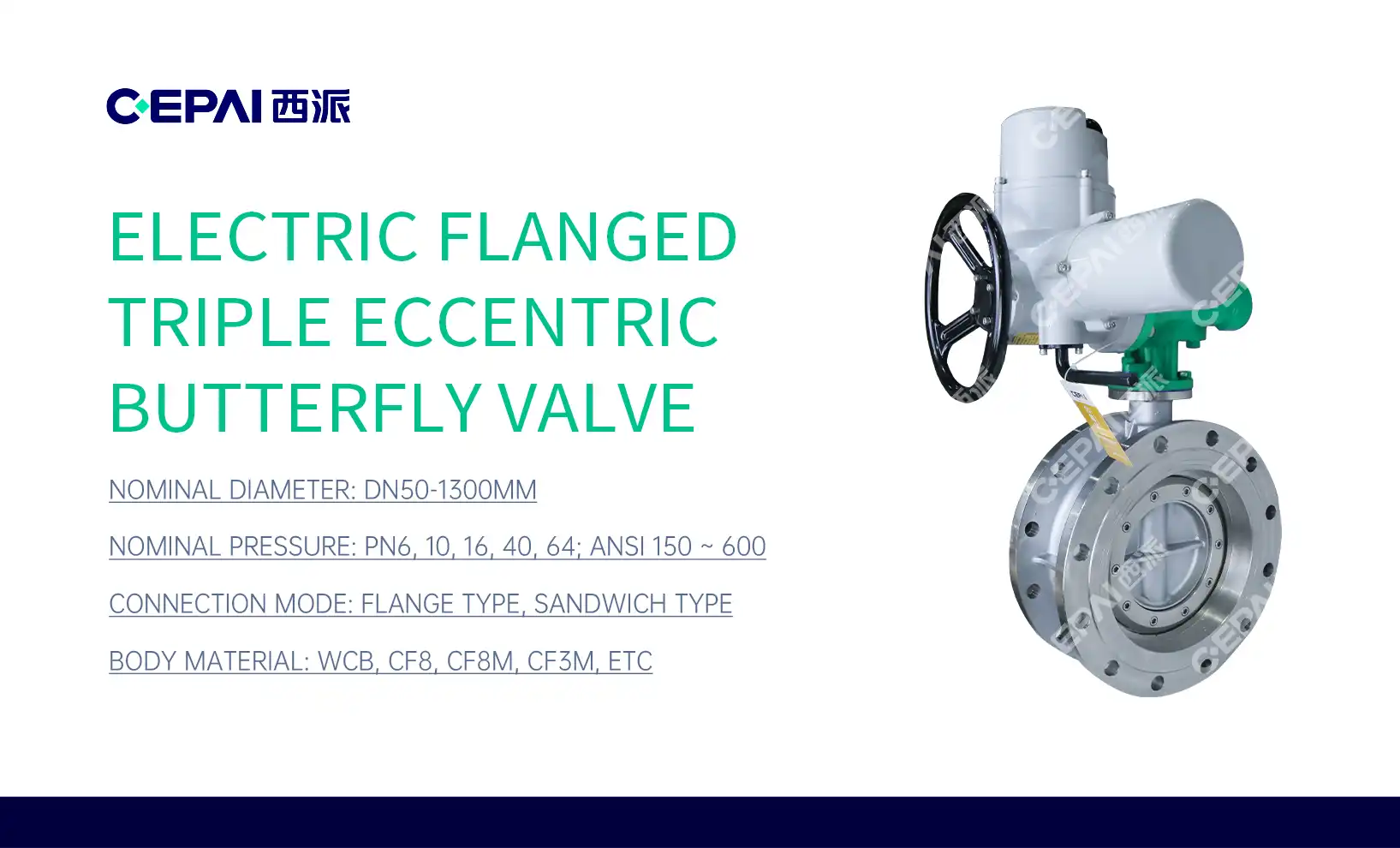
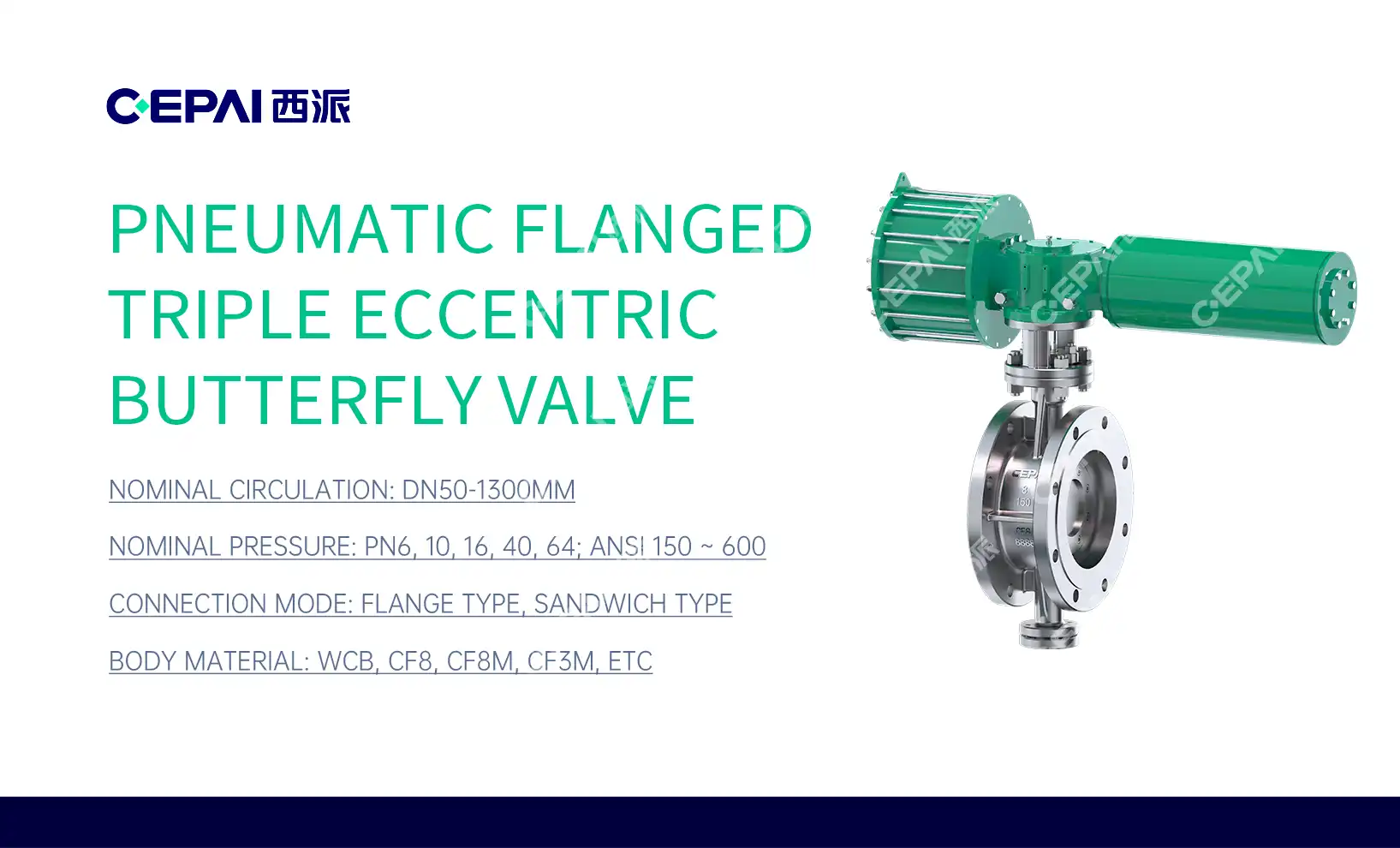
Why ISO 5211 Mounting Saves Time During Field Replacement
When operations in the field need to quickly change valve actuators, the ISO 5211 valve mounting standard saves time by getting rid of the need to guess about compatibility and make special parts. This standard, which is known around the world, sets uniform mounting pad sizes and drive stem geometries. This lets drilling engineers and maintenance teams switch actuators from one maker to another without having to change the flanges or machine adapters on-site. By standardizing the interface between valve bodies and automation equipment, ISO 5211 cuts installation time by about 40–60% compared to proprietary mounting systems. This is a huge benefit in oil and gas operations, where every hour of downtime affects safety protocols and production goals.

Understanding ISO 5211 Valve Mounting Standard
The ISO 5211 guideline is a big step forward in automating industrial valves because it sets standard dimensions for the mechanical contact between actuators and valves. This standard, which was made by the International Organization for Standardization, gives exact sizes for mounting pads, bolt hole patterns, and drive shaft setups so that equipment from different makers can work together without any problems.
Core Specifications and Dimensional Framework
At its core, the standard divides mounting surfaces into groups using "F" numbers: F03, F04, F05, F07, F10, F12, F14, and F16 (ISO 5211 valve). Each group has a different set of pitch circle sizes and bolt hole arrangements. A standard F05 mounting pad has a 70mm pitch circle diameter and four M8 threaded holes spaced at 90-degree intervals. Larger F10 setups can fit heavier-duty motors and have 125mm pitch circles and strong fixing points to match. The drive stem shape has to meet the same strict requirements. It usually has square or double-D profiles that are made to h11 tolerance class. This makes sure that the valve stem and actuator connection contact with no play.
Compatibility Across Valve Types
This standardization includes ball valves, butterfly valves, plug valves, and special control valves that are used in both upstream and downstream processes. If a Houston company that makes ball valves cuts an F07 mounting pad according to ISO 5211, that valve can use gas actuators from Germany, electric actuators from Asia, or hydraulic units from the United States without any other changes. This interchangeability is especially helpful in rural digging sites where the ability to quickly get different pieces of equipment affects the completion date of the project.
ISO 5211 makes things clear, which gets rid of confusion during the buying process. Wellhead experts can describe mounting needs using standard language that all sellers around the world can understand. This cuts down on misunderstandings and costly specification mistakes. Pipeline integrity teams keep extra actuators on hand because they know they'll fit existing valve infrastructure no matter who made the original equipment. This is a practical benefit that makes managing inventory and emergency reaction plans much easier.
Challenges of Non-Standard Valve Mounting in Field Replacements
Before standard mounting connectors were widely used, the oil and gas business had a lot of problems with inefficient operations caused by different valve-actuator connections. Each maker made their own flange patterns, bolt configurations, and drive shaft geometries. This made the scenery of equipment very fragmented, which made upkeep more difficult and raised the cost of ownership over time.
Installation Complexities and Extended Downtime
Because of differences in size between valve tops and actuator bases, often due to non-ISO 5211 valve interfaces, custom adapter plates often need to be made for fitting methods that aren't standard. A downstream pipeline user who needs to replace a broken actuator on a non-compliant valve might have to wait days for a fabrication shop to measure, create, and make a custom mounting bracket. During this time, the pipeline part in question is not working. Field workers sometimes have to drill holes because bolt holes don't line up, which can contaminate process fluids or break pressure limits. When there are differences in dimensions, what should be an easy swap turns into a complicated engineering job that takes a lot of time and special tools.
Financial and Operational Consequences
A 2019 study on pipeline repair found that non-standard valve replacements caused 18–24 hours of downtime on average, while standard installs only caused 4–6 hours of downtime. A refinery on the Gulf Coast said it lost about $47,000 in production and had to pay extra workers to change an emergency valve that had to be custom made because the mounting connectors didn't work together. When temporary fixes are used instead of proper repairs, these delays have effects that go beyond just the cost of new parts. Production plans slip, delivery promises made in contracts are put at risk, and safety risks rise.
Maintenance managers at petroleum plants talk about how hard it is to keep track of all the different actuators and mounting gear made by different companies. Without interchangeability, each type of valve needs its own set of spare parts, which increases the need for store space and wastes money on unnecessary stock. When something unexpected goes wrong, procurement teams have to rush to get unique parts from only a few providers. They often have to pay more to get them faster and wait longer, which causes more problems with operations.
How ISO 5211 Mounting Saves Time During Field Replacement
When the ISO 5211 standard is adopted, replacing valve actuators goes from being a difficult design task to a simple plug-and-play process. The standard mounting flange interface makes a connection point that field workers can use with any equipment, no matter what brand or model it is. This saves a lot of time during both planned maintenance and emergency fixes.
Standardized Installation Process
The first step in replacing an actuator is to remove it. To do this, techs just need to loosen the four or eight bolts that hold it to the valve's top mounting pad. Because ISO 5211 defines accurate bolt circle diameters and hole positions, wrenches and socket sizes stay the same from installation to installation. This takes away any uncertainty about which tools to use. The drive coupling easily separates from the valve stem's standard square or double-D shape, and it doesn't need any special extraction tools or heating steps that are common with press-fit connections.
There is an equally simple way to install the new actuator. Technicians use the precision-machined guide ring to line up the base flange of the actuator with the mounting pad of the valve. This is required by ISO 5211 valve and makes sure that the alignment is correct within 0.1mm. As the actuator drops into place, the drive coupling automatically engages the valve stem. Its standard shape ensures that the valve stem is rotated in the right direction. Technicians tighten the mounting bolts to the manufacturer's specs. Depending on the size and usability of the actuator, the mechanical installation can be finished in 15 to 30 minutes on average.
Comparative Performance Data
A study of drilling operations in twelve wellhead sites in the Permian Basin found that both ISO 5211-compliant and older valve systems needed to be replaced at different times. ISO-standardized replacements took an average of 4.2 hours to go from being turned off to being active again, while non-compliant systems took 16.8 hours. This is a 75% decrease that can be attributed only to standardizing the mounting interface. The study took into account things like valve size and location ease, focusing on the time saves that come from being able to use any mounting system.
Wellhead equipment experts say that standardization gets rid of the need for the pre-installation technical study that was once needed to make sure that the actuators would work together. Instead of looking at many technical drawings, measuring current interfaces, and double-checking drive shaft measurements, techs only need to match the F-designation on the valve body with the actuator specification that goes with it. This cuts down on preparation work is especially helpful when working on an offshore platform because weather windows limit the time that can be used for installation and the cost of chopper transport means that trips aren't always necessary to get missed adapters or wrong parts.
Comparing ISO 5211 Valve Actuators and Mounting Solutions
There are many actuator technologies on the market, all of which are based on ISO 5211 mounting standards. However, different operational traits affect which one is chosen for different oil and gas activities.
Pneumatic versus Electric Actuators
When it comes to explosion-proof standards and fundamental safety approvals, pneumatic actuators are the most common type of equipment used in hazardous areas. These air-powered units have a lot of torque for how heavy they are. This makes them perfect for large-bore ball valves in wellhead systems, where limited room and structural load limits make engineering difficult. The ISO 5211 valve mounting interface can hold a wide range of pneumatic actuators, from small quarter-turn units that can produce 50 Nm of torque to large rack-and-pinion designs that can produce 40,000 Nm of torque for pipeline block valves.
Electric actuators are useful in situations where exact placement and online tracking are needed. Electric types with multiple turns and ISO 5211 mounting adapters are used for gate valves and globe valves in refinery process control systems that use 4-20mA analog signals to connect to distributed control systems. The standard mounting takes away any worries about mechanical compatibility. This means that plant engineers can choose based on torque values, job cycles, and communication protocol support instead of how well the parts fit together physically.
Leading Manufacturer Solutions
Rotork has a big position in the market thanks to its IQ and AQ series electric actuators that come with ISO 5211 mounting plates already installed. Assembling these units in the field is less likely to go wrong because the mounting hardware is already put together when they are shipped. Emerson's Bettis pneumatic actuators have dual-drilled mounting pads that can fit both F05 and F07 designs. This gives installers more options when valve specs are slightly different.
In order to meet the strict performance requirements of drilling and production processes, CEPAI has created valve solutions that work perfectly with ISO 5211 actuator standards. Our regulation and throttle valves have precisely machined mounting pads that meet ISO 5211 dimensional standards. This makes them compatible with actuator providers around the world and gives them the pressure ratings and flow control accuracy needed in tough field situations.
Procurement Best Practices for ISO 5211 Valves and Actuators
To get the most out of the working benefits of ISO 5211 standardization, you need to pay attention to more than just basic dimensional compliance when choosing providers and tools.
Supplier Evaluation Criteria
Quality approvals are very important for making sure that the manufacturing is precise and that the measurements are correct. Suppliers with API 6A certification for wellhead equipment show that they follow tolerance standards that go along with ISO 5211 requirements. This makes sure that mounting pads keep their shape even when they are under working loads and going through thermal cycles. While nominal ISO 5211 compliance is shown, ISO 9001 certification shows that there are regular quality control methods in place that keep batch-to-batch differences in size to a minimum.

Technical help is what sets providers who only make compliant parts apart from partners who improve business success. Check to see if providers offer help with calculating torque, making sure actuators are the right size, and giving advice on material compatibility for certain process circumstances. Quickly answering installation questions in the field by experienced expert staff cuts down on downtime when unexpected compatibility issues come up, even when interfaces are standard.
Strategic Procurement Approaches
Standardization under ISO 5211 makes methods for buying in bulk more valuable. When pipeline owners buy a lot of standard actuators, they can get better prices because they know that these units will fit valve systems in many facilities and projects. Instead of keeping stock of manufacturer-specific parts that can't be used in other situations, this method lowers the cost per unit while building a smart store that can be used in a variety of situations.
For specific uses where standard designs need to be changed, custom fixing plates are still available. In places with a lot of shaking, mounting plates that are stronger and have more screw holes can help. In places where corrosion is a problem, better materials like super duplex stainless steel may be needed. Reliable providers offer these changes while still following ISO 5211 dimensions, which keeps the benefits of interchangeability.
CEPAI has a lot of production skills that allow them to make both standard and custom ISO 5211 valve options. Our API Q1, API 6A, and API 6D certifications show that we are dedicated to high uniformity and accurate measurements. We offer full technical consulting services to help procurement managers and drilling engineers choose the best valve-actuator pairs for their operations. This is backed up by global technical support and fast delivery options that keep project delays to a minimum.
Conclusion
The ISO 5211 valve mounting standard gives the valve real operating benefits from the time it is first installed until it is replaced after decades of service in the field. By setting global size standards for valve-actuator interfaces, this specification gets rid of the compatibility doubts that used to make upkeep work harder and raise the cost of ownership over time. When drilling operations, pipeline facilities, and petroleum plants use equipment that fits these standard mounting requirements, they get real benefits like less downtime, easier inventory management, and more options for where to get parts. When procurement professionals make long-term choices about valve infrastructure, they should make ISO 5211 compliance a top priority. This is because it protects long-term operating efficiency and cost control.
FAQ
1. Can ISO 5211 mounting accommodate different actuator brands on the same valve?
Standardized dimensions make it possible for products from different manufacturers to work together. Any actuator made to F07 standards can be used with a valve that has an F07 fixing pad, no matter if it comes from a company in Europe, Asia, or North America. The common bolt patterns and drive shaft shapes make sure that the parts fit mechanically, but practical factors like torque ratings and control signal compatibility need to be checked separately.
2. Is retrofitting existing non-compliant valves to ISO 5211 standards feasible?
Retrofitting options rely on how the valve is built and how much mounting room is available. Some valve bodies can have ISO 5211 fixing pads added during cutting if there is enough material around the stem. You can also use adapter plates to connect non-standard valve heads to ISO 5211 actuator bases, but this method doesn't completely eliminate the benefits of standardization. Instead of spending money on complicated retrofits, economic analysis usually suggests changing old valves that don't meet standards with new ones that meet ISO 5211 standards during planned repair windows.
3. How do torque specifications interact with ISO 5211 mounting standards?
The mechanical mounting interface is described in ISO 5211, but the working torque needs are not. These depend on the size of the valve, the pressure class, and the service conditions. For each F-designation, there is a maximum transmissible torque value that the actuator pick must follow to keep the stem from getting damaged. Manufacturers of valves give procurement teams specific torque data that they have to match up with the capabilities of the actuator. This is done to make sure that the actuator provides enough force for the valve to work reliably without going over the mechanical limits of the mounting interface.
Partner with CEPAI for Reliable ISO 5211 Valve Solutions
CEPAI has been making oil and gas valves for decades and has a lot of specialized technical knowledge. They combine ISO 5211 standards with the tough performance features that upstream and midstream businesses need. We are an ISO 5211 valve seller with full certifications that include API 6A, API 6D, ISO 9001, and ISO 14001, and we offer wellhead valves, throttle valves, and control valves that are designed to work seamlessly with actuators and be reliable in the field for a long time. Our expert team helps with everything, from reviewing the initial specifications to providing installation instructions, to make sure that your valve control systems work perfectly and are compatible with other systems. Email our engineering team at cepai@cepai.com to talk about your unique application needs and find out how our ISO 5211-compliant valve solutions can help you run your business more efficiently while lowering the costs over its lifetime.

References
1. International Organization for Standardization. (2010). Industrial valves — Multi-turn valve actuator attachments (ISO 5211:2001). Geneva: ISO Standards Publication.
2. American Petroleum Institute. (2018). Specification for Wellhead and Christmas Tree Equipment (API Specification 6A, 20th Edition). Washington, D.C.: API Publishing Services.
3. Hutchinson, M. & Richardson, P. (2019). Standardization Benefits in Pipeline Valve Automation: A Comparative Cost Analysis. Journal of Pipeline Engineering, 18(3), 147-162.
4. Valve Manufacturers Association of America. (2020). Technical Guide to Actuator Mounting Standards and Field Installation Best Practices. Washington, D.C.: VMA Technical Publications.
5. Energy Institute. (2021). Valve Actuation in Upstream Oil and Gas Operations: Reliability and Maintenance Strategies. London: EI Technical Reports Series.
6. Thompson, R., Chen, W., & Abdullah, K. (2022). Interoperability and Lifecycle Cost Reduction Through Standardized Valve Interfaces in Petrochemical Facilities. Process Safety and Environmental Protection, 159, 892-904.
_1746598525968.webp)
Get professional pre-sales technical consultation and valve selection services, customized solution services.

About CEPAI