Reducing Total Cost of Ownership (TCO) in Valve Procurement
Not just the original purchase price is what we mean when we talk about lowering the Total Cost of Ownership in valve buying. The industrial valve market needs a full understanding of lifetime economics, from buying the valves up front to installing them, keeping them in good shape, figuring out how much energy they use, figuring out how long they last, and finally replacing them. Smart buying teams know that a ball valve or gate valve that seems cheap at first can end up being very expensive if it fails too soon, needs too much upkeep, or doesn't work with other systems. By looking at the full financial picture over the life of a valve, businesses can make smart choices that cut costs by a huge amount while also making the valve more reliable and better at its job in tough situations.

Understanding the Factors Influencing TCO in Industrial Valve Procurement
The Real Cost Beyond the Price Tag
People who make purchasing choices often focus on the beginning cost of the item, but this is only a small part of what they'll actually spend. The total amount you have to spend includes the cost of installation, the training needed for support staff, the collection of spare parts, and the difficulties of integrating the system. We've observed drilling operations where a cheaper wellhead assembly needed special tools and took longer to install, which made it cost 40% more than a properly described option. In practice, lifecycle costs usually go over the purchase price by three to seven times, though this depends on the severity of the application and the working setting.
How Valve Design Impacts Long-Term Expenses
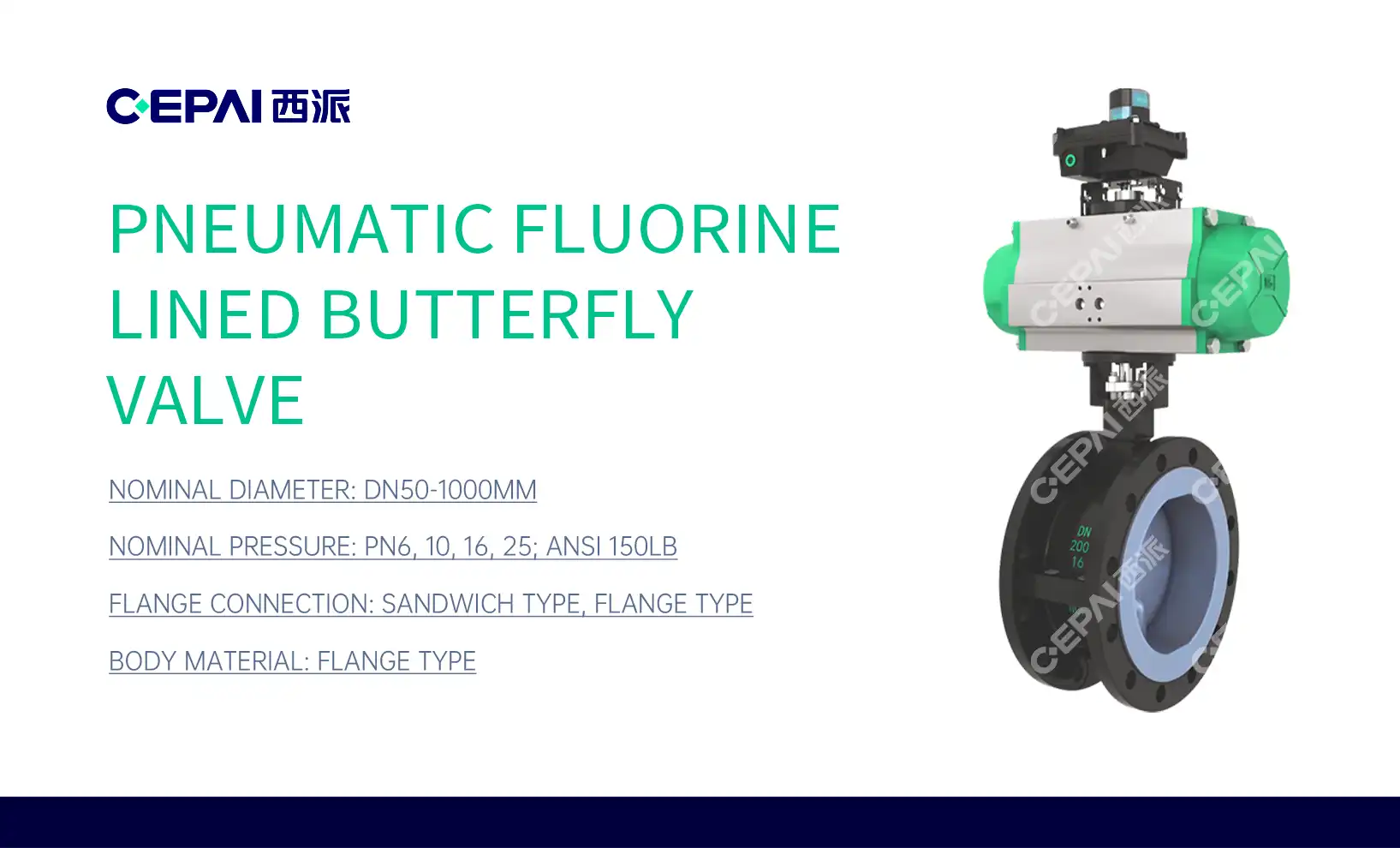
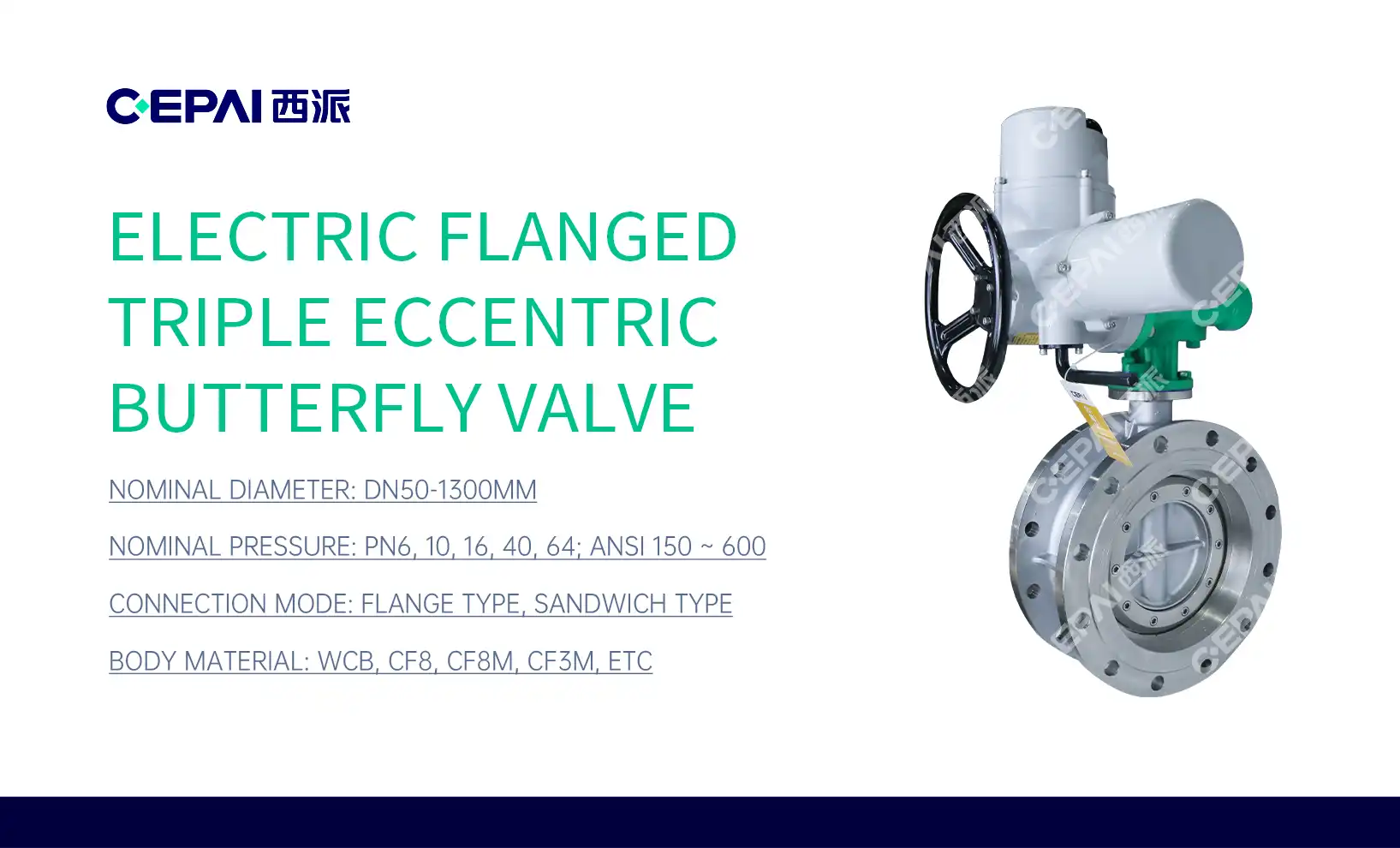
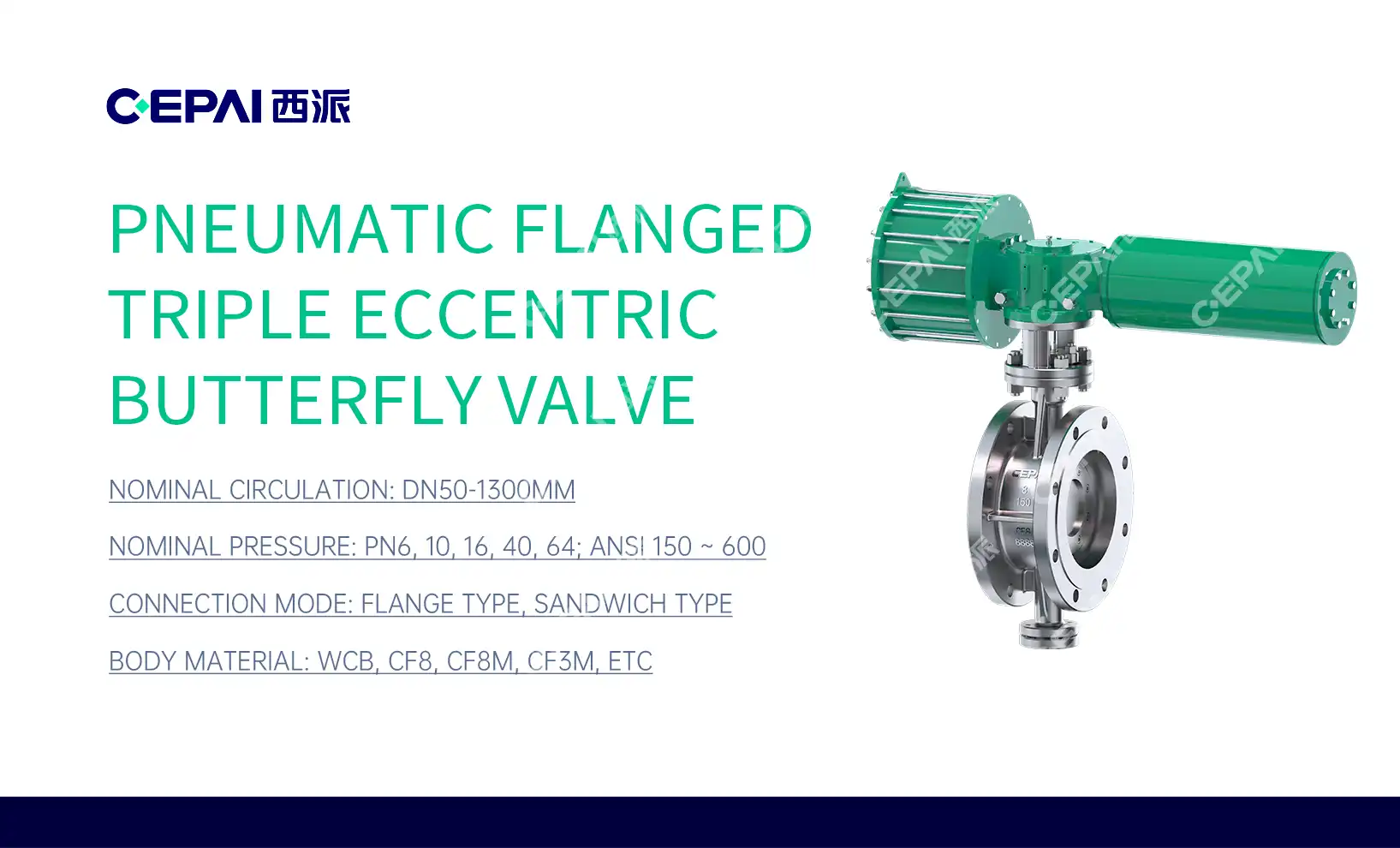
During their working life, different industrial valve designs have different effects on the economy. Despite having higher starting costs, ball valves are a cost-effective way to isolate systems because they shut off well and don't need much upkeep. Gate valves let flow go through without any problems, but they need to be serviced more often in high-cycle situations. Butterfly valves save room and weight and are cheaper to install, but you may need to replace the actuator for high-pressure use. Control valves and regulating valves are the most complicated type. The exact size and trim choice affects how much energy is used, how stable the process is, and how often upkeep needs to be done. The choice of material is also very important. For example, building with stainless steel costs more up front, but it greatly lowers breakdowns caused by corrosion in sour gas or chemical service.
Certification Standards as Risk Mitigation Tools
Certifications in the industry, such as API 6A, API 6D, ISO 15848, and ANSI standards, are more than just legal boxes to be checked. These systems make sure that the design is correct, that materials can be tracked, and that the performance is checked. This directly leads to lower failure rates and longer service times. By switching to API 6D-certified pipeline valves with recorded pressure testing and quality assurance processes, pipeline operators have been able to cut down on unplanned shutdowns by 60%. Documenting compliance also makes it easier to negotiate insurance policies and pass regulatory checks. This cuts down on administrative work and protects against liability claims arising from equipment breakdowns.
Identifying and Addressing Common Challenges That Inflate TCO
The Hidden Costs of Valve Leakage
When valve stems and seats leak, they release pollution that cause multiple costs that add up over time. In addition to losing valuable fuels or process fluids, companies also have to deal with environmental fines, higher costs to keep the system pressure, and safety risks that need more attention. In overseas production, a single leaking choke valve can waste thousands of dollars a month in lost product and make it harder to check and keep records. When compared to older designs, modern stem sealing technologies and live-loaded packing systems cut loss rates by 95%, and in most cases, they pay for themselves in less than 18 months.
Corrosion and Material Degradation
Corrosive conditions speed up the wear and tear on industrial valve units, which leads to repairs too soon and blows up maintenance budgets. When working with sour gas, handling created water, or chemicals, the inside of valves are exposed to harsh media that wear down normal materials. We helped a midstream provider whose carbon steel gate valves had to be replaced every 14 months for H2S service. This was very expensive and caused major problems with operations. Upgrading to corrosion-resistant metals and protection coatings increased the service life to over seven years, cutting down on the number of replacements by 80% and almost completely getting rid of unexpected maintenance. The extra cost for the material change was paid back in the first repair cycle, which didn't happen.
Consequences of Improper Selection
Mismatched pressure ratings, low flow coefficients, and wrong actuator sizes all lead to operating errors that constantly waste resources. Control valves that are too big work close to their seats, where trim damage happens quickly. On the other hand, valves that are too small need too much differential pressure, which loses energy and speeds up erosion. When Christmas tree structures are ordered without the right temperature derating, they break too soon in the thermal cycling conditions that are typical in well operations. These expensive mistakes that hurt both safety and the economy can be avoided by using a thorough selection process that looks at real working conditions instead of nameplate ratings.
Strategic Procurement Practices to Minimize TCO
Matching Equipment to Application Requirements
A thorough study of the application that goes beyond basic factors is the first step to a successful procurement of industrial valve solutions. For uses above 10,000 psi, you need special wellhead equipment with better body shapes and better sealing systems that make up for their higher cost by being more reliable. For throttling service, you need trim materials that are strengthened and noise-attenuating features that keep cavitation damage from happening. For emergency stop uses, fail-safe actuators with their own power sources are needed. We walk our clients through the process of specifying, making sure that their performance needs are perfectly matched with what the equipment can do without needlessly raising costs through overspecification.
Evaluating Suppliers Beyond Price
A full supplier review looks at the supplier's ability to make things, their quality systems, their expert help infrastructure, and the availability of aftermarket parts. Suppliers with multiple API licenses and ISO management system registers show that their operations are mature, which means that the quality of their products is always the same. Warranty terms show how confident the maker is in the product; for example, long covering periods with few exceptions show that the designs are strong and have been tested in the field. Quick technical help cuts down on the time needed to figure out what's wrong when it happens, and spare parts that are easy to find cut down on the cost of keeping supplies and speed up fixes. Response times during major failures are affected by how close service centers are to each other. This is an important thing to think about for sites that are far away.
Volume Purchasing and Standardization Benefits
Using strategic sourcing to buy more valves from fewer sources can help you save money by getting big prices, cutting down on paperwork, and making it easier to keep track of your inventory. By requiring all facilities to use the same types and sizes of valves, parts can be swapped out, repair workers can learn how to do other jobs, and large quantities of extra parts can be bought. Through systematic standardization programs, we've helped EPC companies cut the number of valve SKUs they have by 40%. This has saved them a lot of money and made it easier to get parts and do upkeep. These programs need to be analyzed up front, but they save money over the course of a project's lifecycle and during its operating phases.
Maintenance and Lifecycle Management to Sustain Low TCO
Proactive Maintenance Strategies
Routine check programs find new problems before they break down, which cuts down on repair costs and unnecessary downtime by a huge amount. Scheduled cleaning of the stem stops galling and extends the life of the packing, and regular tuning of the actuator keeps the precise control working. We suggest inspection times based on how often they are used: every three months for important process control uses, every six months for general service pipeline valves, and once a year for isolation valves that aren't used very often. When maintenance tasks are written down, past records are made that can be used to improve predictive analytics and the time of future interventions.
New Technologies for Monitoring
Sensor technologies and data analytics are used in predictive maintenance methods to check the state of the industrial valve all the time. Stem position input finds stiction in the control valve that lowers performance before it fails completely. Monitoring acoustic emissions can find internal leaks early on, when they are still easy to fix. Vibration analysis shows that the bearings in rotary valve assemblies are wearing out, which lets repairs be planned for planned downtime instead of catastrophic breakdowns. These technologies need an initial investment, but they lower upkeep costs by 25–35% by figuring out the best time to step in and stop degradation from causing more damage.
Material Choices That Make Things Last Longer
When you choose better materials, you pay more up front, but they pay for themselves over time by extending the time between replacements. Stainless steel valve bodies don't rust like carbon steel does when they are exposed to wet gas, which means they last twice or three times as long. Stellite hardfacing on gate valve seats stops wire drawing in service with high velocity erosion. Extreme temperatures don't hurt PTFE and graphite packing methods the way they do other materials. For wellhead valves and Christmas tree systems used in important well control applications, these material upgrades are smart purchases that raise safety while lowering lifecycle costs by making the parts last longer and work better in tough conditions.

Leveraging Technology and Innovation to Optimize Valve Procurement Economics
Smart Valve Integration
When connected to the Internet of Things, regular valves become smart assets that can share real-time information about their operational state, performance measures, and maintenance needs. When controlling valves have Smart positioners, they give constant diagnostic data that shows stem friction, supply pressure adequacy, and control loop performance. Wireless tracking systems get rid of the need for expensive cables and let you check on conditions in multiple locations from afar. These technologies help condition-based repair plans that make the best use of resources and find trends of performance degradation that can be used to guide future purchases. When closed-loop optimization is combined with plant automation systems, energy use is cut while precise process control is kept.
Digital Platforms for Buying Things
Modern buying technologies make it easier to evaluate suppliers, handle specifications, and carry out purchases for the industrial valve fleet. Digital platforms make it easy to see seller certifications, product specs, and past performance data, all of which help people make better buying choices. Electronic request for quote methods shorten the time it takes to find a supplier while still making sure that all technical requirements are met. Lifecycle cost calculators are built into some systems, and they instantly compare plans using full economic models instead of just prices. With these digital tools, the time it takes to buy something has been cut by 30 to 40 percent, and the quality of the specifications has improved, which cuts down on change orders and shipping delays.
Industry 4.0 Integration
Thanks to improvements in manufacturing, flexible production methods make it possible to make customized valve solutions at prices that are close to standard. With Additive manufacturing, you can make parts with complex internal shapes that improve flow and reduce weight without having to pay more for standard machining. New coatings and materials make things last longer in harsh situations that used to need rare metals. Digital twin technologies model how a valve works in real-world situations before physical samples are made. This speeds up development and lowers the cost of testing. These new ideas allow companies that are willing to think ahead to choose improved valve solutions that work better and cost less than traditional options.
Conclusion
For valve buying to lower its Total Cost of Ownership, the focus needs to move from the original purchase price to the full economics of the valve's lifetime. Organizations can save a lot of money while also making things more reliable and efficient by understanding what causes long-term costs, identifying and dealing with common problems, using strategic procurement practices, keeping up with proactive lifecycle management, and taking advantage of new technologies. These methods have helped our clients cut their TCO by 20 to 40 percent in drilling, production, pipeline, and processing projects. As market forces rise and operational needs rise, this all-encompassing procurement mindset is needed to stay ahead of the competition and meet safety and environmental standards.
FAQ
1. What percentage of valve costs come after initial purchase?
Lifecycle costs, such as installation, upkeep, energy use, downtime, and replacement in the end, usually make up 70 to 85% of the total cost of ownership. The price you pay for a valve at first is only 15–30% of what you'll spend on it over its lifetime. This ratio changes depending on how bad the application is. For example, bigger post-purchase cost percentages are seen in important high-pressure service and harsh settings. Understanding this pattern helps make the case for better tools that cuts costs down the line by a large amount.
2. How do API certificates change how reliable a valve is?
API certificates, such as API 6A and API 6D, require strict design checking, pressure testing, and the ability to track down materials, all of which make things more reliable. When used in the same way, approved equipment has failure rates 60–75% lower than non-certified options. These guidelines also make sure that parts can be used with each other and are compatible, which makes spare parts simpler and lowers the need for upkeep training. The certification process finds flaws in the design before it is put into use in the field. This stops expensive fails and legal problems.
3. When should we consider valve upgrades versus replacement?
When current valve bodies are still physically sound but internal parts are showing wear, you should think about upgrades. Replacing trim, updating actuators, and making changes to the sealing system all cost 40–60% less than replacing the whole thing, but they last 5–10 years longer. It makes sense to change something completely when the body is rusting, the design is out of date, or there are big improvements in technology that make the investment worthwhile. Compare the total cost of ownership of new tools to the total cost of ownership of upgrades that cost more and have less useful life left.
Partner with CEPAI for Optimized Valve Procurement Solutions
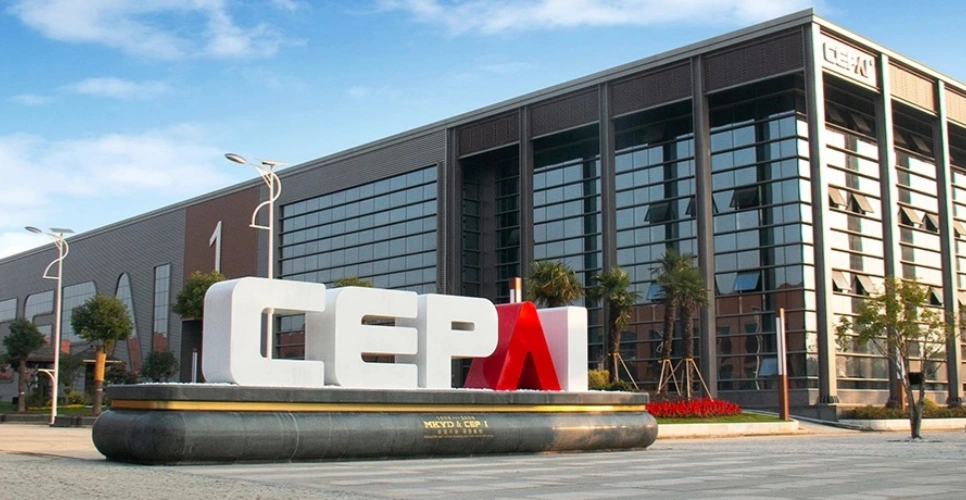
CEPAI has 30 years of experience in making wellhead equipment, regulating valves, and pipeline valve systems that work well in tough oil and gas situations. Our many certificates, such as API Q1, API 6A, API 6D, API 16C, ISO 9001, and several management system standards, show that we are dedicated to quality and dependability, which lowers your total cost of ownership. We work together with project teams, buying managers, and drilling engineers to come up with solutions that meet all of your needs without adding too many extra features that drive up costs. Our technical support system makes sure that you get help quickly when you need it, and our global service network makes sure that parts are always available, which cuts down on downtime. CEPAI is an industrial valve manufacturer that can help you get the best performance and value for your money, whether you need standard setups or custom solutions for specific uses. Get in touch with our team at cepai@cepai.com to talk about how our wellhead assemblies, choke valves, Christmas trees, and control valve options can help you save money over the course of their life and make your operations more reliable.

References
1. American Petroleum Institute. "API Standard 6A: Wellhead and Christmas Tree Equipment." 20th Edition, Washington DC: API Publishing Services, 2021.
2. Zappe, R.W. "Valve Selection Handbook: Engineering Fundamentals for Selecting the Right Valve Design for Every Industrial Flow Application." 5th Edition, Burlington: Gulf Professional Publishing, 2019.
3. Smith, Peter and Zappe, R.W. "Valve Selection and Specification Guide." Oxford: Elsevier Science & Technology, 2020.
4. Nesbitt, Brian. "Handbook of Valves and Actuators: Valves Manual International." Oxford: Elsevier Professional Publishing, 2017.
5. Parisher, Roy A. and Rhea, Robert A. "Pipe Drafting and Design." 3rd Edition, Burlington: Gulf Professional Publishing, 2018.
6. Energy Institute. "Guidelines for the Avoidance of Vibration Induced Fatigue Failure in Process Pipework." 2nd Edition, London: Energy Institute Publications, 2020.
_1746598538016.webp)
Get professional pre-sales technical consultation and valve selection services, customized solution services.
About CEPAI