Where Africa Projects Source Rubber Lined Butterfly Valves?
Rubber lined butterfly valves are often sourced for industrial projects in Africa from specialist distributors, foreign suppliers, and reputable manufacturers who are aware of the particular operating difficulties faced by the region. In the mining, water treatment, and chemical processing industries, where corrosion resistance and sealing dependability are crucial, these elastomer-lined flow control devices are used. The sourcing landscape for rubber-lined butterfly valves includes direct manufacturer contacts as well as local agents of international brands. Procurement teams give preference to suppliers that can provide dependable delivery capabilities and thorough technical assistance to distant project sites.
Understanding Rubber Lined Butterfly Valves – Their Working Principle and Advantages
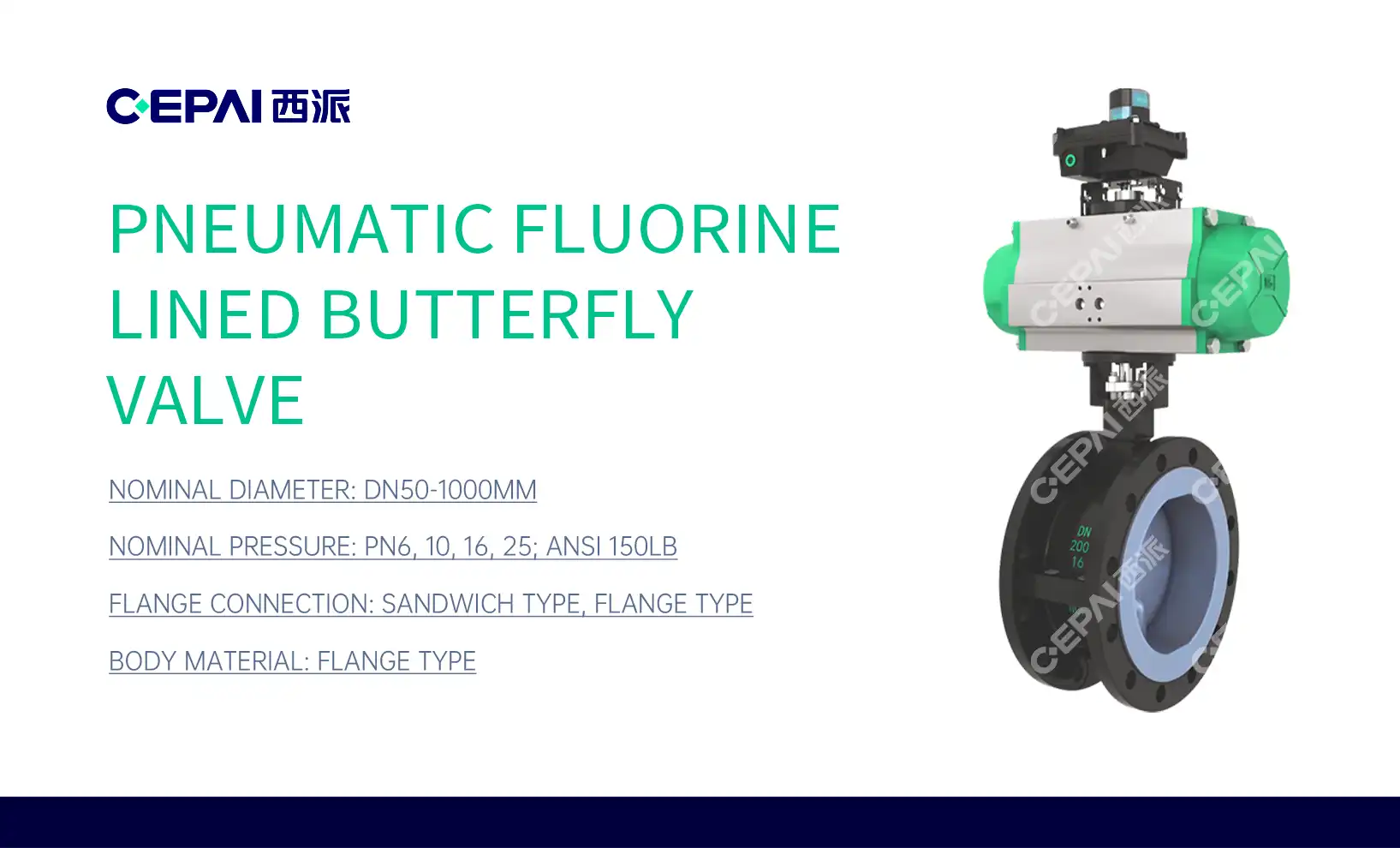
Rubber-lined butterfly valves use a simple yet efficient quarter-turn mechanism to control fluid flow. This mechanism involves a disc-shaped closure element rotating within the valve body. The unique elastomer liner forms a barrier between the process medium and the metallic valve components, offering outstanding defense against abrasive particles and corrosive chemicals often found in African industrial applications.
Technical Design and Operational Mechanics
The accurate disc placement within the pipeline is the core of the valve's operation. The butterfly disc rotates 90 degrees to go from completely closed to fully open positions when the actuator spins the stem. By offering a strong sealing surface that can withstand thermal expansion and erratic particle movement without sacrificing shut-off integrity, the rubber lining improves this mechanism.
The rubber-lined butterfly valve's elastomer covering provides much than just basic corrosion protection. In comparison to metal-seated alternatives, it improves sealing capabilities, lowers operating noise levels, and dampens vibration transmission. While NBR compounds exhibit better oil and hydrocarbon resistance, EPDM linings thrive in chemical processing applications. Other rubber compounds provide specific performance features.
Performance Advantages in Demanding Applications
Rubber lined designs are very beneficial in African industrial areas because of the peculiar problems they provide. The protective lining's elasticity keeps it from breaking under heat stress while withstanding temperature swings typical of tropical and arid regions. When compared to unlined valve alternatives, this resilience results in a longer service life and lower maintenance needs.
These valves' flow control features adjust effectively to different suspended solids contents and medium viscosities. Water treatment facilities value the constant sealing performance that reduces contamination hazards, while mining companies benefit from the rubber lining's capacity to manage slurry flows without incurring quick wear.
Why African Projects Prefer Rubber Lined Butterfly Valves – Application and Market Needs
Due to its demonstrated capacity to withstand demanding working conditions while providing cost-effective performance, rubber lined butterfly valves are used in many African industrial areas. Because of their exceptional durability and maintenance qualities, these valves are often specified by mining operations, water infrastructure projects, and chemical processing plants.
Industry-Specific Applications and Benefits
These valves are essential for process water control, slurry transportation, and tailings management in mining operations throughout Africa. Compared to bare metal alternatives, the rubber lining's resistance to abrasive wear greatly increases operating life, lowering replacement frequency and related downtime expenses. The strategic use of rubber-lined valves has been shown to result in significant maintenance savings at major copper mines in Zambia and gold operations in Ghana.
The superior sealing properties and corrosion resistance of the rubber coated butterfly valve are advantageous for water treatment and distribution projects across the continent. By withstanding the chlorine and other treatment chemicals used in municipal water systems, the elastomer liner reduces the chance of contamination. These valves have been successfully used in critical flow control applications where dependability is crucial in large-scale infrastructure projects in South Africa and Nigeria.
Chemical processing facilities rely on the chemical resistance offered by carefully chosen rubber compounds in rubber lined butterfly valve, especially those that handle acidic or alkaline solutions. These valves are adaptable solutions for a variety of processing conditions since the lining materials may be customized for particular chemical compatibility.
Market-Driven Selection Criteria
In African marketplaces, long-term value is given precedence over upfront investment expenditures when making procurement selections. Rubber lined butterfly valves provide significant financial benefits that are in line with project budgetary restrictions and operational goals thanks to their prolonged service life and decreased maintenance needs.
The selection of valves is greatly influenced by environmental considerations specific to African operations. Designs that reduce service needs while retaining dependable performance are preferred due to extreme temperature changes, dust exposure, and limited maintenance infrastructure. These issues are successfully addressed by these valves' sturdy design and protective lining properties.
How to Select and Source the Best Rubber Lined Butterfly Valve for African Projects
A thorough assessment of supplier capabilities, media properties, and operating conditions is necessary for a successful valve selection. Technical specifications and pragmatic factors like delivery schedules, local support accessibility, and lifetime cost consequences must be balanced throughout the selection process.
Technical Selection Parameters
The main criteria for choosing rubber lining materials is media compatibility. EPDM compounds provide superior ozone and weathering resistance and perform very well in water treatment applications. NBR linings work well with hydraulic fluids and petroleum compounds. In some chemical processing applications where normal materials are insufficient, hypalon and other specialty compounds are used.
Ratings for temperature and pressure must be in accordance with system operating circumstances and provide the rubber-lined butterfly valve the proper safety margins. Temperature extremes and pressure surges are common in African projects, necessitating careful specification attention. The choice of valve size affects both initial cost and long-term performance; the right size guarantees ideal flow characteristics and a longer service life.
Supplier Evaluation and Sourcing Strategies
Reputable suppliers use their existing distribution networks and local support skills to show that they fully understand the needs of African projects. Technical proficiency, quality certifications, and demonstrated project experience in comparable applications and geographical areas should all be evaluated.
Prominent international producers maintain their presence in the area via approved distributors who provide post-purchase assistance and technical advice. These collaborations provide benefits in the areas of warranty coverage, technical support, and product availability. For common setups, local vendors could provide cheaper cost and quicker delivery, but their technical support skills need to be carefully considered.
Supplier dedication to uniform manufacturing standards is shown by quality certifications including ISO 9001, API standards, and industry-specific approvals. To guarantee adherence to relevant rules and standards, project specifications should provide the necessary certifications and testing records.
Maintenance and Inspection Tips for Rubber Lined Butterfly Valves in African Projects
Programs for proactive maintenance reduce unscheduled downtime while optimizing valve performance and service life. Rubber-lined valves have special qualities that call for particular maintenance and inspection protocols that are adapted to regional operating environments and resource availability.
Inspection Protocols and Performance Monitoring
Early indications of wear, chemical assault, or mechanical damage that might impair valve function are found by routine visual examination of the rubber lining. The frequency of inspections is determined by the intensity of the operation; pure water supply requires less frequent examination than abrasive or corrosive applications.
Surface integrity, adhesion quality, and dimensional stability are the main topics of the rubber lining condition evaluation. Delamination, blisters, or cracks are signs of possible failure modes that need to be addressed right once. Surface hardness or color changes might indicate heat deterioration or chemical incompatibility, which calls for a reevaluation of the lining material.
Rubber-lined butterfly valve actuator torque needs are tracked as part of operational performance monitoring, which might reveal debris buildup or seal wear. Increased operating torque gives early notice of maintenance requirements and often occurs before obvious lining damage.
Preventive Maintenance Best Practices
By eliminating accumulated deposits that may lead to abrasion or chemical assault, proper cleaning techniques prolong the life of rubber linings. The cleaning technique must successfully eliminate process residues without causing harm to the elastomer's surface.
Lubricating actuator parts and stem seals lowers operating torque needs and avoids binding. The choice of suitable lubricants guarantees that they won't contaminate the process medium or negatively impact the rubber lining materials.
Catastrophic failures are avoided and planned maintenance scheduling is made possible by scheduled lining replacement based on service experience and inspection findings. Keeping extra valve assemblies on hand allows for offline repair of removed valves and quick replacement during crucial production times.
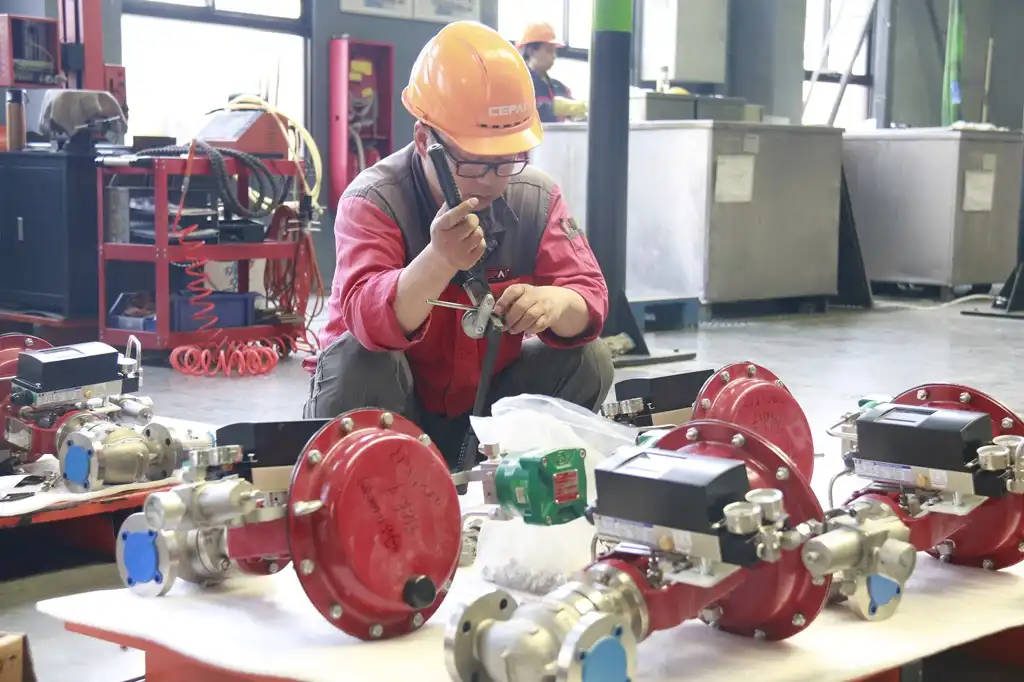
CEPAI - Your Trusted Partner for Premium Valve Solutions
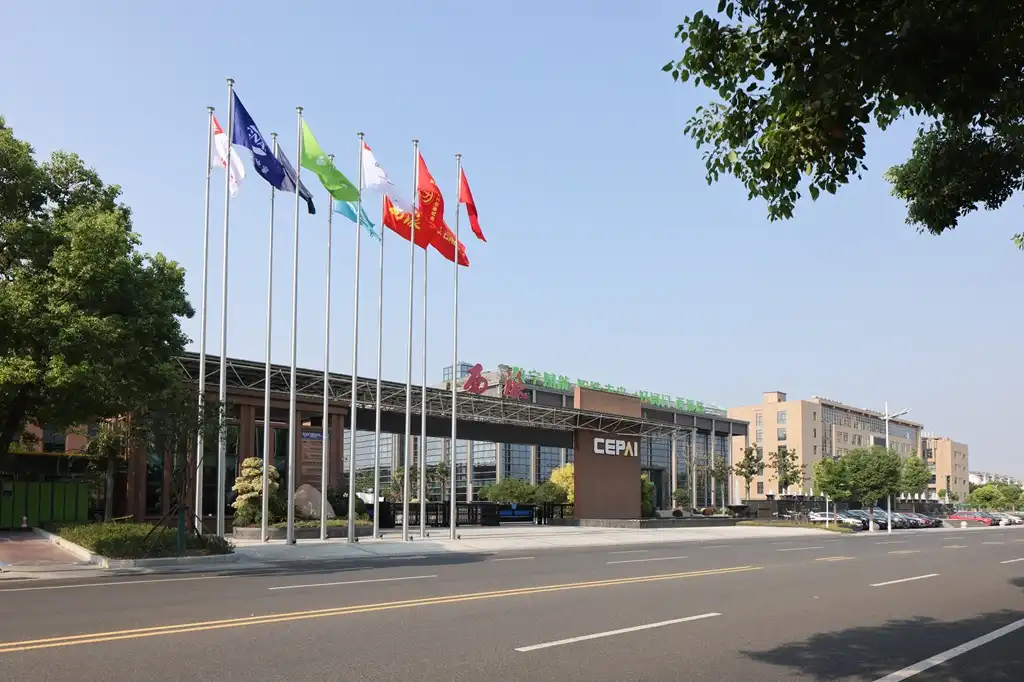
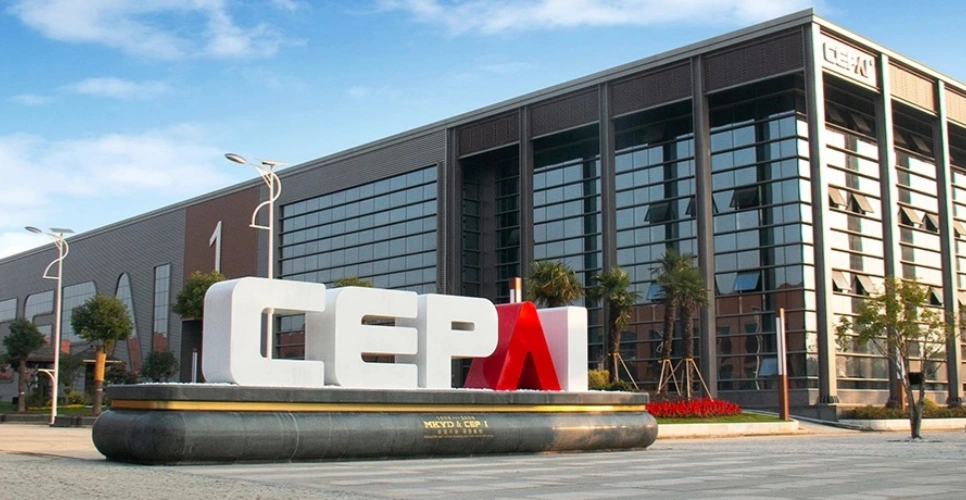
CEPAI is a prestigious high-tech company that specializes in complete valve solutions for oil and gas production and drilling activities. Our wide range of manufacturing capabilities includes precise instruments, pipeline valves, regulating valves, and wellhead devices that satisfy the exacting specifications of international energy projects.
Comprehensive Quality Assurance and Certifications
Our dedication to quality is shown by our globally recognized certifications and strict quality management systems. Our commitment to the highest industry standards is shown by CEPAI's maintenance of the APIQ1, API6A, API6D, API16C, API602, ISO9001, ISO14001, ISO45001, ISO3834, ISO17025, CE, and PED certifications.
These certificates demonstrate our methodical commitment to quality control at every stage of the production process, from the selection of raw materials to the testing and delivery of the finished rubber-lined butterfly valve product. Our quality control procedures guarantee dependable and consistent product performance that satisfies the essential demands of African industrial applications.
Our production procedures and quality systems are validated by ongoing certification maintenance and recurring audits, giving customers assurance about the dependability and consistency of our products' performance.
Advanced Product Portfolio and Technical Capabilities
Innovative sleeve-type regulating valves, precision throttle valves, high-pressure double disc check valves, emergency shut-off valves, and rotary valves are among our specialty product lines that have won praise from global industry leaders. These items' superior technical quality is successfully transferred to our selection of rubber-lined butterfly valves.
Customization demands that meet particular project requirements and operating circumstances typical of African industrial applications are supported by our production capabilities. The capacity to alter actuation methods, pressure ratings, and lining materials guarantees peak performance in a variety of service conditions.
Our manufacturing skills are enhanced by technical support services, which include installation assistance, application engineering, and continuous operating support. Our technical staff creates solutions that take into account local operating circumstances and maintenance capabilities since they are aware of the particular difficulties African projects encounter.
Conclusion
With a focus on durability, chemical resistance, and supplier support capabilities, African projects purchase rubber lined butterfly valves via a variety of channels, from global manufacturers to local distributors. Elastomer-lined designs' technical benefits make them especially appropriate for demanding African operating situations where procurement choices are influenced by dependability and minimal maintenance needs. Technical requirements are balanced with pragmatic factors including lifecycle cost minimization, local support availability, and delivery capabilities in successful sourcing strategies. CEPAI is a dependable partner for African industrial projects needing high-end flow control equipment because of our extensive valve options and tested quality systems.
FAQ
1. What factors determine rubber lined butterfly valve selection for African projects?
Selection criteria include media compatibility, pressure and temperature ratings, valve sizing requirements, and supplier support capabilities. The harsh operating conditions common in African industrial applications require careful consideration of rubber compound selection, with EPDM, NBR, and specialized elastomers offering different performance characteristics for specific applications.
2. How do delivery timelines impact valve sourcing decisions for remote African locations?
Remote project locations require careful coordination of delivery schedules with project milestones, often necessitating advance procurement and strategic inventory management. Suppliers with established logistics networks and regional distribution capabilities typically provide more reliable delivery performance than those shipping directly from overseas manufacturing facilities.
3. What maintenance support should suppliers provide for African industrial projects?
Comprehensive supplier support includes technical documentation, spare parts availability, maintenance training, and responsive technical assistance. The limited local maintenance infrastructure in many African regions makes supplier support capabilities critical factors in the procurement decision process.
Contact CEPAI for Expert Rubber Lined Butterfly Valve Solutions
CEPAI delivers world-class rubber lined butterfly valve solutions specifically engineered for demanding African industrial applications. Our comprehensive product portfolio, backed by international certifications and proven manufacturing excellence, ensures reliable performance in challenging operating environments. Connect with our technical specialists at cepai@cepai.com to discuss your specific project requirements and discover how our innovative valve technologies can optimize your operations.
References
1. African Industrial Development Report: Valve Market Analysis and Growth Projections 2023-2028, United Nations Industrial Development Organization, 2023.
2. Rubber Lined Valve Performance in Mining Applications: A Comprehensive Study of African Operations, International Mining Equipment Association, 2022.
3. Chemical Resistance Properties of Elastomer Lined Valves in Tropical Climates, Journal of Industrial Flow Control, Vol. 45, 2023.
4. Infrastructure Development and Valve Requirements in Sub-Saharan Africa, African Development Bank Technical Report, 2023.
5. Best Practices for Industrial Valve Maintenance in Remote Locations: African Case Studies, International Valve Manufacturers Association, 2022.
6. Comparative Analysis of Valve Technologies for African Water Treatment Projects, Water Infrastructure Development Council, 2023.

Get professional pre-sales technical consultation and valve selection services, customized solution services.
About CEPAI