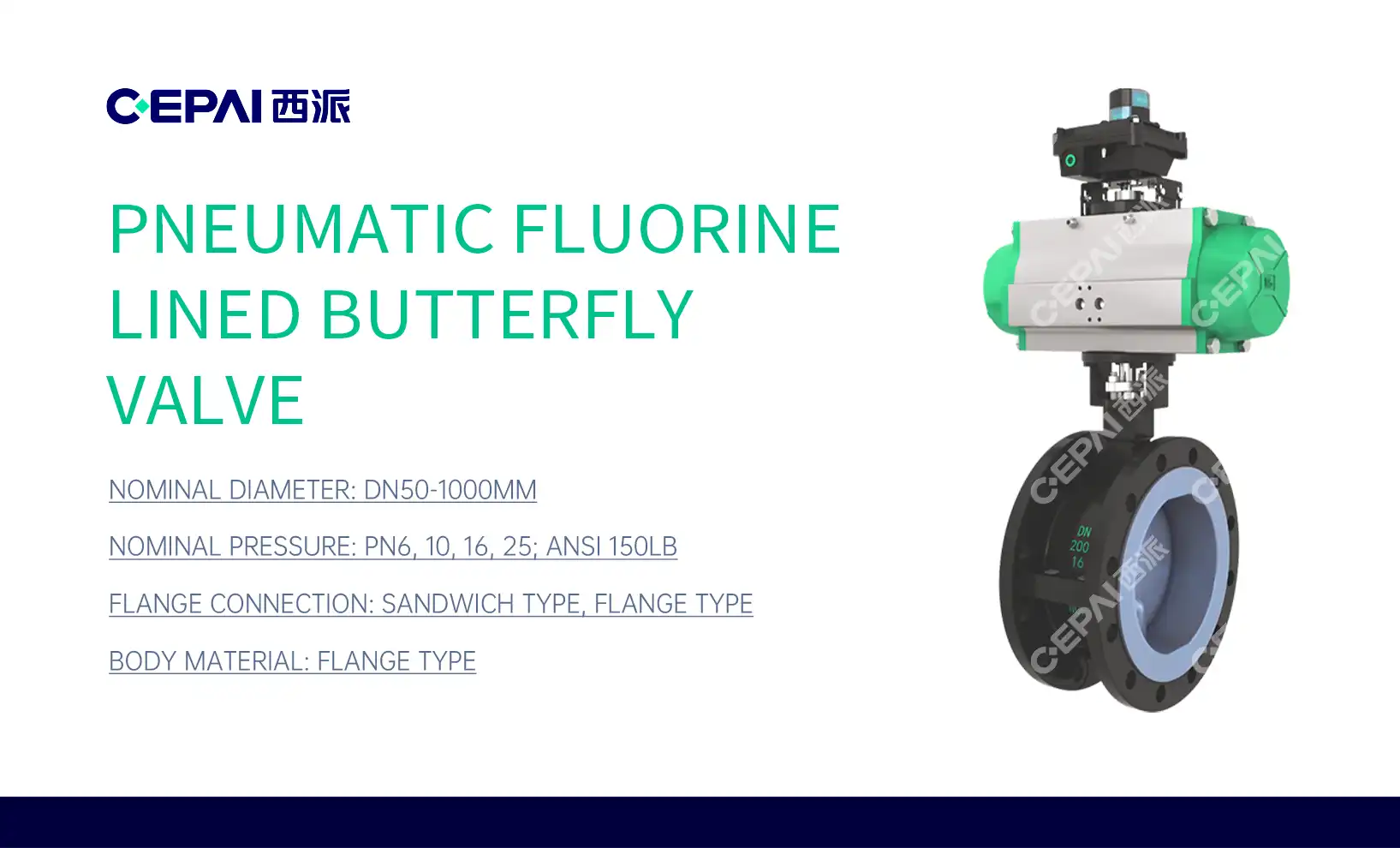
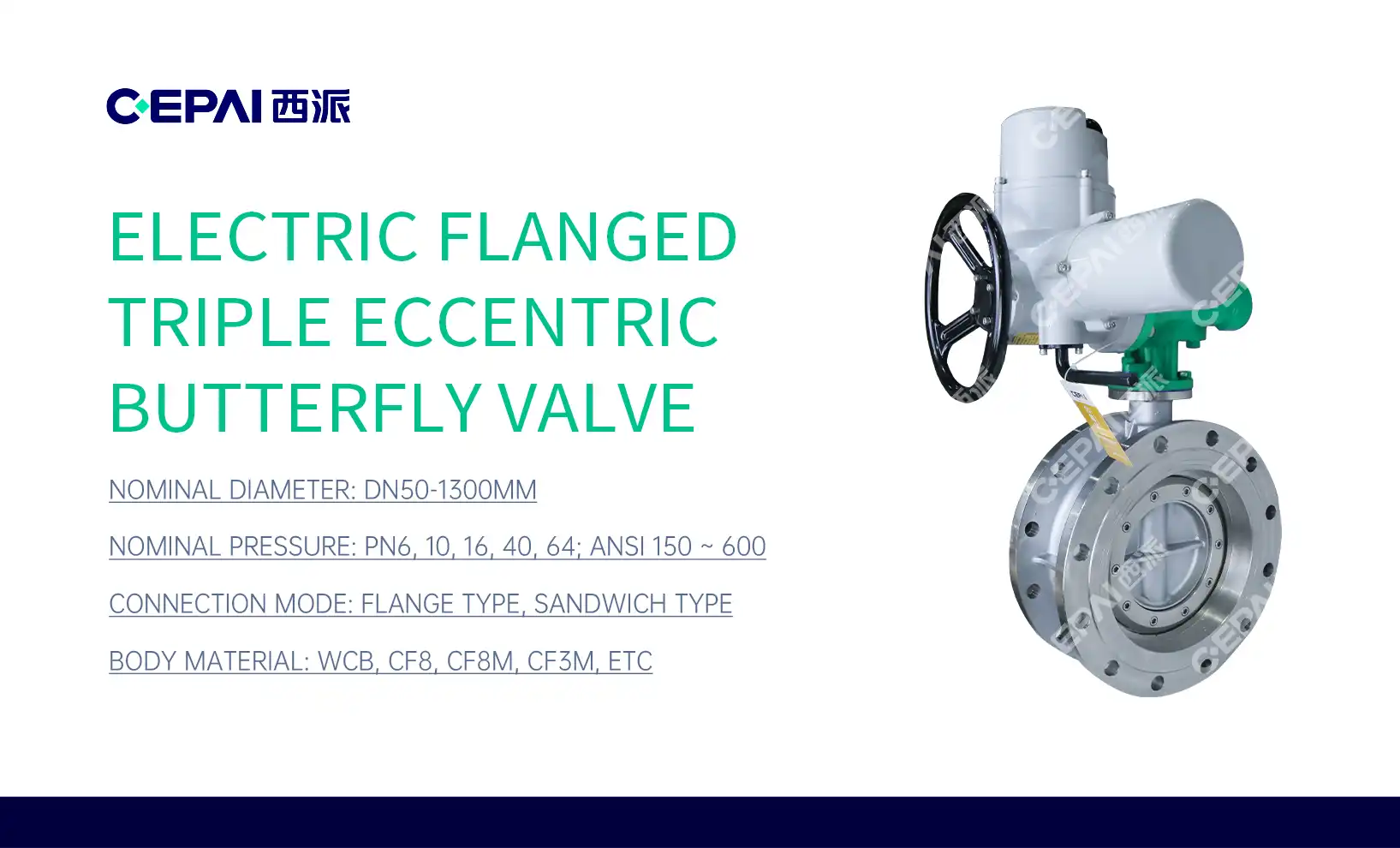
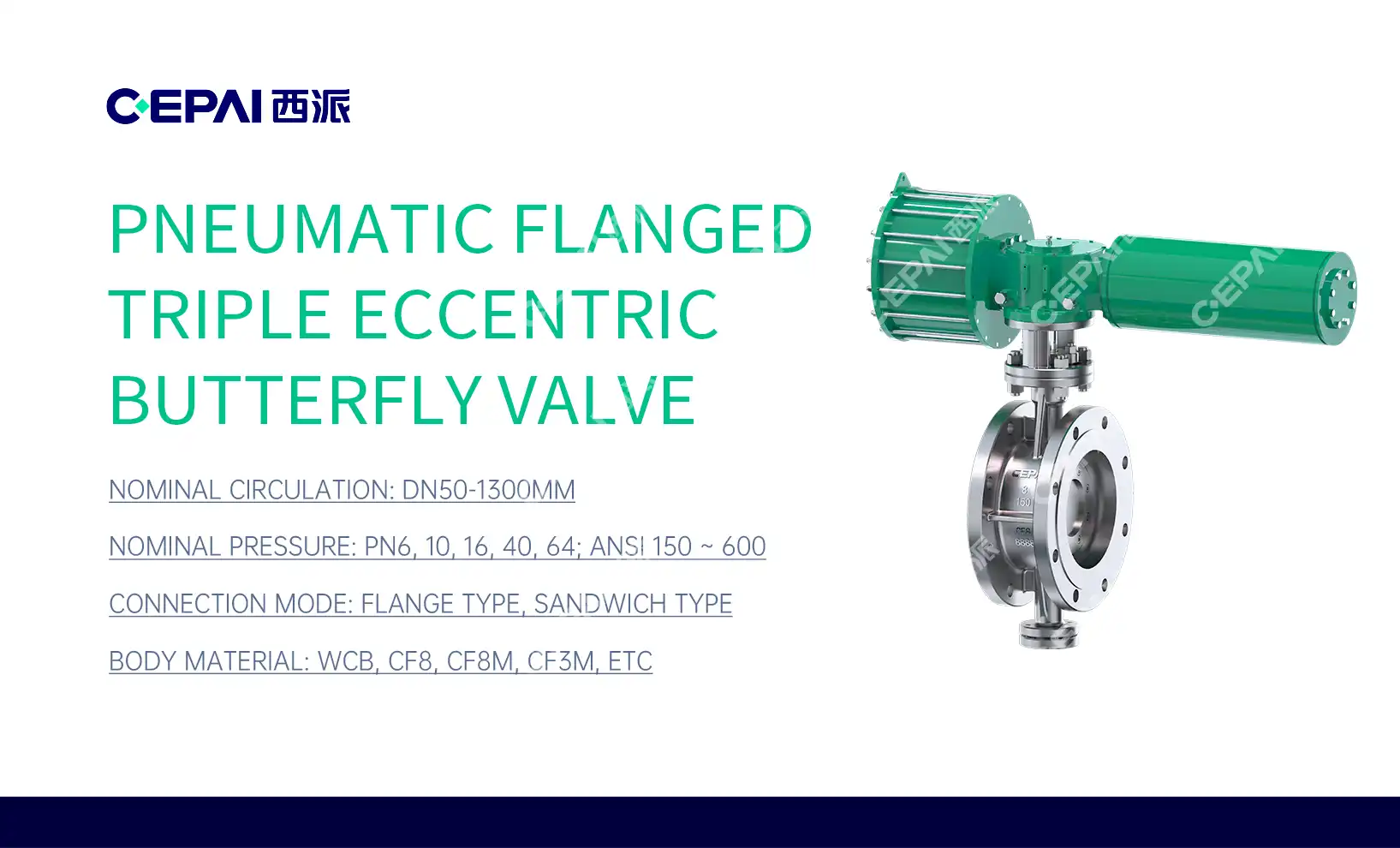
Top China Manufacturers of Metal-Seated Butterfly Valves
Metal seated butterfly valve technology is a key component of dependable flow control systems used in the oil and gas industry when looking for industrial valving solutions for difficult applications. In the fiercely competitive Chinese valve business, CEPAI stands out as a leading maker of precisely constructed metal-seated butterfly valves that satisfy exacting international requirements. CEPAI meets the vital demands of drilling engineers, pipeline operators, and process control managers looking for long-lasting, high-performance valve solutions thanks to its extensive API certifications and demonstrated track records in upstream, middle, and downstream operations.

Understanding Metal-Seated Butterfly Valves
Strong metallic sealing surfaces found in metal-seated butterfly valves set them apart from their soft-seated counterparts in terms of both design and functionality. These advanced flow control devices use a revolving disc mechanism within the valve body, where metal-to-metal contact produces dependable sealing in harsh working environments.
Core Design Principles and Components
Precision-machined metallic sealing rings that interact directly with the valve disc during closure operations are at the core of the basic design of metal-seated butterfly valves. By doing away with the temperature restrictions that come with elastomeric seals, this design allows for continuous operation at temperatures as high as 1000°F (538°C). The disc assembly has hardened surfaces to endure repeated cycling without deterioration, and the valve body usually has flanged or wafer-style connections.
These metal seated butterfly valves' sophisticated bearing systems guarantee seamless operation even at high differential pressures that are often seen in gas and oil applications. In order to solve safety issues that are crucial for drilling operations and pipeline systems where unforeseen pressure spikes may occur, the stem design often incorporates blow-out proof construction.
Operational Advantages in Industrial Applications
When traditional sealing methods are challenged by corrosive environments, severe temperatures, and prolonged service life requirements, metal-seated butterfly valves perform very well. They are especially useful in refinery settings where production efficiency is directly impacted by process dependability because of their capacity to retain tight cutoff capabilities even after thousands of working cycles.
In hydrocarbon processing facilities, the intrinsic fire-safe features of metal-seated structures provide crucial safety. Metal-seated valves preserve structural integrity and sealing capabilities, enabling emergency shutdown procedures crucial to facility safety, in contrast to soft-seated alternatives that may catastrophically collapse during fire exposure.
Another important benefit is chemical resistance, as metallic sealing surfaces withstand deterioration from harsh media including carbon dioxide, hydrogen sulfide, and other hydrocarbons found in the production of oil and gas. Reduced maintenance needs and longer operating durations between overhauls are direct results of this resistance.
Top China Manufacturers of Metal-Seated Butterfly Valves – CEPAI's Market Position
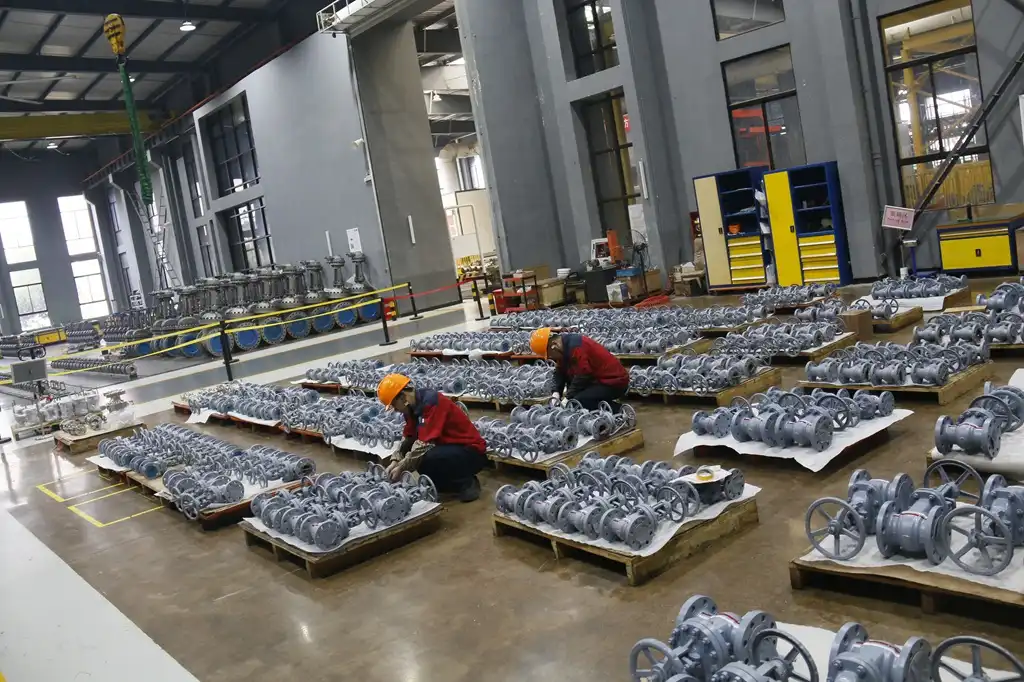
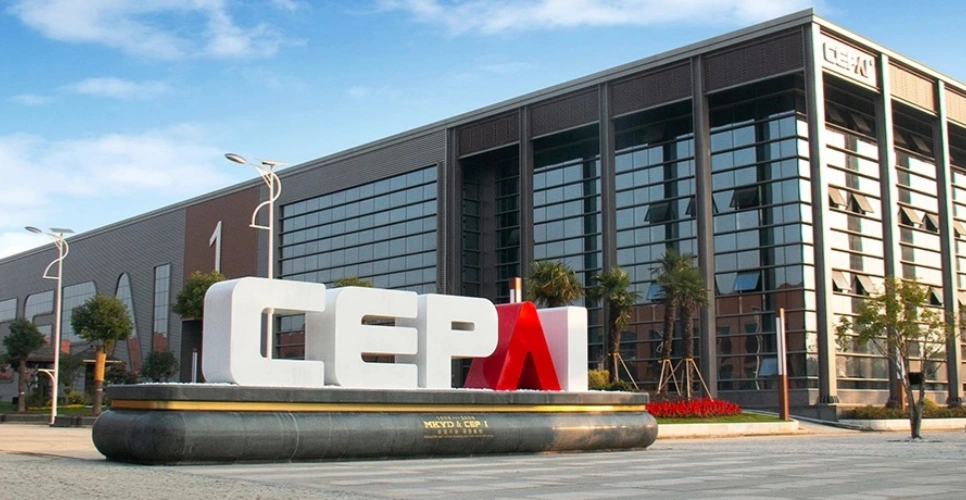
Decades of specific attention to the needs of the oil and gas sector have led to CEPAI's manufacturing expertise, making it a reliable partner for global engineering contractors and energy firms. Modern CNC machining centers and automated testing equipment are features of the company's manufacturing facilities, which guarantee uniform quality across all product lines.
Manufacturing Capabilities and Infrastructure
The valve sizes that CEPAI can produce range from 2 inches to 48 inches, and the pressure ratings go up to ANSI Class 2500. Every step of the production process, from raw material verification to final pressure testing and certification, incorporates strict quality control procedures. To ensure compliance with API 609 and other international standards, each valve is subjected to a thorough dimensional check utilizing coordinate measuring devices.
Stainless steel, Inconel, specialty alloys, and metal seated butterfly valve designs may all be customized for certain operating conditions thanks to the company's metallurgical knowledge. The best hardness and corrosion resistance qualities necessary for long-term dependability in demanding applications are ensured by heat treatment procedures carried out in controlled environment furnaces.
Certification Standards and Quality Assurance
CEPAI's extensive certifications, which include API Q1, ISO 9001, ISO 14001, and ISO 45001, show its dedication to workplace safety, environmental responsibility, and quality management. API 609 for butterfly valves is included in product certifications, guaranteeing compliance with industry-standard requirements needed by significant oil corporations and engineering organizations.
Hydrostatic pressure testing up to 1.5 times rated pressure, seat leakage testing in accordance with API 598, and environmental qualification testing for harsh temperature and vibration conditions are among the capabilities of the company's test facilities. The documented proof of performance capabilities required for project requirements and regulatory compliance is provided by these thorough testing processes.
Third-party inspection services are easily accommodated; CEPAI often collaborates with globally renowned inspection firms to provide independent confirmation of production quality and adherence to client requirements.
Comparison and Decision Making: Why Choose CEPAI's Metal-Seated Butterfly Valves?
When evaluating valve technology, operating factors, lifespan costs, and application-specific reliability requirements must all be carefully taken into account. Butterfly valves with metal seats have clear benefits over other technologies, especially in corrosive and hot conditions when soft-seated versions are insufficient.
Performance Comparison Across Valve Technologies
Because of their streamlined flow channel design, metal-seated butterfly valves provide much lower pressure drop characteristics than ball valves in comparable applications. This benefit results in lower pumping costs and increased system efficiency, which is especially beneficial for large-diameter pipeline systems where operating economics are directly impacted by energy usage.
Although soft-seated butterfly valves are initially less costly, elastomer deterioration causes them to have a limited service life in high-temperature applications. This restriction is removed by CEPAI's metal seated butterfly valve designs, which provide dependable sealing performance over long service intervals that, in suitable applications, may last decades.
Compared to butterfly valve alternatives, gate valves, which are often preferred for isolation services, have larger pressure drop penalties and need a lot more installation area. Metal seated butterfly valves from CEPAI may be installed in space-constrained settings, such as modular processing facilities and offshore platforms, thanks to their small size.
CEPAI's Competitive Advantages
The technical staff at CEPAI works directly with clients to tailor valve specifications for particular operating environments, enabling customization options beyond those found in typical catalogs. This adaptability is especially helpful for EPC contractors overseeing complex projects with precise technical specifications.
Delivery performance is a key distinction; CEPAI offers faster manufacture for unique requirements while keeping strategic inventory levels of popular configurations. When project timelines need faster supply, emergency delivery solutions are available. Standard lead times for engineered items generally vary from 8 to 12 weeks.
Comprehensive documentation packages, installation instructions, and maintenance training programs that optimize valve performance throughout the operating lifespan are examples of technical support capabilities. The field service network of CEPAI ensures uninterrupted operation in distant areas by offering worldwide assistance for maintenance and troubleshooting tasks.
Procurement Guide for Buying Metal-Seated Butterfly Valves from China
A methodical assessment of technical specifications, quality standards, and commercial terms that complement project needs and risk management procedures is necessary for a successful valve procurement. To guarantee the best results for global clients, CEPAI's procurement procedure places a strong emphasis on openness and cooperation.
Technical Specification Development
A thorough examination of operating conditions, including temperature ranges, pressure ratings, flow coefficients, and media properties, is the first step in the procurement process. In order to suggest the best seat materials, actuator size, and accessory needs that guarantee dependable long-term performance, CEPAI's engineering team examines these factors.
Every shipment of metal seated butterfly valves is accompanied by material traceability paperwork, which includes comprehensive records of heat treatment procedures, mechanical property verification, and steel certificates. For asset management systems and the regulatory compliance needs typical of oil and gas companies, this paperwork is indispensable.
Quality Verification and Inspection Protocols
CEPAI supports a wide range of inspection needs, from thorough third-party verification programs to routine factory acceptance testing. Plans for inspections and tests may be altered to meet the needs of particular clients while still adhering to pertinent industry standards.
Opportunities for witness testing provide customer representatives the chance to see production and testing processes, boosting their trust in the quality and compliance of the final product. For clients who are unable to visit for on-site inspection operations, video documentation services are offered.
Valve components are protected throughout international transportation by packaging and preservation techniques, with special care paid to corrosion prevention and seat surface protection. To guarantee proper handling throughout the transit process, CEPAI's logistics staff works in tandem with freight forwarders.
CEPAI Company and Product Overview
CEPAI's development as a top valve maker is a testament to its unwavering dedication to both technical innovation and superior customer service in the worldwide energy sector. A wide range of flow control needs in upstream, middle, and downstream applications are met by the company's extensive product line.
Company Heritage and Mission
CEPAI was founded with the goal of providing the energy industry with top-notch metal seated butterfly valve solutions. Through consistent investment in cutting-edge production methods and quality control systems, the company has achieved manufacturing perfection. According to the company's goal, innovation, dependability, and customer collaboration are essential tenets that drive corporate operations.
Digitalization, environmental compliance, metal seated butterfly valve, and operational efficiency optimization are some of the new industrial issues that CEPAI is focusing on in its research and development projects. Product improvements that anticipate market demands while remaining compatible with current infrastructure investments are the outcome of these efforts.
Product Portfolio and Engineering Services
In addition to metal-seated butterfly valves, CEPAI produces a wide variety of pipeline valves, wellhead equipment, and control systems for integrated oil and gas operations. Single-source supply agreements that streamline procurement and guarantee system compatibility are made possible by this set of capabilities.
Engineering services include application-specific testing procedures, bespoke modification design, and valve selection optimization. In order to tackle complicated flow control problems while preserving cost-effectiveness and schedule performance, CEPAI's technical team works in tandem with client engineering departments.
Global coverage for maintenance, repair, and upgrade services is offered via the company's after-sales support network. Training programs maximize return on investment throughout the equipment lifespan by providing customer staff with the knowledge required for effective valve operation and preventative maintenance.
Conclusion
Being one of the leading producers of metal-seated butterfly valves in China is a testament to CEPAI's track record of superior product quality, technological innovation, and customer support. Reliable solutions for challenging oil and gas applications are offered by the company's extensive certifications, sophisticated manufacturing capabilities, and worldwide support network. When compared to other designs, metal-seated butterfly valve technology provides better performance characteristics, especially in corrosive and high-temperature settings. Successful project outcomes and lifetime value optimization for global clients are made possible by CEPAI's dedication to customisation, quality assurance, and technical support.
FAQ
1. What are the key selection criteria for metal-seated butterfly valves in oil and gas applications?
Selection criteria include operating temperature ranges, pressure ratings, media compatibility, and cycling frequency requirements. Metal-seated designs excel in applications exceeding 400°F (204°C) where soft-seated alternatives prove inadequate. Corrosive media containing hydrogen sulfide or carbon dioxide typically require metal seating to prevent premature failure.
2. How does CEPAI ensure consistent quality and reliability across production batches?
CEPAI implements comprehensive quality management systems including incoming material inspection, in-process verification, and final testing protocols. Statistical process control methods monitor critical dimensions and performance parameters, while traceability systems track materials and processes for each individual valve throughout manufacturing.
3. What customization options are available for specialized applications?
CEPAI offers extensive customization including exotic alloy seat materials, special bore configurations, and application-specific testing requirements. Engineering collaboration enables optimization of valve specifications for unique operating conditions while maintaining compliance with relevant industry standards and customer specifications.
4. What are the typical lead times for standard and custom valve configurations?
Standard catalog items typically ship within 6-8 weeks, while engineered products require 10-14 weeks depending on specification complexity. Emergency delivery programs can reduce lead times for critical applications, with CEPAI maintaining strategic inventory of common components to support expedited manufacturing schedules.
Partner with CEPAI for Superior Metal-Seated Butterfly Valve Solutions
CEPAI stands ready to support your valve procurement requirements with industry-leading metal seated butterfly valve solutions designed specifically for oil and gas applications. Our engineering team provides comprehensive technical consultation to optimize valve selection while ensuring compliance with project specifications and industry standards. Contact us at cepai@cepai.com to discuss your specific requirements and discover how our proven expertise can enhance your operational reliability.

References
1. American Petroleum Institute. "API Standard 609: Butterfly Valves - Double Flanged, Lug- and Wafer-Type." Washington, DC: API Publishing Services, 2018.
2. Johnson, Michael R., and Sarah Chen. "Advanced Materials for High-Temperature Valve Applications in Petroleum Refining." Journal of Petroleum Technology, vol. 74, no. 8, 2022, pp. 45-52.
3. International Organization for Standardization. "ISO 5752: Metal Valves for Use in Flanged Pipe Systems - Face-to-Face and Centre-to-Centre Dimensions." Geneva: ISO Central Secretariat, 2021.
3. Williams, David K. "Comparative Analysis of Butterfly Valve Technologies in Pipeline Applications." Pipeline & Gas Journal, vol. 249, no. 12, 2022, pp. 28-34.
4. Zhang, Li Wei, et al. "Quality Management Systems in Chinese Industrial Valve Manufacturing." International Journal of Quality Engineering, vol. 35, no. 4, 2023, pp. 167-182.
5. Roberts, James P. "Fire Safety Requirements for Petroleum Industry Valving Systems." Process Safety Progress, vol. 41, no. 3, 2022, pp. 89-96.
_1746598525968.webp)
Get professional pre-sales technical consultation and valve selection services, customized solution services.
About CEPAI