When looking for the most reliable butterfly valve for wastewater treatment plants, look for ones that are made with materials that don't rust, strong closing systems, and a history of working well in tough conditions. The most reliable butterfly valves are made of stainless steel or malleable iron and have EPDM or PTFE linings. They also have reliable control systems that make sure they work the same way in all kinds of wastewater uses. These industrial flow control devices have to work without leaking even when exposed to harsh chemicals, solids that can wear them down, and changing pressures.

Understanding Butterfly Valves and Their Role in Wastewater Treatment Plants
Butterflies are important parts of wastewater treatment plants that control the flow of water. Their quarter-turn shape and small size make them very efficient. A circle disc that turns opposite to the flow direction is at the heart of how the system works. This gives precise control over how fluid moves through the pipeline.
The different design options on the market today meet specific operating needs. There isn't much room needed for wafer-style configurations to fit between flanges, but lug-style setups let you connect flanges separately, which gives you more options when doing maintenance. How well and how reliably an actuator works are greatly affected by the choice of actuator.
Here are the main types of actuators used in wastewater applications:
- Manual actuators: Hand wheels or handles let the user directly control the device, which is good for situations where the process doesn't happen very often and automatic systems aren't needed. These options are easy to use, don't cost much, and work reliably in places that are easy to get to.
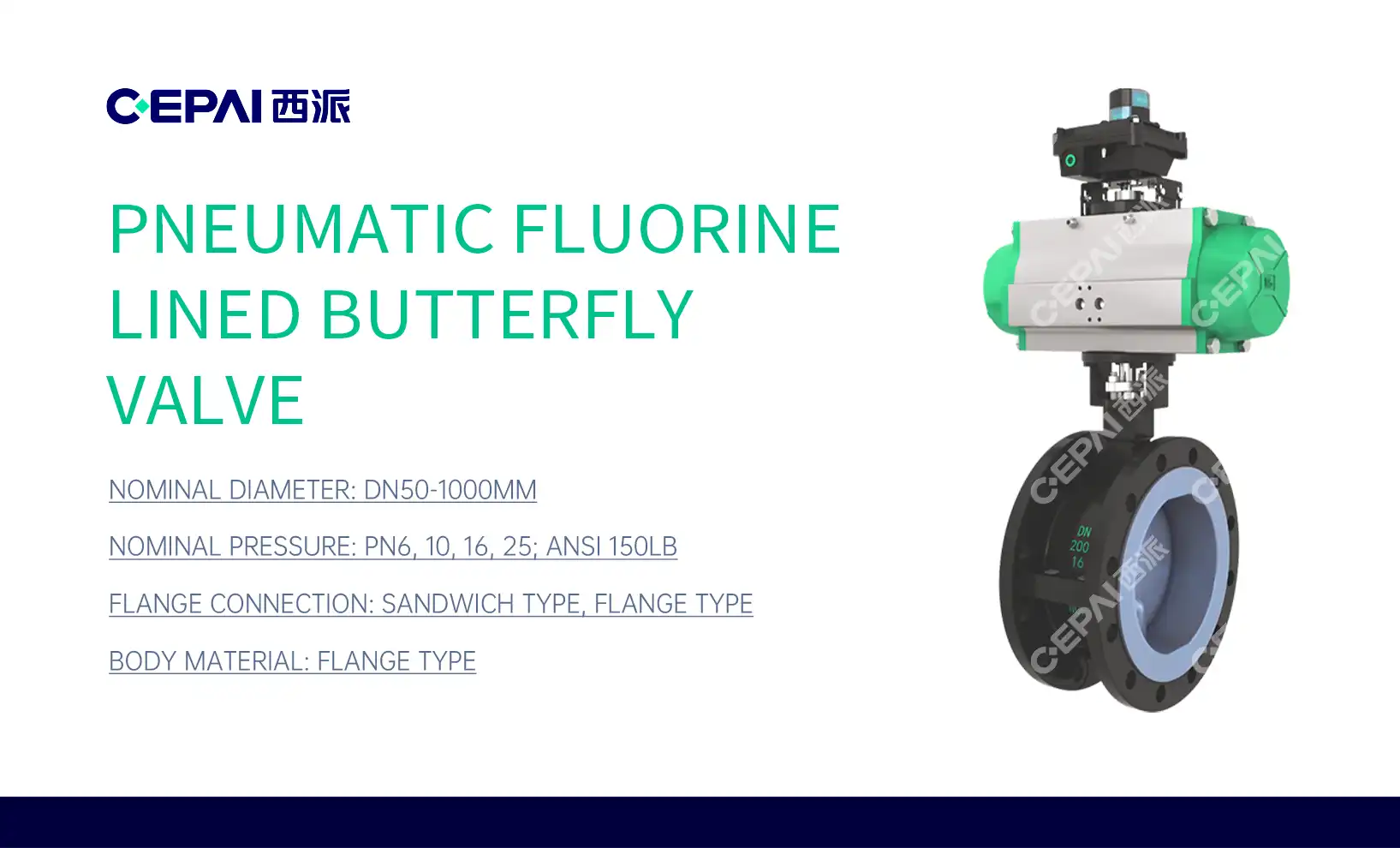
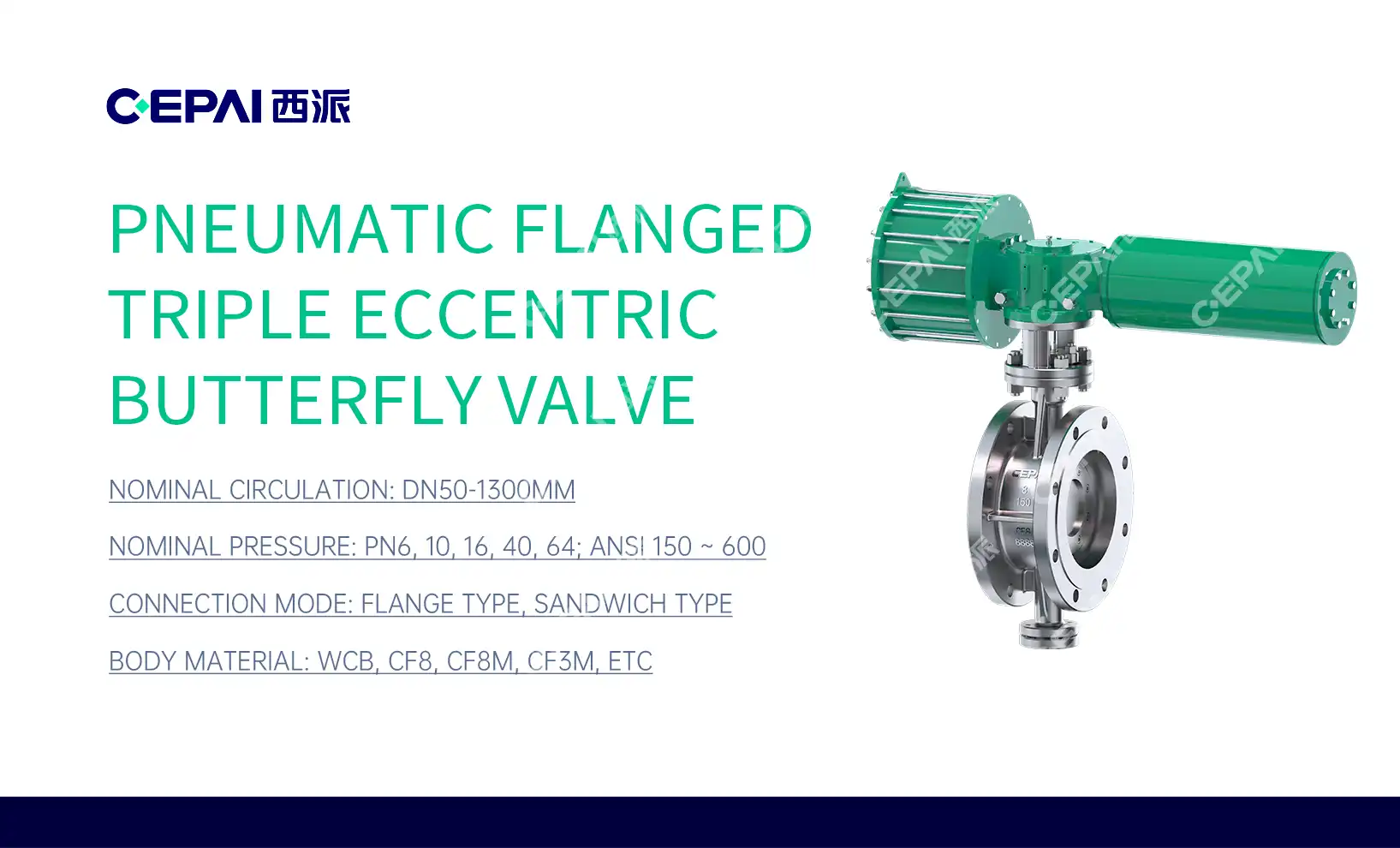
- Pneumatic actuators: Systems that are driven by air have quick reaction times and steady torque output, which makes them perfect for automatic control systems that need to cycle valves often. The built-in fail-safe features make operations safer.
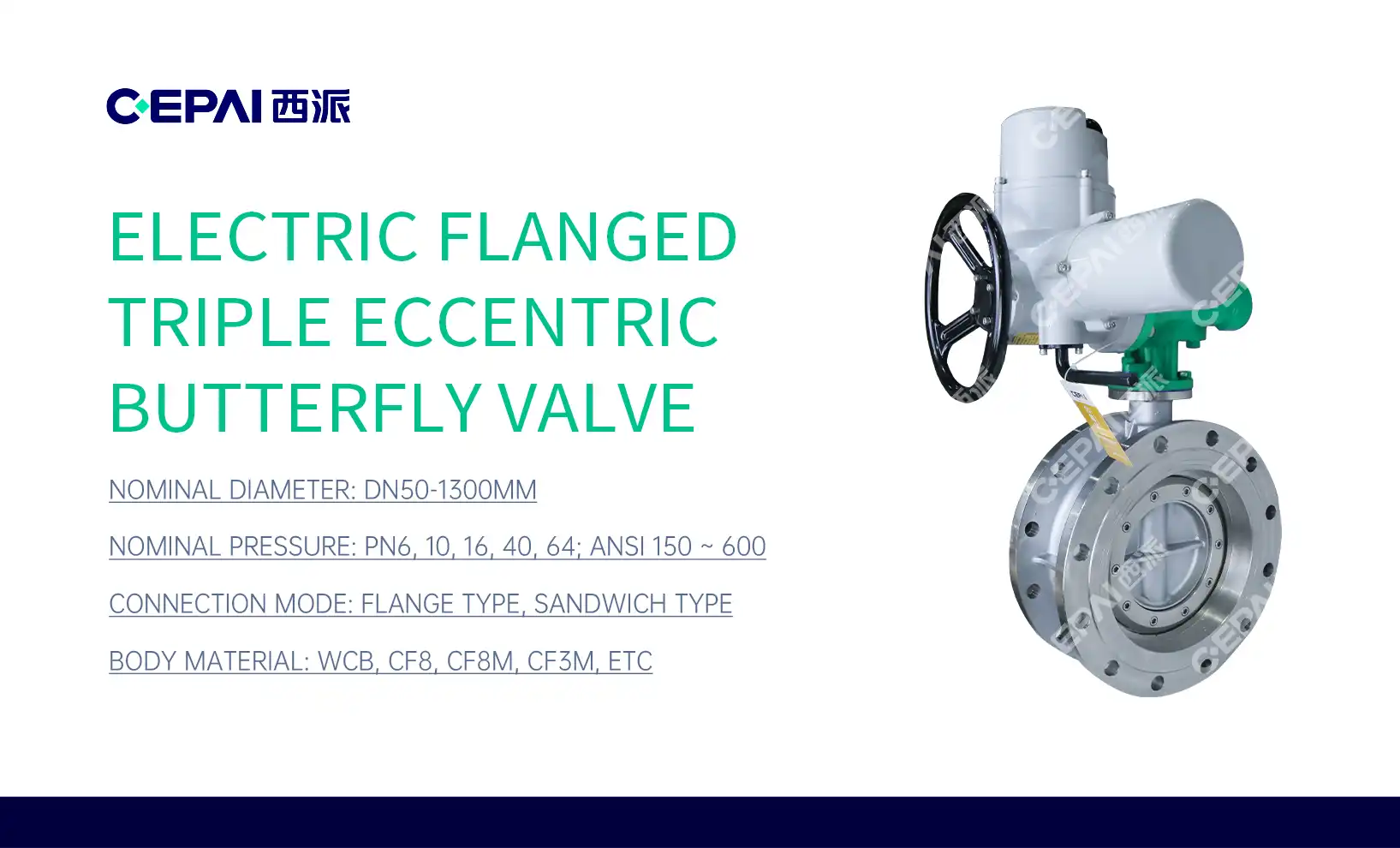
- Electric actuators: Motor-driven mechanisms allow for exact positioning and remote operation. They work well with current control systems and send return messages to keep an eye on the position and state of the valves.
With these actuator designs, wastewater treatment plants can find the best ways to control flow based on their unique needs and levels of automation.
The choice of material is very important for how long a butterfly valve lasts and how well it works. Bodies made of stainless steel don't rust when exposed to harsh chemicals, and malleable iron is very strong for high-pressure uses. Liner materials like EPDM rubber are better at closing against different types of garbage, such as sludge and chemical additives.
Criteria for Choosing the Most Reliable Butterfly Valve for Wastewater Plants
To choose the best flow control valves for treating wastewater, you need to look at a lot of technical factors that have an effect on how reliable they are and how much they cost to maintain. The tough working climate means that material suitability, pressure levels, and closing performance need to be carefully thought through.
Because wastewater mixtures are so strong, corrosion protection is the most important factor in the choosing process. Hydrogen gas, chlorine chemicals, and changing pH levels make the environment difficult for normal materials to last for long periods of time. Grades 316 and 316L stainless steel are very resistant to most chemicals found in wastewater. Specialized finishes provide extra protection in harsh settings.
When working with sludge or wastewater that has solids suspended in it, abrasion tolerance is very important. Moving particles constantly touching valve parts can wear them down too quickly, which can cause leaks and other problems. Service life is greatly increased by hardened areas and wear-resistant lining materials.
The following important traits are included in key success criteria:
- Pressure rate compatibility: Valves must be able to handle system pressures with enough safety limits. In sewer uses, these pressures are usually between 150 and 600 PSI. The right choice of pressure grade stops catastrophic breakdowns and guarantees long-term dependability.
- Temperature resistance: The temperatures that sewer systems work at can change a lot, so valve materials need to be able to keep their closing integrity over the predicted range of temperatures while also being able to handle cycles of thermal expansion and contraction.
- Effective sealing: Bubble-tight shutdown features keep the surroundings clean and the system running smoothly, with inner materials chosen based on their chemical stability and working temperature ranges.
These performance qualities make sure that important wastewater treatment processes work reliably while reducing the need for repair and downtime.
Size affects both the hydraulic function and the needs for fitting. The right valve size stops cavitation, lowers pressure drops, and makes sure there is enough flow capacity for times of high demand. When valves are too big, they can make control harder, and when they are too small, they limit the system's ability and use more energy.
Maintenance and Performance Optimization for Wastewater Butterfly Valves
Using good upkeep methods can greatly increase the service life of butterfly valves and lower the number of unexpected breakdowns that can stop wastewater treatment from working. Protocols for regular inspections find possible problems before they get worse and need expensive fixes or system downtime.
Preventive maintenance plans center on covering parts and key wear points that get the most stress during normal operation. A look at the stem packing shows early signs of wear and tear, and a look at the seat and disc shows any cutting or growth that makes sealing less effective. Lubricating the actuator keeps it running smoothly and stops parts from wearing out too quickly.
The following repair steps improve the performance and dependability of valves:
- Quarterly visual inspections: External examination identifies corrosion, leakage, or mechanical damage that requires immediate attention. Keeping records of what was found lets you look for trends and plan ahead for maintenance.
- Annual seal integrity testing: Pressure testing verifies shutoff capabilities and identifies declining performance before complete seal failure occurs. This preventative method stops leaks into the world and keeps the system running efficiently.
- Lubrication schedule adherence: Proper lubrication reduces friction, prevents seizure, and extends component life. Using the right oils that can handle being exposed to wastewater is the best way to protect against pollution.
These planned repair methods lower the total cost of ownership while increasing working uptime in tough wastewater treatment settings.
In order to fix common practical problems, you need to know how they usually fail and what causes them. Valve sticking is usually caused by not enough grease or too much dirt, and slow action could mean that there are problems with the actuator or too much friction. If you take care of these problems right away, they won't lead to failures that affect the whole system.
Predictive repair strategies that make the best use of resources and avoid sudden breakdowns are made possible by advanced tracking technologies. Smart actuators that can diagnose and give feedback on their position give real-time performance data, and vibration tracking finds problems with worn bearings and misalignment before they become active.
Reliable Butterfly Valve Suppliers and Procurement Best Practices
Finding reliable makers and providers is important to make sure you can get high-quality valve options that meet strict wastewater treatment standards. Established providers with a history of success in industrial settings give customers trust in the quality of their products and their ability to provide long-term assistance.
The best makers set themselves apart with thorough licensing programs, strict testing methods, and strong quality management systems. API certifications show that a product meets industry standards, and ISO quality certifications make sure that the production process is uniform and that the product is reliable.
To figure out the total value offer, procurement strategies should look at more than just the original buy price. Lead times affect project plans and upkeep planning, while guarantee terms protect against failures that happen before they should and mistakes in the way they were made. Having the right technical help skills is very important during installation, setup, and fixing.
These important things must be taken into account when evaluating a supplier:
- Manufacturing skills: Being able to produce enough, having quality control systems in place, and being able to make changes make sure that sellers can meet the needs of a particular project while keeping quality standards high throughout the whole buying process.
- Technical expertise: Application engineering support, product selection guidance, and troubleshooting assistance add significant value beyond the physical product, reducing implementation risks and optimizing performance.
- Service network: Local support availability, spare parts inventory, and field service capabilities minimize downtime and reduce total ownership costs over the valve's operational lifetime.
These evaluation factors help find sellers who offer complete solutions instead of just providing goods. This makes sure that projects are completed successfully and that operations continue to run smoothly.
Buying tactics change depending on the size and needs of the job. For common uses, buying standard products saves money and cuts down on lead times. But for unique needs that standard goods can't meet, custom solutions are the way to go. Finding the best balance between these methods improves both efficiency and cost-effectiveness.

Integrating Company Expertise and Solutions in Butterfly Valve Selection
CEPAI has a lot of experience with industrial butterfly valve solutions and focuses on making high-performance goods that work well in tough conditions. The company takes a complete approach that combines advanced engineering skills with tried-and-true manufacturing methods to provide reliable valve solutions that meet the strict needs of wastewater treatment.
The product line includes many different types of valves, actuators, and materials that can be used in different sewer uses. CEPAI offers solutions that work well with current systems and make operations more reliable and efficient. These solutions range from simple human controls to complex automatic control systems.
Quality certificates like API, ISO, and CE show that a company is dedicated to meeting foreign standards and making great products. These approvals give customers trust in the performance of the product and make sure it meets global purchasing requirements and legal compliance standards.
Technical support services cover the whole lifetime of a product, from the original design and choice of features to the installation, testing, and ongoing upkeep. This all-around method lowers the risks of execution while improving long-term performance and dependability in wastewater treatment uses.
The ability to customize goods meets specific operating needs that standard products can't meet. Collaboration between engineers makes it possible to create custom solutions that work best for certain uses while still being cost-effective and meeting deadlines.
Conclusion
When choosing effective butterfly valves for treating wastewater, it's important to think about how well the materials work together, what the business needs, and what the provider can do. The most reliable options have building that doesn't rust, tried-and-true closing technologies, and full support services. CEPAI's knowledge of industrial valve solutions gives wastewater treatment uses the technical know-how and high-quality products they need to work. If you choose, install, and take care of these important flow control parts the right way, they will last for years and keep your operations running smoothly while keeping repair costs low.
FAQs
What things most affect how long butterfly valves last in wastewater treatment?
Material suitability with sewer chemicals, correct fitting methods, and regular upkeep all have a big effect on how long a valve lasts. Materials that don't rust, like stainless steel 316L, and choosing the right liner based on the chemicals that will be exposed to it make the service life longer. Regular upkeep and checking of sealing parts keep them working at a high level and stop them from breaking down early.
Can rough sludge be handled well by butterfly valves that are lined with rubber?
For sludge uses, high-quality rubber linings, especially EPDM materials, are very resistant to wear. The rough properties and operating frequency must be matched with the lining width and compound mixture. Regular inspections make sure that things work at their best and show you what needs to be replaced before they break.
How long does the wait time usually take for special butterfly valves used in wastewater?
The wait time for a custom valve is usually between 6 and 12 weeks, but it depends on how complicated it is and what materials are needed. Standard changes, like adding special motors or finishes, take less time, but fully unique designs take longer for engineering and production. Delivery delays can be avoided by planning ahead and keeping in touch with providers you can trust.
Partner with CEPAI for Superior Butterfly Valve Solutions
CEPAI is a reliable company that makes butterfly valves and offers designed solutions that work well in tough wastewater treatment settings. Our full line of products blends tried-and-true dependability with new design features that improve efficiency and lower the total cost of ownership.
A lot of certificates, like API6A, API6D, and ISO9001, show that the company is totally dedicated to quality and performance standards. These qualifications give customers faith in the quality of the product and make sure that it meets foreign standards for operations and buying.
Throughout the lifetime of a project, from developing the original specifications to ongoing maintenance support, our expert team is there to help. This way of working together makes sure that the best valves are chosen and set up for each wastewater treatment need while lowering the risks of execution.
Some things that give you a competitive edge are fast shipping, the ability to customize, and a lot of help after the sale that keeps your business running. Advanced production methods and quality control systems are used in CEPAI's factories to make sure that products work the same way in all situations.
Are you ready to improve the way you treat wastewater with solid valve solutions? Email us at cepai@cepai.com to talk about your unique needs and find out how CEPAI's knowledge can help your system work better.

References
American Water Works Association. "Manual of Water Supply Practices M11: Steel Pipe Design and Installation." 4th Edition, 2018.
Environmental Protection Agency. "Wastewater Treatment Plant Operation Manual." Office of Water Programs, 2019.
Water Environment Federation. "Operation of Municipal Wastewater Treatment Plants." Manual of Practice No. 11, 6th Edition, 2020.
American Society of Mechanical Engineers. "ASME B16.34: Valves - Flanged, Threaded, and Welding End." Standards Committee, 2021.
International Water Association. "Valve Selection and Application Guidelines for Water and Wastewater Systems." Technical Report Series, 2022.
National Association of Water Companies. "Best Practices for Valve Maintenance in Water and Wastewater Systems." Industry Guidelines Publication, 2023.
_1746598531170.webp)