Butterfly valves, globe valves, and ball valves that can handle high and harsh temperatures are the best valves to use to remove sulfur from flue gas. For FGD systems, butterfly valves work best because they are inexpensive, can handle a lot of treated flue gas, and let you easily manage flow. You can find these valves in power plants and other industrial places. They need to be able to handle harsh chemicals like sulfur compounds and still seal properly for a long time.

Why is FGD Valve Technology Important?
As environmental laws around the world get stricter, companies can't pick between FGD systems that work. Valve are important parts of these systems that decide how well the whole thing works. It could be against the law in some places to use the wrong valves, they might not last long, or they might cost more to fix.
Now, a lot of corrosive fluids that can change temperature and pressure are used in FGD processes. It is important to know how valves work because businesses can lose millions of dollars in production and fines from the government when they shut down without warning. New technologies also work better than older ones because the materials and designs of valves have improved. It is now possible for facility managers to upgrade their valves in a planned way, which will make their work go more quickly.
Rules for Choosing FGD Valves
To choose the best valves for FGD applications, you need to carefully consider a lot of technical and financial factors. Corrosion resistance is the most important thing to think about because valves have to be able to handle sulfur compounds, chlorides, and acidic conditions. How well a material works with process fluids determines how long it will last and how often it needs to be maintained.
Temperature performance is just as important, since many FGD processes happen at high temperatures that make it hard for standard valve materials to work. Pressure ratings have to take into account how the system works and leave room for safety for pressure surges. Flow control characteristics affect how well a system works as a whole, so valves that can precisely control flow over a wide range of operating conditions are needed.
Total cost of ownership is greatly affected by how easy it is to do maintenance. Operating costs go up a lot when valves need to be serviced often or have complicated maintenance procedures. Automation compatibility lets you control and monitor things from afar, which increases safety while lowering the need for labor. Lastly, long-term operational success is affected by supplier support, which includes technical know-how, the availability of spare parts, and service skills.
The Five Best Butterfly Valves for FGD Use
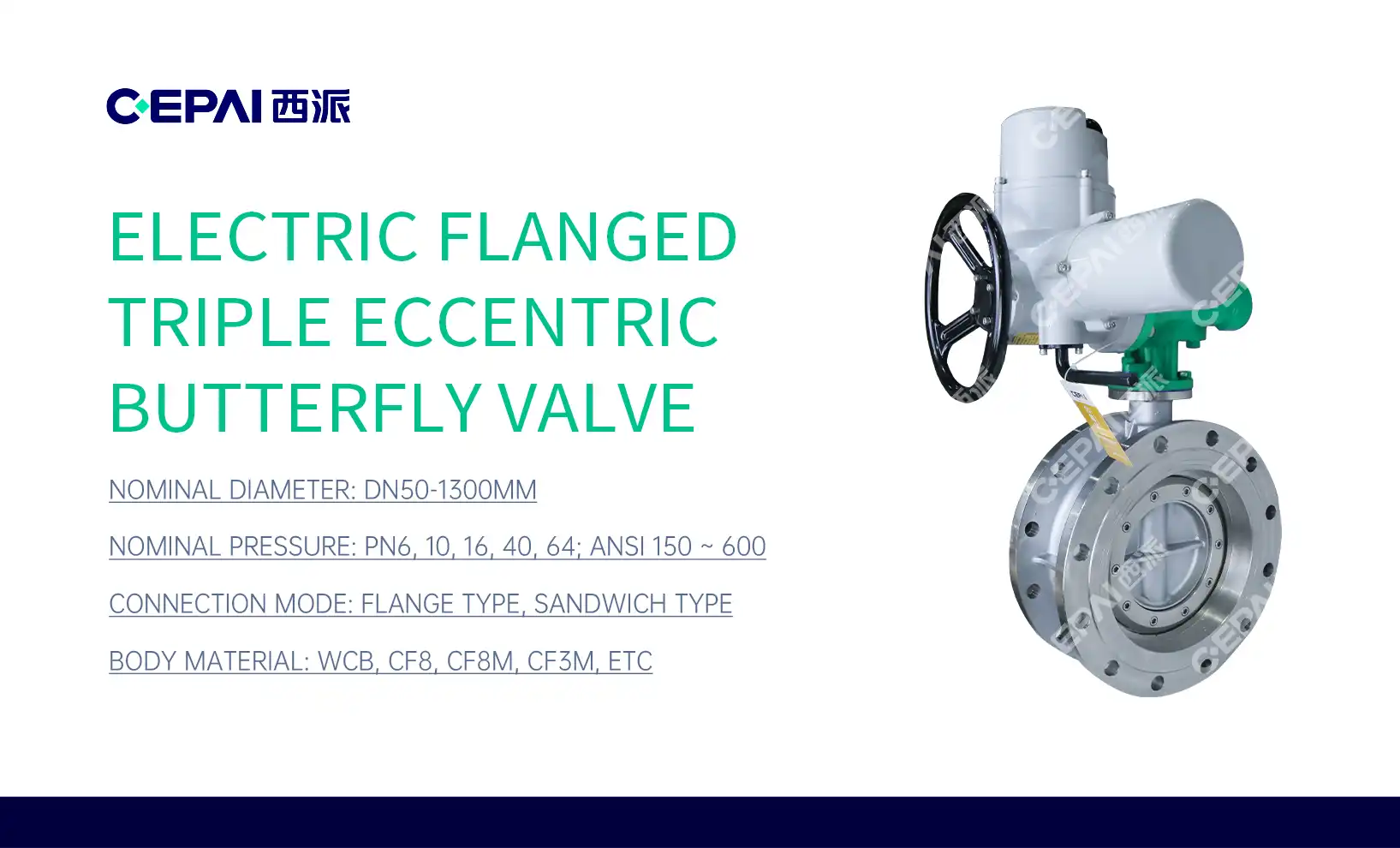
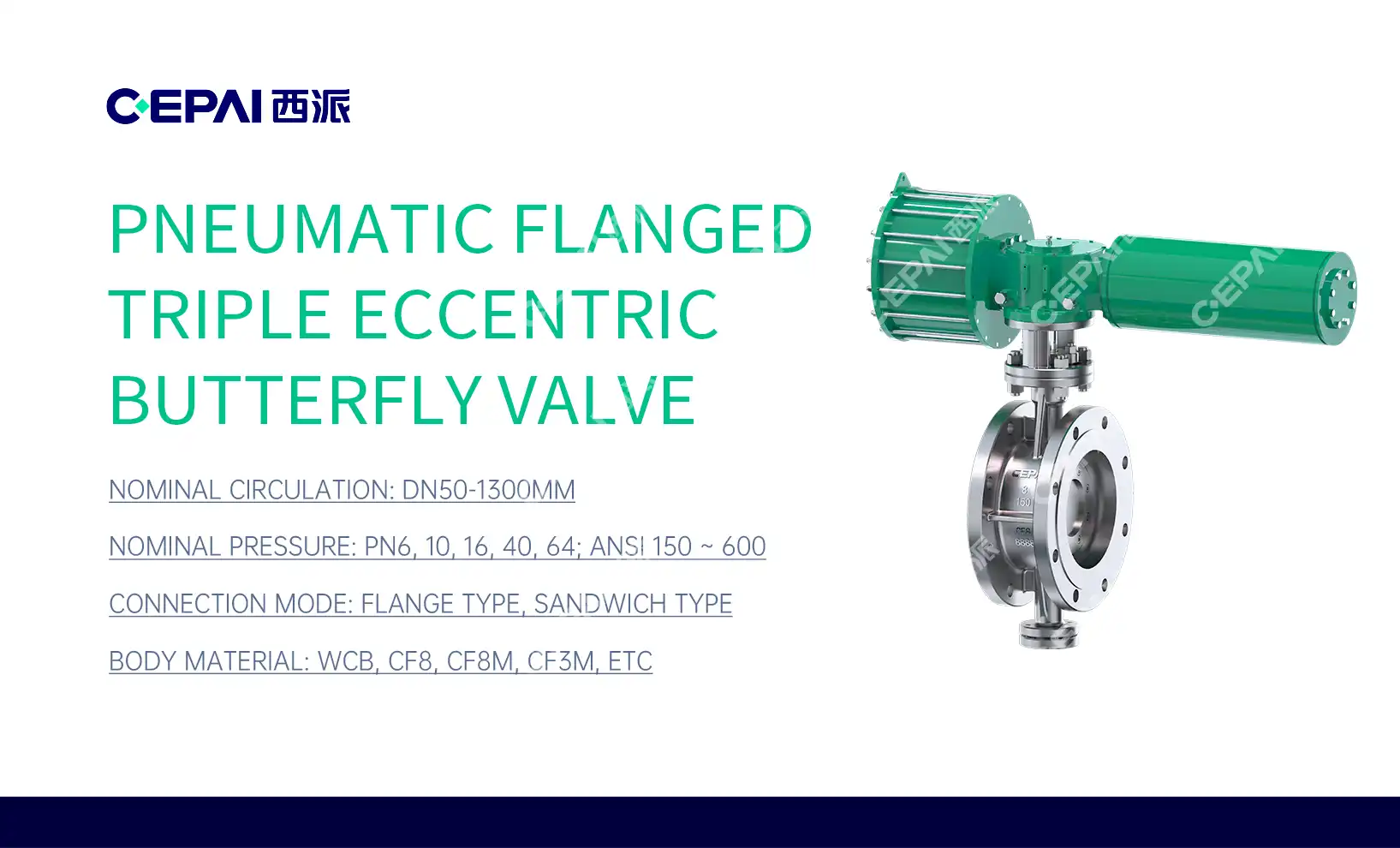
Triple-Offset Butterfly Valve with High Performance
Triple offset butterfly valves work great in tough FGD situations because their special geometric shape keeps the disc from rubbing against the seat while they're in use. The three offsets in this design are the cone angle offset, the offset between the centerline of the shaft and the centerline of the disc, and the offset between the centerline of the shaft and the centerline of the seal.
If you need to handle hot, corrosive FGD streams, the metal-seated configuration works better than elastomeric seats. The construction of Hastelloy C-276 or Inconel is very resistant to stress corrosion cracking from sulfuric acid and chloride. The design of the valve allows for bubble-tight shutoff while keeping the torque needs low.
Installation flexibility lets you mount it in any direction without changing how it works. The body of the valve usually has a wafer or lug design that makes it easy to connect to a pipeline. Automation compatibility lets you use electric, pneumatic, or hydraulic actuators, depending on the needs of the application. Fire-safe certification meets the standards of the industry for better safety performance.
In limestone-gypsum FGD systems, where rough slurries make other valve technologies less reliable, these valves have been shown to work well. The strong construction can handle changes in temperature and still seals well every time. Compared to other valve types, maintenance intervals are much longer, which lowers operational costs and increases system availability.
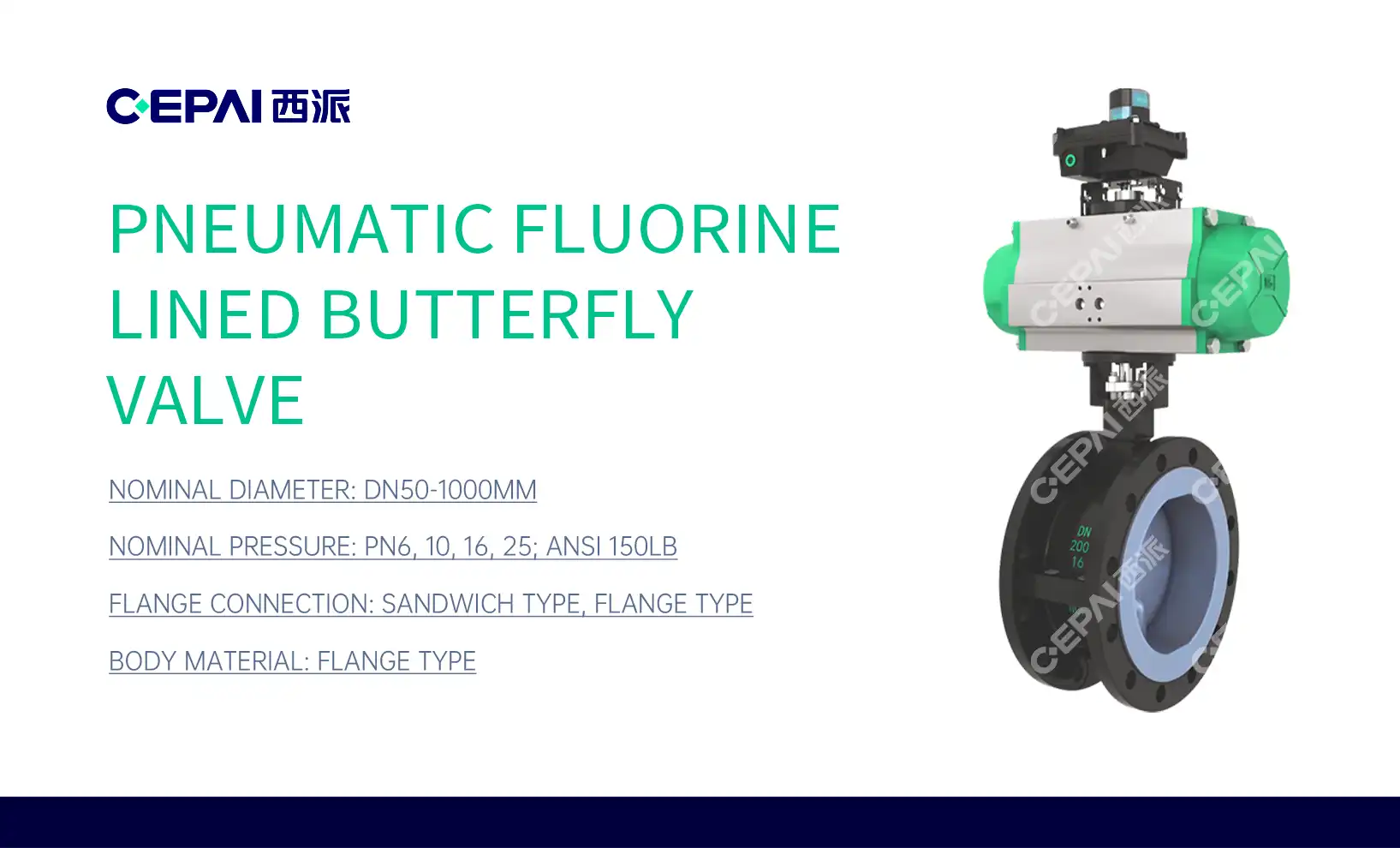
Resilient Butterfly Valve with PTFE Lining that Sits Down
PTFE-lined butterfly valves are very resistant to chemicals and work well in FGD applications with moderate pressures and temperatures. The polytetrafluoroethylene lining is almost completely compatible with all chemicals and keeps the smooth flow properties that are needed for the system to work well.
The body of the valve is usually made of ductile iron or carbon steel, and the whole thing is lined with PTFE. This combination makes the structure strong and protects it from corrosion caused by harsh FGD chemicals. The disc assembly is made of stainless steel and has a PTFE overlay to make it last longer.
The seat design includes PTFE inserts that can be changed out, which lets maintenance be done in the field without having to replace the whole valve. This feature cuts down on maintenance costs and downtime by a large amount. Standard pneumatic actuators can be used with this valve design to make it work automatically.
Due to the non-stick nature of PTFE surfaces, flow characteristics stay the same over the life of the valve. This consistency helps keep the FGD system working well for longer periods of time. The valve design works in places where the temperature is up to 200°C and the pressure is up to 16 bar, which is most of the time when wet FGD is used.
Alloy Butterfly Valve That Doesn't Corrode
For FGD service, special alloy butterfly valves made from high-tech materials like super duplex stainless steel or nickel-based alloys are used. These materials are better at resisting stress corrosion cracking and chloride-caused failures that happen a lot in FGD environments.
The valve is made up of an investment cast body and a disc that have been machined to exact specifications to ensure the best performance. Surface treatments, such as passivation or special coatings, make things even less likely to rust. Precipitation-hardened stainless steel is used for shaft materials because it is stronger and lasts longer.
Graphite or PTFE seats are used in sealing technology depending on the temperature needs. The design of the seat makes it possible to replace it in the field using common tools, which makes maintenance easier. Materials used in bearing systems are resistant to corrosion and work well with the FGD process.
These valves work great in high-chloride FGD situations where regular stainless steels don't work well. The special alloys keep the structure strong even when it's under a lot of stress and stop localized corrosion attacks. In harsh FGD environments, the service life is usually two to three times longer than with regular valve materials.
Butterfly Valve Lined with High-Temperature Ceramic
Ceramic-lined butterfly valves are used in FGD applications that need to work at very high temperatures and where metal parts can't handle the stress of the heat. The ceramic lining is very good at protecting against thermal shock and also against erosion and corrosion.
The construction uses a steel valve body that has a full ceramic coating that is put on using special thermal spray methods. The ceramic material is usually made of aluminum oxide or special composites that work best for FGD service. Disc assemblies have the same ceramic treatments to protect them completely.
The lining process makes interfaces that are metallurgically bonded and don't delaminate when temperatures change. As part of quality control, ultrasonic testing is used to make sure the bond is strong and surface inspections are done to make sure the coating is uniform. The finished valve can withstand temperatures of up to 400°C without losing its shape.
Installation requirements include having the right support systems in place to deal with changes in temperature. The design of the valve allows for standard flanged connections and produces a bubble-tight seal. As part of routine maintenance, the ceramic lining is checked on a regular basis using special tools.
Smart Butterfly Valve System that is Automated
Modern FGD applications use advanced butterfly valve systems that combine smart actuators with complex control systems. These systems can precisely control the flow of fluids and also offer full monitoring and diagnostic tools.
The valve assembly uses tried-and-true butterfly valve technology along with electric actuators that are controlled by a microprocessor. Built-in sensors constantly check the parameters of position, torque, temperature, and vibration. Modbus, Foundation Fieldbus, and HART are all communication protocols that can be easily connected to plant control systems.
Predictive maintenance looks at operational data to find problems that might happen before they do. This proactive approach cuts down on unplanned shutdowns and makes the best use of maintenance scheduling. Operators can check on the performance of valves from central control rooms using remote monitoring.
When the power goes out or there is an emergency, the system can automatically move the valves to safe positions that have already been set. Features that let you override operations manually give you operational flexibility during maintenance tasks. Common problems that diagnostic functions find include actuator malfunctions, excessive torque needs, and position feedback errors.
What the Global Market is Like and How it Works?
Laws about the environment in different parts of the world affect the need for FGD valves. Through EPA rules, the US puts strict limits on SO2 emissions, and EU directives require the same kind of controls. Chinese and Indian markets, in particular, have made rules stricter as people worry more about the environment.
Regional differences in material choices come from the way engineering is done and how supplies are moved. In North America, markets like valves made in the United States that meet ASME standards. But in Europe, following EN and IEC rules is more important. Asian markets often need solutions that meet performance standards and don't cost a lot of money.
How valves are chosen is affected by cultural preferences in a big way. German engineering practices put a lot of weight on being accurate and dependable, which makes the specifications for valves very good. People in China really want value-engineered solutions because they can balance cost and performance so well. Applications in the Middle East put a lot of value on tried-and-true technologies with well-established service networks.
In different places, you need different kinds of certifications. For instance, some markets need their own ways of testing and approving things. It takes longer and costs more to find the right valve because of these different rules, so international projects need to be planned early on.
Tips and Things to Think About Before You Buy
To buy a FGD valve that works, you need to carefully match the technical details with how it will be used. To begin, carefully study the process, making sure to include a wide range of temperatures, pressure needs, and chemical exposure levels. This analysis helps you pick the right materials and make the best design plans.
The most important things to look at when judging a supplier are their technical knowledge, the quality of their work, and their customer service skills. For important uses, get detailed certifications and quality records for the materials. You might want to look at suppliers who have done FGD before and set up reference installations.
The total cost of ownership must take into account the price paid for the item at first, the cost of installation, the cost of repairs, and the expected length of time it will last. When costs are lower at first, they often go up over time because of more maintenance and less time between service visits.
When it comes to custom designs or special materials, delivery times need to be carefully thought out. Standard valve configurations may have faster delivery times, but they may not be as good at making performance better. Custom solutions work better, but they take longer to make.
Industry Trends and Summary
FGD valve technology continues evolving toward improved materials, enhanced automation, and predictive maintenance capabilities. Digital technologies including IoT sensors and artificial intelligence enable smarter valve operation and maintenance optimization. Manufacturers invest heavily in advanced materials research to address increasingly challenging FGD operating conditions. These trends drive toward more reliable, efficient, and cost-effective valve solutions for environmental control applications.
Conclusion
Selecting appropriate butterfly valves for FGD applications requires careful consideration of operating conditions, material compatibility, and long-term reliability requirements. The five valve types discussed offer proven solutions for different FGD operating scenarios, from moderate to severe service conditions. Understanding global market characteristics and regulatory requirements helps optimize valve selection for specific regional applications. Successful FGD valve procurement emphasizes total cost of ownership rather than initial purchase price alone. Investment in quality valve technology delivers superior long-term performance while supporting environmental compliance objectives essential for modern industrial operations.
FAQs
What makes butterfly valves suitable for FGD applications?
Butterfly valves offer excellent flow control characteristics, cost-effectiveness, and ability to handle large volumes typical in FGD systems. Their simple design allows for easy maintenance while providing reliable sealing performance in corrosive environments when constructed with appropriate materials.
How do I select the right materials for FGD valve service?
Material selection depends on specific FGD chemistry, temperature, and pressure conditions. Stainless steel grades 316L or duplex alloys work for moderate conditions, while super duplex or nickel alloys suit severe applications. Consider PTFE linings for chemical resistance in lower temperature applications.
What maintenance schedules are typical for FGD butterfly valves?
Maintenance intervals vary based on valve type, materials, and operating conditions. High-quality valves in properly designed systems typically require inspection every 6-12 months, with major maintenance every 2-3 years. Predictive maintenance technologies can optimize these schedules based on actual performance data.
Partner with CEPAI for Premium FGD Butterfly Valve Solutions
CEPAI delivers world-class butterfly valve solutions engineered specifically for demanding FGD applications across global markets. Our comprehensive product portfolio includes specialized materials, advanced designs, and intelligent automation systems that maximize operational reliability while minimizing total cost of ownership.
As a certified butterfly valve manufacturer with API 6D, API 6A, and ISO 9001 certifications, CEPAI maintains rigorous quality standards throughout our manufacturing processes. Our engineering team collaborates closely with clients to develop customized solutions that address specific FGD operating challenges. Whether you need standard configurations or specialized designs, our production capabilities ensure reliable delivery schedules.
Our butterfly valve designs incorporate proven materials including super duplex stainless steel, Hastelloy, and specialized coatings optimized for FGD service conditions. Advanced sealing technologies provide bubble-tight performance while minimizing maintenance requirements. Automation options include intelligent actuators with comprehensive monitoring and diagnostic capabilities.
Global technical support ensures responsive service regardless of installation location. Our experienced application engineers provide comprehensive design assistance, installation guidance, and ongoing operational support. When you need reliable butterfly valve solutions for critical FGD applications, contact us at cepai@cepai.com to discuss your specific requirements with our technical experts.

References
Smith, J.R., and Anderson, M.K. "Advanced Materials for Flue Gas Desulfurization Valve Applications." Journal of Environmental Engineering Technology, Vol. 45, No. 3, 2023, pp. 234-251.
Chen, L., Rodriguez, P., and Thompson, D.W. "Butterfly Valve Performance in Corrosive FGD Environments: A Comparative Study." Industrial Valve Review, Vol. 28, No. 7, 2024, pp. 45-62.
Williams, R.A., and Kumar, S. "Regulatory Compliance and Valve Selection for Global FGD Systems." International Environmental Control Handbook, 4th Edition, Technical Publications Inc., 2023.
Johnson, M.E., Lee, H.S., and Brown, K.T. "Life Cycle Cost Analysis of FGD Valve Technologies in Power Generation Applications." Power Plant Engineering Quarterly, Vol. 52, No. 2, 2024, pp. 78-95.
European Commission Directorate-General for Environment. "Best Available Techniques Reference Document for Large Combustion Plants - Valve Technology Guidelines." Official Publications Office, Brussels, 2023.
Zhang, W., Miller, J.F., and Garcia, A.M. "Predictive Maintenance Strategies for FGD System Valves: Industry Best Practices." Process Safety and Environmental Protection Journal, Vol. 167, 2024, pp. 445-458.
_1746598531170.webp)