A motorized ball valve needs to be regularly maintained in order to make sure it works well. This includes checking the electrical motors, cleaning it, replacing the seals, and making sure the moving parts stay lubricated. Depending on how the equipment is used, the right repair plan includes eye checks every three months, electrical testing every six months, and full overhauls every year. In industrial settings, these automatic valve systems need special care for their mechanical parts and electrical control systems to keep the pipeline running smoothly and avoid expensive downtime.

Understanding Motorized Ball Valve Maintenance Fundamentals
Automated valve systems use advanced motors with old ball valve mechanisms to give exact flow control in tough industrial settings. These devices are very important for oil and gas operations, petroleum processing, and pipeline networks where working by hand would be impossible or dangerous. Due to how complicated these systems are, they need to be fully repaired in ways that fix both the mechanical parts and the electrical ones.
Core Components Requiring Maintenance
Automated ball valves have a basic structure that includes a few important parts needing special care. The main flow control device is made up of the ball and seat assembly, and the actuator system gives the ability to work automatically. Maintenance teams come up with good ways to keep these systems working well and reliably over time when they understand how they are all linked.
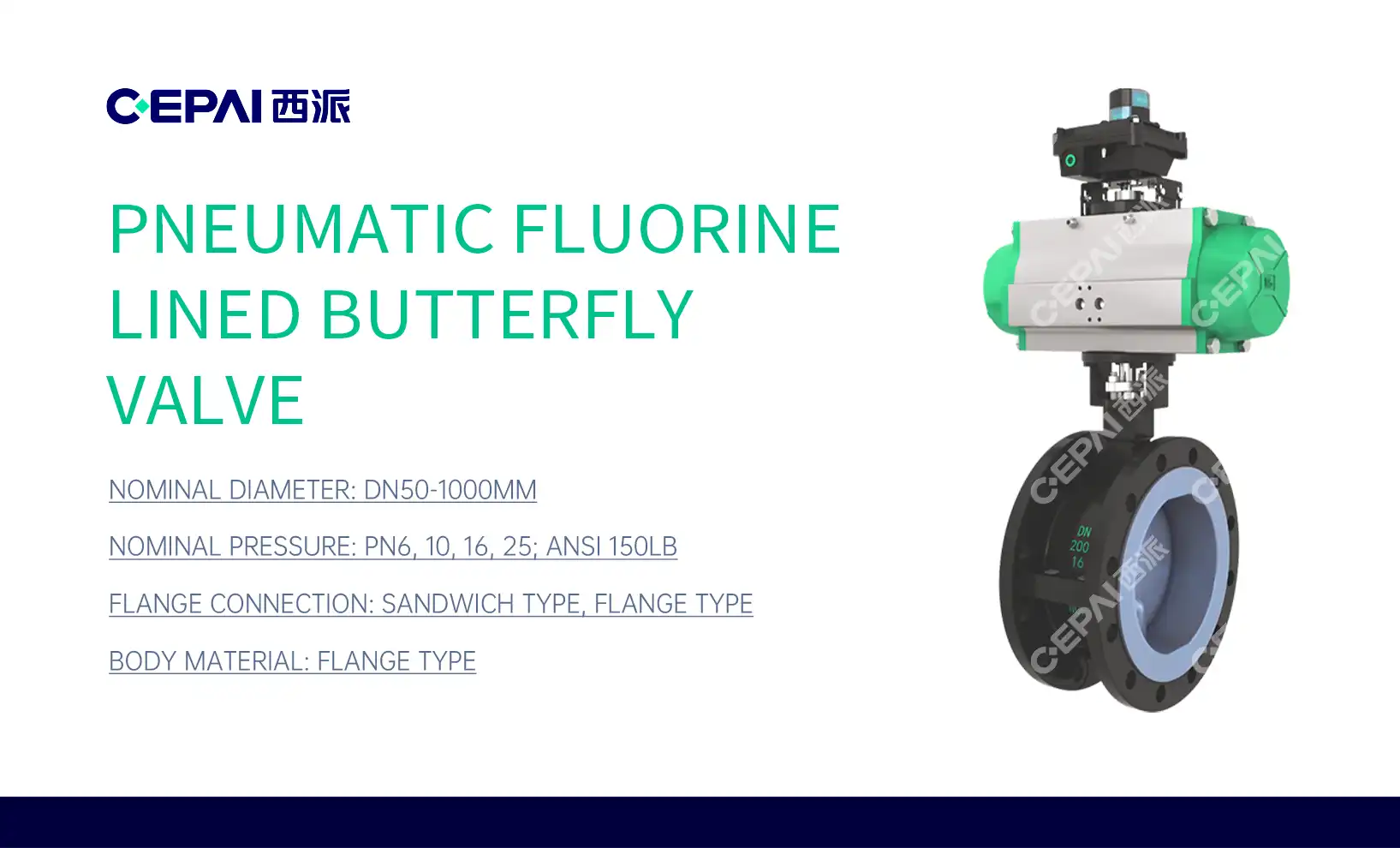
Electrical controllers have motors, gear trains, and control systems that work in different situations. These parts are worn down by constant movement, changes in temperature, and being in industry settings. Pneumatic controllers use systems that rely on compressed air, which makes it necessary to pay attention to air quality, pressure regulation, and mechanical connections.
Environmental Challenges in Industrial Applications
Industrial pipelines have problems that are not found in other settings. These problems make parts wear out faster and require special ways of maintaining the pipeline. Valves must be able to withstand harsh circumstances like corrosive chemicals, very hot or cold temperatures, and high-pressure activities.
Different materials are affected by chemicals in different ways, so each material needs to be cared for in a specific way. Thermal cycling makes things expand and contract, which can affect the seal and the actuator's ability to do its job. Vibrations from pipeline work and tools can make links loose and change how well you can control the pipeline.
Key Maintenance Tasks for Motorized Ball Valves
Maintenance plans that work include regular checks, planned repairs, and performance-improving steps that are meant to get the most lives and efficiency out of motorized ball valves. These methodical ways help find possible problems before they lead to business fails or safety events.
Visual Inspection Procedures
Regular eye inspections are a key part of any good repair program because they give techs a chance to see clear signs of wear, damage, or deterioration. These checks should focus on the parts, links, and positioning systems on the outside that can show how the inside is doing or if there are problems with the operation.
Seal cleaning includes looking for obvious leaking, breaking, or distortion that shows the need to repair them. During an actuator housing checkup, the fixing nuts, electrical links, and signaling systems are checked to make sure they are working correctly. Wiring leads need to be checked for rust, insulation damage, or connections that aren't tight because these things could make the controls stop working.
Lubrication and Cleaning Protocols
Proper lubrication makes sure that the actuator assembly's mechanical parts work smoothly and don't wear out too quickly. Different actuators need different kinds of lubricants and application times depending on how they are used and what the maker says.
Cleaning methods get rid of things that can mess up how the valve works or make it run down faster. While internal cleaning during overhauls gets junk off of moving parts and gear trains, external cleaning stops housing surfaces from getting corrosive. When you clean electrical parts, you have to be careful not to get them wet or mess up the delicate connections.
Electrical System Maintenance
Special tests and maintenance must be done on the electrical systems in automatic valves to make sure that the control and return messages are always working right. Motor circuits, position input devices, and control links that talk to plant automation systems are all part of these systems.
Connection testing checks the continuity and insulation resistance of wire ends, junction boxes, and the interfaces of control cabinets. Calibration testing makes sure that the position input is correct and that the system responds correctly to the control messages. Motor testing includes measuring insulation resistance, analyzing current draw, and keeping an eye on heat activity to find problems before they get worse.
Troubleshooting Common Motorized Ball Valve Issues
Systematic fixing methods help maintenance teams quickly find the root causes of valve performance problems and fix them in the right way. A quick evaluation and short downtime during fixes are possible when you know about typical failure modes and their signs.
Mechanical Operation Problems
Mechanical problems often show up as slow operation, partial closing, or locking during motorized ball valve cycles. These signs usually happen because the actuator unit doesn't have enough grease, parts are wearing down, or dirt is getting inside.
Bushings that are worn out, gear teeth that are broken, or the interference of materials that don't belong there may cause binding problems. When an action is not finished, it is often because of actuator power limitations, valve seat wear, or calibration drift. These problems need a methodical study of the technical parts and the way they are run in order to find the exact reasons.
Electrical Control Malfunctions
Electrical issues show up as controls that don't respond, operations that don't follow a set plan, or position feedback that isn't right. These problems can be caused by issues with the wires, parts that fail, or control system conflicts that happen as time goes on.
Signal tracking, component testing, and system calibration checking are all parts of the diagnostic process. Issues with the power source, ground flaws, and signal crosstalk can be fixed properly and successfully only with special test tools and knowledge.
Comparing Maintenance Needs Across Motorized Ball Valve Types
When creating a detailed repair plan, the different valve designs and materials that affect how they must be cared for must be taken into account. Knowing these differences helps repair plans and resource planning for different valve groups run most efficiently.
Material-Specific Maintenance Considerations
Stainless steel valves fight rust very well, but you need to be careful about galling and make sure the right torque specs are used when putting them together. These valves keep their shape over a wide range of temperatures, but they may become more brittle in situations with a lot of cycles.
It is especially important to check carbon steel valves for rust often in places that are wet or acidic. Protective coats need to be reapplied every so often, and parts on the inside may need to be replaced more often because of wear from rust. Brass and bronze valves work well in uses with low pressure, but they need to be checked for dezincification in some types of water.
Actuator Type Maintenance Differences
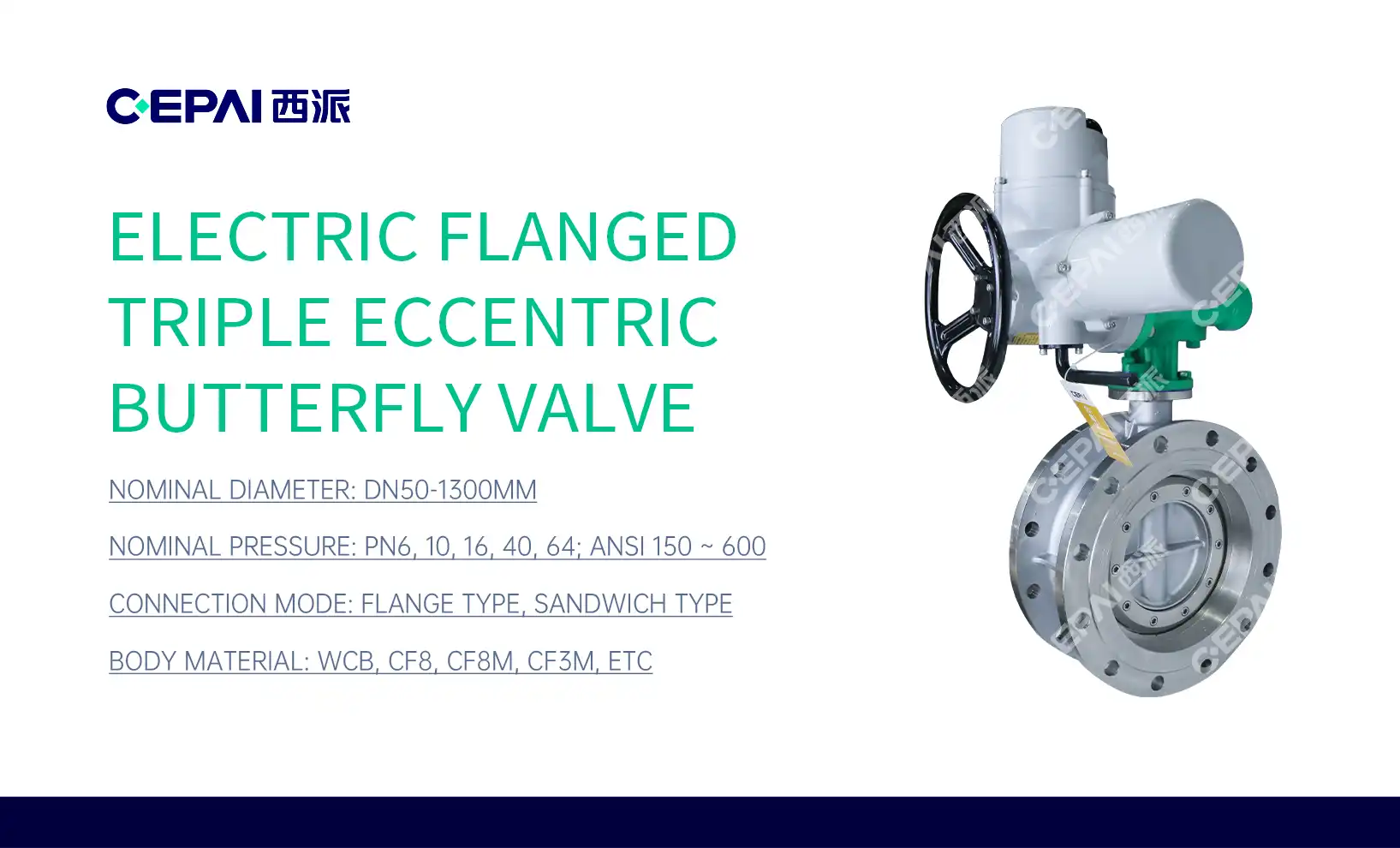
During repair, electrically powered motors need general safety measures for working on live gear, and to figure out what's wrong, they need specialized testing gear. These units give you exact control and position input, but they are harder to fix at home because they have more complicated electronics.
Pneumatic actuators need clean, dry compressed air, so they need to regularly take out filters and get rid of moisture. These systems work quickly and safely, but to get the best performance, the air source quality and pressure must be monitored.
Best Practices and Long-Term Strategies for Efficient Valve Maintenance
Using a wide range of maintenance methods helps keep motorized ball valves working reliably while also getting the best upkeep prices and resource use. These methods use predictive tools, normal ways of doing things, and relationships with suppliers to get the best results.
Preventive Maintenance Scheduling
Risk-based maintenance scheduling uses information on running severity, valve criticality, and past performance to find the best check times and resource distribution. In high-stakes situations, critical valves need to be checked more often than those in less important ones.
By giving information about performance and trend analysis in real-time, condition-based tracking tools help with maintenance optimization. Vibration tracking, thermal images, and electrical signature analysis can help find problems before they cause breakdowns.
Documentation and Training Programs
Detailed repair records help maintenance teams stay consistent and remember what they know. Detailed steps, tips for fixing problems, and records of performance all make it possible to do good upkeep and keep making things better.
Training classes teach repair staff about new tools and best practices. Regularly learning about new valve technologies, testing methods, and safety steps makes upkeep and safety more effective.
Conclusion
Automated ball valves in industrial pipes need to be properly maintained, which requires addressing both the mechanical and electrical parts in a planned way. Regular check plans, proper cleaning methods, and fixing problems before they happen all help make sure effective operation and a longer service life. Understanding the specific needs of different valve and actuator systems makes it easier to plan and use repair resources. By keeping an eye on things, using standard methods, and working with suppliers, you can keep valves reliable and cut down on running costs. Success rests on mixing technical knowledge with good parts and making sure that people always do repairs in a way that is known to work.
FAQs
How often do motorized ball valves in industrial pipes need to be taken care of?
How often maintenance is done depends on how the valve is used and how important it is to the system. Usually, this ranges from quarterly eye checks to yearly full rebuilds. Valves in hard or very important settings may need to be checked once a month, but valves in more mild settings can be easily checked twice a year. Environmental factors like very hot or cold temperatures, toxic substances, and high cycle rates mean that upkeep has to be done more often.
What unique tools do you need to take care of a motorized ball valve?
Torque wrenches, insulation resistance testers, and precise pressure gauges are some of the tools that are needed to put things together, check on electrical systems, and run tests. Vibration monitors, thermal imaging cameras, and electrical signature analysis tools may be needed for advanced diagnosis. You can do basic upkeep with regular hand tools, but for electrical work, you need to hire trained pros and use the right safety gear.
What are the signs that show repair needs to be done right away?
External leaks, slow or incomplete operation, strange noise during spinning, and error messages in the control system are critical signs. Corrosion that can be seen, wiring that is broken, or differences in position feedback also need to be fixed right away. Any departure from normal working settings should spark research to find possible fails or safety issues.
Partner with CEPAI for Premium Motorized Ball Valve Solutions
CEPAI is a top motorized ball valve maker with a lot of experience providing dependable automation solutions for tough industrial uses. Our wide range of products includes electric and gas valves that drilling engineers and procurement managers depend on to meet tough API and ISO approval standards.
We can make wellhead systems, pipeline valves, and controlling valves, and our work is certified by APIQ1, API6A, API6D, and ISO9001. To make sure that valves always work well, we offer full expert help. This includes maintenance advice, providing extra parts, and field service. Our global transportation network and quality control methods make sure that partnerships with motorized ball valve suppliers are always reliable.
The engineering team at CEPAI works closely with EPC contractors and OEM developers to make sure that each project's needs are met with custom valve solutions. We keep a lot of goods on hand so we can quickly meet our customers' needs, and we offer full after-sales support to reduce downtime and improve business efficiency. To talk about your motorized ball valve needs and learn how our tried-and-true methods can improve your pipeline work, email us at cepai@cepai.com.
References
American Petroleum Institute. "API Standard 6D: Specification for Pipeline and Piping Valves." Twenty-Fourth Edition, 2019.
International Society of Automation. "ISA-75.05.01: Control Valve Terminology." Research Triangle Park: ISA, 2018.
Valve Manufacturers Association. "Maintenance and Repair Guidelines for Industrial Control Valves." Fourth Edition, 2020.
National Association of Corrosion Engineers. "NACE SP0169: Control of External Corrosion on Underground Metallic Piping Systems." Houston: NACE International, 2021.
American Society of Mechanical Engineers. "ASME B16.34: Valves - Flanged, Threaded, and Welding End." New York: ASME Press, 2019.
International Electrotechnical Commission. "IEC 60534: Industrial-Process Control Valves - Part 4: Inspection and Routine Testing." Geneva: IEC, 2020.