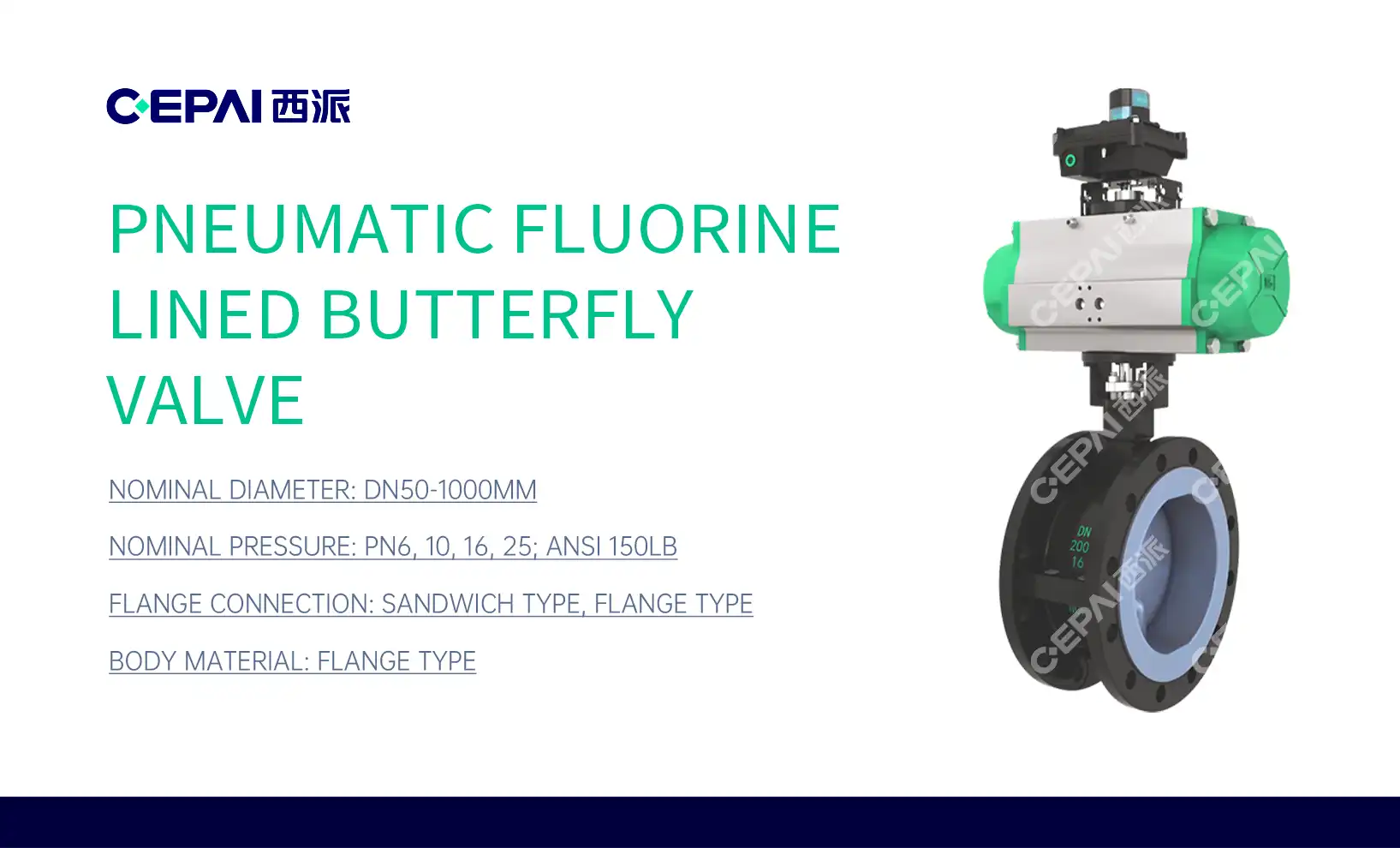
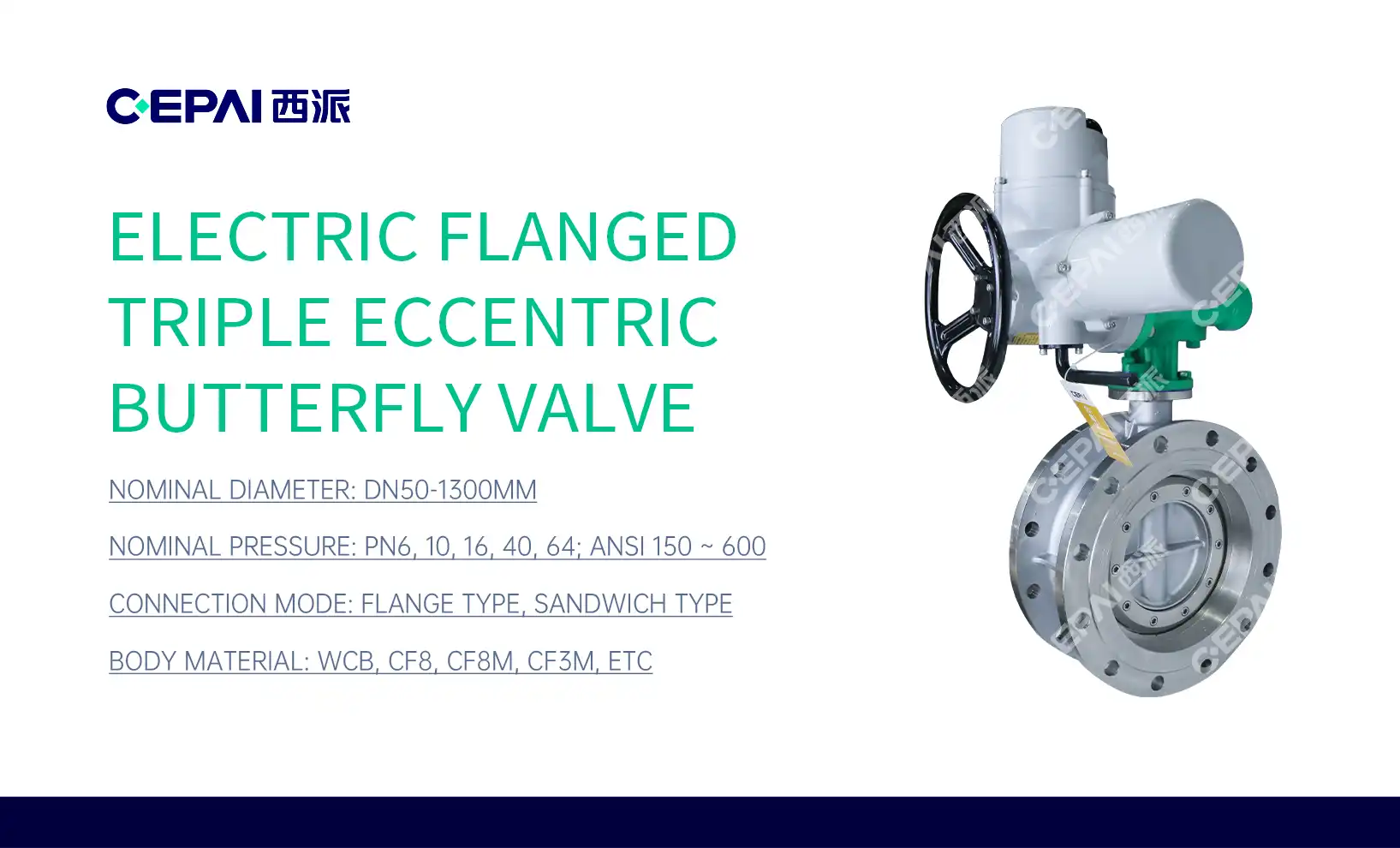
When you compare pneumatic and electric butterfly valve actuator systems, you need to think about how they will be used, where they will be used, and how well they need to work. While electric motors offer exact control and the ability to connect to digital systems, pneumatic ones use compressed air to quickly and reliably work even in difficult settings. The selection process makes sure that the best valve automation performance is achieved by looking at things like speed needs, how accurate the control is, how much power there is, how much upkeep is needed, and the overall cost of ownership.
In the fields of oil and gas research, pipeline operations, and petrochemical processes, butterfly valves are very important parts of systems that control fluids. Actuator selection has a huge effect on how well the system works, how much it costs, and how safe it is. This all-inclusive guide helps procurement managers, drilling engineers, and pipeline integrity teams make smart choices that boost the speed of their work while still meeting tough industry standards and rules.

Understanding Butterfly Valve Actuators and Their Operating Principles
Pneumatic Actuator Fundamentals
Pneumatic actuators use pistons or diaphragms to turn the energy of compressed air into mechanical motion. These systems usually work at pressures between 60 and 120 PSI. They can turn very fast and give a lot of power. The actuator unit is powered by the compressed air source, which turns the valve disc 90 degrees to control the flow. Pneumatic systems are great for uses that need to be able to quickly turn off the system in an emergency, as well as for uses that need to work in dangerous environments where electrical parts would be unsafe.
Electric Actuator Technology
Electric actuators use motor-driven devices, usually AC or DC motors with gear reduction systems, to make the power that is needed to operate the valve. These units include advanced control electronics that allow for exact placement, changing control, and smooth contact with spread control systems. Electric motors work the same way no matter how hot or cold it is outside. They also don't need to be connected to a compressed air system, which makes them a good choice for setups in remote locations.
Valve Integration Characteristics
Both kinds of actuators link to butterfly valves through standardized mounting connections, which makes sure that they work with different brands. Actuator connection must be aligned and torqued correctly to avoid early wear because it sends spinning force to the valve stem. Position feedback systems, human control possibilities, and fail-safe devices that put the valve in a certain state when power or air supply fails are all safety features.
Comparing Performance and Application Suitability
Speed and Response Characteristics
Performance review shows that each type of actuator has its own benefits in a range of working factors. Here are the main speed factors that affect how well an application works:
Actuation Speed: Pneumatic actuators can do a full stroke in 1 to 15 seconds, which makes them perfect for emergency shutdowns and quick cycle needs that are common in drilling and pipeline safety systems.
Control Precision: Electric motors allow for precise flow regulation and automatic control processes within ±1% of full scale, which means they can place exactly where they need to be.
Power Use: Electric machines use power only when they are moving, but pneumatic systems need air all the time, which changes the cost of running them in places where power has to be shipped.
Environmental Resilience: Pneumatic actuators are better able to handle very hot and cold temperatures as well as dangerous environments. This makes them a good fit for underwater drilling platforms and uses that deal with corrosive gas.
These performance features have a direct effect on how reliable the system is and how much upkeep it needs. This helps engineering teams choose motors that meet the needs of different applications and work well in different environments.
Industrial Application Case Studies
Real-world examples show that the choice of motor affects how well the system works. In offshore drilling, air actuators on choke valves allow for quick action that is needed to keep well pressure under control during critical steps. On the other hand, electric motors on pipeline control valves make it possible to change the flow rate exactly so that the shipping efficiency is improved. Electric motors are commonly used for process control in refineries, where the need for precise placement and computer integration is more important than speed.
Cost, Procurement, and Lifecycle Considerations
Total Cost of Ownership Analysis
A full cost assessment includes more than just the price of the actuator itself; it also includes the cost of installing it, running it, and keeping it working for as long as it is in use. Pneumatic valves usually need less money at first, but they do need a system for making and delivering compressed air that always has to be in place. While electric motors are more energy-efficient and don't need to be serviced as often, they are more expensive upfront.
Procurement Strategy Factors
When making strategic buying choices, you need to look at how well suppliers can do their jobs, how well they follow certifications, and how much expert help they can offer. API and ISO approval status, shipping times, extra parts availability, and field service support are some of the most important things to think about. When makers with a history of making good products in oil and gas uses make your products, you can be more sure that they will work and follow the rules. This lowers project risks and keeps operations running smoothly.
Customization options become very important when regular goods aren't able to meet the needs of certain applications. OEM partnerships allow for custom solutions that take into account different weather conditions, performance needs, and integration requirements. They also keep costs low by buying in bulk.
How to Choose the Right Actuator for Your Applications?
Decision Matrix Evaluation
A thorough study of several factors that affect long-term performance and operating success is needed to choose an actuator for butterfly valve. The way you make decisions in this case should depend on the following: the setting where the system will be used, how much it needs to work with other systems, whether it meets safety standards, and whether you have the resources to maintain it. Procurement teams use the following structure to make choices based on data:
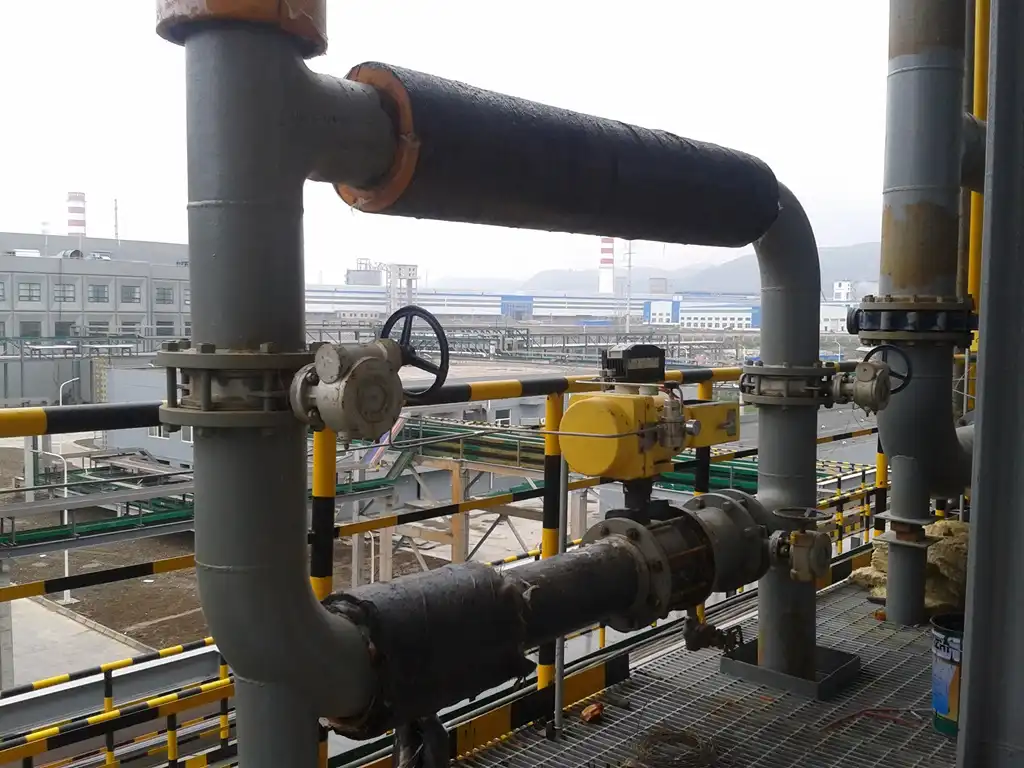
Environmental Compatibility: Check the temperature and humidity levels, the risk of explosions, and the possibility of corrosion to see if the actuator will work in the places you want to put it.
Performance Requirements: Based on the needs of the process and how it is supposed to work, set the standards for placement accuracy, cycle frequency, power, and speed.
Integration Needs: Check how well the control system works with each other, how they need to talk to each other, and how hard it is to automate things to make sure that the system integration goes smoothly.
Maintenance Capabilities: Consider available maintenance expertise, spare parts inventory strategies, and service access limitations for remote installations.
This methodical way of choosing actuators makes sure that both the current and future needs of the business are met. This helps the business stay reliable and get the most out of its investments.
Industry-Specific Recommendations
Different performance goals are based on the needs of the business and the rules that apply to it. Drilling operations value quick reaction and explosion-proof designs. For this reason, they prefer gas valves for safety purposes. For valve uses, pipeline companies often choose electric controllers because they stress energy savings and online tracking. Petrochemical plants need to carefully manage and automate their systems. Because of this, electric motors are commonly used for process optimization.
Practical Tips for Installation, Maintenance, and Troubleshooting
Installation Best Practices
Actuators will work better and last longer if installation is done correctly. It also stops breakdowns and safety issues before they happen. When you put something, you need to be very careful with the orientation, torque specs, and environmental protection measures. Pneumatic systems need to be able to properly filter air, control pressure, and prevent leaks. Electric systems need to make sure that electrical safety and grounding systems are in place.
Preventive Maintenance Strategies
Maintenance plans that are based on actuator technology can help keep things working and stop unexpected problems from happening. Regularly checking seals, keeping up with cleaning plans, and taking care of the air system are all good for pneumatic valves. Electric devices need to test the motor, calibrate the control system, and check the connections every so often. Both kinds of positions feedback verification and emergency function testing are helped by both kinds of positions feedback verification and emergency function testing to make sure they work well when it matters.
Troubleshooting steps help maintenance groups quickly find and fix common problems with operations. Understanding failure causes, diagnosis methods, and repair processes keeps systems up and running by minimizing downtime. When complex fixes are too hard for the people who work there or guarantee issues mean that only factory-authorized service is okay, professional service support becomes very important.
CEPAI: Your Trusted Partner for Butterfly Valve Actuator Solutions
CEPAI specializes in making high-quality valve automation solutions for the oil and gas industries. They do this by mixing knowledge of complex engineering with a wide range of products. Our electric and gas valves are tested and certified to meet API 6A, API 6D, ISO 9001, and other industry standards that are important for drilling and pipeline use.
Our actuator systems work perfectly with wellhead assemblies, choke valves, and pipeline valves. They offer dependable automation for very important tasks. The engineering team at CEPAI works closely with drilling engineers, pipeline workers, and EPC companies to come up with custom solutions that work under certain situations. Our goods meet the dependability and safety standards required by energy companies around the world. They have API Q1, CE, and PR2 approvals.
Technical support services include application planning, installation advice, and field service support. These services help make sure that systems continue to work well for the entire life of the product. Because we focus on quality and new ideas, big oilfield service companies and engineering firms around the world have praised us. This has made CEPAI a trusted partner for important valve automation applications.
Conclusion
Choosing between gas and electric motors for butterfly valves needs a careful study of how well they need to work, the situations they will be in, and how they will be used. Pneumatic valves are great for uses that need a quick reaction, can be used in dangerous environments, and can handle harsh conditions. For uses that require very exact placement and the ability to watch remotely, electric motors offer better energy efficiency, automation integration, and control precision. Knowing these important differences helps people make smart choices that improve system performance and keep costs down.
FAQs
For butterfly valves, what are the best reasons to use air rather than electric actuators?
Pneumatic actuators have faster reaction speeds, better performance in dangerous environments, higher stability in very hot or cold temperatures, and easier fail-safe operation. They're great for emergency shutdowns and places where electrical parts can be unsafe.
How does the choice of actuator affect the flow rate and efficiency of the butterfly valve in the system?
Choosing an actuator affects the control stability, reaction time, and positioning accuracy, which in turn affects the precision of the flow regulation and the efficiency of the system. While gas actuators allow for quicker on-off action for safety purposes, electric ones give better control over modulation to precisely adjust flow.
Is it possible to install different actuator types on current butterfly valves?
Most butterfly valves can be fitted with different kinds of actuators after they have been installed by using the right mounting adapters and connection changes. But, to make sure it works right and meets safety standards, you need to look at the force requirements, mounting connections, and compatibility of the control system.
Partner with CEPAI for Superior Butterfly Valve Solutions
CEPAI offers complete butterfly valve actuator solutions based on a lot of experience in the field and success in tough oil and gas applications. Our technical team gives you expert advice to help you find the best ways to use actuators that meet your unique needs and follow the rules. CEPAI has reliable pneumatic and electric actuators that fully comply with all certifications. You need pneumatic actuators for quick emergency action or electric actuators for uses that need exact control.
Find out how CEPAI's knowledge as a butterfly valve maker can make your valve control systems work better. For technical advice and personalized help, email us at cepai@cepai.com. Our engineers are ready to help your project succeed with new actuator solutions and quick technical support.

References
American Petroleum Institute. "API 6D: Pipeline Valves - Specification for Pipeline Valves." 24th Edition, 2019.
International Society of Automation. "ISA-75.05.01: Control Valve Terminology Standard." Research Triangle Park, NC: ISA, 2018.
Nesbitt, Brian. "Handbook of Valves and Actuators: Valves Manual International." 2nd Edition, Elsevier Science & Technology, 2017.
American Society of Mechanical Engineers. "ASME B16.34: Valves - Flanged, Threaded, and Welding End." New York: ASME, 2020.
Emerson Process Management. "Actuator Technology Selection Guide for Industrial Valve Applications." Technical Publication, 2019.
Flow Control Network. "Pneumatic vs Electric Actuators: A Comprehensive Comparison for Industrial Applications." Industry Technical Report, 2021.