The form and operation of a ball valve and butterfly valve are the main differences between the two. A ball valve controls flow through a quarter-turn action by using a rounded part to open or close the valve. This type of valve seals very well and avoids pressure drop. On the other hand, a butterfly valve uses a disc that turns inside the pipe to control the flow. This is a lightweight and inexpensive way to manage large-diameter applications. Both kinds of valves are very important for industrial pipelines, but they are good for different jobs in oil and gas research, pipeline operations, and petroleum processing because they are different from each other.

Understanding the Basics: Ball Valve and Butterfly Valve
Industrial pipelines need flow control parts that are effective and can handle tough situations while keeping safety in mind. There are two basic ways to handle flow: ball valves and butterfly valves. Each is designed with unique benefits for different uses.
Typically made of stainless steel, brass, or a specific metal, ball valves function through a spinning sphere cap that either allows or stops passage. These valves are very tough and offer very fine control. This makes them an important part of any high-pressure system. Butterfly valves control flow by means of a spinning disc that is in the middle of the pipe. Types like lug, wafer, and double-offset make sure that different pressure levels and fitting needs are met.
How Does a Ball Valve Work?
Ball valves have a ball that is solid, has holes in it, and can turn. When the valve is open, the ball lines up with the flow path. When the valve is closed, the ball forms a tight lock. When fully opened, the circular shape allows for flow in any direction, which gets rid of turbulence and lowers air loss. Stainless steel and brass are strong and resistant to chemicals. Specialized finishes can also be used to make them work better in conditions that cause corrosion.
Full port designs are common in ball valves because they increase flow capacity, but there are also reduced port versions that save room when they are installed and controlled models that can be operated by hand or electricity. This range of uses serves many different areas of industry, from wellhead systems to chemical processing lines.
How Does a Butterfly Valve Work?
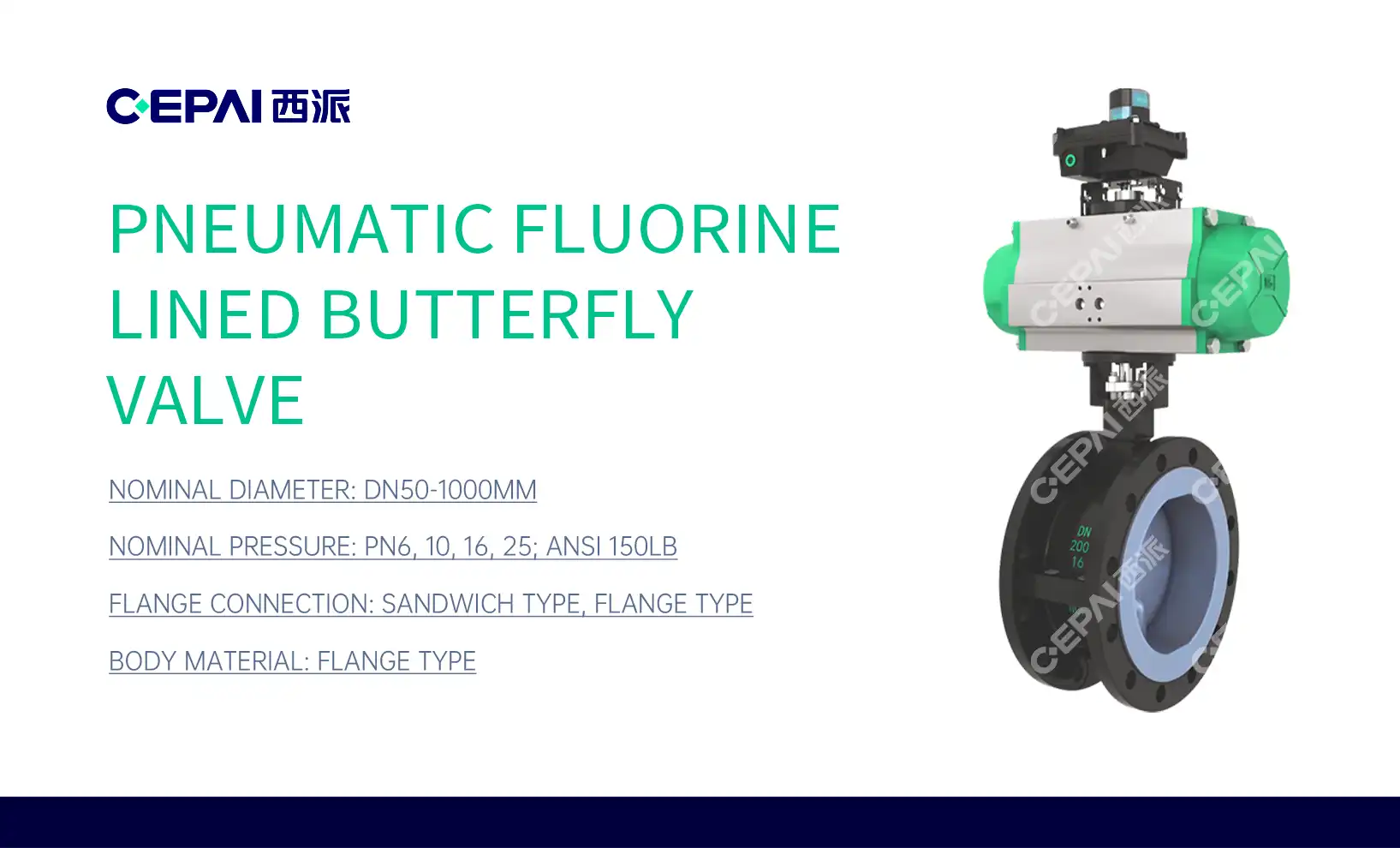
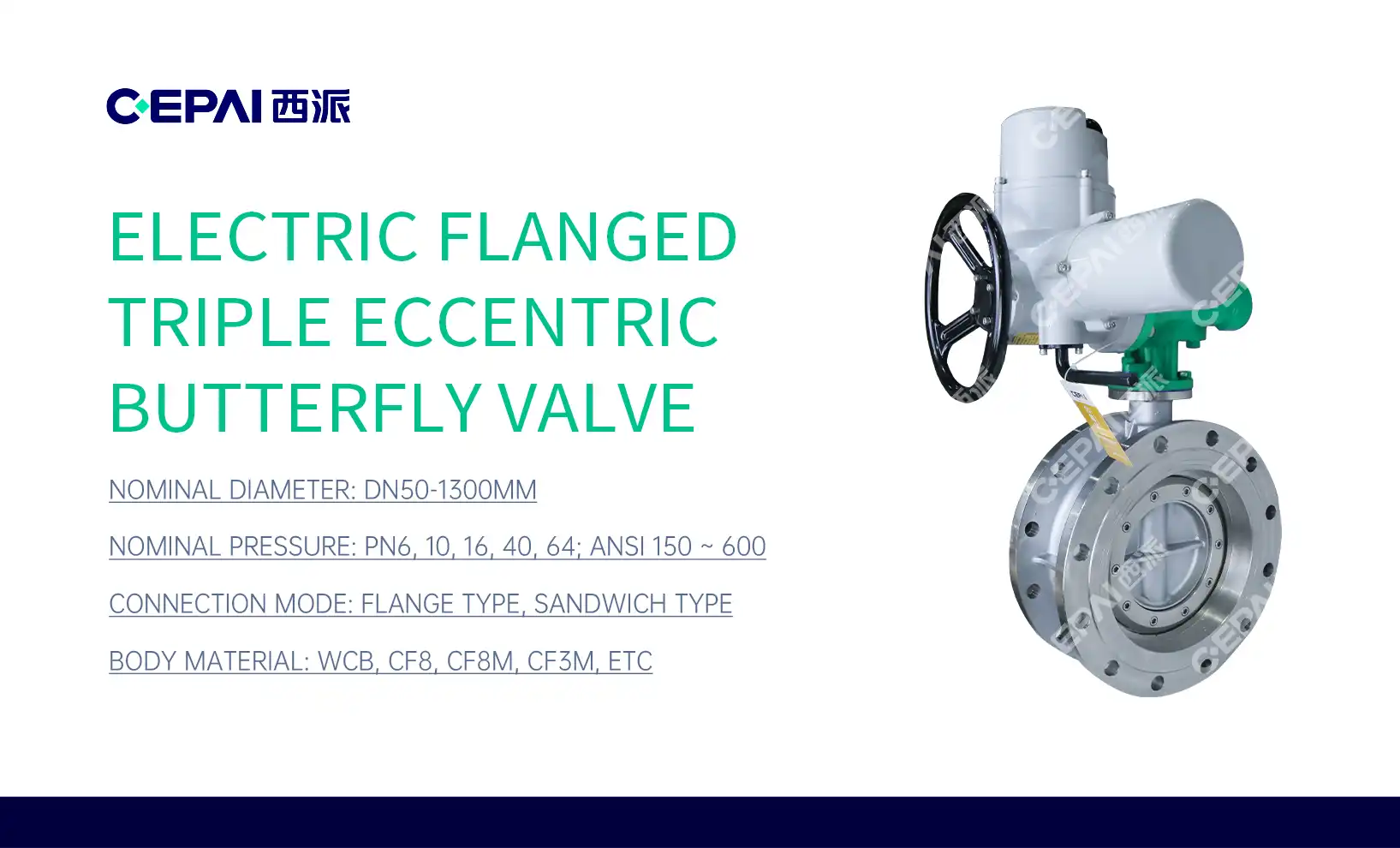
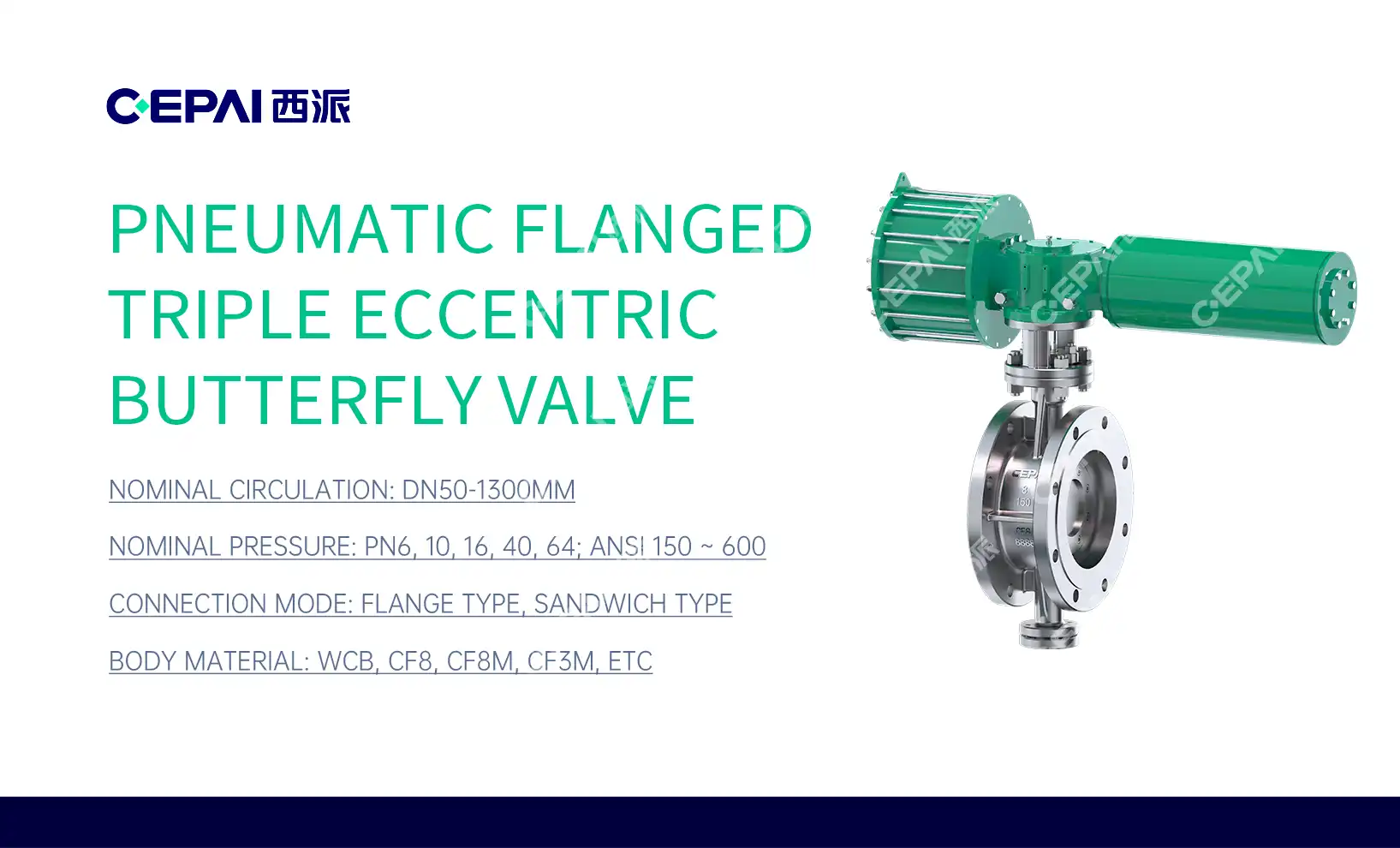
Butterfly valves control flow by quickly turning a spinning disc that's fixed on a central shaft one-fourth of a turn. The flow features depend on the disc's position. When the disc is horizontal, it allows the most flow, and when it is vertical, it provides full shut-off. They are made of everything from cast iron to stainless steel, and flexible seats are often used to improve the closing performance.
Lug-style butterfly valves that bolt right to flanges, wafer designs that fit between pipeline flanges, and double-offset designs that make sealing better are all examples of different designs. These choices make room for different construction needs and pressure levels in a range of industries.
Key Differences Between Ball Valves and Butterfly Valves in Industrial Pipelines
Knowing the basic differences between these kinds of valves helps engineers and buying workers make good choices based on the needs of the job. Each valve design has its own unique benefits that are best suited for certain pipeline uses and performance standards.
Ball valves allow flow through the entire opening, maintain pressure very well, and handle high pressure levels. This makes them especially good for high-pressure situations that need exact control. Butterfly valves have a partial hole design and lower pressure ratings, but they are better for setups with large-diameter pipelines because they are lighter and don't take up much space.
Flow Control and Performance Comparison
When ball valves are fully open, they allow flow without any restrictions. This makes for a smooth flow with little pressure loss across the whole system. They are perfect for important control places where total flow separation is needed because they can shut off flow completely. The circular closing design gets rid of dead areas that could hold junk or make pollution a problem.
Butterfly valves control the flow very well, but they may cause larger pressure drops because the disc blocks the flow line. But their ability to work quickly and their excellent regulating qualities make them useful for automatic control systems or situations where the flow needs to be changed often.
Size, Weight, and Installation Considerations
Butterfly valves are much lighter and more compact than other kinds of valves, especially when they're used in situations with large diameter pipes. Their small form makes placement and structural support easier, which makes them a cheap choice for places that don't have a lot of room. The lightweight design makes upkeep easier to do because it is easier to handle.
Even though ball valves are bigger and heavier, they are easier to maintain because they have fewer parts that need to be fixed or maintained. Their strong build means they can handle tough conditions, and they have a long working life with very little need for maintenance.
Material Compatibility and Operating Conditions
Choosing the right material for a valve is very important for its performance and how long it lasts in a range of working conditions. Built out of stainless steel with PTFE closing parts and special coats, which help with chemical compatibility and resistance to rust. Ball valves work much better than butterfly valves in high-temperature settings and places with a lot of different chemicals. Butterfly valves work best in milder conditions unless they are specially designed for hard media contact.
Industrial Use Cases and Decision Criteria for Valve Selection
Choosing the right valve technology needs a close look at how it will be used, how it will be affected by the surroundings, and how well it needs to work. Different fields of industry have different problems that make certain valve and design features more useful.
The choice grid includes flow control accuracy, fitting issues, pressure needs, the area where it will be used, and long-term upkeep plans. In real-world situations, you can see how these factors affect the choice of valve in many different areas of industry.
When to Choose a Ball Valve?
Ball valves are great for high-pressure situations where you need to be able to shut off the flow safely and not have to worry about maintaining the valve. In oil and gas development, ball valves are used in wellhead assemblies, choke valve systems, and Christmas tree setups where pressure stability and quick operation are important. Chemical processing plants rely on ball valves to handle harsh materials and keep a tight seal even in extreme conditions.
The dependability of ball valves in steam systems, chemical transport lines, and emergency stop systems is helpful for petroleum refinery processes. Ball valves are crucial for safety-critical uses due to their better closing performance and low leaking risk.
When to Choose a Butterfly Valve?
Butterfly valves are best for pipeline systems with large diameters and low pressure where they need to be light and cheap. Water treatment plants use butterfly valves a lot for major delivery lines, system separation, and control of the treatment process. Air handling units and temperature control circuits in HVAC systems benefit from butterfly valve response.
Pipeline workers favor butterfly valves for intermediate uses that need to balance the system, control flow, and integrate automatic control. Their ability to quickly respond and reliably adjust support the efficient control of pipelines.
Comparison Table: Ball Valve vs Butterfly Valve for Industrial Procurement
The following comparison shows important things to think about when buying:
Pressure Rating: Butterfly valves usually work best in the middle range of pressures, up to 1500 PSI. Ball valves, on the other hand, can handle much higher pressures, up to 6000 PSI.
Installation Weight: In big sizes, butterfly valves weigh about 60% less than ball valves of the same size.
Flow Characteristics: Ball valves provide 100% flow area when open, butterfly valves offer 70-85% flow area
Maintenance Frequency: Ball valves require service every 12-18 months, butterfly valves need inspection every 6-12 months
Cost Efficiency: For uses with large diameters, butterfly valves are 20-30% cheaper.
Procurement Insights: Sourcing Ball and Butterfly Valves for Industrial Applications
Successful valve buying takes a lot of work to find out about suppliers, make sure the goods are high quality, and plan how to get supplies. To make sure they get the best long-term value, industrial buyers need to think about more than just the cost of the first purchase.
Procurement strategies that work include checking out how well suppliers can do certain things, making sure certifications are valid, looking at how easy it is to make unique products, and analyzing how reliable the supply chain is. These things have a direct effect on the success of the project and the ability of the business to keep working.
How to Evaluate Ball Valve and Butterfly Valve Suppliers?
The first step in supplier review is to look at all of the certifications they have, such as API, ISO, and other standards that are specific to the business. Manufacturing capacity analysis makes sure that providers can meet the needs of output timelines and volume. Customization skills decide whether or not suppliers are able to change standard designs in order to meet the needs of certain applications.
Quality control systems, testing centers, and tracking processes make people sure that products will work well and reliably. Technical support and teamwork in engineering help projects succeed and lower the risks of starting new projects.
Pricing and Cost Considerations
Valve price depends on a lot of different things, like the materials used, the size, the amount of pressure it needs to handle, and how it needs to be activated. Stainless steel is a lot more expensive than normal steel. Specialized finishes and rare materials make it even more expensive. Large-diameter butterfly valves are usually cheaper than similar ball valves.
Long-term supply deals and buying a lot at once often get better prices. To get a true sense of each value offer, the total cost of ownership study should look at the expected service life, the upkeep needs, and the possible costs of not having it work.
Installation and Maintenance Support Services
Broad help from a provider includes advice on installation, help with starting up, and training programs for ongoing upkeep. How efficient and reliable a system is depends directly on its technical documents, whether extra parts are available, and its field service skills.
Proactive repair support makes valve service life longer and unexpected downtime shorter. Suppliers that offer online tracking and predictive repair programs add extra value for important uses.
Conclusion
When choosing between ball valves and butterfly valves, the cost, performance needs, and operating factors must be carefully thought about. Ball valves are best for high-pressure situations where a tight seal is needed and upkeep should be avoided. Butterfly valves, on the other hand, are best for big systems where weight and cost savings are important. Understanding these basic differences helps people buy the right things to make systems work better and more reliably. Professional valve providers like CEPAI have the scientific knowledge and high-quality goods needed to meet the strict needs of the oil and gas, chemicals, and pipeline industries.
FAQs
What are the main advantages of a ball valve over a butterfly valve?
Better than butterfly valves, ball valves close better, allow flow through the entire tube, and tolerate higher pressure. They don't let much pressure drop when fully open and shut off very well, so they are perfect for important uses that need to seal tightly and work well even when there is a lot of pressure.
Can butterfly valves be used for high-pressure industrial pipelines?
Most butterfly valves are made to work in situations with low to middling pressure. But high-performance butterfly valves with metal seats and extra strong construction can work in some high-pressure situations too. On the other hand, ball valves are still the most popular choice for systems with stable, very high pressure over 1500 PSI.
How often should ball valves be maintained in industrial applications?
The amount of time between ball valve upkeep depends on how the valve is used, what it's made of, and the surroundings. If they're used in normal settings, industrial ball valves usually need to be checked and serviced once a year or every 18 months. If the setting is harsh or the media are pushy, more regular repair might be needed to keep things working well and avoid leaks.
CEPAI: Your Trusted Ball Valve Manufacturer and Pipeline Solutions Partner
CEPAI is a top high-tech company that specializes in wellhead devices, pipeline valves, and instruments for oil and gas pumping and production. Our wide range of products includes throttle valves, ball valves, and custom control systems that are made to meet the tough needs of today's industry uses.
By always coming up with new ideas and carefully managing quality, CEPAI has been recognized by major engineering firms and drilling service companies around the world. Our manufacturing skills include custom ball valve designs, high-pressure uses, and automatic control solutions that make the overall process more efficient in a wide range of industries.
CEPAI holds many different certificates, such as API Q1, API 6A, API 6D, API 16C, API 602, ISO 9001, ISO 14001, and CE marks. These help make sure that our goods are safe and of high quality, in line with global standards. International customers see CEPAI as a reliable ball valve provider because of our throttle valves, high-pressure double disc check valves, sleeve-type controlling valves, and emergency cut-off valves.
We invite engineers, project managers, and buying workers to learn more about our technical knowledge and advanced valve solutions. For more information on our products, professional help, or personalized buying advice that meets the needs of your project, please email us at cepai@cepai.com.

References
American Petroleum Institute. "API Standard 6D: Pipeline Valves." Twenty-fourth Edition, 2019.
International Organization for Standardization. "ISO 14313: Pipeline Transportation Systems - Pipeline Valves." Second Edition, 2020.
Valve Manufacturers Association. "Industrial Valve Selection and Application Guidelines." Third Edition, 2021.
ASME International. "ASME B16.34: Valves - Flanged, Threaded, and Welding End." 2017 Edition.
Flow Control Network. "Valve Performance Standards and Testing Procedures for Industrial Applications." 2022.
Pipeline and Gas Technology. "Comparative Analysis of Ball and Butterfly Valve Applications in Oil and Gas Operations." Journal Publication, 2023.
_1746598525968.webp)