There are many interrelated factors that affect the cost of a motorized ball valve from Chinese producers, such as the materials needed, the difficulty of the actuator, the need for approval, and the scale of production. When buying workers buy electric ball valves from China's competitive manufacturing market, knowing these price factors helps them make smart choices. Choosing the right material affects the cost a lot. Stainless steel and brass cost much more than regular carbon steel. The level of the actuator, from simple on/off functions to complex changing control systems, affects the price of different product tiers.
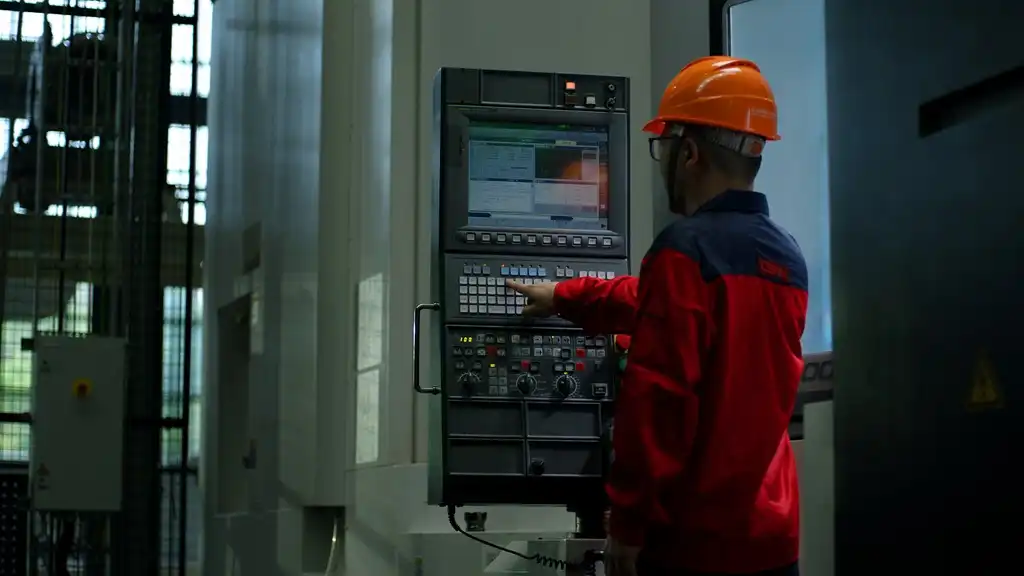
Understanding Motorized Ball Valve Pricing and Procurement Factors
Motorized ball valves are an important part of modern industrial automation systems. They use old-fashioned ball valve gears with electric motors to allow for accurate flow control and remote operation. Electric motors that turn the ball part inside the valve body make these automated valves work. This lets people control the flow of fluid from centralized control rooms or through automated systems.
It is very important for buying managers and engineers who need to meet performance needs while staying within budget to know how prices are set. It is necessary to carefully consider the big price differences in valve standards for simple home uses to difficult commercial settings because of the complexity of this issue.
This detailed guide looks at how Chinese companies set their prices by focusing on technical details, customization choices, and market conditions that affect the end price. Our research helps people understand how to buy things while finding the best deals for their particular needs.
Overview of Motorized Ball Valve Pricing
Core Component Selection Impact
Valve body materials play a big role in how Chinese makers set their prices. Because they last longer and don't rust as easily, stainless steel versions are much more expensive. Brass versions are a little more expensive than ones made of normal carbon steel, though. In tough industrial settings, these choices about materials have a direct effect on how long the service life is expected to be and on the needs for upkeep.
The choice of actuator leads to the biggest differences in price between types of powered valves. Basic electric motors offer simple on/off functionality at a low price, but more advanced servo-controlled systems with position input and changing features raise component costs significantly. The amount of power and speed needed also affect the complexity and cost of the actuator.
Market Dynamics and Economic Factors
The prices of Chinese valve makers are greatly affected by the changing costs of raw materials. Changes in the prices of steel and copper directly affect the costs of parts, and sometimes prices change quickly when there are problems in the supply chain. The prices for buyers around the world who want to buy exports are also affected by the Chinese yuan's exchange rate with other currencies.
Because China has such a large manufacturing industry, they can offer lower prices by producing more goods at a lower cost. Large-scale makers use automatic production lines and buy materials in bulk to lower costs for each individual item. This lets them charge lower prices than smaller regional companies, giving them an edge. This ease in making leads to good prices for buyers who want standard setups and don't need a lot of items.
Technical Specifications Affecting Price
Material Quality and Durability Considerations
Corrosion-resistant materials are a big reason why motorized ball valves are expensive. Duplex stainless steels and other specialized alloys made for chemical processing conditions are a lot more expensive than normal metals. These high-tech materials keep costs down in the long run and make sure they work well even when conditions are tough.
It's also important to know about seals and gaskets when it comes to price; for example, PTFE and specialty elastomers are more expensive than normal rubber parts. Material costs are directly related to temperature rates. This is because high-temperature uses need specialized sealing solutions and heat-resistant actuator parts, which makes it more expensive to manufacture these items.
Actuator Types and Control Sophistication
Control systems that are hard to understand make different price levels in each category of controlled valve. Basic two-position motors that just open and close are the cheapest options, while more advanced proportional control systems with analog return signals are much more expensive. Adding built-in technology for control and transmission makes things even more complicated and costly.
The amount of torque that an actuator must be able to produce affects its size and how much it costs. For high-torque uses, bigger motors and strong gear reduction systems are needed. These make the parts heavier and more difficult to make. Because of these technical needs, valves made for uses with big diameters or high pressure are more expensive.
Size and Pressure Capacity Classifications
Valve size leads to very large rises in cost as width needs get much larger than the norm. Large-bore valves need a lot of material and special tools for making them, and it gets more difficult and costly to keep tight standards. Wall thickness and the cost of materials needed to meet pressure levels are also linked.
The steps needed to get certification, like tests and paperwork, make it a lot more expensive. API and ISO approvals require a lot of quality paperwork and proof testing, which raises the cost of production. These approvals give people confidence in applications that need it, but they also raise prices, which buyers have to think about when considering performance standards.
Customized Features and Manufacturing Complexity
Design Customization and Engineering Requirements
Custom valve designs meet the needs of certain industries, but they make production more difficult and expensive. Special connection types, custom port settings, and non-standard mounting arrangements all require changes to the engineering that raise the cost of setup and lower the efficiency of production. A lot of the time, these customization needs mean that specialized tools are required and the lead times for production are longer.
Changes for specific applications, like longer stems, special ways to place the actuator, or one-of-a-kind electrical connections, make things more complicated from a technical standpoint, which raises the price. The level of tailoring is closely linked to the cost going up because producers have to make changes to their production methods to meet different needs.
Advanced Feature Integration
For motorized ball valves that are going to be used in industrial and ocean uses, explosion-proof casings and dangerous area certifications are very expensive. These safety features need specialty actuator housings and electrical parts that meet strict safety standards. This makes the cost much higher than usual.
High-temperature rates and very harsh working conditions require special materials and ways of making things that raise the cost of production. Different materials and quality control methods must be used for cryogenic uses, high-temperature steam service, and toxic chemical conditions. These choices affect the end prices.
Quality Control and Certification Compliance
Strict quality control and obedience to certification cause waste in production that affects price structures. For a product to be CE marked, UL listed, or RoHS compliant, it must be tested and documented. This adds costs but also ensures that the product is intact and accepted by the market. These licensing standards are useful because they make sure the rules are followed, but they also make people think about price when it comes to apps that are sensitive to cost.
Aftermarket support factors, such as how easy it is to get extra parts and how long the guarantee lasts, affect the long-term value offers for buyers. Manufacturers that offer a lot of extra parts or long guarantee coverage often include the costs of these services in the price customers pay ahead. This makes things more expensive at the start but could lower total costs of ownership.
Comparing Motorized Ball Valve Prices: China vs. Other Markets
Chinese Manufacturing Advantages
Chinese valve makers make a lot more money by streamlining their production methods and hiring workers at low rates. With the help of modern factories and automatic production lines, parts can be put together quickly while still meeting quality standards that are on par with those of rivals from around the world. These operating savings lead to good prices for buyers who want dependable valve options.
It is much easier for established Chinese makers to compete when they have a lot of production capacity and can make savings of scale. Large-scale operations make it possible to buy materials in bulk, invest in specialized tools, and simplify production processes. These changes lower the prices for each individual unit across all types of products. This efficient manufacturing helps buyers by making prices low and shipping times reliable.
Quality Perception and Reality Assessment
Honest Chinese producers have raised standards for product quality a lot by using advanced technologies and strict licensing programs. Companies that want to stay at the top use ISO 9001 quality systems and get global certifications that show they are dedicated to making great products. These gains in quality have made performance gaps smaller compared to providers in the West.
The way people think about a brand can cause prices to change in ways that don't always have to do with quality. Well-known foreign names charge high prices because of their history, but Chinese companies offer similar performance at lower prices. Buyers should not just trust a brand name; instead, they should look at the real specs and approvals.
Total Cost of Ownership Analysis
The real landing cost of motorized ball valves from China is affected by logistics issues like supply times, shipping costs, and import taxes. Along with the base price, buyers must also consider the ocean freight rates and customs steps that add extra costs. Depending on how many orders there are and how they need to be delivered, these organizational parts can have a big effect on the overall cost of getting things.
The long-term costs of owning something are more than just the price paid in the store. Factors like the ability to get extra parts and expert help play a big role. Chinese makers are offering more complete support programs that lower upkeep costs and extend the service life of products. This makes the total cost more favorable compared to higher-priced options.
Procurement Considerations and How to Get the Best Value
Specification Optimization Strategies
Aligning technical specs with real application needs makes sure that performance levels are kept high without wasting money on unnecessary specs. A lot of buyers ask for pressure levels or features that are higher or more complicated than they really need. These make the product more expensive without helping it work better. Careful requirement analysis makes it possible to create the best specifications that take both speed and cost into account.
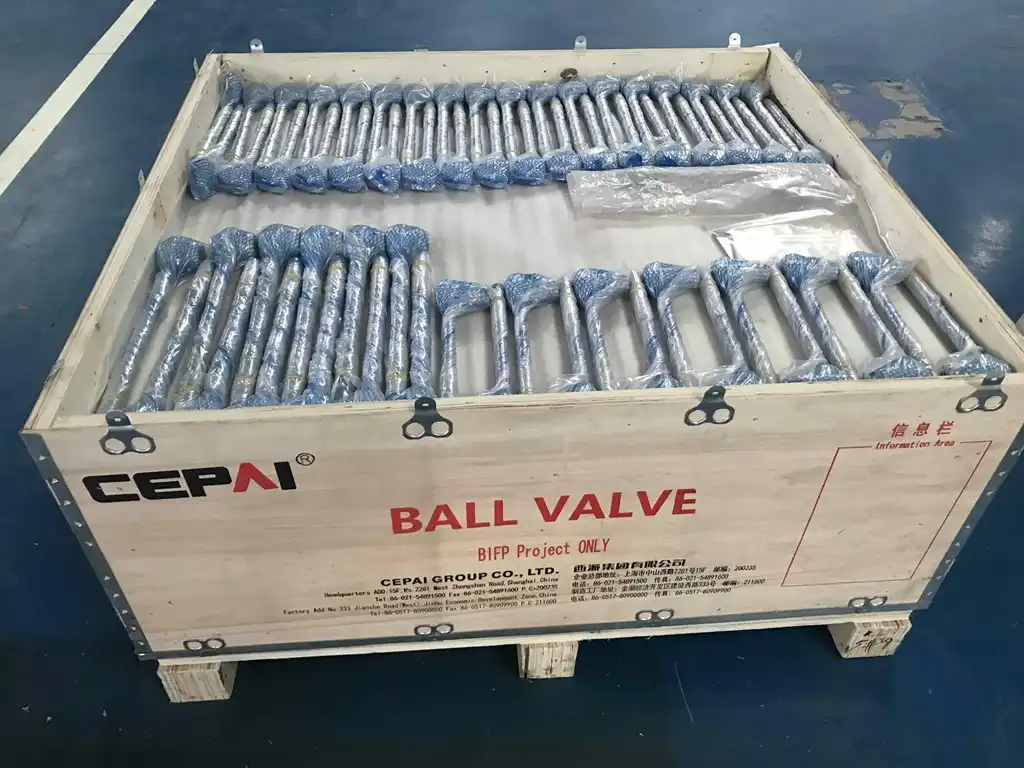
Decisions about standard versus unique setup have a big effect on prices and arrival times. Buyers who are ready to change how they use a product so that it fits the manufacturer's standard setup instead of asking for a lot of customization will save a lot of money. This method lowers the cost of engineering by making use of industrial savings.
Supplier Evaluation and Selection
A thorough source review method helps find makers that can meet your standards for quality and service while also giving good prices. Procurement choices are affected by the knowledge gained through certification verification, production site surveys, and reference checking about what suppliers can do. These review attempts find the best value offers and lower risks at the same time.
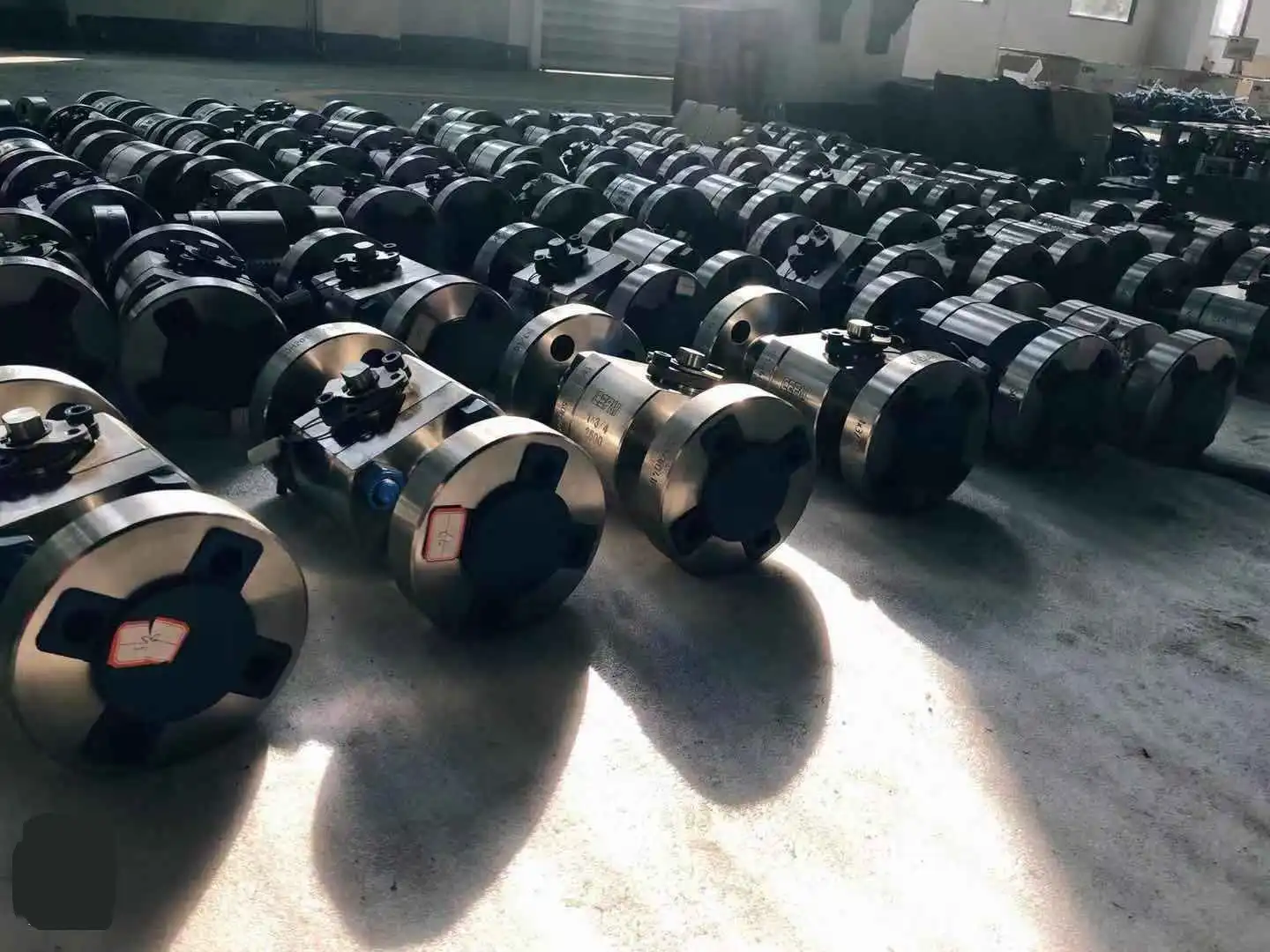
Sample testing and proof processes let buyers make sure the product works well before placing a big order. Asking for examples and specific technical paperwork can help you find possible issues while also showing that the seller is quick and technically skilled. This method lowers the risks involved in getting goods or services and builds trust in relationships with suppliers.
Strategic Procurement Approaches
Volume buying talks lead to good prices through economies of scale that help both buyers and makers. Manufacturers can better plan production and material purchases with bulk sales, which also gives buyers lower costs per unit. Long-term relationships often lead to more perks, like better technology help and the ability to schedule appointments first.
Suppliers can make better plans for production, which helps them improve their manufacturing methods and lower costs, when they clearly hear what is needed. Manufacturers can suggest the best settings and avoid needless features that don't help the operation but do raise the price with detailed specs and application info.
CEPAI: Your Trusted Partner for Premium Valve Solutions
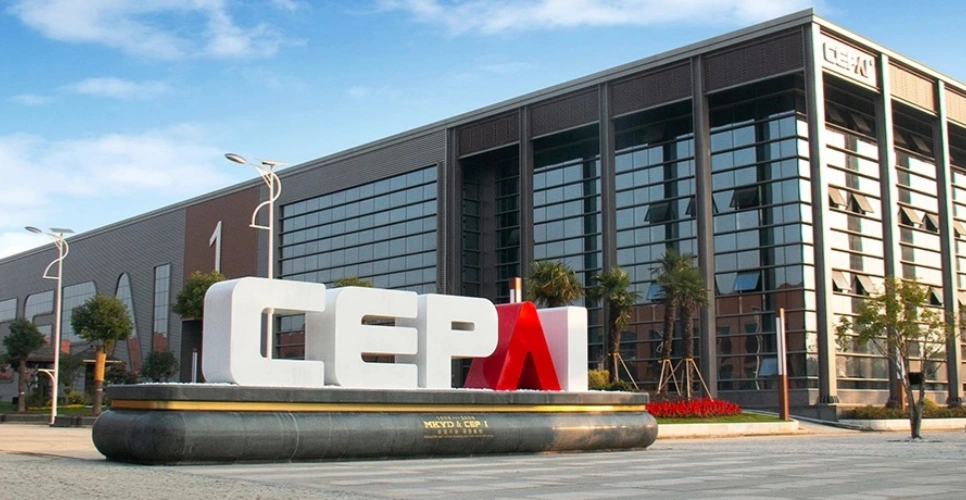
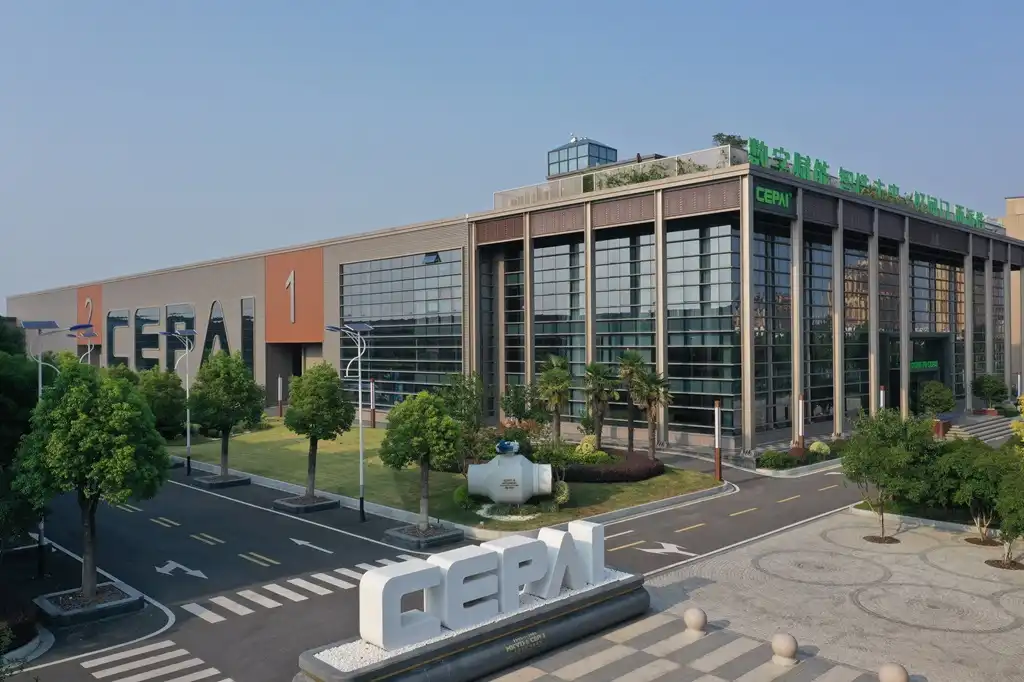
CEPAI is a top high-tech company that makes wellhead devices, pipeline valves, and precise instruments for oil and gas pumping and production. Our broad experience includes decades of new developments in valve technology. We are recognized by major oilfield service companies and engineering firms around the world for always delivering quality work and having excellent technical knowledge.
Our broad range of certifications shows that we are always dedicated to safety and quality. CEPAI's production methods and product quality are confirmed by our APIs: APIQ1, API6A, API6D, API16C, and API602; our ISO standards: ISO9001, ISO14001, ISO45001, ISO3834, and ISO17025; the CE mark; and the PR2. These certificates make sure that our valve solutions meet the toughest standards in the industry. This also gives customers trust in the stability of the products.
The business's range of products includes throttle valves, sleeve-type controlling valves, high-pressure double disc check valves, emergency cut-off valves, and rotating valves that are all well-known around the world and used in very important parts of the energy market worldwide. Our tech team works closely with clients to come up with cost-effective, reliable, and tailored answers for their specific problems.
Conclusion
Chinese-made motorized ball valves have different prices based on many factors. When buying workers understand these factors, they can make smart decisions about where to buy these valves. Specifications for the material, the complexity of the actuator, the needs for customization, and the needs for approval all affect the price. These factors must be carefully compared with the requirements of the application. Chinese makers offer better prices, higher quality, and more help, which makes traditional source ties harder to get. Successful buying strategies use the benefits of China's manufacturing skills and economies of scale while balancing cost and performance needs.
FAQs
How can I verify the quality certifications of Chinese motorized ball valve manufacturers?
Ask for the certificate numbers and granting officials of the full certification papers. Then, check these qualifications with the certification bodies. Honest producers have no problem providing a lot of paperwork and are okay with checks that show they are committed to quality.
What factors should I consider when comparing prices between different Chinese valve suppliers?
Don't just look at the initial purchase price. Look at the total cost of ownership, which includes shipping, import taxes, guarantee terms, and how easy it is to get extra parts. Think about the time it takes to get things, the way people pay, and the ability to give technical help that affects the overall value of the offers.
How do customization requirements affect delivery schedules and pricing for motorized ball valves?
Due to the need for technical knowledge and specialized production methods, custom setups usually mean longer lead times and higher costs. Standard goods have lower prices and faster shipping, but custom solutions work better for specific uses, even though they are more expensive.
Contact CEPAI for Expert Valve Solutions
Find out how CEPAI's advanced motorized ball valve options can make your operations more efficient while also giving you great value. Our skilled engineers help you get the best performance from your important apps by working with you on specifications, installing, and maintaining your system. CEPAI offers decades of valve knowledge, reasonable prices, and dependable arrival times, whether you need stock setups or custom-made valves.
We are a known motorized ball valve maker, and we understand that oil and gas businesses have unique problems. We offer solutions that meet the toughest performance standards. For extremely important projects where speed and dependability can't be sacrificed, customers all over the world depend on CEPAI.
Are you ready to see how our valve options can make your work better? Emailing cepai@cepai.com will get you in touch with us to talk about your needs and get full technology offers.
References
Smith, J.R. "Industrial Valve Manufacturing Trends in Asia Pacific Markets." Journal of Process Industries, Vol. 45, No. 3, 2023, pp. 78-92.
Chen, L. and Williams, M. "Cost Analysis of Automated Valve Systems in Petrochemical Applications." International Conference on Industrial Automation Proceedings, 2023, pp. 234-248.
Thompson, R.K. "Quality Certification Standards for Chinese Manufacturing in Oil and Gas Equipment." Energy Equipment Review, Vol. 28, No. 7, 2023, pp. 145-159.
Anderson, P. "Comparative Study of Global Valve Manufacturing Cost Structures." Industrial Engineering Quarterly, Vol. 52, No. 2, 2023, pp. 67-81.
Liu, X. and Rodriguez, C. "Technical Specifications Impact on Valve Pricing Models." Mechanical Engineering International, Vol. 31, No. 4, 2023, pp. 112-127.
Parker, S.M. "Procurement Strategies for Industrial Valve Systems in Global Markets." Supply Chain Management Review, Vol. 19, No. 6, 2023, pp. 203-218.
_1746598525968.webp)