What is a Triple Offset Valve? Why It’s the King of Sealing?
When our drilling engineers have to deal with difficult separation problems in high-pressure wellheads or when pipeline workers have trouble with shutoff valves that leak a lot, they always talk about the triple offset butterfly valve as a solution. This advanced rotary valve design is known as the "king of sealing" because it has a special shape that removes friction, provides bubble-tight shutdown, and can handle harsh conditions that other valve technologies can't handle. The triple offset configuration is different from regular butterfly or gate valves because it achieves zero-leakage metal-to-metal contact through three precisely engineered offsets. This makes it essential in oil and gas operations, petrochemical facilities, and power generation systems where operational integrity cannot be compromised.
Understanding What a Triple Offset Butterfly Valve Is
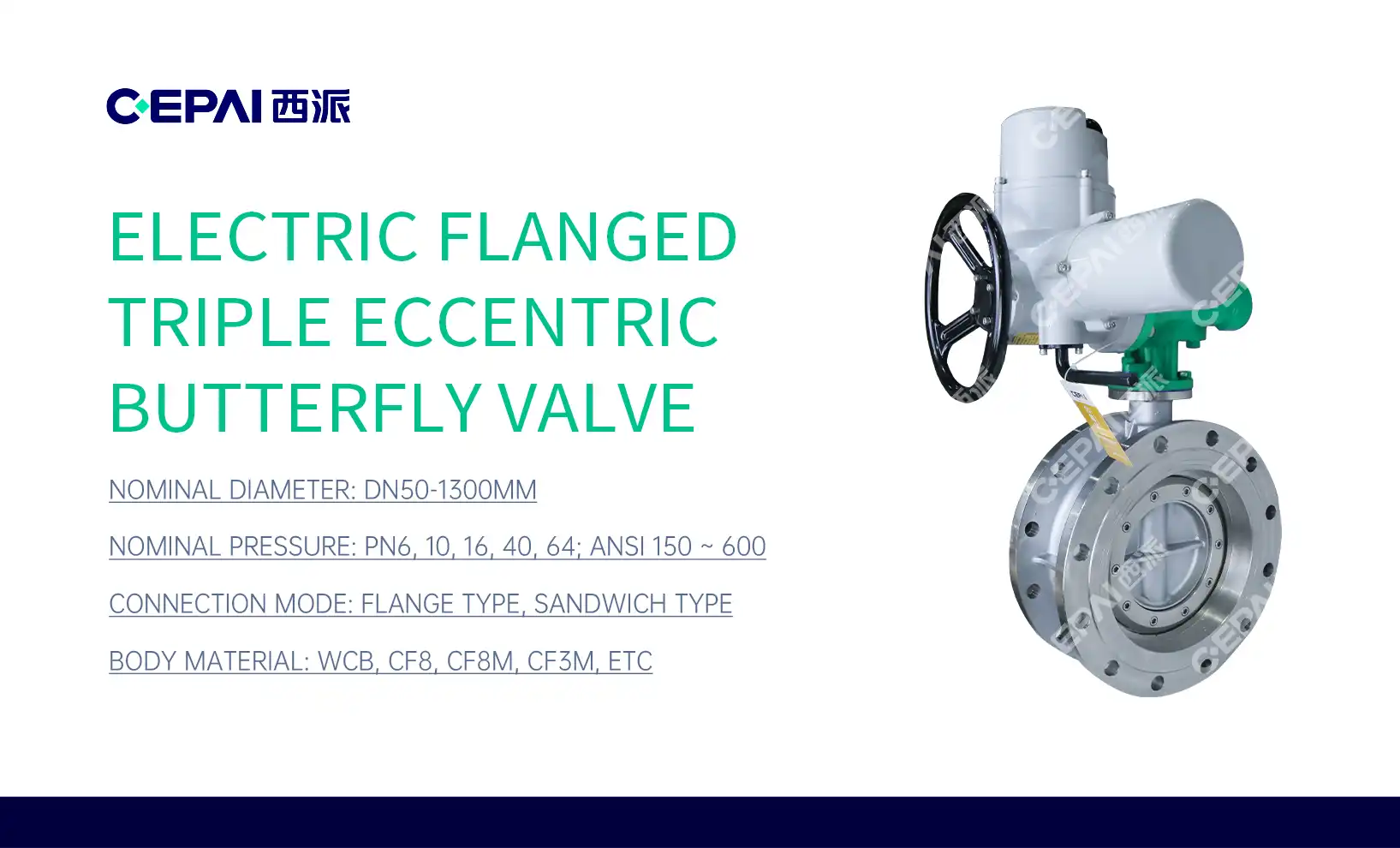
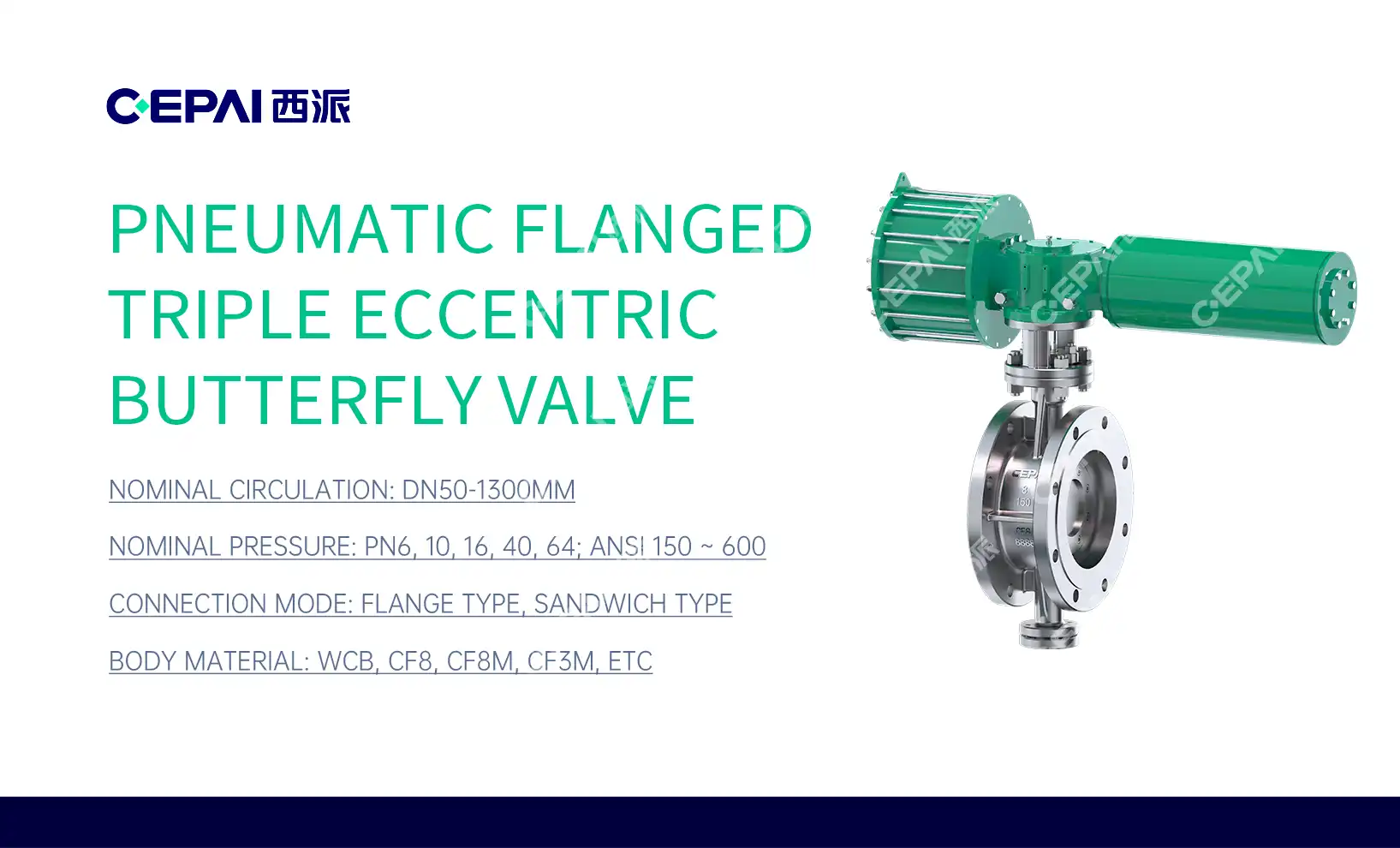
The triple offset butterfly valve is the next generation of quarter-turn valve technology. It was designed to solve the problems that came up with the circular and double-offset versions. This valve is made up of three different geometric offsets that work together to keep the seals from wearing out and make sure the valve always works properly.
The Three Offsets Explained
The three-dimensional skewed shape is what makes the design so great. The axis of the shaft is not exactly in the middle of the disc. This creates the first shift that lowers friction while the disc is turning. The second shift moves the shaft behind the plane of the sealed surface, which lets the disc move out of the way of the seat. The third offset is the most important because it angles the seat cone axis relative to the middle of the pipe. This makes a cam-action device that makes sure the disc only touches the seat at the very end of the closing process. By using this technical method, the rubbing contact that happens with regular butterfly valves during their 90-degree rotation cycle is totally eliminated.
Operating Principle and Sealing Mechanism
During use, the triple offset butterfly valve’s disc can spin easily without hitting the seat until it reaches an angle of about 85 degrees. When the cam is fully closed, it presses the disc harder against the reinforced metal seat, making a torque-seated seal instead of a position-seated one. For this metal-to-metal contact, a cylindrical seat shape is used. A Stellite 21 hard-faced body seat is usually paired with a composite seal ring made of stainless steel and graphite. This makes a two-way bubble-tight seal that can withstand difference pressures of more than 2500 psi and still keep zero leaking performance according to API 598 standards.
Materials and Pressure Ratings
Choosing the right materials has a direct effect on how well a valve works in tough situations. The body is usually made of carbon steel (ASTM A216 WCB), different types of stainless steel grades (CF8M, CF3M), duplex stainless steel (CD3MN), and alloys that are specially made for places that rust. Seal rings are usually made of layers of flexible graphite and stainless steel 316 that are stacked on top of each other. This makes them strong at all temperatures, from very cold (-196°C) to very hot (815°C) steam uses. Pressure levels range from ASME Class 150 to Class 2500, and the sizes of the faces to faces meet API 609 Category B norms. With these strong requirements, the technology can handle the roughest service conditions that come up in upstream drilling, middle pipeline systems, and downstream processing.
Why Triple Offset Valves Outperform Traditional Valves: A Comparison
To figure out what makes this triple offset butterfly valve technology better than others, you need to directly compare it to other options that are often used in oil and gas infrastructure. When looking at total cost of ownership, repair intervals, and operating stability over multi-year service lifecycles, the differences become especially important.
Triple Offset vs. Double Offset Butterfly Valves
Some friction is reduced by double offset designs, but the disc still rubs against the seat for most of the spinning cycle. Because of this constant touch, the seat wears out faster, especially when riding a lot. This doesn't happen at all with the triple offset setup because of its cam-action shape, which increases service life by 300–400% in similar situations. The temperature range for double offset valves is usually limited to 260°C by soft seats or elastomer coats. The metal-seated triple offset, on the other hand, can handle superheated steam and cold liquids without losing any performance. This ability to work with a wide range of temperatures is very useful in polishing, where process lines change a lot.
Advantages Over Ball and Gate Valves
Although ball valves close well, they take up a lot more space when installed and need more torque to move, especially in large-bore situations above 12 inches. Gate valves allow full-bore flow, but they have long opening and closing cycles, the wedge can get stuck during temperature cycling, and a hole forms that traps process fluids. The triple offset butterfly valve has the small size of butterfly valves and the same level of closing integrity as ball valves. It also provides the quarter-turn speed that is needed for emergency stop systems. When used as a pipeline block valve, this means that the actuator doesn't need to be as big and the separation reaction is 60% faster than with similar gate valves.
Limitations and Practical Considerations
Being clear about the limits of a tool builds trust. The triple offset is great at isolating flow, but it has a bigger pressure drop when throttling than globe valves, which means it's not as good for steady modulation below 30% open. The initial cost is 40–60% higher than that of a regular butterfly valve, but the investment will pay off in the long run because it will require less upkeep and last longer between replacements. It is very important to figure out the actuator torque correctly because the cam-action system needs enough escape torque to make the first seal contact. This last-degree torque spike needs to be taken into account when choosing gas or electric actuators to keep operations running smoothly.
These comparisons help drilling engineers choose the right Christmas tree parts for the wellhead, pipeline integrity teams choose the right mainline block valves, and plant engineers create emergency isolation systems that meet their specific needs for pressure, temperature, and cycling.
Applications and Industry Use Cases of Triple Offset Butterfly Valves
The fact that this triple offset butterfly valve technology is used in a wide range of industries with harsh working conditions shows how flexible it is. Real-life examples show how the design solves recurring problems that other types of valves can't properly handle.
Oil and Gas Sector Applications
These valves are used in wellhead units and mudline systems by upstream drilling operations to keep high-pressure gas and rough drilling fluids from leaking. Offshore platform installations like the small size and fire-safe certifications that meet API 607 standards, which make sure the seal stays intact even after being exposed to 760°C fire conditions for a long time. For mainline block valve service on natural gas transmission systems, midstream pipeline operators choose triple offset metal-seated designs. These valves seal in both directions, which stops expensive rogue emissions and makes sure they meet EPA Method 21 standards. Because the valves can keep their seals even when the pressure in the pipeline changes from startup to full working pressure, they don't need the double block-and-bleed setups that are common with gate valves.
Petrochemical and Refining Use Cases
These valves, including triple offset butterfly valve, are used a lot in fluid catalytic cracking units, coker units, and delayed coking systems where temperatures regularly go above 500°C and process streams contain catalyst fines that wear away at the metal. Sour service environments that are high in hydrogen sulfide can't damage the metal-to-metal seal, and the non-rubbing action keeps galling from happening, which happens with soft-seated alternatives. The design works well with automated control systems, which lets hydrocarbon processing lines be operated from a distance using electric actuators that can send location input to distributed control systems. After adding triple offset technology to key process isolation points, plant engineers say that unexpected repair visits have dropped by 80%.
Power Generation and Cryogenic Service
In power plants, these valves are used in turbine bypass and lines that take out superheated steam. They need to be able to open and close quickly and survive thermal cycling. The design can handle repeated temperature shocks without breaking down. It can keep its bubble-tight shutdown through thousands of thermal cycles that would kill options that are seated in elastomers. The technology is used in liquefied natural gas ports and cryogenic processing facilities to work with temperatures as low as -196°C. This is done by using extended bonnet shapes that keep the stem packing from getting too cold. The layered seal ring design allows for thermal shrinkage without losing sealing force. This keeps the seats from binding, which can happen with solid metal seats in cryogenic service.
Maintenance Best Practices
To get the most out of a valve's lifecycle value, it needs to be inspected according to specific rules that are made for that setting. Visually checking the outside parts every three months can find stem seal leaks early, and checking the seat once a year during planned shutdowns lets you see how the seal rings wear over time. When torque is checked correctly, actuators make sure they give enough sitting force without putting too much stress on parts. When installed properly, seat repair through in-situ machining and seal ring replacement can stretch service life to 20 years or more. This significantly lowers the total cost of ownership compared to the full valve replacement cycles needed with traditional designs. To keep downtime during turnarounds to a minimum, procurement teams should build relationships with providers that offer field service and keep enough extra seal rings on hand.
How to Select the Right Triple Offset Butterfly Valve for Your Needs
To choose a strategic triple offset butterfly valve, you need to carefully look at the technical needs, the supplier's skills, and the framework for lifecycle support. The following approach helps procurement managers make decisions and stay away from common design mistakes.
Technical Specification Criteria
The highest working conditions plus the right safety margins must match the pressure and temperature ratings. When drilling engineers describe wellhead equipment, they should make sure that pressure-containing parts meet API 6A PSL 3 standards and have working pressure rates that are 25% higher than the maximum expected surface pressure. When rating temperatures, you have to think about both the process temperature and the outside temperature. This is especially important for sites that are offshore, where solar heat gain can raise valve body temperatures well above process fluid temps. Galvanic compatibility between different metals in wet systems is another part of material compatibility that goes beyond corrosion protection. Materials that are NACE MR0175-compliant must be used in sour service settings, and uses that involve chloride stress corrosion must have a body made of duplex or super duplex stainless steel.
Certification and Compliance Requirements
As a basic level of quality assurance, API certificates are useful. For example, API 609 sets standards for dimensions, and API 598 says what the acceptable levels of seat leaks are. For a triple offset butterfly valve, in hydrocarbon service, fire-safe approval according to API 607 or ISO 10497 is needed to show that the seal's integrity is maintained after being exposed to fire. Environmental compliance is taken care of by fugitive emissions approval according to ISO 15848 or API 641. This is especially important for pipeline owners who have to follow EPA rules. Quality management system certifications, such as API Q1 and ISO 9001, show that a seller can control the process, and ISO 17025-accredited testing labs make sure that performance is checked correctly. For tracking, procurement requirements should clearly state that approved material test records, dimensional inspection reports, and pressure test documents must be included.
Supplier Evaluation and OEM Support
A manufacturing capability review should look at how much can be made, how stable the wait time is, and how flexible the customization options are. EPC contractors who are in charge of turnkey projects need suppliers who can work with them on the design, help with finite element analysis for non-standard uses, and keep up with output levels to meet project deadlines without lowering quality. There are a lot of different warranty terms. For example, top manufacturers offer 18–24-month warranties instead of the normal 12-month warranty, which shows that they are confident in the design's durability. After-sales support infrastructure, such as field service experts, spare parts supply, and how quickly technology problems can be fixed, has a direct effect on working uptime. Instead of depending only on overseas support channels that make emergency reaction times longer, strategic sourcing directors should make it a priority for suppliers to keep regional service centers and enough seal ring inventory.
Procurement Process Optimization
Requests for quotes should include full details about how the machine should work, how it should be oriented, and what technology it needs so that accurate bids can be made. By including process flow diagrams, piping isometrics, and thorough service conditions, you can avoid having to make expensive changes to the specifications during the planning steps. Planning the lead time needs to take into account how long it takes to make the product, which is usually 12 to 16 weeks for normal configurations and 18 to 24 weeks for special designs made from exotic alloys or big bores. By combining orders from different stages of a project, you can get better prices on large quantities while still getting stable quality from a single manufacturing lot. Including installation service in the commissioning process makes it easier, especially for automatic valve kits that need actuator calibration and control system integration that field workers might not know how to do correctly.
Conclusion
For important isolation tasks that need zero leakage, the ability to work in high temperatures, and a long service life, the triple offset butterfly valve has become the standard. Its three-dimensional offset shape gets rid of the problems with friction and wear that come with regular designs. This makes it possible for metals to seal tightly together even in the toughest environments, like those found in oil and gas operations, petrochemical processing, and power generation. Even though this technology costs more to buy than standard options, it is much more cost-effective over its lifetime because it requires much less upkeep, lasts longer between replacements, and is more reliable in operation. When making a strategic choice, you need to carefully look at things like pressure ratings, material compatibility, seller qualifications, and after-sales support infrastructure to make sure that the valve can meet the needs of the operation.
FAQ
1. Why does the triple offset design provide superior sealing compared to other butterfly valves?
The triple offset butterfly valve design closes better because the third offset creates a cam-action shape that makes sure the disc only touches the seat at the very last moment of closing. This keeps friction-induced wear to a minimum during the spinning cycle. This process doesn't rub, so the seat stays in good shape over hundreds of thousands of cycles. The conical shape of the seat lets the seating force increase as closing torque is applied, making a bubble-tight seal even when differential pressure is high.
2. How does maintenance differ from traditional valve types?
Because sealing surfaces don't wear down from rubbing, maintenance times are much longer. Instead of replacing seats often, routine maintenance checks the stem packing and greases the actuator. When the seat needs to be fixed after years of use, many designs allow for in-situ machining and seal ring replacement without taking the valve out of the waterway. This cuts down on response time and costs by a large amount compared to replacing the whole valve.
3. What should procurement teams prioritize when sourcing these valves?
Along with technical specs, it's important to carefully look over a supplier's licensing collection, which should include API Q1 systems for material tracking and regional service infrastructure. Low-cost providers who don't offer enough technical depth aren't as valuable as manufacturers who offer engineering collaboration, finite element analysis help, and field service. Long-term operating efficiency is protected by checking the availability of spare parts and the terms of the guarantee.
Partner with CEPAI for Premium Triple Offset Butterfly Valve Solutions
Choosing the right triple offset butterfly valve source has a direct effect on how well your project goes and how reliable your operations are. CEPAI has advanced production skills and is certified in many areas, such as ISO 9001, CE compliance, API Q1, API 6A, API 6D, and more. This makes sure that every valve meets the strict requirements of oil and gas activities around the world. Our engineering team works together with drilling engineers, pipeline safety experts, and plant managers to make sure that the solutions we offer are exactly what you need in terms of pressure ratings, temperature ranges, and materials. Our technical knowledge and quick support system will make sure you get what you need, whether it's wellhead isolation valves for rough drilling settings, trunk block valves for pipeline systems, or custom configurations for processing petrochemicals. Email our team at cepai@cepai.com to talk about your application needs, get full technical specifications, or get a reasonable price from a triple offset butterfly valve manufacturer you can trust that wants your long-term success.

References
1. American Petroleum Institute. API Standard 609: Butterfly Valves - Double-Flanged, Lug- and Wafer-Type, 11th Edition, 2018.
2. Borden, G. and Friedmann, P. Control Valves: Practical Guides for Measurement and Control, ISA - The Instrumentation, Systems, and Automation Society, 1998.
3. Skousen, Philip L. Valve Handbook, 3rd Edition, McGraw-Hill Professional, 2011.
4. Smith, Peter and Zappe, R.W. Valve Selection Handbook: Engineering Fundamentals for Selecting the Right Valve Design for Every Industrial Flow Application, 5th Edition, Gulf Professional Publishing, 2004.
5. Nesbitt, Brian. Handbook of Valves and Actuators: Valves Manual International, Elsevier Science, 2007.
6. Parisher, Roy A. and Rhea, Robert A. Pipe Drafting and Design, 3rd Edition, Gulf Professional Publishing, 2012.

Get professional pre-sales technical consultation and valve selection services, customized solution services.
About CEPAI