Valve Automation 101: Moving from Manual to Electric Control
Industrial facilities are changing how they control fluids in big ways with valve automation. Moving from manual operations to electric control valve systems has become a top priority in the oil and gas, pipeline, and petrochemical industries. Electric control valves combine advanced electric actuators with regular valve bodies. This lets pressure, temperature, and flow rates be precisely managed from a distance, without the need for direct human involvement. Automation solves important problems like keeping operators safe in dangerous places, making sure that process controls are always the same, and making sure that facilities are efficient even when they need to be reliable 24 hours a day, seven days a week, and adaptable to changing production conditions.
Understanding Electric Control Valves — Principles and Types
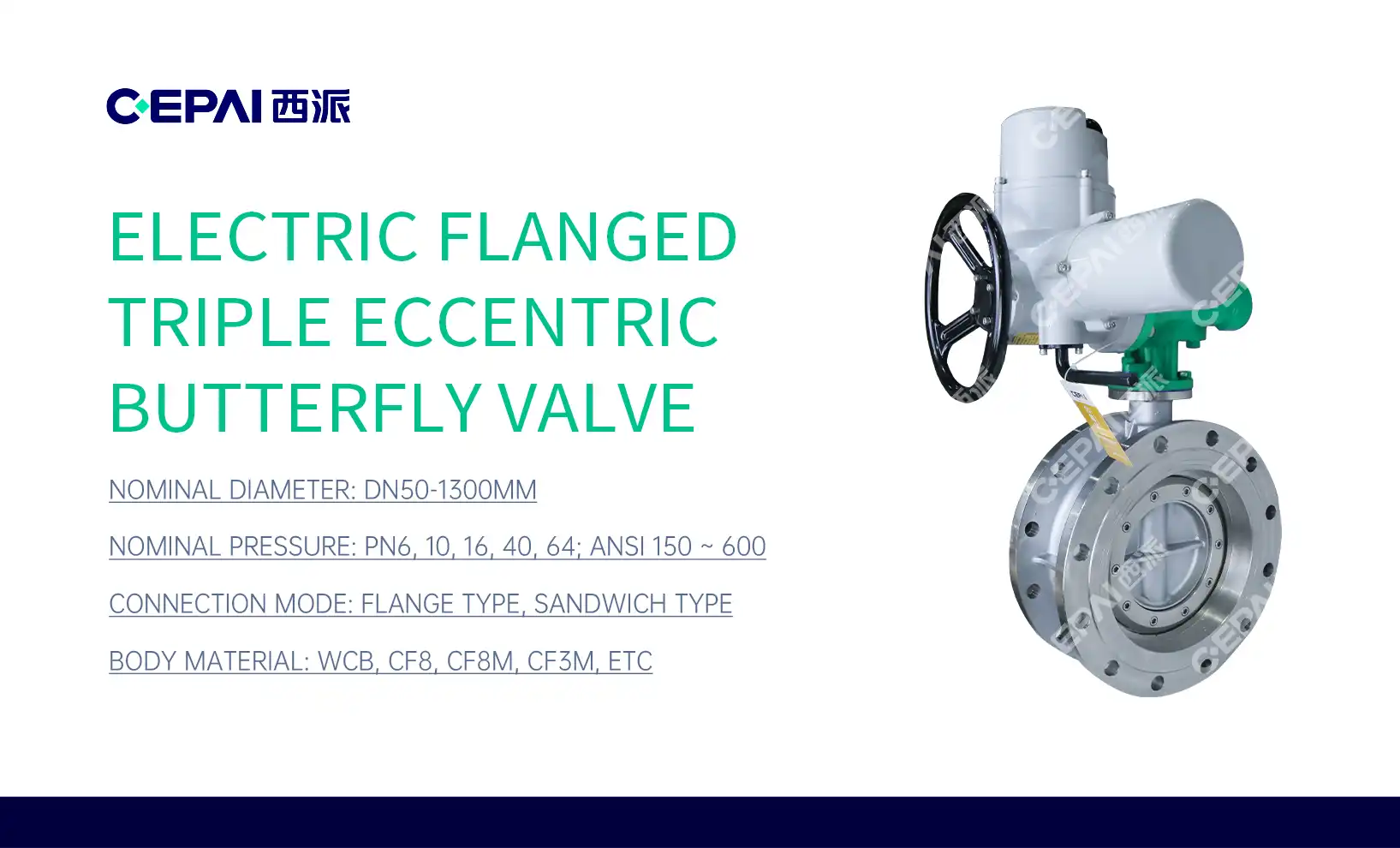
Electric control valve solutions are the physical link between digital control systems and the flow of fluids. They turn electrical signals into mechanical valve moves that very accurately control process variables.
How Electric Actuators Receive and Process Control Signals
Standardized control signals, like 4-20 mA current loops or 0-10 VDC voltage signals, are sent from distributed control systems or programmable logic devices to electric motors. An internal motor runs a gear train or direct coupling device that rotates or moves the valve stem when the actuator gets a signal that it needs to change position. Modern actuators have feedback devices that constantly send the actual position of the valve to the control system. This creates a closed-loop control design that fixes any differences between what was ordered and what actually happened. This accuracy is especially useful in digging, where choke valves need to react right away to changes in pressure, or in pipelines, where flow rates need to be changed all the time based on demand further downstream.
Modulating Versus On/Off Control Strategies
Based on the needs of the process, valve control methods can be broken down into two main types. On/off valves can only be fully open or fully closed. This makes them useful for isolation tasks, emergency stop systems, and situations where the middle position doesn't do anything. On the other hand, modulating valves (e.g., electric control valve) can be anywhere between fully open and fully closed. This lets them control proportionally and keep setpoints within very small ranges. Most of the time, modulating control is used to keep the temperature in distillation columns and the pressure in reactor tanks stable. Small changes like these keep the quality from changing and the working conditions safe.
Common Valve Styles With Electric Actuation
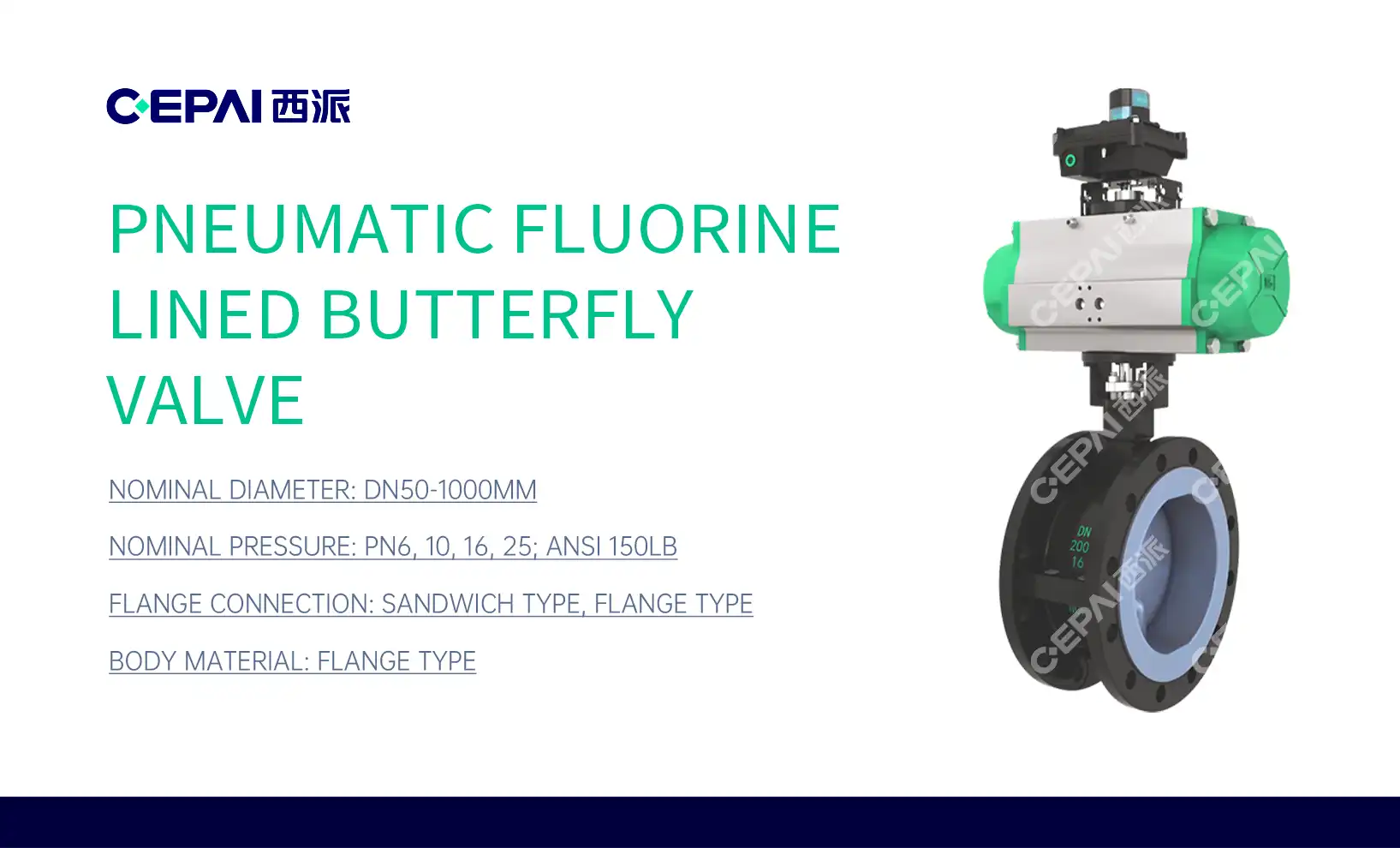
When combined with electric actuators, globe valves offer great throttling and shutdown performance, making them the best choice for high-pressure control in wellhead systems and Christmas tree setups. When fully open, ball valves with quarter-turn electric motors quickly shut off and have little pressure drop, which is useful for isolating a pipeline and responding to emergencies. Butterfly valves are a cost-effective and small-footprint option for large-diameter pipeline uses where weight and space limitations affect the choice of equipment. Understanding the differences between the different types of valves helps procurement teams match the skills of tools to the needs of operations.
From Manual to Electric: Evaluating the Shift in Valve Automation
The change from operating valves by hand to automating them with electricity is due to known operational limits that threaten safety, efficiency, and process consistency across manufacturing sites.
Addressing Safety Risks and Human Error in Hazardous Environments
When people operate valves by hand, they are exposed to many dangers, such as poisonous air in areas where petrochemicals are processed, high-pressure releases near wellheads, and very high temperatures near refinery units. When making regular changes or responding to an emergency, operators have to physically get to valves, which can cause injuries and delay important actions. These risks are taken away by electric automation, which lets operations be controlled from safe areas. According to studies from the Occupational Safety and Health Administration, facilities that use automatic valve systems have about 40% fewer accidents in dangerous areas than those that mostly use manual processes. In addition to improving safety right away, automation also gets rid of common human mistakes that manual systems can't: incorrect valve positioning, slow reactions to abnormal conditions, and mistakes caused by tiredness during long periods of operation.
Roadmap for System Assessment and Solution Selection
To switch to electric valve automation, the present system paperwork must be carefully looked over. For automation goals, maintenance teams should make a list of all the manual valves that are already in place, including where they are located, their size, their pressure grade, and how often they are used. Valve sites that are hard to reach, valves that need to be adjusted often, and important isolation points in emergency shutdown systems are often high-priority choices. Once objectives are set, engineering teams list the requirements for the electric actuator and electric control valve, such as torque capacity, speed of operation, environmental protection ratings, and the ability to use current infrastructure's control signals. To choose the right solutions, drilling engineers who know what the performance needs are in the downfield, process control managers who know about automation design, and procurement experts who look at what suppliers can do and the total cost of ownership must all work together.
Measurable Outcomes: Precision, Energy Efficiency, and Reduced Downtime
Automating electric control valve units makes measurable gains in a number of performance areas. Precision improves a lot—modern electric actuators can place accurately within ±0.5% of full motion, whereas manual operation usually has variations of ±5% or more. This accuracy directly leads to process stability, which lowers differences in product quality in chemical processing and cuts down on flaring in oil and gas output. Optimized valve placement gets rid of the wasteful practice of leaving partly open manual valves in places that aren't ideal, resulting in less energy use. Less downtime is caused by faster valve reaction during process upsets and the removal of delays caused by manual involvement. A midstream pipeline operator said that unplanned shutdowns dropped by 30% after key isolation valves were automated. They said that this was because emergency reaction times were sped up and delays in valve access were eliminated during bad weather.
Comparing Electric Control Valves with Other Valve Automation Technologies
Knowing how electric control valve systems stack up against other automation technologies helps people make smart choices that combine the need for performance, the infrastructure that is already in place, and long-term operating strategies.
Electric Versus Pneumatic Actuation: Performance Trade-offs
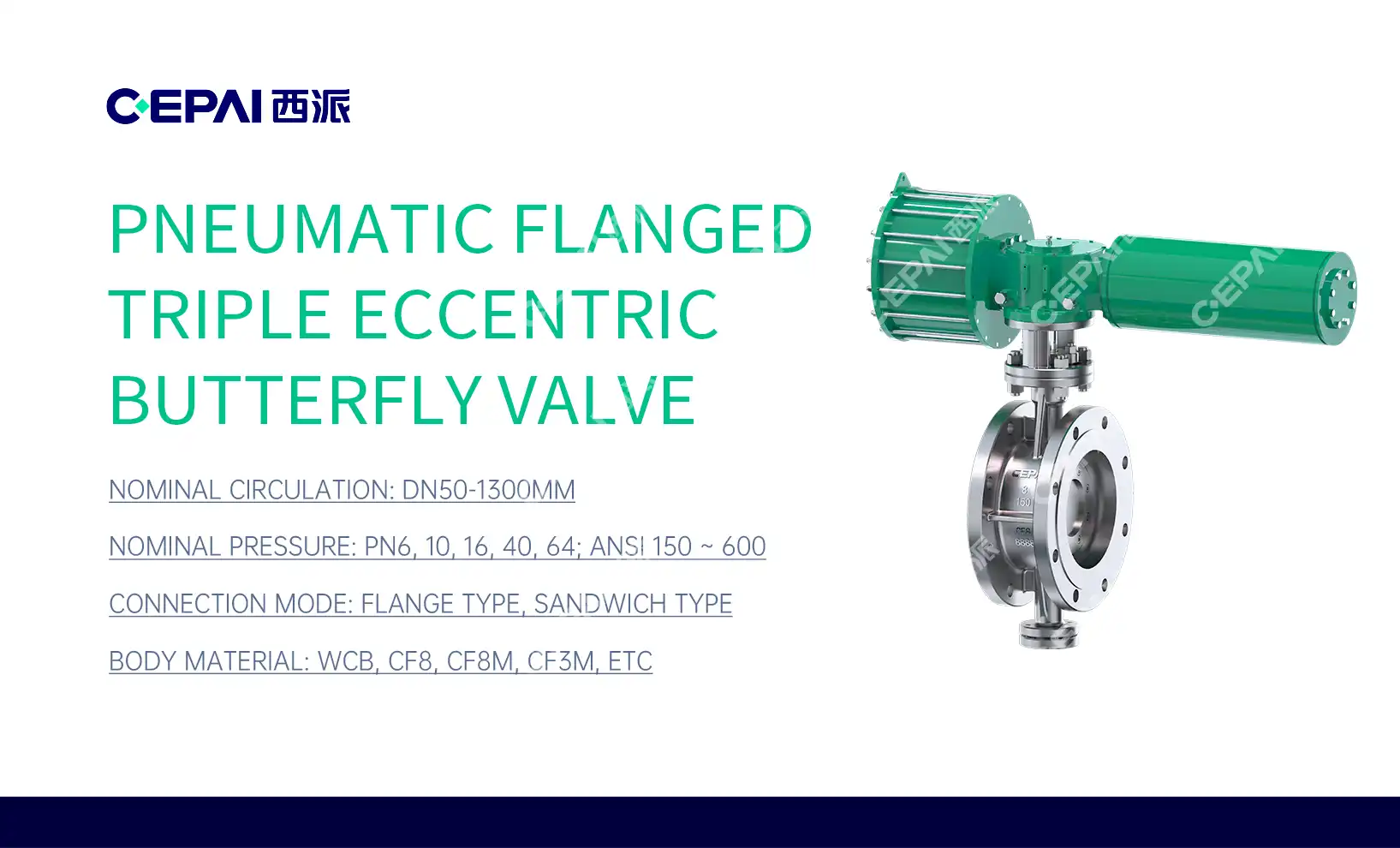
For decades, pneumatic valves have been the standard in industrial automation because they are easy to use, safe in dangerous environments, and have high power-to-weight ratios. But pneumatic systems need infrastructure for compressed air, like compressors, fans, and transport pipes. This infrastructure uses a lot of energy and needs to be maintained all the time. When you use electric actuators instead of compressed air, you don't need to rely on it. This cuts down on energy costs and infrastructure complexity while improving positioning accuracy and control speed. In pneumatic systems, modulating valves usually have stroke times of 3 to 5 seconds. Electric motors, on the other hand, can do the same work in 1 to 2 seconds, which makes the process more responsive when conditions change quickly. Electric actuation is much better at saving energy than pneumatic systems, which lose about 70% of their input energy through heat loss and air leaks. Electric actuators, on the other hand, use 85–90% of the electricity they receive to do useful work.
Hydraulic Actuation for High-Force Applications
Because they produce a lot of force, hydraulic actuators are good for large-diameter gate valves and high-pressure situations where an electric control valve or human operation is not possible. Because it can handle these kinds of forces and has been shown to work reliably in deep water, hydraulic control is often used in subsea wellhead equipment. But hydraulic systems are more complicated because they have fluid tanks, pumps, accumulators, and fluid leaks that could pollute the environment. As a result, the need for maintenance also rises, which calls for specific knowledge and makes the supply chain more dependent on hydraulic fluids and sealing parts. Electric actuation is becoming more of a threat to hydraulics in traditional uses thanks to better motor technologies and gear reduction designs that make higher output torques possible while keeping installation simple and the surroundings clean.
Integration with Industry 4.0 and Smart Manufacturing Systems
Electric control valves are very useful in places that are trying to become more digital and smart about how they make things. Industrial Ethernet protocols like Modbus TCP, PROFINET, and EtherNet/IP are at the heart of current automation systems. Native electrical connections make it easier to connect to these protocols. This connection makes it possible for advanced diagnostics, predictive maintenance analytics, and real-time performance tracking that aren't possible with pneumatic or hydraulic systems without a lot of extra equipment. When electric actuators send operating data like cycle counts, torque profiles, and temperature trends, maintenance teams can use them to plan maintenance tasks before they go wrong. This makes remote asset tracking possible. Pipeline integrity teams really like this feature because they can use data on valve performance to spot problems as they start to happen and make the best use of repair resources across assets that are spread out physically.
Procurement Guide for Electric Control Valves — Making Informed Purchasing Decisions
To have successful electric control valve buying, you need to clearly define what you need, evaluate providers based on relevant criteria, and build relationships that support operating efficiency over the long term.
Defining Application-Specific Technical Requirements
Specifications for purchases need to include both clear factors and more subtle application details that affect how well the product works and how long it lasts. Size and pressure grade of the valve are basic needs, but when choosing a material, it's important to think about the process chemistry, temperature changes, and corrosion mechanisms that are unique to each service. In drilling, valve trim materials need to be able to withstand damage from production fluids that are high in sand. In petroleum processing, on the other hand, materials need to be able to handle harsh solvents and high temperatures. Control signal needs must match the automation infrastructure that is already in place. For example, facilities with older 4-20 mA control systems need actuators that work with that standard. Newer setups may choose digital fieldbus standards for better diagnostics. The environment has a big impact on the choice of actuator. For example, coastal platforms need marine-grade protection against salt spray and humidity, while operations in the arctic need low-temperature oils and heaters that keep the moving parts from binding.
Evaluating Suppliers: Certifications, Support, and Reliability
The first step in evaluating a supplier is to make sure they have all the necessary certifications that show they can make good products and follow the rules. As a minimum, sellers to the oil and gas industry must have API 6A certification for wellhead equipment, API 6D certification for pipeline valves, and ISO 9001 certification for quality control systems. With these certificates, you can be sure that the goods you buy meet industry standards and go through the right tests before they are sold. Technical support is what sets good suppliers apart from great partners. Drilling engineers value suppliers who offer application engineering help, which helps them choose the right valve designs (such as electric control valves) for difficult downhole situations. Lead times have a big effect on project schedules, especially for EPC workers who have to keep track of complicated building plans and deal with expensive project delays caused by late equipment deliveries. Warranty coverage and after-sales service agreements protect the money you spend on buying things. They make sure that sellers stand behind their goods and help you quickly when problems arise.
Pricing Considerations and Custom Solution Scenarios
Valve buying costs include more than just the original purchase price. They also include installation costs, commissioning needs, spare parts inventory, and upkeep costs over the life of the valve. When projects need a lot of the same valves, buying them all at once can save a lot of money. But procurement teams have to weigh the benefits of big prices against the costs of keeping inventory and the needs of the project's schedule. If standard catalog goods can't meet the needs of a specific application, such as high pressure ratings, unusual material needs, or unique actuator designs, custom valve solutions may be the best option. Energy service providers often ask for changes that make things easier to service in the field, like quick-change trim designs, standardized mounting interfaces, and reusable actuator components. These changes cut down on repair times and the number of parts that need to be kept on hand.
Conclusion
By switching from manual to electric control valve automation, major practical problems in oil and gas research, pipeline operations, refining, and petrochemical processing can be solved. Electric control valves make safety, accuracy, speed, and the ability to work with current digital control systems much better. To make the implementation go smoothly, you need to know about the different types of valves and how to control them. You also need to compare technologies to the needs of the application and choose suppliers who offer the right certifications, professional support, and a long-term relationship. Proactive repair programs get the most out of automation investments by making equipment last longer and reducing unplanned downtime. Electric valve automation is becoming an important tool for industrial sites that want to improve their operations and go digital.
Partner With CEPAI for Your Electric Control Valve Requirements
CEPAI specializes in making high-performance valves and wellhead tools that are designed to work in tough oil and gas environments. Our electric control valve options are certified by API 6A, API 6D, and ISO 9001, which means they meet industry standards and can be relied on in important situations. We work closely with drilling engineers, pipeline operators, and process control managers to come up with valve configurations that solve specific operational problems. This is true whether you need high-pressure wellhead assemblies, pipeline valves that don't rust, or process control valves that have special throttles. Picking the right electric control valve provider can affect how well a project turns out and how much it costs to run in the long run. Email our engineering team at cepai@cepai.com to talk about your needs and find out how CEPAI's knowledge can help your automation projects.

FAQ
1. What distinguishes electric control valves from standard solenoid valves?
Electric control valve units have motor-driven motors that can precisely place and modulate control. Solenoid valves, on the other hand, use electromagnetic coils to turn on and off. Electric actuators can handle bigger valves, produce more power, and have advanced position feedback built in for closed-loop control. Solenoid valves are good for situations where you need to switch between functions quickly and place them in a small space, but they don't have the placing accuracy and force capacity that are needed for many industrial tasks.
2. How do I determine appropriate actuator sizing for specific valve applications?
Actuator selection requires calculating torque requirements based on valve size, differential pressure, packing friction, and safety factors. Manufacturers give torque graphs that show how much breaking and running torque are needed for different valve types. Choose actuators whose output torque is higher than the estimated needs by the right amount of safety margins, which are usually 25% for normal uses and 50% for critical ones. Talking to providers during design makes sure that the actuator and valve are properly matched.
3. Can electric control valves operate reliably in hazardous classified areas?
Electric motors made for dangerous places have certifications like Class I Division 1 or ATEX Zone 1 ratings. They have explosion-proof housings, sealed wiring openings, and temperature limits that keep the air around them from catching fire. Check to see if the actuator approvals meet the standards for the site classification. In these tough conditions, safe operation depends on proper fitting that follows the manufacturer's instructions and any applicable electrical codes.
References
1. Smith, J.R., and Thompson, M.L. (2021). Industrial Valve Technology: Automation and Control Systems. Technical Publishing International.
2. American Petroleum Institute. (2019). API Standard 6A: Wellhead and Tree Equipment, 21st Edition. API Publishing Services.
3. Chen, W.K. (2020). Process Control Systems: Application, Design, and Tuning. Industrial Press Inc.
4. National Association of Corrosion Engineers. (2022). Valve Materials Selection for Oil and Gas Production Environments. NACE International Publication.
5. Rodriguez, P., and Anderson, K. (2023). Predictive Maintenance Strategies for Automated Valve Systems. Journal of Industrial Automation, 45(3), 127-145.
6. International Society of Automation. (2021). ISA-75.01.01: Control Valve Sizing Equations for Incompressible Fluids. ISA Standards and Practices Department.
_1746598525968.webp)
Get professional pre-sales technical consultation and valve selection services, customized solution services.
About CEPAI