Anatomy of a Butterfly Valve: Key Parts and Their Functions
A butterfly valve controls the flow of fluid by rotating it a quarter of the way. It is made up of a disc in the middle that can pivot inside the valve body to control, stop, or slow fluid flow. If the disc is lined up straight with the flow stream, the fluid can move through with little trouble. When you turn the disc 90 degrees, it lies flat against the flow and presses against the valve seat to make a good seal. Because they are so mechanically simple and elegant, butterfly valves are essential in systems that need to save room, act quickly, and reliably shut off, like those used in oil and gas, water treatment, chemical processing, and HVAC.
Understanding the Butterfly Valve – General Overview
Large numbers of demanding industrial settings use butterfly valves because they solve important practical problems while keeping their small footprints. Unlike big gate or globe valves, these devices quickly control flow with a simple rotational motion. This makes them perfect for large-diameter pipeline applications where weight and installation room are very important.
How Butterfly Valves Operate in Industrial Systems
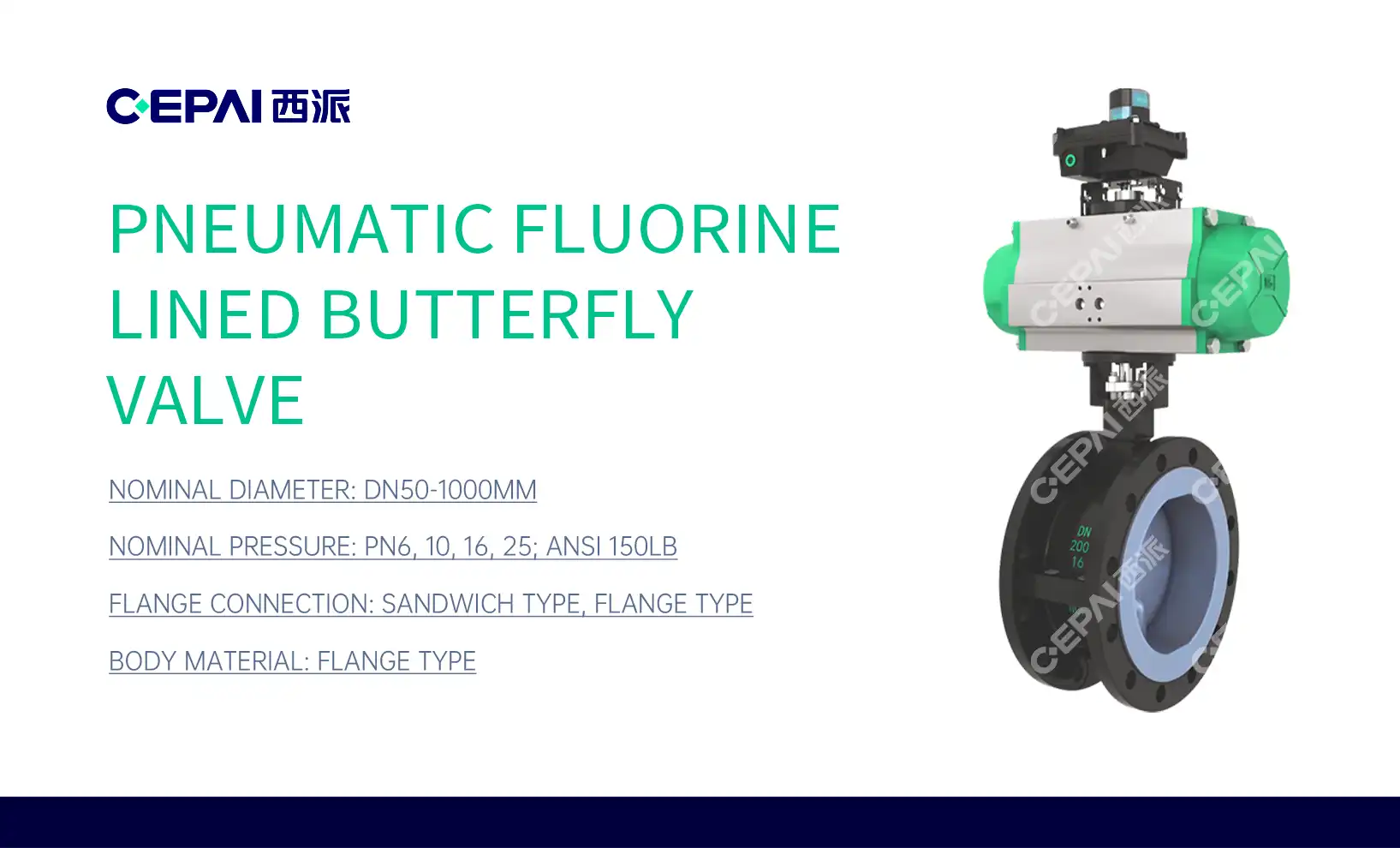
The working concept is based on a disc that is round and attached to a shaft that goes through the valve body's diameter. This shaft can be turned by handwheels, gear operators, or automatic actuators. The disc profile causes little turbulence during the opening cycle, which lowers the pressure drop across the valve. This is a feature that is especially useful in high-flow municipal water systems and district cooling networks. When the disc closes, the edge of the disc touches the resilient or metal seat, creating the shutoff integrity needed to isolate the pipeline for repair or emergencies.
Industries Relying on Butterfly Valve Technology
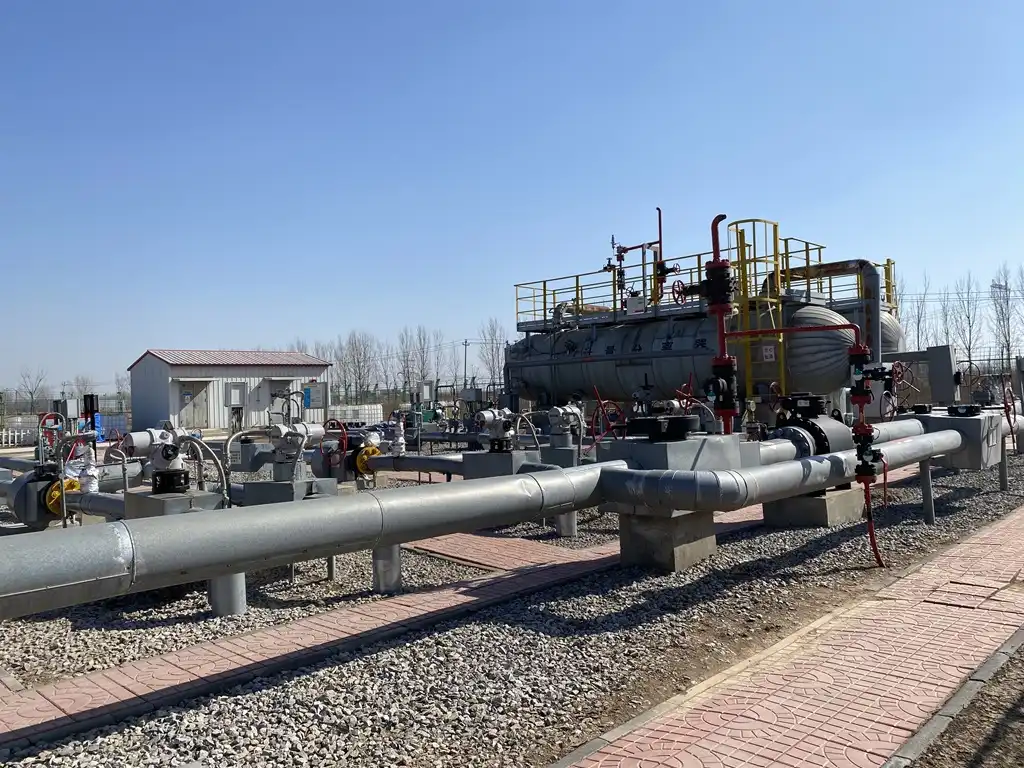
Pipeline operators who are in charge of moving crude oil count on these butterfly valves to control the station manifold and disconnect the mainline. Butterfly valves are used in cooling water circuits and chemical transfer lines at petrochemical plants, where they must be resistant to rust and not leak. Specialized high-pressure butterfly valves are used by drilling companies in wellhead assemblies and flowback equipment, where they have a direct effect on operational uptime through quick deployment and field-proven reliability. Large-diameter butterfly valves can precisely control the flow of chilled water through heat exchangers in industrial building HVAC systems, showing how versatile they are.
Advantages Driving Procurement Decisions
The small face-to-face size—often 40% shorter than similar gate valves—lowers the structural loads on the pipe system and the cost of installation. The lightweight design makes it easier to move and place in the field, which is especially important on offshore platforms or in remote drilling sites. Quick quarter-turn action lets you shut down faster in an emergency than multi-turn options. These useful benefits really hit home for procurement managers who have to balance performance needs with project deadlines and budget limits.
Key Parts of a Butterfly Valve and Their Functions
Knowing about the design of individual parts can help you figure out why some butterfly valves work so well in certain situations and others fail too soon. Each part affects the performance as a whole, so choosing the right materials and producing them with great care are key to long-term dependability.
Valve Body Construction and Material Selection
The body is the structure that holds compressed media and is what all the other parts are built on top of. Cast iron bodies are still a cheap option for low-pressure water service, but ductile iron is better for city mains that have to handle pressure surges because it has higher tensile strength. Most oil and gas uses use bodies made of carbon steel. This is especially true for wellhead choke systems and pipeline manifolds that need to have ASME Class 600 or higher pressure ratings. Stainless steel bodies don't rust in places with sour gases or chemical processing lines that deal with harsh media. There are different body styles, such as wafer-styles that clamp between pipeline flanges, lug patterns that let you remove a single flange for maintenance, and double-flanged models that hold the structure on their own.
Disc Design and Flow Control Characteristics
The disc is the main thing that stops flow, and the shape of it has a big effect on how well hydraulics work. In reverse pipeline service, symmetric discs are necessary because they allow flow to go in both directions. Offset disc geometries lower working torque by reducing seat friction during the opening cycle. This makes actuators last longer in automated systems. Stellite coating on the sides of high-performance discs keeps them from wearing down in slurry service or fluids with particles that are common in drilling mud systems. When differential pressure is present, the rigidity of the structure is affected by the thickness of the disc. Thinner profiles work best for low-pressure HVAC uses, while strong designs are needed for high-pressure wellhead equipment where sudden pressure spikes can cause catastrophic failure.
Stem Engineering and Torque Transmission
The stem links the actuator to the disc and transfers rotational force while also being able to handle lateral thrust from moving fluids. One-piece stem-disc assemblies get rid of possible leak paths, but they make upkeep less flexible. Two-piece designs with keyed or splined links let the disc be replaced without taking the butterfly valve completely apart, which cuts down on the time needed for refinery turnarounds. When choosing a material, it's important to think about both corrosion and strength. For example, 17-4PH stainless steel stems have great corrosion protection and mechanical properties for use offshore, while duplex stainless grades don't crack when exposed to chloride stress corrosion in seawater cooling systems. Most stem sealing uses V-ring packing sets that are pushed together by gland nuts. Newer designs include live-loaded arrangements that keep the seal's integrity even when the temperature changes.
Seat Technology and Leakage Performance
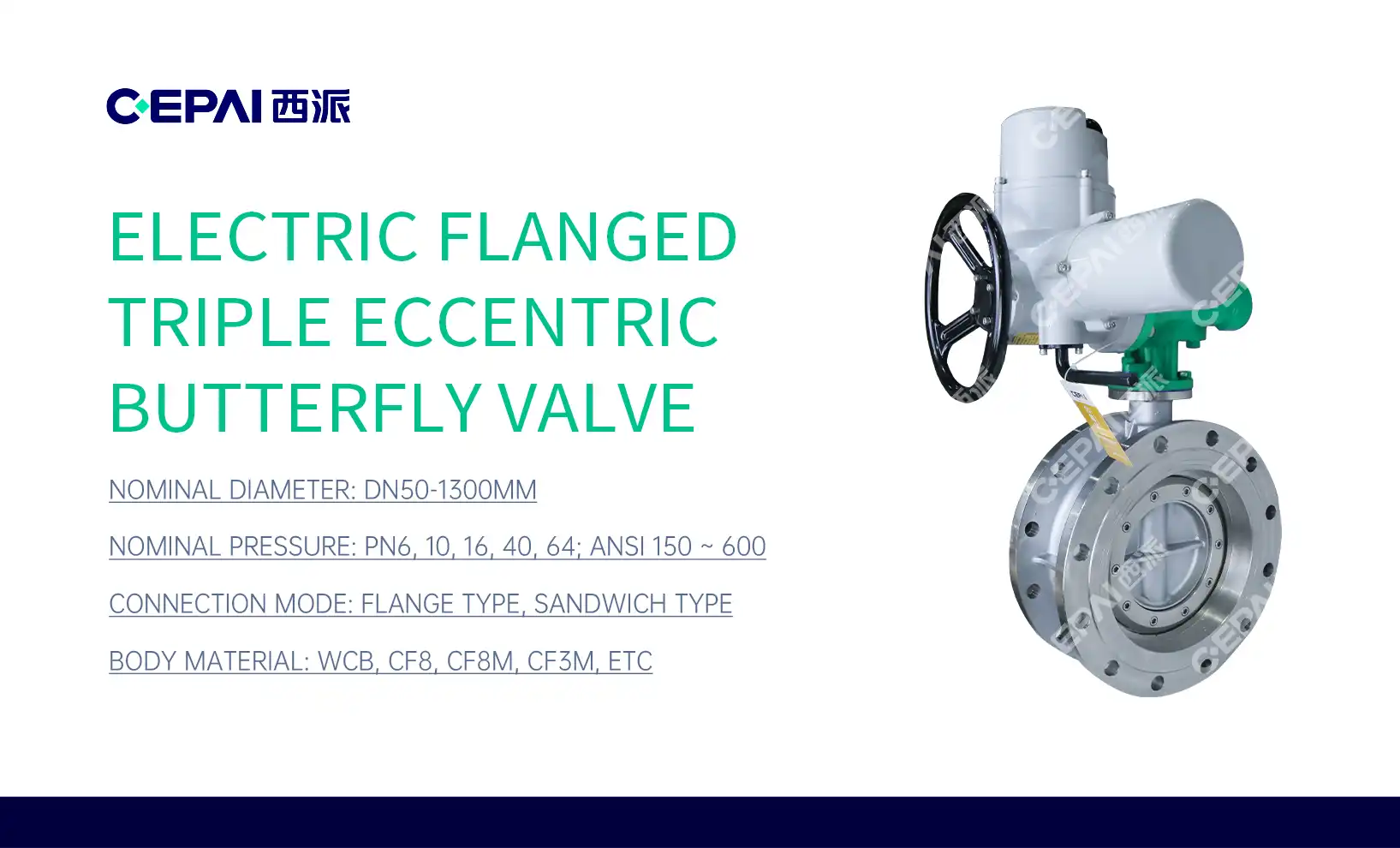
When the valve closes, the seat seals the opening, which directly affects the shutdown class performance. Resilient seats made from EPDM, Nitrile, or PTFE can handle discs that aren't perfectly lined up and offer bubble-tight shutoff in normal working situations up to 180°C. Metal seats, which usually have a triple-offset shape, get rid of the temperature limits that elastomers have, so they can be used up to 650°C in steam service or hot hydrocarbon uses. Interference-fit rings, bonded seat systems, and field-replaceable inserts are some of the different types of seats. ANSI Class IV shutoffs (maximum leakage of 0.01% of valve capacity) are good for isolation service, while Class VI shutoffs (almost no leakage) are needed in emissions-critical applications or when dealing dangerous fluids.
Actuator Options and Automation Integration
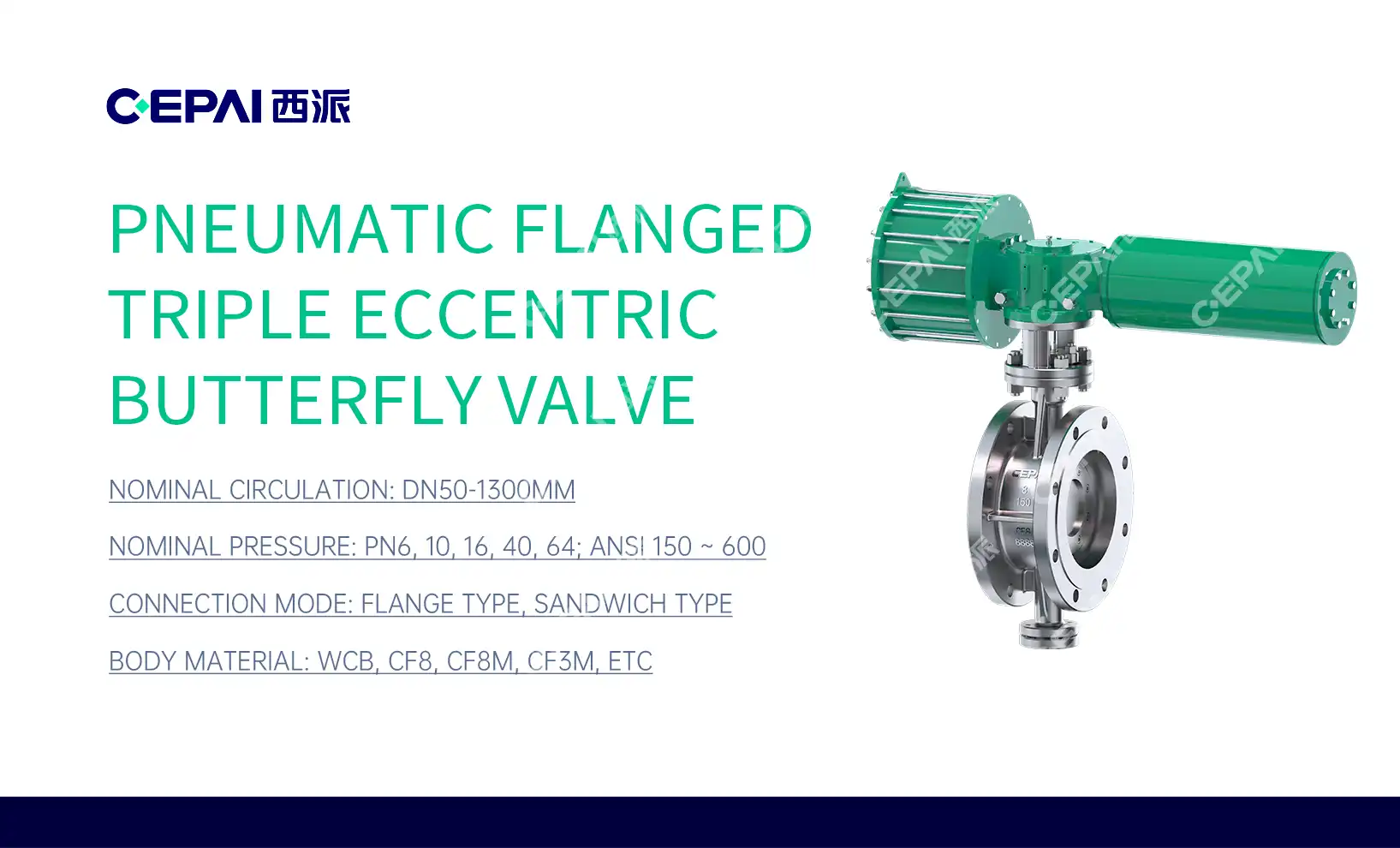
Isolation valves that are easy to get to and are rarely used can be controlled by hand using handwheels or levers. Gear operators are mechanically better for large-diameter valves that need more power than a person can comfortably apply by hand. Pneumatic actuators are the most common type of automated installation because they can respond quickly and are safe in explosive environments. For example, spring-return setups make positioning fail-safe when the air supply goes out, which is very important for emergency shutdown systems. Electric actuators can be precisely placed for throttling tasks and work well with remote control systems that use either analog positioning signals or digital fieldbus protocols. When pneumatic systems don't work well in subsea or high-pressure gas service, hydraulic actuators can make a lot of force.
Butterfly Valve Types and Their Industry Applications
To choose the best butterfly valve configuration, you have to make sure that the design features meet the needs of the business. When engineering teams choose tools for turnkey projects or plant expansions, they look at the properties of the media, how it will be used, and how it will be maintained.
Resilient Seated Valves for General Service
Elastomeric seats are formed or glued to the valve body or disc in these valves. Their sealing device is very flexible and can handle small pieces of debris in the pipeline. It also works very well in clean fluid service. They can only be used below 180°C because of temperature restrictions. This makes them perfect for fire protection networks, cooling water systems, and local water treatment plants. The choice of soft seat material is based on how well it works with different types of media. EPDR works well with drinking water and neutral fluids, Nitrile is good with petroleum products and hydraulic oils, and PTFE can handle light chemicals and high temperatures. When the pressure is low to mild and metal seats wouldn't work, procurement managers prefer resilient seated designs because they are more cost-effective.
Metal Seated Valves for Extreme Conditions
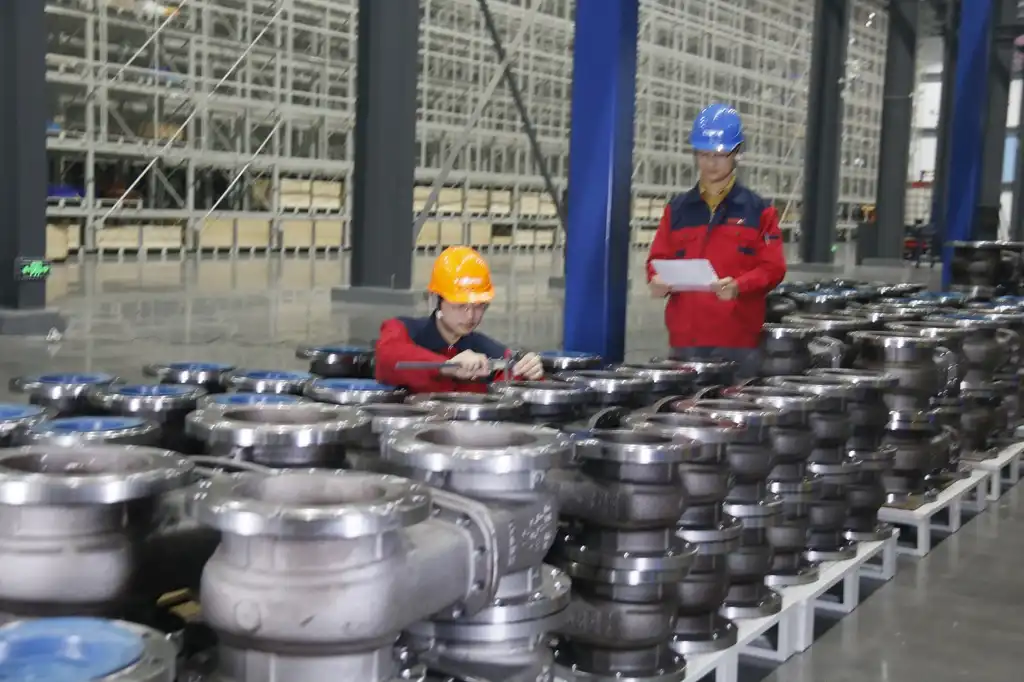
Metal-to-metal binding gets rid of the temperature limits that elastomers have, so a butterfly valve can be used continuously in processes that use superheated steam, hot oil, or chemicals that are heated to very high temperatures. Triple-offset geometry moves the axis of the seat cone away from both the centerline of the valve and the centerline of the shaft. This makes a cam action when the valve closes, which removes friction until the valve is completely shut off. This design keeps the seat from wearing down when the throttle is slowed down, and it greatly increases the service life in cycling uses. For wellhead Christmas tree integration, drilling companies ask for models with metal seats because the seats would break down quickly if the temperature changed during production cycles. The better performance comes with tighter manufacturing tolerances and higher starting costs, but the lower lifecycle costs in tough service make up for it.
Wafer and Lug Configurations for Installation Flexibility
Through-bolts are used to squeeze and seal the assembly of wafer valves, which fit between pipeline flanges without having their own bolt holes. This cheap, light design works well in situations where the downstream equipment doesn't need to be removed very often. Lug valves have threaded inserts on both sides that accept flange bolts. This lets you remove either the next-to-next pipeline piece without disturbing the other flange, which is a huge benefit when you're maintaining a pump or calibrating an instrument. Double-flanged valves support the structure without the help of pipeline flanges; they work like pipeline pieces themselves. EPC companies choose flange configurations based on the complexity of the pipe layout, the possibility of future changes, and the client's maintenance preferences.
Specialized Applications in Energy Infrastructure
To make sure drinking water is safe, water transmission systems use large-diameter resilient seated valves with NSF 61 approved parts. Natural gas distribution networks need approved fire-safe valves that keep their seals even after the elastomer burns out in a fire. To keep their products from getting dirty, chemical processing plants need valves with fully encapsulated seats and clean surface finishes. Each business has its own certification and performance standards that affect how materials are chosen and how designs are tested to make sure they work.
Butterfly Valve Comparison for Informed Procurement Decisions
To choose the right butterfly valve type, you have to compare different technologies based on factors that are specific to the application. When making bid specifications for equipment, procurement teams weigh the cost of capital against how well it works, how much upkeep it needs, and how long it is expected to last.
While ball valves are better at shutting off and letting full-bore flow through when they are open, their spherical closure element makes them heavier and more expensive, especially when the width is big. Gate valves have clear flow paths and great throttling properties, but they need to be installed at a high level, and their ability to make multiple turns slows down reaction times in emergencies. Globe valves are great at precisely changing the flow, but they cause big drops in pressure that make pumps more expensive in systems with a lot of flow. Check valves stop backflow, but they don't have the sure shutoff and flow control that butterfly valves do.
Butterfly valves occupy a competitive middle ground, offering 90% of the full-bore flow area at 20–40% of the weight and cost of big gate or ball valves. Even in 48-inch diameters, operating torque is still doable, which lets smaller actuators be used and lowers the cost of automation. The small envelope makes it easier to lay out pipes in process units that are already crowded or offshore modules where the cost of building is directly affected by how much space is used. Compared to the complicated insides of globe or multi-port ball valves, maintenance methods usually only involve replacing a few parts.
However, the disc that sticks out produces a small flow obstruction even when the valve is fully open. This causes pressure drops that can affect the size of the pump in very precise hydraulic calculations. The disc also vibrates when it is partly open because of flow. This makes it less suitable for long-term throttling than globe valves that are made for modulating control. When engineering teams understand these trade-offs, they can choose the best valves for whole piping systems instead of just using one type of valve for every purpose.
Conclusion
The structure of a butterfly valve's insides is the result of many years of engineering work, balancing ease of use with high efficiency. From the pressure-holding body to the torque-transmitting stem to the closing seat, every part makes the whole thing more reliable in harsh oil and gas, pipeline, and chemical processing environments. Matching the design features of a valve to the needs of the application is what separates long-lasting setups that work well from ones that fail and need to be replaced early. When procurement workers understand these technical details, they can make smart choices that save money on capital costs and keep equipment working properly throughout its lifetime.
FAQ
1. What distinguishes resilient seated from metal seated butterfly valves?
What distinguishes resilient seated from metal seated butterfly valves? Elastomeric seals on resilient seated types make them very good at shutting off when temperatures drop below 180°C, making them perfect for water and other fluid service. Triple-offset geometry is used in metal-seated versions to ensure zero leakage at temperatures as high as 650°C. This makes them perfect for use in steam, hot oil, and high-pressure gas situations where elastomers would fail.
2. How often should butterfly valves undergo maintenance inspection?
An outside review every three months checks the integrity of the packing and the function of the actuator in critical isolation service. Every year, internal exams check the condition of the seat and the alignment of the discs in cycling apps. Smart positioners that track torque trends and cycle counts can help with predicted maintenance by showing signs of component wear before they break.
3. Can butterfly valves perform both isolation and throttling functions?
Modern versions with offset disc geometry can handle some throttling without causing the seat to wear out too quickly. Long-term modulating control in high-differential pressure situations, on the other hand, may shorten the service life of globe valves designed especially for throttling. Talking to valve makers can help you figure out which ones will work best in different control situations.
Partner with CEPAI for Engineered Butterfly Valve Solutions
CEPAI offers certified flow control technology to help with oil and gas research, pipeline operations, and refining all over the world. When we make butterfly valves, we use API 6A, API 6D, and ISO 9001 quality systems together. This lets us make parts that meet the strict requirements of wellhead assemblies, pipeline separation, and process control systems. Our engineering team creates custom solutions for each application and offers full technical support. Whether you need high-pressure metal-seated valves for drilling operations or automatic large-diameter models for midstream infrastructure, they can help. Contact cepai@cepai.com to talk about your project needs with valve experts who have worked on many projects and know the problems that procurement managers, drilling engineers, and EPC companies face. Find out why major energy companies choose CEPAI as their go-to butterfly valve maker for mission-critical tasks.

References
1. American Petroleum Institute, "API Standard 609: Butterfly Valves: Double-flanged, Lug- and Wafer-type," Tenth Edition, 2018.
2. Skousen, Philip L., "Valve Handbook," Third Edition, McGraw-Hill Professional, 2011.
3. Lyons, William C. and Plisga, Gary J., "Standard Handbook of Petroleum and Natural Gas Engineering," Volume 2, Gulf Professional Publishing, 2016.
4. Nesbitt, Brian, "Handbook of Valves and Actuators: Valves Manual International," Elsevier Science, 2007.
5. Stewart, Maurice, "Surface Production Operations: Design of Oil Handling Systems and Facilities," Volume 1, Third Edition, Gulf Professional Publishing, 2014.
6. Smith, Peter and Zappe, R.W., "Valve Selection Handbook: Engineering Fundamentals for Selecting the Right Valve Design for Every Industrial Flow Application," Fifth Edition, Gulf Professional Publishing, 2004.
_1746598538016.webp)
Get professional pre-sales technical consultation and valve selection services, customized solution services.
About CEPAI