Troubleshooting Solenoid Valve Buzzing and Coil Overheating
To fix buzzing solenoid valves and coils that get too hot, you need to know about common electrical and mechanical failure modes that affect industrial automation systems. Most of the time, these problems are caused by voltage mismatches, bad fitting, or external factors that make the valves less effective. To find the root reasons, a good analysis uses a system of electrical tests, mechanical checks, and environmental assessments. When you properly fix problems, you can avoid costly downtime, make equipment last longer, and keep processes reliable in petroleum plants, oil and gas operations, and pipeline systems.

Understanding Solenoid Valve Buzzing and Coil Overheating
Common Electrical Causes Behind Valve Buzzing
Buzzing problems in electromagnetic valve systems are usually caused by problems with the electricity. Uneven voltage, especially when the source voltage doesn't match what the maker says it should be, makes magnetic fields unsteady, which causes vibrations that can be heard. When power sources change, AC coil systems experience magnetic pull that comes and goes, which makes the armature chatter against the pole pieces. Also, coils that aren't fully charged because there isn't enough power stop the armature from fully seating. This causes a constant buzzing sound as the magnetic circuit tries to close properly.
Power quality problems, like voltage jumps, harmonics, and changes in frequency, have a big effect on how well coils work in industrial settings. When single-phase power sources are used to power three-phase systems, they often cause uneven loads that show up as buzzing in valve circuits further downstream. Problems with grounding and electromagnetic radiation from nearby motors or welding tools can cause currents that aren't supposed to be there and stop the valve from working normally.
Mechanical Factors Contributing to Noise Generation
Mechanical wear patterns and assembly standards have a direct effect on how often valve parts buzz. When guide bushings are worn out, they let the armature move too much, which causes metal-to-metal contact that makes operating noise louder. Because the valve seats are dirty, they can't close properly, so the electromagnetic system has to keep working even though the position isn't fixed. Foreign matter inside the valve body, which happens a lot in drills and production settings, makes it hard for the armature to move smoothly and causes popping sounds.
Changes in spring tension have an effect on the closing force and seating properties, especially when the valve is usually closed. As time goes on, spring wear lowers the close pressure, which lets fluid pressure partly lift the valve disc and cause it to oscillate. Also, O-rings and seals that are broken can let air leak inside, which can cause vibrations in the whole valve system caused by pressure.
Root Causes of Coil Overheating Issues
Coil warming usually happens when too much current is drawn because of voltage mismatches or duty cycle violations. When constantly charged beyond their thermal capacity, solenoid valve coils that are meant to work only sometimes get damaged. Ambient temperatures in engine rooms, digging sites in the desert, or processing plants make heating problems worse by making it harder for the coil to get rid of heat effectively.
Moisture, chemical contact, or temperature cycling can cause insulation breakdown, which is a type of failure that happens over time. This wear and tear makes current loss routes bigger and lowers the efficiency of the coil, which means it needs more current to keep the same magnetic force. When there isn't enough air flow around valve systems, especially in underground or sealed control panels, normal convective cooling can't happen. This speeds up thermal degradation.
Diagnosing the Root Causes: Systematic Approach
Electrical Testing and Measurement Techniques
Professional repair starts with a full electrical study using instruments that have been checked and are accurate. By using a multimeter to test the coil's resistance, you can make sure it matches the manufacturer's standards. Depending on the voltage ratings and coil design, the resistance number will usually be between 10 and 500 ohms. When you test voltage under load, you can see how stable the supply is and find any problems with power distribution that might be hurting the valve's performance.
Current draw study tells you a lot about the state of the coil and how well the magnetic circuit works. When the solenoid valve is turned on, healthy ones use the same amount of current every time, while broken ones draw more current or have patterns that aren't regular. Insulation resistance tests with megohmmeters can find moisture getting in or insulation breaking down before it's too late. These measurements are especially useful on offshore drilling sites and in marine settings where the salt air speeds up the breakdown of electrical systems.
Looking at the patterns of coil energization with an oscilloscope shows changing behavior that can't be seen with regular multimeter readings. Healthy valve coils have smooth energization changes with little ringing or delay, while units that aren't working right have waves that aren't straight, which could mean they are mechanically stuck or there is electromagnetic interference.
Mechanical Inspection and Assessment Procedures
Visual inspection, measurement verification, and functional testing procedures are all parts of systematic mechanical evaluation. Take off the coil sections to get to the inside parts, and look at the armature surfaces for signs of wear, cutting, or contamination. Pay close attention to guide surfaces because uneven wear can mean that they are not aligned correctly, which can cause noise and failure before it's supposed to.
Testing the spring's compression for a solenoid valve makes sure that the closing force stays the same over a number of rounds. This makes sure that the sitting pressure is right even when the process conditions change. A study of the valve disc shows erosion patterns, cavitation damage, or impacts from foreign objects that change how well the closing works and how stable the system is. Checking the thread engagement stops problems with the joint that lead to practical stress and alignment issues.
By looking at the flow path, you can find any obstructions, contamination, or damage that might affect how the valve works or cause noises caused by pressure. Before putting the parts back together, make sure they are all clean and that their sizes match the original equipment's requirements.
Environmental and Operational Assessment
In industrial settings, environmental factors have a big effect on how well valves work and how long they last. When temperatures change from hot during operation to cool during shutdown, thermal stress is created that impacts coil insulation, seal materials, and metal parts. When digging off the coast or in tropical processing plants, the humidity makes corrosion and electricity breakdowns happen faster.
Vibration study of mounting structures and nearby equipment shows outside factors that might cause noise or wear and tear before they should. The temperature, pressure, viscosity, and chemical make-up of the process fluid all have an effect on the valves that need to be used and how often they need to be maintained. The duty cycle test checks to see if valve uses go beyond what the design allows, especially when rotating quickly or running continuously.
Effective Troubleshooting and Solutions
Addressing Buzzing Issues Through Mechanical Adjustments
Resolving mechanical buzzing requires systematic component tightening and alignment verification throughout the valve assembly. Begin with mounting bolt torque verification, ensuring consistent clamping force that eliminates structural vibration paths. Loose mounting bolts allow valve body movement that amplifies operational noise and creates stress concentration points leading to premature failure.
Armature alignment procedures involve careful inspection of guide surfaces and adjustment of assembly tolerances to manufacturer specifications. Clean all contact surfaces thoroughly, removing contamination buildup that prevents proper seating and creates operational instability. Replace worn guide bushings and verify armature travel distances match original design parameters. Spring tension adjustment ensures adequate closing force without excessive preload, which raises the working current needs. Internal component inspection reveals foreign debris, scale growth, or rust products that interfere with smooth operation. Valve seat refinishing or replacement returns the proper sealing properties and gets rid of noises caused by pressure.
Electrical Solutions for Coil Performance Optimization
Voltage management and improving power quality throughout the control system are the main goals of electrical repair for a solenoid valve. Install voltage regulators or uninterruptible power sources to keep the coils powered up even when the voltage changes, which can happen in remote drilling operations or manufacturing facilities with changing loads. When you ground something correctly, you get rid of electromagnetic interference and electrical noise that can mess up sensitive control systems.
To make sure that the new coil will work with the old control systems, the voltage and current ratings must be carefully checked. Solenoid valve coils that are rated for continuous service have better thermal performance in situations where they need to be powered up for long amounts of time. When the coil is working in an odd way, thermal safety devices like thermal switches or current regulating circuits keep it from getting damaged.
Power source filtering lowers electrical noise and harmonics that cause problems with operation and coil failure before they should. Regular electrical testing can find problems before they become totally broken, which lets you plan maintenance ahead of time and keep output running smoothly.
Preventive Maintenance Protocols for Long-term Reliability
Scheduled checks, replacement of parts at set times, and performance tracking methods that are specific to each operating setting are all part of comprehensive maintenance programs. Visual checks done once a week look for damage to the outside, growth of contaminants, or environmental issues that need attention. Electrical testing done once a month compares standard measures of coil resistance, insulation integrity, and current consumption trends to actual readings.
Cleaning and removal processes done every three months get rid of built-up dirt and allow for close inspection of each part. Replace seals, springs, and worn parts as directed by the maker or based on what you see. Every year, the tuning is checked to make sure that the valves respond properly and that the flow patterns meet the needs of the process.
Documentation methods keep track of how well parts are performing, what repair tasks need to be done, and how they break so that replacement schedules are optimized and systemic problems needing engineering attention are found. These proactive methods cut down on emergency fixes by a large amount while making the system more reliable overall.
Selecting the Right Solenoid Valve to Minimize Failures
Matching Electrical Specifications to Application Requirements
To choose the right valve, you must first match the electrical specifications exactly, taking into account the power available, the current capacity, and the duty cycle needs of each application. Standard industrial voltages like 24VDC, 120VAC, and 480VAC each have their own benefits that depend on the safety standards and design of the control system. DC systems offer more precise control and don't produce buzzing noise like AC systems do, which makes them perfect for uses that need precise flow control.
Analysis of current consumption for solenoid valve makes sure that the control system's ability is enough to support valve action in all possible situations. For high-pressure uses, coils need to be bigger and draw more current, so the power source needs to be the right size and the right conductors need to be chosen. Duty cycle issues become very important in fast-cycling situations where constant operation goes beyond normal solenoid valve intermittent rates.
Explosion-proof and fundamentally safe coil designs meet safety standards in oil and gas operations' common dangerous areas. These specialized units have better insulation systems and approved enclosures that keep out sources of ignition while still allowing them to work reliably in dangerous settings.
Material Selection for Harsh Operating Environments
The materials used for valve bodies have to be able to handle the different types of process fluids, high temperatures, and corrosive conditions that are found in many industrial settings. For offshore drilling sites, chemical processes, and naval uses, stainless steel building is the best way to prevent corrosion. For normal industrial use, carbon steel bodies with protected coatings are a cost-effective way to keep the structure's integrity.
If the cover material is compatible with the process fluid, it will not be attacked by chemicals and will work well for a long time. Fluorocarbon seals work great in chemically resistant, high-temperature situations that happen a lot in petroleum processes. Nitrile rubber seals are a cheap and useful way to keep oil and industrial fluids from getting in or out. For uses involving high temperatures or harsh chemicals, metal-seated systems do not use any elastomeric covers at all.
The working temperatures, corrosive conditions, and fatigue needs must all be taken into account when choosing spring materials. The performance of stainless steel springs stays the same across a wide range of temperatures, and they don't rust in coastal settings. Specialized metals work better in certain chemistry situations or when the temperature is very high or very low.
Evaluating Supplier Credentials and Certification Standards
A supplier's professional skills, quality certifications, and track record of success in similar situations are all things that are looked at when evaluating them. API 6D approval makes sure that valve designs meet the testing, paperwork, and pressure containment needs of the oil and gas business. The ISO 9001 quality management certification shows that organized quality control methods are used during all stages of production and testing.
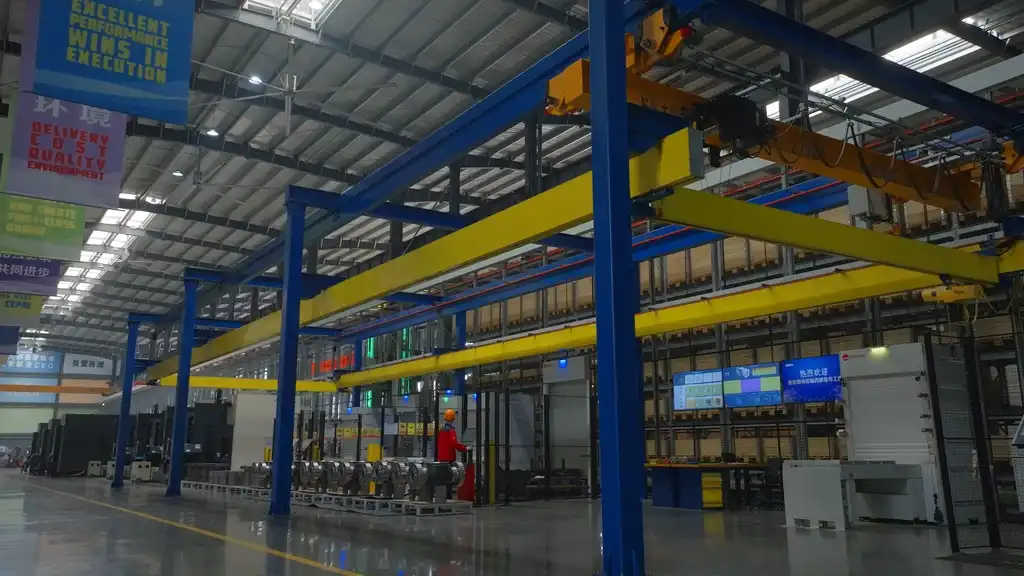
The evaluation of manufacturing capability looks at things like production capacity, the ability to make changes, and the availability of expert support resources. Suppliers of solenoid valves who offer application engineering support can help with writing specifications, choosing materials, and installing the valves. Local service networks make it possible for emergency repairs and regular upkeep help to be done quickly.
Checking performance with reference sites and case studies shows that the system is reliable in similar working situations. Third-party testing approvals show that performance claims are true and that the product meets industry standards. These evaluation factors help you choose a seller in a way that supports your long-term business success.
Conclusion
To fix professional issues like buzzing solenoid valves and coils that get too hot, you need to use organized testing methods that look at electrical, mechanical, and outdoor factors that affect valve performance. To be successful, you need to know a lot about electric principles, mechanical wear patterns, and the kinds of practical stresses that come up in a wide range of industrial settings. Correct diagnosis keeps key process efficiency high and avoids expensive emergency fixes.
FAQ
What causes solenoid valve coils to overheat during normal operation?
Coil overheating typically results from voltage mismatches, where the applied voltage is higher than what is recommended, constant energization beyond the rated duty cycles, or not enough heat escape because of poor ventilation. Thermal problems are also caused by changes in the ambient temperature and the wearing down of electrical insulation.
How can I determine if buzzing indicates serious valve problems?
The strength and regular patterns of buzzing can help doctors figure out what's wrong. Intermittent buzzing means there are problems with the voltage source, while steady buzzing means there are technical issues stopping the armature from sitting properly. During operation, measuring coil current and voltage helps tell the difference between electrical and mechanical reasons.
What preventive measures extend valve life in harsh environments?
Regular cleaning and checking procedures get rid of dirt and grime that speeds up wear. Protection from the environment, such as weather screens, drainage systems, and temperature control, keeps damage from happening. Stable working conditions are kept by electrical security like surge suppressors and voltage control.
Contact CEPAI for Professional Solenoid Valve Solutions
CEPAI specializes in making high-performance valve systems for complex oil and gas uses where dependability is very important. Our engineering team offers full expert help for choosing the right valves, fixing problems, and making changes to meet unique operational needs. With API 6A, API 6D, and ISO standards, we offer tried-and-true solutions that reduce buzzing and burning problems by making sure the designs and products are of the highest quality.
Our range of products includes wellhead systems, pipeline control valves, and special instruments made for use in tough conditions. Technical knowledge includes application engineering, help with choosing materials, and field support services that make sure the equipment works well for as long as it's supposed to. Get in touch with our knowledgeable sales team at cepai@cepai.com to talk about the solenoid valve you need and to look into ways to buy in bulk at low prices and on time.

References
Industrial Valve Technology: Principles and Applications in Process Control Systems, 4th Edition, Mechanical Engineering Press, 2023.
Electromagnetic Actuator Design and Troubleshooting Guidelines for Industrial Automation, Control Systems Engineering Journal, Volume 45, 2023.
API 6D Pipeline Valve Specification and Performance Standards for Oil and Gas Applications, American Petroleum Institute, 2023.
Preventive Maintenance Strategies for Industrial Valve Systems in Harsh Environments, Process Engineering Magazine, Issue 8, 2023.
Electrical Troubleshooting Methods for Solenoid-Operated Control Valves, Instrumentation and Control Engineering Handbook, 2023.
Material Selection Criteria for Valve Components in Corrosive Service Applications, Materials Engineering Quarterly, Volume 12, 2023.
_1746598525968.webp)
Get professional pre-sales technical consultation and valve selection services, customized solution services.

About CEPAI