Top 10 High-Temperature Valves for Industrial Steam Systems
When selecting high-temperature valves for industrial steam systems, understanding the specific requirements of your operation becomes crucial. A steam valve must withstand extreme thermal conditions while maintaining leak-proof performance and pressure integrity. The top ten high-temperature valves include forged steel globe valves, Y-pattern globe valves, gate valves with stellite trim, trunnion-mounted ball valves, pressure seal check valves, bellows-sealed control valves, pilot-operated safety relief valves, thermostatic steam traps, high-performance butterfly valves, and custom-engineered throttling valves. Each design addresses distinct operational demands across drilling platforms, refining facilities, and pipeline networks.
Understanding High-Temperature Valves in Steam Systems
Core Functions of Steam Control Devices
For industrial steam systems to work, they need valves that can control flow rates, separate sections of pipe, and keep pressure levels exact at temperatures over 800°F. These parts are what keep boilers, heat exchanges, and process lines running, especially when steam is the main energy source. Valve selection has a direct effect on how well a system works, how safe workers are, and how long equipment lasts. When heat expansion and contraction processes happen over and over, only a steam valve made with the right metals and sealing technology can keep things from going horribly wrong.
Material Considerations for Extreme Thermal Environments
For high-temperature uses, certain alloy formulas are needed to keep their power at high temperatures. For mild steam conditions, carbon steel types like A105 and A216 WCB work fine for the steam valve, while alloy steels like F11 and F22 do their best in temperatures close to 1000°F. Different types of stainless steel, like 316 and 304, are better at resisting rust in wet steam situations. To keep superheated steam particles from wearing away at trim parts, they are often made of harder materials like stellite or tungsten carbide.
Sealing Technology Advances
Graphite-based packing systems, spiral wound gaskets, and pressure-energized seals that stay intact through temperature cycles are all parts of modern steam valves. When conventional packing materials are exposed to steam for a long time, they break down quickly, releasing harmful gases and reducing their effectiveness. New sealing designs now have live-loading systems that automatically account for temperature expansion. This makes sure that the seal will stay tight for a long time. These improvements lower the number of times that repair needs to be done while still meeting strict environmental rules.
Top 10 High-Temperature Valves for Industrial Steam Systems
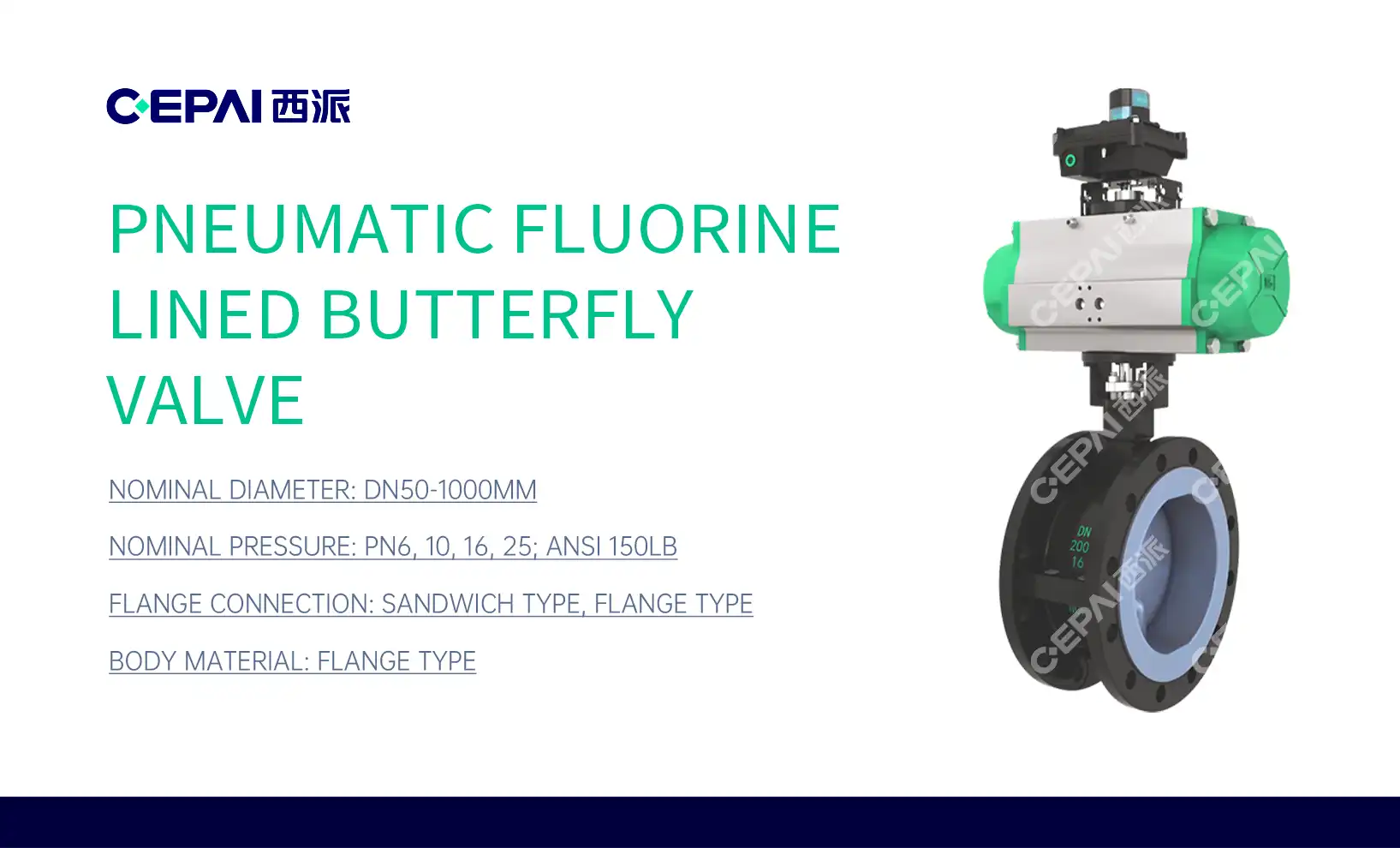
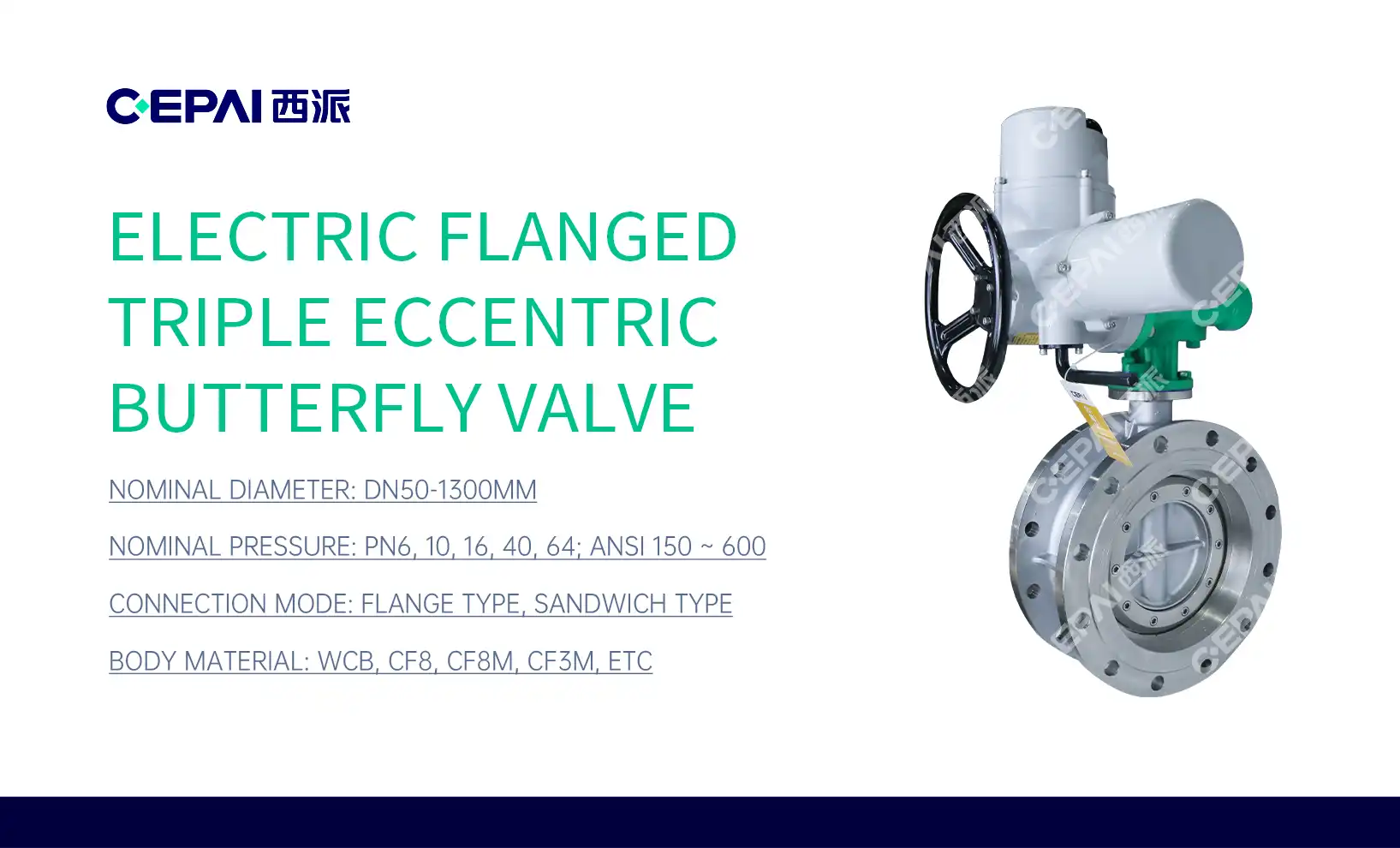
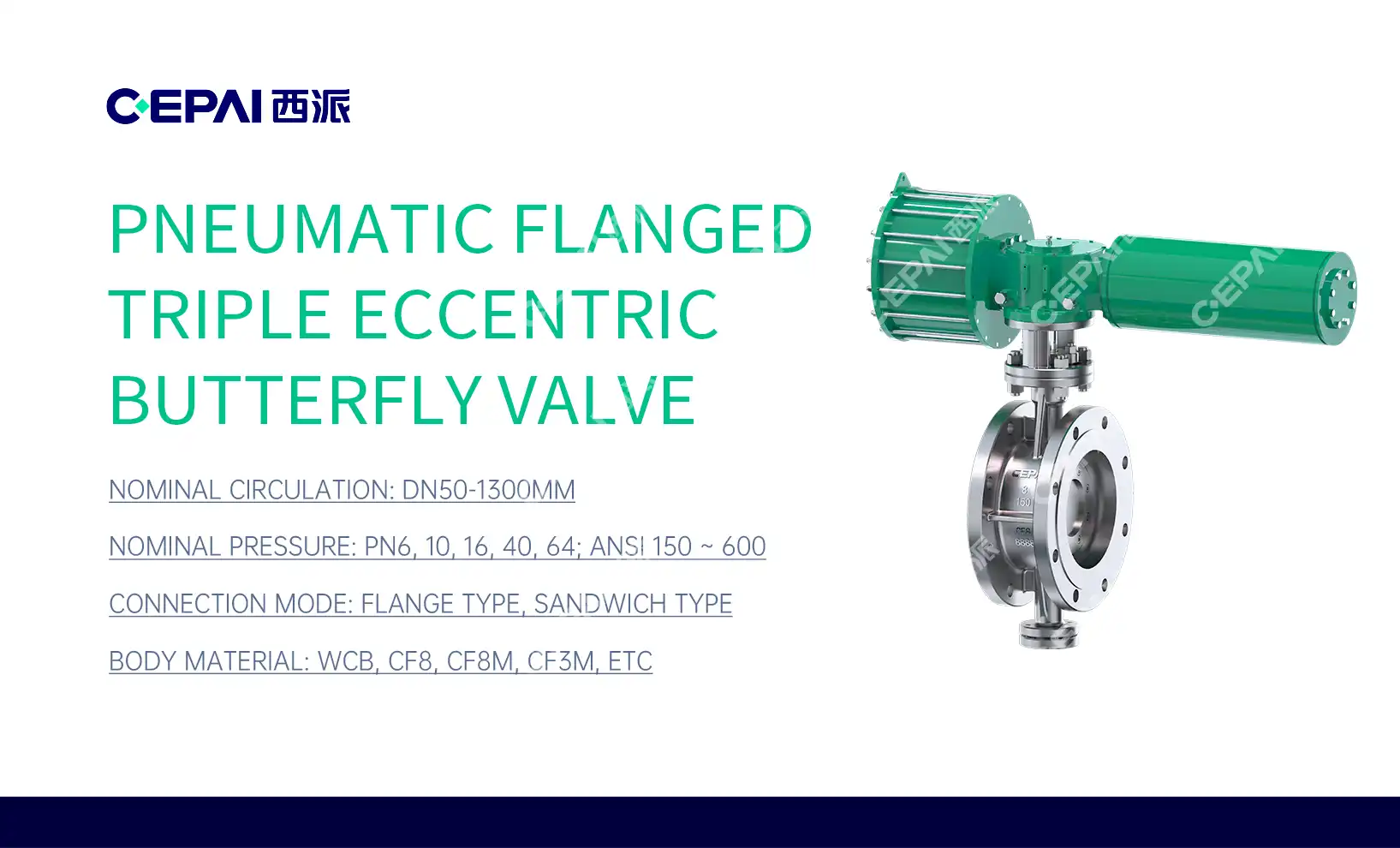
To choose the correct valve configuration, you need to match operating factors with tried-and-true designs that work well in tough conditions. The brochure below shows ten different types of valves that were made to work with high-temperature steam. Each type has its own benefits for different industry situations.
Forged Steel Globe Valves
When exact flow control is needed, these valves work great for slowing. They are stronger than cast options because they are made, which makes them perfect for high-pressure steam lines that go over 2500 psi. The Z-shaped flow path makes for great shutdown, but the pressure drop characteristics need to be carefully looked at. Forged globe valves are often used in wellhead steam injection systems because they are strong and have been proven to work reliably in the field.
Y-Pattern Globe Valves
Y-pattern combinations are best for high-speed steam flows because the angled body shape cuts pressure loss by about 40% compared to regular globe valves. This shape also makes repair easier, since the bonnet can be fixed without taking out the whole piping. Refining plants use Y-pattern valves a lot in the upper lines of distillation columns, where reducing pressure drop has a direct effect on how well the process works.
Gate Valves with Stellite Trim
When full-bore flow is needed with little resistance, gate valves are the best choice. High-temperature models have wedges and seats with stellite faces that protect wires from damage caused by eroding steam. The solid wedge form allows sealing in both directions, but these valves work best when they are fully open or closed, not when they are limiting service. For mainline isolation places where flow capacity can't be harmed, pipeline workers like this steam valve, a steam valve type.
Trunnion-Mounted Ball Valves
Through fire-safe building and special seat designs, ball valve technology has grown to be able to handle very hot steam. The trunnion mounting method holds the ball up separately from the seats. This lowers the running force and increases the cycle life. Advanced seat materials, such as strengthened PTFE with graphite fillers, keep the seal strong up to 450°F. Metal-seated models can handle higher temperatures. Because they work with automation, these valves are good for pipeline sites that are controlled from a distance.
Pressure Seal Check Valves
In high-pressure steam systems, check valves that close better as system pressure rises are needed to stop backflow. The pressure seal bonnet design uses system pressure to activate gasket sealing, which gets rid of the possible leak paths that come up with bolted bonnet designs. Dual disc designs have short installation lengths, which is especially useful on offshore sites where equipment selection is limited by room. During shutdown processes, these valves keep expensive turbomachinery safe from damage caused by reverse flow.
Bellows-Sealed Control Valves
Process companies need control valves that completely stop stem leaks, especially when working with expensive or dangerous steam condensate. Welded metal tubes keep process media and air out, so they meet zero-emission guidelines without having to make any changes to the packing. The bellows section absorbs movement in the stem and keeps acidic condensate from getting to internal parts. Bellows-sealed valves are used in important services at petrochemical plants where even a small leak could be dangerous or harmful to the environment.
Pilot-Operated Safety Relief Valves
For steam systems to be safe from overpressure, they need relief devices that can properly react to changes in pressure while wasting as little steam as possible. Pilot-operated designs use the pressure in the system to change how wide the valve opens. This makes the shutdown more precise and lowers the simmering temperature compared to regular spring-loaded relief valves. The pilot system can be adjusted to meet the needs of a specific application, which is not possible with direct-acting designs. In order to meet the standards of ASME Section I, boiler systems usually include pilot-operated relief valves.
Thermostatic Steam Traps
Getting rid of vapor efficiently has a direct effect on how well the steam system works and how much energy it uses. When there are temperature differences between the steam and condensate, thermostatic traps automatically let go of the cooler liquid while keeping the live steam from escaping, aided by the steam valve. The controlled pressure capsule design lets a lot of air flow through the system when it first starts up. Facilities that care about saving energy get their money back quickly by choosing the right steam traps and keeping up with repair programs that get rid of steam waste.
High-Performance Butterfly Valves
Designs with butterfly valves work well for large-diameter steam lines because they are small and light. High-performance versions have offset disc shape that keeps the discs from rubbing against each other while they're running, which greatly increases their service life. Metal-seated models can handle temperatures of up to 750°F, and the quarter-turn action makes it easier to add automation. Butterfly valves are often used for main distribution control in district heating networks because they are cheap when they are big.
Custom-Engineered Throttling Valves
In some situations, specific valve designs are needed to solve specific operating problems. Custom regulating valves take the best parts of different standard designs and mix them in ways that reduce noise, keep pressure drops in check, or protect against erosion. In high-differential pressure services, these solutions often have multi-stage trim systems that slowly lose energy. This keeps cavitation damage from happening. EPC companies work with valve makers to come up with custom solutions that meet the unique needs of difficult projects that can't be met by standard catalog goods.
Understanding the practical context helps buying teams match the skills of valves with what they need to do in the field. This way, they can avoid both over-specification and not having enough performance margins.
How to Choose the Right High-Temperature Steam Valve
Defining Application Parameters
To choose the right steam valve, you must first write down the exact working conditions, such as the maximum pressure, temperature range, flow capacity, and fluid properties. The quality of the steam has a huge impact on the size of the valves because wet steam contains moisture that speeds up erosion. When figuring out a pressure class, you have to think about the worst-case situations, like short-term conditions during starting and emergency shutdowns. To make sure there is enough safety for sudden pressure changes, drilling engineers usually ask for valves that are rated 50% above the regular working pressure.
Material Compatibility Assessment
If you match the materials of the valve body and trim to the conditions of service, thermal wear or rust won't cause them to fail early. For dry steam uses below 750°F, carbon steel bodies work fine for a steam valve. At higher temperatures, chrome-moly metals are needed for the steam valve. To stop erosive wear, trim hardness must be higher than the steam velocity and particulate content limits. Material test results that show agreement with ASTM standards for the given service class should be asked for by procurement managers for the steam valve.
Actuation System Comparison
When labor costs are low and valves are only adjusted once in a while, manual operation is best. However, automation has clear benefits for faraway places or cycling that happens a lot. Electric actuators give accurate feedback on positioning and work well with distributed control systems. However, pneumatic actuators are faster and can fail safely by using saved air reserves. When you need a lot of power and an electric device can't handle it, hydraulic systems are the best choice. The choice matrix needs to compare the initial investment to the total cost of running the business over its lifetime, which includes the cost of repairs and upkeep.
Supplier Qualification Criteria
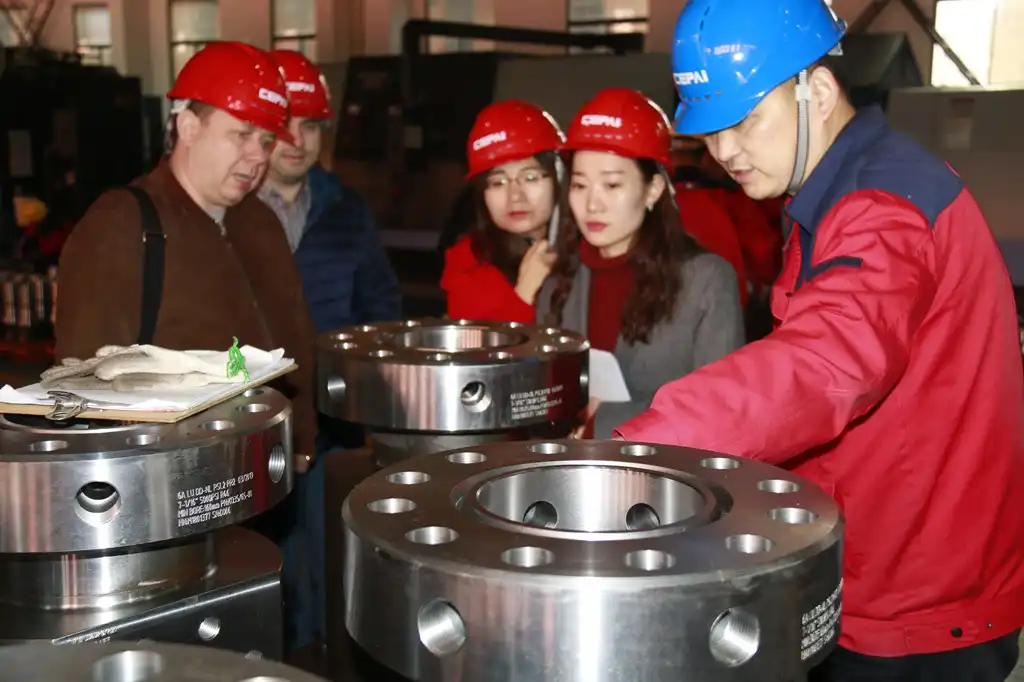
When choosing a vendor, you have to look at more than just the catalog specs. You also have to think about the testing skills, manufacturing quality systems, and technical support infrastructure. Certifications like API 6A and API 6D show that a quality control system is good enough for important service applications. The people who work in procurement should check out the sites of suppliers to make sure that the welding processes, non-destructive testing routines, and traceability systems are correct. When comparing similar technical offers from different providers, the long-term supply of parts and the size of the field service networks become important factors.
Procurement Insights: Buying High-Temperature Steam Valves for Industrial Use
Evaluating Manufacturer Credentials
On the global steam valve market, there are many providers who say they can do the same things, but the quality of their products changes a lot between them. Well-known companies keep a lot of testing equipment, like high-temperature flow loops and cycle testing stands, to back up their performance claims with real-world data. Independent checks of the manufacturing process are done by third-party approvals from groups like Lloyd's Register or Bureau Veritas. To make sure that supplies don't run out during multi-year projects, procurement teams should look into how financially stable suppliers are and how much they can produce.
Balancing Cost and Value Considerations
When buying valves, people often focus on the original cost of a steam valve and not give enough weight to the costs that come up over time, such as upkeep, downtime, and replacements. Premium steam valves from well-known brands usually last 30 to 40 percent longer because they are made with better materials and more precise manufacturing tolerances. It is possible to get better terms with bulk buying deals for steam valves, but efforts to standardize should not hurt technical suitability. Material flaws and problems with the workmanship of a steam valve should be covered by the warranty, and there should be clear steps for handling failures in the field that need thorough analysis.
Logistics and Supply Chain Management
When you buy valves from other countries, the shipping methods, customs processes, and inspection routines for getting them become more complicated. For big orders, containerized shipping is cheaper, but air freight is the only way to go for things that are essential to the project and can't be delayed. Specifications for the wrapping are very specific and protect polished surfaces and internal parts while they are being shipped and stored. For engineered-to-order goods, lead times can be as long as 16 to 20 weeks. To help procurement teams keep track of lead times, order tracking tools with milestone views can help. Setting up regional delivery partnerships lowers the cost of emergency purchases when things break down and need to be replaced quickly.
Conclusion
To choose a high-temperature steam valve that will work reliably for a long time, you need to carefully consider the working conditions, the materials you need, and the skills of the supplier. The ten types of valves shown meet a wide range of industry needs in places like process plants, pipeline networks, and drilling activities. Finding the right balance between technical requirements and long-term value is key to successful procurement. It's also important to work with manufacturers who can give proven knowledge and full support. Following the right upkeep and safety rules will keep people safe and increase the availability of tools. Companies that spend money on good valve solutions and strict selection methods get more reliable operations and lower total costs of ownership.
FAQ
1. What materials work best for steam valves operating above 800°F?
Chrome-moly alloy steels, like A217 WC6 and WC9, keep their strength well at temperatures up to 1000°F, which is why they are the best choice for uses that use superheated steam. Austenitic stainless steels are better at resisting rust, but they can't handle as much stress when they're heated up. To protect against eroding wear from high-velocity steam, trim parts should be hardfaced with stellite or tungsten carbide. When choosing a material for a steam valve, it's important to think about both the highest temperature that it can work at and the effects of thermal cycling, which cause valve bodies and bonnets to become worn out.
2. How often should steam valves undergo maintenance inspections?
How often something needs to be inspected relies on how hard it is to service, how long it is used, and how often similar things have failed in the past. Critical separation valves that are used all the time usually need to be inspected from the outside every three months and from the inside once a year. Throttling control valves wear out faster than other valves, so they should be inspected every six months and their seats should be checked for damage. Keeping records of what was found during inspections creates a base set of data for predictive maintenance tools that find the best times to make repairs. Monitoring vibrations and live leak detection systems let you know right away if problems start to show up between checks.
3. Can electric actuators be retrofitted to existing manual steam valves?
Most manual valves can connect to electric motors using standard mounting connections set out in ISO 5211, but it is still important to check the sizes. To figure out how much actuator power is needed, you have to take into account stem friction, packing drag, and the different pressure forces that act on the closing members. To integrate a control system, you need position input devices and the right signal conditioning tools. Adding automation to older valves can save money compared to replacing them completely, as long as the internal parts can still be serviced and the design of the valve allows for the needed cycle life.
Partner with CEPAI for Reliable Steam Valve Solutions
Suppliers of steam valves for industrial use need to know how to deal with the technical challenges and time constraints that drilling engineers, plant managers, and buying professionals face. CEPAI offers designed solutions that are backed by a wide range of API certifications, such as API 6A, API 6D, and ISO 9001. This makes sure that every steam valve meets the high quality standards needed for important uses. Our throttle valves and custom-made flow control devices are made with high-tech materials and tried-and-true closing methods that make them last longer and require less upkeep. Our technical team works directly with your engineers to make sure that the valve specs are best for your unique working conditions, whether your project needs standard stock items or custom-engineered parts. Email our experts at cepai@cepai.com to talk about your high-temperature steam valve needs and get specific technical ideas that are made just for you. We keep a large stock of high-quality steam valve parts from the world's top makers, so we can deliver quickly for both planned jobs and last-minute replacements.

References
1. American Petroleum Institute. (2021). "Wellhead and Christmas Tree Equipment - Specification 6A." API Publishing Services, Washington, DC.
2. Zappe, R.W. (2004). "Valve Selection Handbook: Engineering Fundamentals for Selecting the Right Valve Design for Every Industrial Flow Application." Fifth Edition, Gulf Publishing Company, Houston, TX.
3. Skousen, P.L. (2011). "Valve Handbook." Third Edition, McGraw-Hill Professional, New York, NY.
4. ASME International. (2019). "Boiler and Pressure Vessel Code, Section I: Rules for Construction of Power Boilers." American Society of Mechanical Engineers, New York, NY.
5. Lyons, J.L. (2009). "The Valve Primer: A User's Guide to Industrial Valves - Revised Edition." Engineering Dynamics Incorporated, San Jose, CA.
6. Smith, P. and Zappe, R.W. (2003). "Valve Selection and Specification Guide." Van Nostrand Reinhold, New York, NY.
_1746598525968.webp)
Get professional pre-sales technical consultation and valve selection services, customized solution services.
About CEPAI