The Science of Flashing and Cavitation: A Deep Dive for Pros
It is very important to understand how control valves work in industry, especially when dealing with complicated events like flashing and cavitation. These problems with fluid dynamics have a big effect on how well valves work, how efficiently they run, and how reliable their parts are over time in oil and gas, industrial, and pipeline uses. The science behind these things has a direct effect on choices about what to buy, how to maintain things, and how to build the whole system, all of which affect the success of the project and its ability to make money.
Understanding Flashing and Cavitation in Control Valves
The Fundamental Physics Behind Flashing
Flashing happens when the pressure of a liquid goes below the pressure of its vapor while it flows through a valve limit. This drop in pressure makes an environment where molecules of liquid have enough energy to change into vapor, which forms bubbles that stay in the stream. In high-pressure situations, like those found in oil and gas drilling and pipeline work, this effect is especially troublesome.
The link between system pressure, fluid temperature, and the unique vapor pressure properties of the process medium is what determines when flashing starts. When the designs of control valve trims cause big differences in pressure, workers often experience flashing conditions that hurt the performance of the system and shorten the life of the equipment.
Cavitation Mechanics and Material Impact
Cavitation is a more damaging problem than flashing because bubbles form quickly and then fall apart violently when the pressure returns downstream. Extreme localized pressures topping 100,000 psi are created by this fall. Shock waves damage the inside of the valve and make unique noise signatures.
Cavitation starts in a way that is similar to flashing, but it only happens in places where pressure recovery lets bubbles implode. Because of how they naturally recover pressure, globe valves, which are often used for accurate flow control, are especially vulnerable. The resulting damage to the material shows up as pitting, weathering, and early failure of important parts like cage systems, seats, and plugs.
Operational Parameters Influencing Phenomena Occurrence
By changing the properties of fluid gas pressure, changes in temperature have a big effect on both flashing and cavitation potential. Higher temperatures lower the difference in pressure that is needed for gas to form. This makes systems more likely to experience these effects while they are working normally.
Another important factor for a control valve is flow rate, with higher speeds causing bigger drops in pressure across valve limits. This connection helps explain why cavitation and flashing damage small valves often happen more quickly, especially in situations where water is injected, chemicals are processed, or steam is managed.
Causes and Consequences of Flashing and Cavitation
Primary Contributing Factors
Flashing and cavitation problems in industrial settings are most often caused by valves that are too small or too large. Engineers often don't realize how important it is to do accurate estimates of the flow coefficient. This leads them to choose valves that can't handle the design flow rates without causing too many pressure drops.
A lot of these problems are caused by bad system design, especially when the way the pipes are set up makes the flow rough or the pressure relief zones aren't big enough. Pressure changes that cause cavitation to form are made worse by sharp turns, rapid expansions, and not enough straight pipe runs upstream and downstream of valves.
These things often happen in systems that are otherwise properly defined when the process conditions change beyond what was planned. Loss of pump performance, clogged filters, or changes in the qualities of the fluid can move the working points into troublesome areas where cavitation and flashing are likely to happen.
Economic Impact on Operations
Uncontrolled flashes and cavitation have financial effects that go far beyond the cost of replacing the valves right away. Unplanned downtime in oil and gas operations can cost tens of thousands of dollars an hour, so owners need to find ways to keep their businesses profitable.
A big petroleum plant recently found that cavitation damage in their process control valve systems costs them more than $2.3 million a year in repairs. The facility changed the valve designs and made the size rules better. This cut costs by 78% in eighteen months and made the system more reliable overall.
Performance Degradation Patterns
Noise and shaking are early warning signs of situations that could lead to cavitation or flashing. When bubbles start to form, sound levels above 85 decibels are often a sign. Vibration tracking can pick up on the specific frequencies that bubbles break at.
As cavitation damage builds up on sitting surfaces of a control valve, leakage rates tend to rise over time. When tracking tools find that valve performance is changing in a trend, this pattern of degradation lets workers use predictive maintenance strategies.
Control Valve Selection and Design to Minimize Flashing and Cavitation
Material Engineering for Resistance
Advanced metallurgy is very important for stopping cavitation damage because it helps makers make special alloys that don't wear down in harsh situations. Stellite overlays, tungsten carbide coats, and ceramic plugs all make things last longer in situations where completely stopping cavitation is not possible.
When choosing the right trim materials, you need to think carefully about the process chemicals, the temperature ranges, and how long the materials are supposed to last. Hardened stainless steel alloys work well for most tasks, but in highly corrosive conditions like those found in sour gas uses, you need more unusual materials like Inconel or Hastelloy.
Design Features for Phenomenon Mitigation
Here are the main design methods that companies use to lower the effects of flashes and cavitation:
- Multi-stage pressure reduction systems that spread pressure drops across various limits. This way, no one place can have pressure differences that cause cavitation while still being able to precisely control flow.
- Specialized trim geometries, such as winding paths, graded holes, and anti-cavitation cages, help control pressure recovery and reduce turbulent flow patterns that cause bubbles to form.
- Flow-optimized valve bodies with streamlined internal paths and optimized inlet/outlet setups that make it easier for flow to separate and pressure to recover, which are problems that often come up with standard valve designs
- Noise attenuation features like sound-dampening materials and acoustic separation rooms that deal with the side effects of cavitation and keep nearby equipment from being affected by vibrations
These new designs show how advanced engineering needs to be in order to solve difficult fluid dynamics problems in current industrial settings.
Actuator Integration and Control Strategy
Electric motors for a control valve are more accurate at placing than pneumatic ones. This lets you control flow more precisely, which reduces pressure changes that can cause cavitation. Modern digital positioners have feedback systems that keep an eye on the position of the valves and change how they work to keep the flow conditions at their best.
In smart valve technologies, sensors are built right into the valve system to measure temperature, pressure, and shaking. This real-time information lets maintenance plans be planned ahead of time, and control systems can change working parameters automatically when conditions get close to cavitation limits.
Maintenance, Troubleshooting, and Mitigation Strategies
Proactive Monitoring Approaches
Vibration analysis is the most effective way to find control valve systems that are starting to experience cavitation. Accelerometers attached to valve bodies can pick up on the unique frequency signatures of bubble creation and collapse. This lets repair teams plan their actions before they do a lot of damage.
Another useful diagnostic tool is acoustic monitoring, especially for valves that are in easy-to-reach places where sound measurement equipment can be used properly. Digital sound level meters that can analyze frequency help tell the difference between cavitation noise and other sounds that are common in industrial settings.
Diagnostic Procedures and Remediation
Regular internal checks are still needed to keep track of how cavitation damage is getting worse and make sure that prevention steps are working. Borescope inspections let you see how the trim is doing without taking the valves apart completely. This saves money on repair costs and gives you useful information about the state.
Once cavitation damage is found, repair plans need to take into account both the instant physical damage and the deeper issues that caused the problem. Surface repair methods, such as welding, grinding, and special coatings, can make the valve work again, and changes to the design stop the problem from happening again.
Retrofit Solutions for Legacy Installations
Existing systems that have cavitation issues can often benefit from trim updates that include new anti-cavitation technologies without having to replace all of the valves. These retrofit solutions improve efficiency without spending a lot of money and use current investments in pipes and instruments.
When standard retrofit choices for a control valve can't properly address the conditions at a particular spot, custom engineering solutions are needed. Companies like CEPAI are experts at creating custom solutions that improve the performance of valves in tough situations while still working with current system designs.
Procurement Considerations for Industrial Control Valves
Supplier Evaluation Criteria
Quality licenses are very important for proving that a company can make things and that their quality control methods work. Minimum performance standards are set by API specifications, such as API 6A for wellhead equipment and API 6D for pipeline valves. Comprehensive quality control systems are shown by ISO certifications.
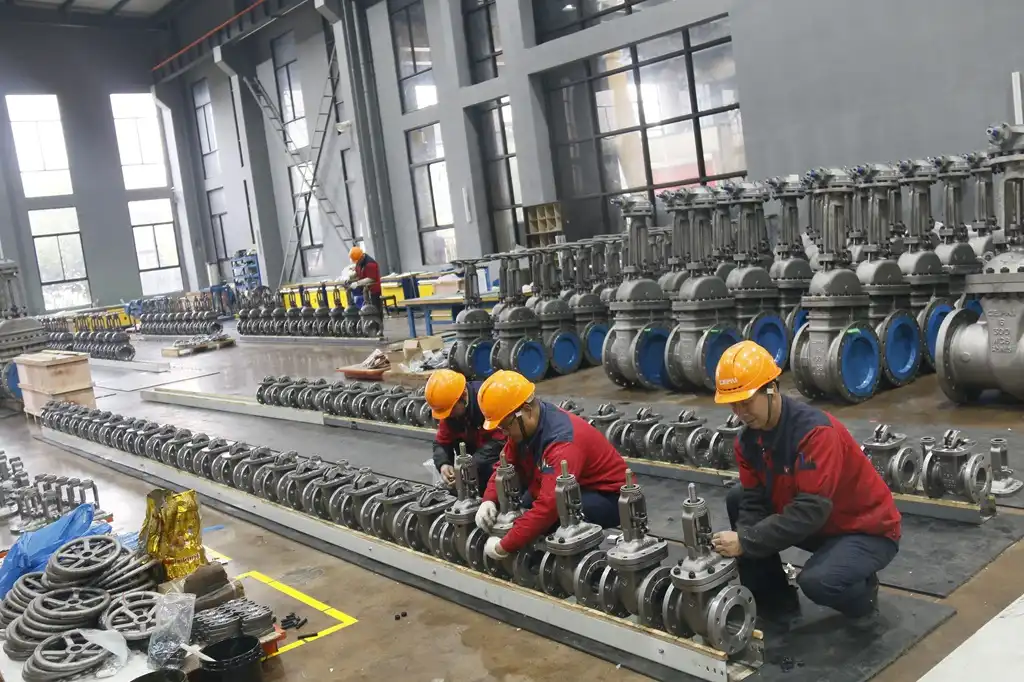
The skills of the manufacturer must match the needs of the project, especially when it comes to material standards, testing procedures, and delivery dates. Companies that use suppliers with design, production, and testing facilities in-house usually get better quality control and faster lead times than companies that hire outside contractors.
Technical Specification Development
Due to the unique needs of the application, operating conditions, fluid properties, and performance standards must be carefully thought through. The standards for the purchase must be very clear about the ranges of pressure and temperature, the flow properties, the materials that must be used, and any special features that are needed to deal with cavitation issues.
The engineering team at CEPAI works closely with clients to create the best specs that meet both short-term performance needs and long-term stability goals. Their background in oil and gas research, pipeline operations, and petroleum processing gives them a full understanding of the problems that come up in each application.
Cost-Benefit Analysis Framework
The initial buy price, installation costs, upkeep needs, and expected service life must all be included in the total cost of ownership estimate. Even though quality control valve designs cost more at first, they often offer better long-term value in demanding situations because they are more reliable and last longer.
It's especially important to think about energy economy in large sites where pumping costs are a big part of the operating costs. Over the course of their working life, valves with better flow characteristics and lower pressure drop needs can save a lot of energy.
Conclusion
Procurement experts who are in charge of choosing tools for tough industrial uses need to know a lot about the science behind flashing and cavitation in control valves. These events have a big effect on the efficiency of valves, the cost of upkeep, and the reliability of activities in the oil and gas, petrochemical, and pipeline industries.
To effectively reduce the effects of climate change, we need to use a combination of modern materials engineering, the right valve selection, and preventative maintenance plans. Taking care of these problems will have long-lasting economic benefits that go far beyond the cost of the equipment itself. These benefits include higher stability, less downtime, and better operating efficiency.
FAQ
What exactly causes cavitation in control valves?
Cavitation occurs when liquid pressure drops below the fluid's vapor pressure, creating bubbles that subsequently collapse violently when pressure recovers downstream. This phenomenon typically results from excessive pressure drops across valve restrictions, improper sizing, or operation outside design parameters.
How can I identify early signs of cavitation damage?
Early cavitation indicators include increased noise levels above 85 decibels, abnormal vibration patterns, and gradual increases in valve leakage rates. Visual inspection may reveal pitting or erosion on trim surfaces, while performance monitoring shows declining flow control accuracy.
Which valve types offer the best cavitation resistance?
Globe valves with specialized anti-cavitation trim designs provide superior resistance to damage from cavitation. Multi-stage pressure reduction setups and optimized flow routes help spread out pressure drops while minimizing the number of harmful bubbles that form and pop.
Can existing valves be upgraded to prevent cavitation?
Modern anti-cavitation technologies can be added to many current systems to make them better without having to replace all the valves. Custom upgrade solutions can be made to fit the needs of a particular spot while protecting the investments that have already been made in pipes and instruments.
Partner with CEPAI for Advanced Control Valve Solutions
CEPAI focuses on designing and making high-performance control valves that can handle the tough conditions that lead to flashing and cavitation in industrial settings. Our wide range of products includes specialized controlling valves, choke valves, and emergency shut-off systems made with cutting-edge materials and tried-and-true designs that reduce the effects of cavitation.
Our API-certified factories make control valve solutions that meet the tough needs of oil and gas research, pipeline operations, and handling petrochemicals. CEPAI offers trustworthy tools backed by full technical help and engineering knowledge. Their products are certified to meet API 6A, API 6D, and ISO quality standards.

Email our engineering team at cepai@cepai.com to talk about your unique application needs and find out how our advanced control valve designs can help you run your business more reliably while cutting down on repair costs.
References
Tullis, J.P. "Cavitation Guide for Control Valves." Journal of Hydraulic Engineering, American Society of Civil Engineers, 2019.
Miller, R.K. "Industrial Valve Technology: Design and Performance Standards." McGraw-Hill Professional Engineering, 2020.
Thompson, A.L. "Fluid Dynamics in Process Control Equipment." Chemical Engineering Progress, American Institute of Chemical Engineers, 2018.
Peterson, D.M. "Materials Science Applications in Severe Service Valves." Materials Performance, NACE International, 2021.
Rodriguez, C.F. "Predictive Maintenance Strategies for Industrial Flow Control Systems." Plant Engineering Magazine, 2019.
Anderson, K.J. "Economic Analysis of Valve Selection in Petrochemical Applications." Hydrocarbon Processing, Gulf Publishing Company, 2020.
_1746598538016.webp)
Get professional pre-sales technical consultation and valve selection services, customized solution services.
About CEPAI