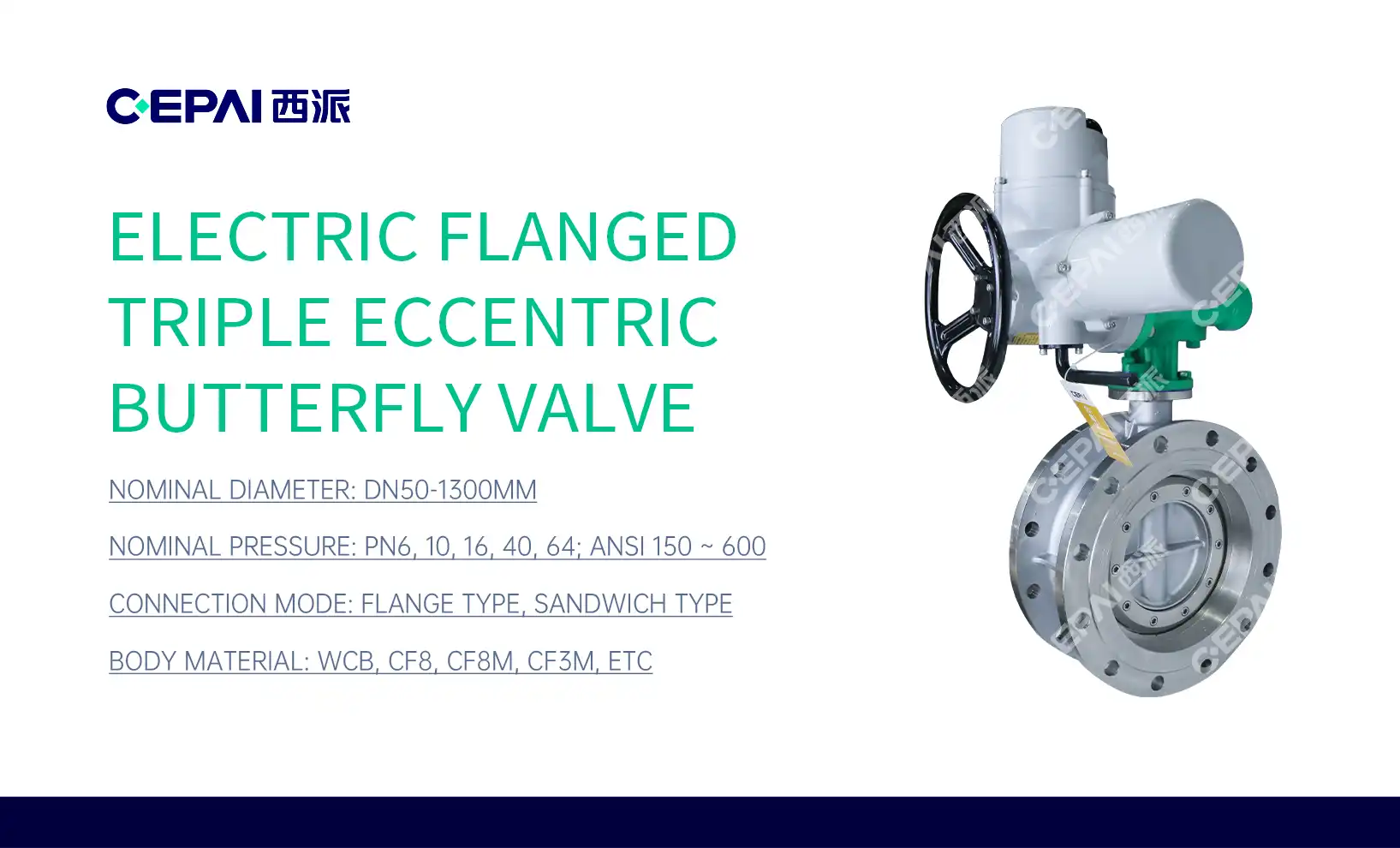
Manual vs Motorized Butterfly Valves: Why Automation is Winning
A huge change has happened in industry toward automation, and valve technology is one area where this trend is most clear. The next step forward in flow control systems is the motorized butterfly valve, which offers accuracy and speed that traditional options just can't match. These computerized solutions are being used more and more in modern oil and gas operations and other important industry settings to make operations safer, cut down on labor costs, and improve the accuracy of process control. Manual butterfly valves are still useful in some situations, but automatic systems are becoming more popular in drilling operations, pipeline management, and processing plants around the world because they are better.
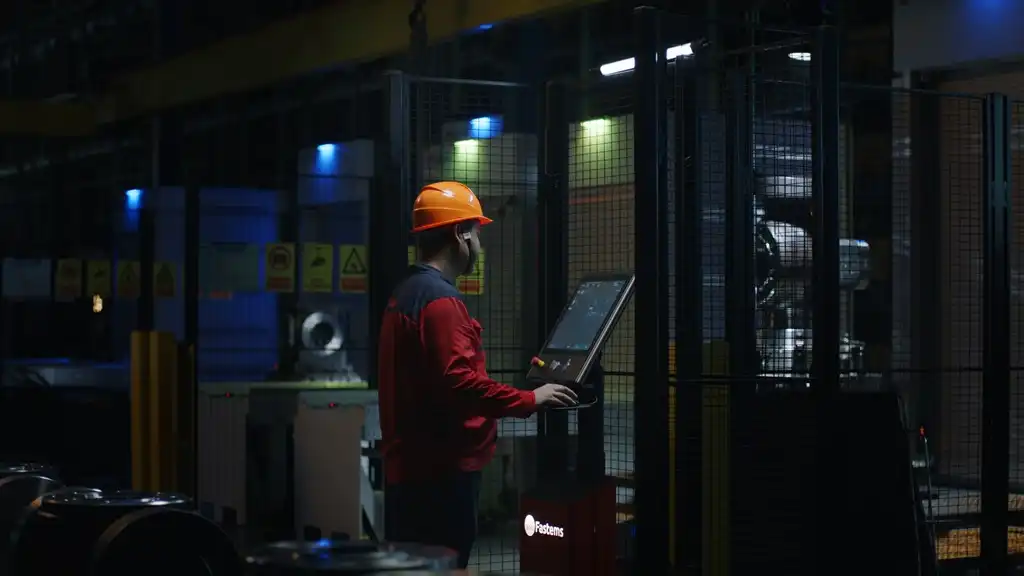
Understanding Manual and Motorized Butterfly Valves
The main difference between manual and motorized butterfly valves is how they are operated and how they can be controlled. Both types of valves use a spinning disc to control flow, but their actuation methods make them very different in how they work and how they feel to use.
Manual Butterfly Valve Operation
By physically turning handwheels or handles to change the position of the valve, users of manual butterfly valves make the valve work. To go from fully closed to fully open, the disc inside the valve body turns 90 degrees. These valves use mechanical advantage through gear systems to make them easier to use, especially when they are bigger or when they need to handle more pressure.
Because they are so simple, manual valves are good for situations where the flow needs to be changed only occasionally. Manual butterfly valves are often used in places like water treatment plants, HVAC systems, and some chemical processing tasks where the extra cost of automating the process might not be worth it. But this simplicity means that it's harder to control precisely and takes longer to respond.
Motorized Butterfly Valve Technology
Electric, pneumatic, or hydraulic actuators are built into a motorized butterfly valve to make the disc spinning process automatic. Most electric actuators are used in industrial settings, where step motors or servo systems allow for precise positioning control. These motors get their instructions from central control systems. This lets them be controlled from afar and connect to automation networks that run throughout the plant.
Position feedback devices, torque sensors, and control electronics in the actuator unit of a motorized butterfly valve keep an eye on the valve's function all the time. Modern automatic systems can give you real-time input on your position that is more accurate than 1% of full scale. This lets you control the flow precisely, which is something that manual systems can't do. Because they can connect to other sensors, these valves can instantly change flow rates based on pressure, temperature, or flow readings from other sensors.
Comparative Analysis of Control Systems
For manual valve control to work, someone has to be at the valve site, which can be dangerous and limits the operation's freedom. Response times depend on how available operators are and how easy it is to get to valve sites, which can be a problem in an emergency or when quick changes need to be made to the process.
Motorized systems get rid of these problems by letting central control rooms control them from afar. Depending on the size of the valve and the specs of the actuator, response times are usually between seconds and minutes. This is much faster than manual systems, which can take hours to work because workers have to travel to faraway places. Motorized control is more accurate than manual methods, so it can be used for middle placement and repeatability.
Why Automation is Winning: Benefits of Motorized Butterfly Valves?
Moving toward automatic valve systems has measured benefits that affect both how well they work and how safe they are. These benefits stand out even more in complicated industry settings where managing risks and improving processes are the most important things.
Enhanced Operational Precision and Control
With accurate setting control and reliable operation, motorized butterfly valves provide better flow accuracy. Modern electric motors can move valve plates to within 0.5% of where they are supposed to be. This allows for precise flow control that makes process conditions better. This accuracy is very important in situations where changes in flow have a direct effect on the quality of the product or safety standards.
Because automatic devices can be used over and over, valves will always work the same way for long periods of time. Motorized systems always work the same, even if outside factors change. This isn't the case with manual valves, where the operator's skill and health can affect how accurately they place the valve. This regularity means that the producing process is more stable and there is less variation in the products.
Motorized motors with torque control avoid both under-seating and over-torquing problems that often happen when they are operated by hand. Programmable power limits keep valve parts from getting damaged and make sure the seal works right. Compared to systems that are operated by hand, these traits make valves last longer and require less upkeep.
Safety Improvements and Risk Mitigation
Automation for a motorized butterfly valve makes the workplace much safer by keeping people out of possibly dangerous areas while valves are being operated. In oil and gas digging, people are often working in high-pressure, high-temperature environments where operating valves by hand is very dangerous. Motorized systems make it possible to operate safely from control rooms that are out of harm's way.
Another important safety benefit of powered devices is that they can be turned off in an emergency. It is possible to set these valves to automatically move to safe places when they sense dangerous situations. Response times for emergency operations are usually only a few seconds, which is much faster than manual emergency response processes that need people to help.
Operators can check the position and state of valves and operations without having to physically view them thanks to remote monitoring. This feature comes in handy especially for offshore drilling or cable spots that are far away and require a lot of time and care when visiting.
Integration with Modern Control Systems
Motorized butterfly valves work well with SCADA, PLC, and other types of remote control systems that run modern factories. Modbus, Foundation Fieldbus, and HART are some of the communication methods that let switches and control systems share data back and forth. This combination makes it possible to watch and handle whole process systems from a single operator interface.
The connection lets predictive maintenance programs work by keeping an eye on the performance factors of the valves all the time. Current in the actuator motor, feedback on position, and cycle numbers give information for planning maintenance that keeps breakdowns from happening out of the blue. When compared to the reactive maintenance methods that are usually used with manual valve systems, these features cut down on unplanned downtime and maintenance costs.
Advanced control systems can find the best way for a valve to work based on many process factors at the same time. To keep the process running at its best, changes to the flow coefficient, the pressure, and the temperature can all be made effortlessly. You can't get this level of control complexity by operating the valves by hand.
Key Considerations When Choosing Between Manual and Motorized Butterfly Valves
To choose the right valve technology, you need to carefully look at the needs of the application, the limitations of the operation, and the cost. The choice affects not only how things work right now, but also how much they cost to run and what the system can do in the future.
Application Requirements Assessment
The properties of the fluid are very important when choosing a valve. Certain actuator materials and safety systems may be needed for uses with corrosive media, abrasive particles, or high temperatures. In harsh environments, motorized actuators can be ordered with environmental casings and material improvements that protect them better than manual systems.
Ratings for pressure and temperature must match the working conditions and safety gaps of the system. Motorized actuators can provide uniform sealing force across the entire range of working conditions. On the other hand, sealing performance may vary in manual systems due to differences in user skill or limited access.
Flow control needs for a motorized butterfly valve tell us if the extra complexity of automatic systems is worth the extra accuracy they offer. Automation is very helpful for tasks that need to be changed often, controlled precisely, or that need to respond quickly. On the other hand, isolation uses that are only used occasionally might not need powered features.
Economic Analysis and Return on Investment
Because of the cost of the actuator and the need for a control system, motorized butterfly valves usually require a bigger initial investment than manual ones. But this one-time cost needs to be weighed against the money that will be saved over the life of the valve. Lowering labor costs often has the biggest effect on the economy, especially in situations where valves need to be operated often or where people need to drive a long way, which costs a lot.
In ongoing process uses, making changes to save energy can save a lot of money. Motorized valves can be set to automatically improve flow conditions, which means they use less pumping energy than manual systems that might work in less-than-ideal situations. These saves add up over time and can cover the cost of the initial investment in technology.
When comparing maintenance costs, you need to think about both regular upkeep and repairs that need to be done right away. Motorized systems may be more complicated, but they often have better monitoring tools that make fixing faster. Being able to check on valve performance from afar can stop catastrophic failures that need expensive emergency fixes and output delays.
Material Selection and Durability Considerations
The materials used to make the actuator body must be able to withstand the climate for the whole life of the valve. For marine and chemical industry uses, housings made of stainless steel and aluminum alloy are very resistant to corrosion. Plastic housings might work in less demanding settings, but the temperature and UV exposure limits need to be carefully checked.
The design of a sealing system affects both how well it works and how often it needs to be maintained. No matter how the temperature or system pressure changes, motorized devices can keep the closing force constant. When compared to manual systems, where the sealing force relies on how the user does their job and the conditions of the job, this feature makes the seal last longer.
The quality of internal parts has a big effect on how reliable they are and how long they last. Premium motorized actuators have features that make them last longer, like non-contact position sensors, gear trains that don't rust, and heat safety systems. These features make operations more reliable and lower the number of times they need to be serviced compared to basic manual systems.
Procurement and Supplier Selection Guide for Motorized Butterfly Valves
Successful procurement of motorized butterfly valves requires systematic evaluation of supplier capabilities, product specifications, and support services. Because these systems are so complicated, it's important to choose a source carefully to make sure they work well and provide help for a long time.
Supplier Evaluation Criteria
Quality certifications for motorized butterfly valve are very important for making sure that production skills and quality control systems are working properly. Certifications like ISO 9001 show that quality control is done in a planned way, while certifications for specific industries like API, ASME, and NACE show that technical standards are being met. For important jobs in oil and gas activities, these qualifications become even more important.
The project's needs for customization, production ability, and release dates must be in line with the manufacturer's abilities. Suppliers that make their own actuators can offer better integration and support than companies that put together parts from different suppliers. In tough industrial settings, the success of a project often depends on how well the features of an actuator can be changed to fit the needs of a particular application.
The ability to provide technical help has a big effect on the long-term success of operations. Suppliers should offer a lot of information, training, and support services for the area. The ability to plan maintenance and respond to emergencies is affected by the number of area service techs and spare parts that are available.
Product Specification and Compliance
The specs of an actuator need to match the power, speed, and environmental factors needed for the job. Actuators that are too big lose energy and cost more, while actuators that are too small might not work right. For accurate size, it's important to carefully look at how much valve torque is needed in all situations, such as starting, normal operation, and emergency shutdown.
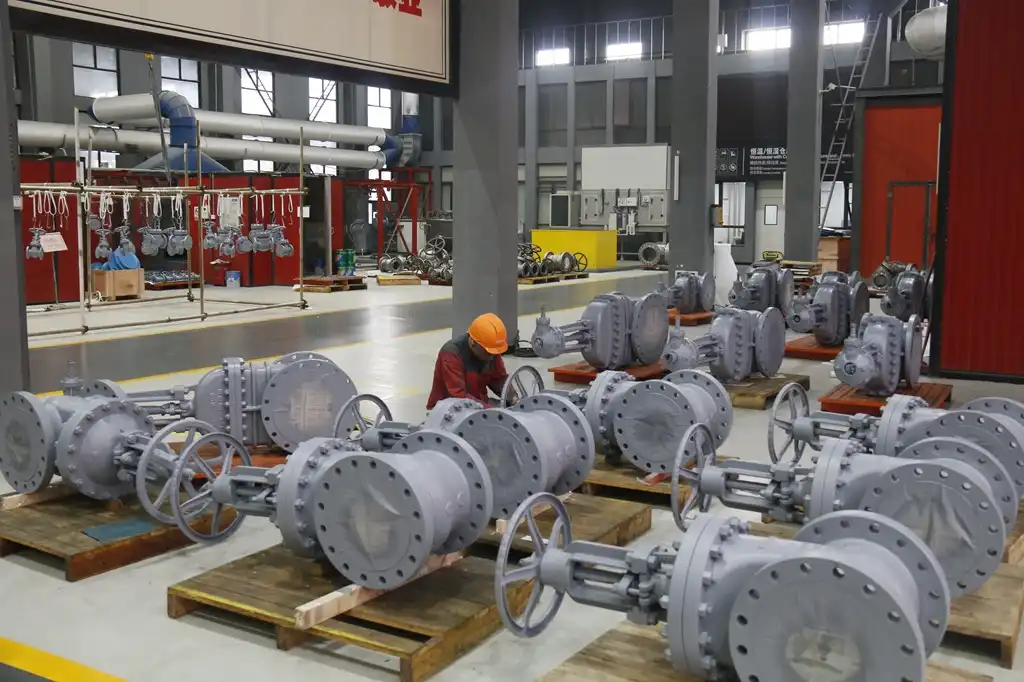
Communication protocol compatibility makes sure that new systems can work with old ones without any problems. Communication links that work well include standard systems like Modbus RTU, Ethernet/IP, and Foundation Fieldbus. Proprietary methods may have advanced features, but they can make long-term support hard and limit the suppliers' choices for future growth.
Ratings for environmental safety must match the conditions of placement. For most industrial uses, IP65 or IP67 grades are enough to keep things safe. However, offshore or harsh chemical conditions may need IP68 or explosion-proof enclosures. The amount of security has a direct effect on how reliable the actuator is and how often it needs to be serviced.
Customization and Support Services
Custom actuator designs can make them work better in certain situations while still being cost-effective. For more complicated setups, you might need to make changes like adding special mounting brackets, extending the working temperature range, or creating new communication interfaces. Customizations like these can be made by suppliers with strong engineering skills without affecting the stability of the product.
Planning upkeep and managing operational risk are both affected by how easy it is to get spare parts and how long it takes to get them. Important spare parts should be easy to get and have promised arrival times so that there is as little downtime as possible during maintenance or emergency fixes. Long-term guarantees on the supply of parts give owners of technology that needs to last a long time peace of mind.
The standard of training and paperwork affects how well operations go and how safe they are. It takes less time to get things up and running and there are fewer mistakes when there are thorough installation, operation, and upkeep instructions. Maintenance staff go through training programs to make sure they know the right way to fix and diagnose equipment so it works as well as possible.
Conclusion
The move toward motorized butterfly valves shows how fundamental changes in industrial operations have put safety, speed, and operational success at the top of the list. In current industrial settings, automation has real benefits when it comes to safety, response time, and precise control that manual systems can't match. Adoption is still being driven by the economic benefits of lower labor costs, better process control, and higher dependability in oil and gas operations, pipeline management, and processing centers. Even though motorized options are more expensive at first than human ones, they are always better in terms of total cost of ownership for important tasks. Modern control systems can be integrated with these valves to make improvement techniques possible that weren't possible before when valves had to be operated by hand.
FAQ
Can motorized devices be added to butterfly valves that are already in use?
In many cases, manual butterfly valves can be retrofitted with automatic actuators. However, the design and state of the valves need to be carefully looked at. The valve stem, mounting contact, and structural stability must be strong enough to support the loads and cycles of the actuator. Professional testing by experienced engineers makes sure that everything works together and that the installation is done correctly.
How long does it usually take to get big orders of motorized butterfly valves?
Depending on the difficulty of the specifications, the level of customization needed, and the quantity of the order, motorized butterfly valve deliveries usually take 8 to 16 weeks. Standard setups may be available faster, but delivery times may be longer if you need unique actuators or special materials. Getting suppliers involved early on in the planning stages of a project helps make supply plans work better.
In what ways do motorized butterfly valves make things safer than human ones?
Motorized butterfly valves make things safer by letting them be operated from covered control areas, so workers aren't exposed to dangerous situations. When something goes wrong, emergency stop features let you act quickly, usually within seconds, whereas manual emergency processes take minutes. Automated operation lowers the chance of mistakes made by people and makes sure that safety reaction measures are always followed.
Partner with CEPAI for Advanced Motorized Butterfly Valve Solutions
CEPAI offers the best motorized butterfly valve technology in the business, designed to meet the needs of tough oil and gas uses. Our wide range of products includes API-approved valve systems with high-tech electric motors made for use at the wellhead, in the pipeline, and in processing. As a reliable company that makes motorized butterfly valves, we have decades of engineering experience and strict quality control systems that are approved to API Q1, ISO 9001, and other international standards. Our expert team helps with everything, from the initial design to installation and long-term upkeep, making sure that your equipment works at its best for as long as it's possible. Email our engineering team at cepai@cepai.com to talk about your unique needs and find out how our motorized butterfly valve options can help your business run more efficiently and safely.

References
American Petroleum Institute. "Specification for Wellhead and Christmas Tree Equipment." API Specification 6A, 21st Edition, 2019.
Emerson Process Management. "Control Valve Handbook: Fourth Edition." Fisher Controls International LLC, 2019.
International Society of Automation. "Process Instrumentation Terminology." ISA-51.1-1979 (R2009), Research Triangle Park, 2009.
Nesbitt, Brian. "Handbook of Valves and Actuators: Valves Manual International." Elsevier Science & Technology, 2007.
Skousen, Philip L. "Valve Handbook: Third Edition." McGraw-Hill Professional, 2011.
Zappe, R.W. "Valve Selection Handbook: Fifth Edition." Gulf Professional Publishing, 2004.
_1746598538016.webp)
Get professional pre-sales technical consultation and valve selection services, customized solution services.
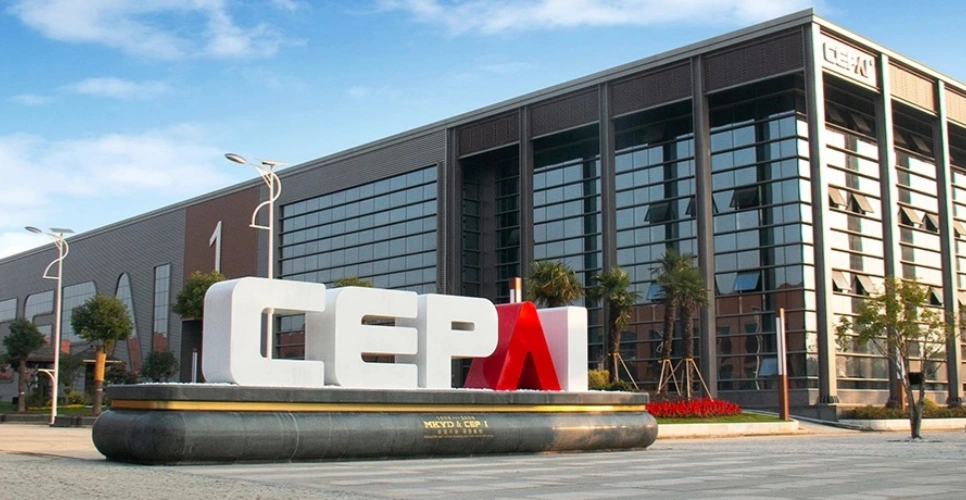
About CEPAI