EN 593 Standards: What Makes a High-Quality Butterfly Valve
Rigid European standards spell out the measurements, material make-up, pressure levels, and performance standards for high-quality EN 593 butterfly valves. These standard specs make sure that the quality of the manufacturing, the dependability of operations, and the safety of all commercial uses are the same. The EN 593 system requires strict testing procedures and the ability to track down materials. This makes sure that every valve works as expected, even in tough situations. When buying teams know about these standards, they can choose parts that meet practical needs while also being long-lasting and compliant.
Understanding EN 593 Butterfly Valve Standards
Regulatory Framework and Scope
The EN 593 standard tells us everything we need to know about metal butterfly valves that are used for water supply, drainage, and other industry tasks. This European standard sets important parameters, such as nominal sizes from DN 40 to DN 2000, pressure classes up to PN 16, and temperature ranges from -10°C to +120°C, based on the material chosen. The standard requires specific testing methods to be used for measuring working power, seat leakage, and hydrostatic strength. These tests confirm the performance of the product before it goes on sale.
Manufacturers must follow strict material requirements that are in line with EN standards for materials like cast iron, ductile iron, stainless steel, and robust seat materials in order to comply with EN 593. These standards make sure that the new system will work with the old one and that the performance will be consistent. The standard also covers physical limits, face-to-face measurements, and flange drilling designs that make it easier for parts from different sources to be used together. This lowers the risk of buying something and makes planning maintenance easier.
Valve Configuration Options
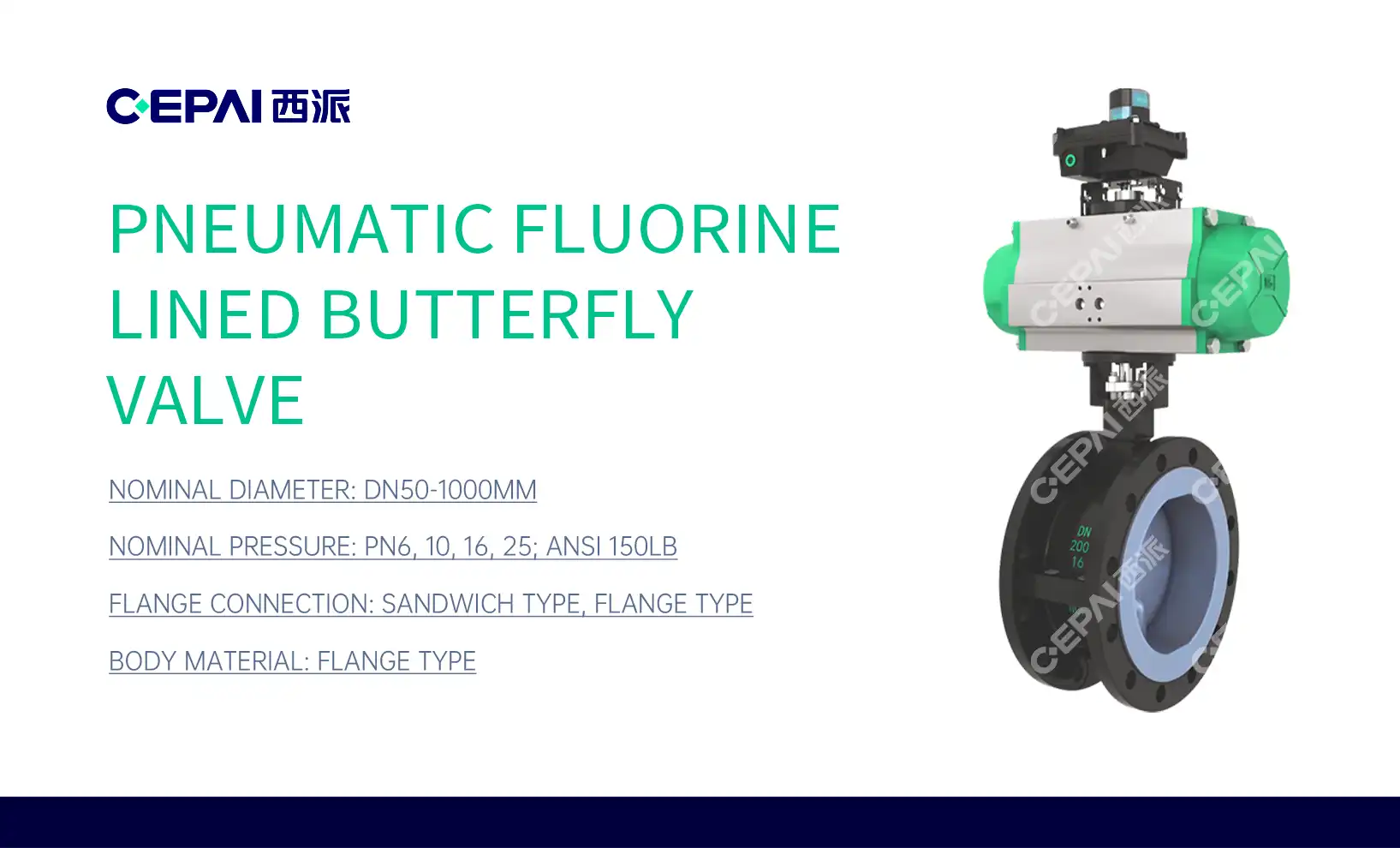
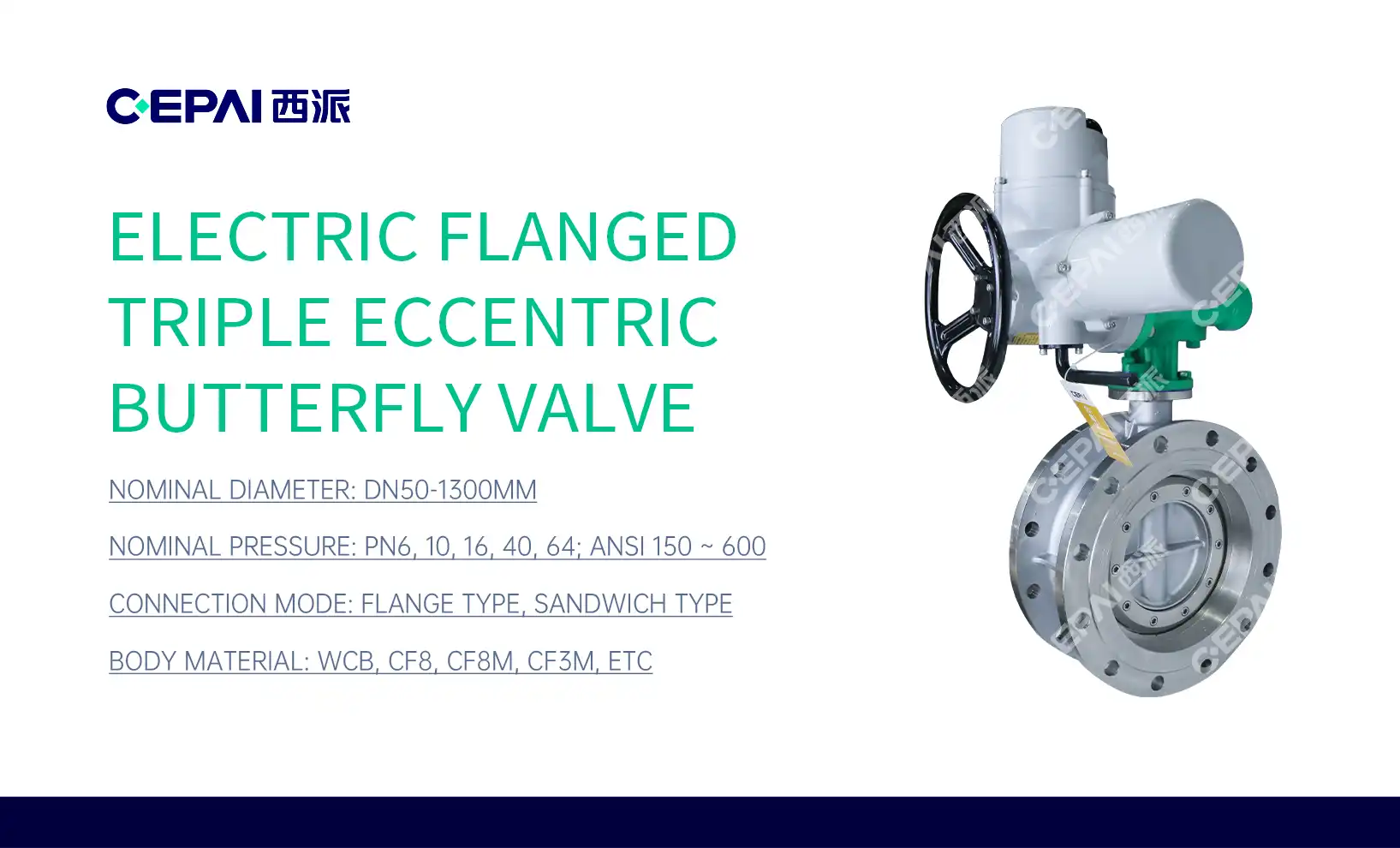
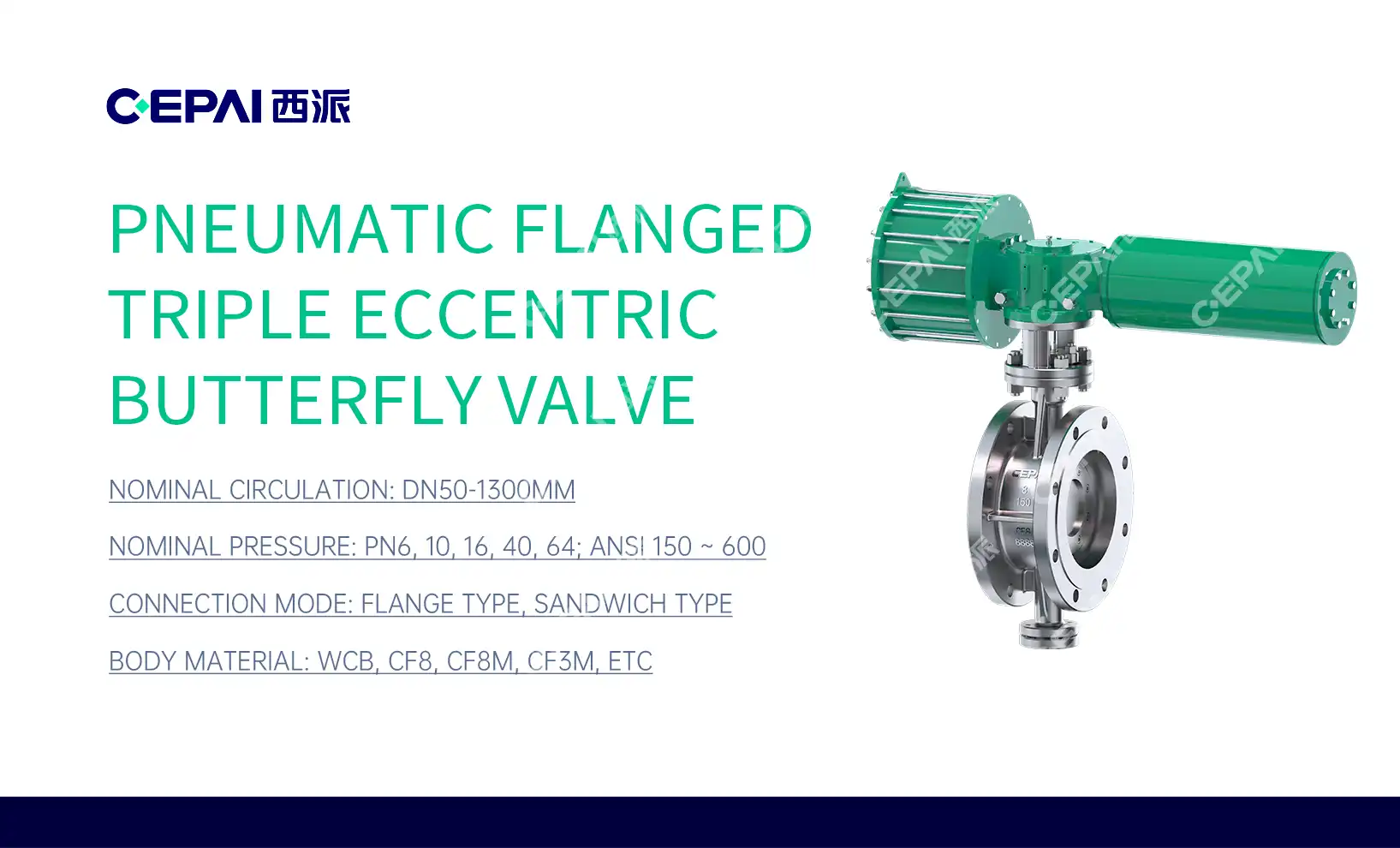
There are three main types of EN 593 butterfly valves that are each best for a different fitting situation. With through-bolts, wafer-style valves fit between flanges, making installation smaller and cheaper for uses where pressure changes don't happen often. Lug-style designs have threaded pieces that let the flange be removed separately. This gives you options for repair work that doesn't require the whole system to be shut down. Double-flanged models have built-in flanges that allow valve removal from either way and pressure containment in both directions. This makes them perfect for important isolation points.
Each arrangement meets a different set of operating needs. When room is limited and weight and size are important, wafer types work best. Pipe pieces that need to be inspected or parts that need to be replaced often benefit from lug designs. Double-flanged types are used in situations where leakproofing and structural freedom are important. Knowing these differences helps engineering teams match the requirements of the valve to the limitations of the placement and the needs of the operation.
Material Selection and Performance
The makeup of the material directly affects how long a valve lasts and what kinds of media it can handle. Cast iron bodies are cheap and good for water service and non-corrosive uses. On the other hand, ductile iron is better at taking pressure and impact. Grades of stainless steel like 316 or duplex alloys are better at resisting corrosion, which is important for chemical handling and marine settings. Disc materials usually match the specs of the body, but hard-facing choices can make scratchy media last longer.
When choosing seat materials, you need to think carefully about how they will react to temperature changes and chemicals. Seats made of EPDM (ethylene propylene diene monomer) work well with water and mild chemicals at moderate temperatures. PTFE (polytetrafluoroethylene) can handle harsh chemicals and high temperatures, while NBR (nitrile butadiene rubber) can handle oil protection. The paperwork that is needed for material certification under EN 593 makes sure that the product can be tracked and that it meets all the requirements. This helps with quality assurance processes in industries that are controlled.
Advantages of EN 593 Butterfly Valves in Industrial Use
Operational Efficiency and Flow Characteristics
The smooth disc shape of EN 593 butterfly valves makes them very efficient at moving fluid because they reduce pressure drop more than gate or globe valves. The quarter-turn trigger system makes operation quick, which cuts down on the time needed to make changes to the process or shut it down in an emergency. This ability to move quickly is very useful in pipeline systems that need to be slowed down or shut down often, as operational speed has a direct effect on safety and production.
The idea behind these valves' design is to keep things simple without losing efficiency. Less upkeep is needed and repair intervals are longer when there are fewer moving parts. Standardized flow coefficients (Cv values) from EN 593 testing procedures help engineers correctly model the hydraulics of a system, which makes sure that the right valve sizes are used during the design stages. Because of this, costly oversizing is avoided, and the flow capacity is always enough, no matter what the working conditions are.
Maintenance Simplicity and Lifecycle Cost
Accessibility for maintenance is a big plus for operations teams that are in charge of large groups of valves. Because EN 593 butterfly valves are simple, workers can change seats, seal shafts, and service actuators without having to use special tools or go through a lot of training. This makes things easier, which cuts down on the mean time to fix (MTTR) and the number of extra parts that need to be kept on hand. This lowers the total cost of ownership over the lifecycle of the valve.
Standardized inspection standards laid out in EN 593 documents help preventative maintenance plans work better. Visual checkups, torque tests, and seat leakage checks should be done at the manufacturer-recommended times to keep things working longer and avoid breakdowns that aren't expected. Standardizing parts on all EN 593 butterfly valve compliant valves makes it possible for extra parts to work with other valves. This makes purchasing easier and cuts down on the need for emergency stock. When these things come together, they make big industrial installations very profitable.
Environmental Resistance and Durability
In industrial settings, valves are exposed to changing temperatures, chemicals, and mechanical stress that can damage the structure of the parts. EN 593 butterfly valves have been shown to last a long time by meeting strict material requirements and testing methods that mimic real-life situations. Salt spray resistance testing confirms performance in marine and coastal locations, and thermal cycling methods make sure that the system will work reliably when temperatures change with the seasons.
Corrosion resistance put into the selection process of materials makes them last longer in harsh environments. When valves are properly defined, they don't break down when they come into contact with acidic condensate in HVAC systems, chlorinated water in treatment plants, and many industrial chemicals. This ability to withstand harsh environments means that the valve will work reliably and won't need to be replaced as often. This is especially important in demanding situations where a failed valve could have serious practical and safety effects.
How to Choose the Right EN 593 Butterfly Valve for Your Application?
Matching Technical Specifications to Operational Requirements
Choosing the right valves starts with accurately describing the situations under which they will be used. The system pressure values must match the valve PN classifications, and there must be enough safety reserves above the maximum working pressure. Temperature patterns over the course of an annual working cycle help choose the right seat material, while media properties help choose the body material. Flow rate estimates help determine the right valve size, which balances enough capacity with too much pressure drop.
Before hiring suppliers, procurement managers should write down all of the working factors in detail. The nominal diameter, pressure class, temperature range, media makeup, flow direction, and placement angle are some of the most important parameters. This detailed demand specification lets providers suggest the right valve configurations and figure out what changes need to be made. Standardized data sheets that are in line with EN 593 standards make it easier to compare prices and evaluate technical aspects of different providers.
Wafer versus Lug Type Selection
The choice between chip and lug configurations is based on how they will be installed and how they will be maintained. When placed between fixed flanges using full-length through-bolts, wafer valves work well in situations where the valves need to last the whole life of the system. Because they are small and don't cost as much to make, they are good for big valve populations where budget and room are limited. To remove these valves, the whole system has to be depressurized and the flanges have to be separated. This makes them less useful for services that need to be maintained often.
Because they have threaded inserts that can take bolts from either flange, lug-type valves give you a lot of operating freedom. This setup lets you remove it without damaging the pipes next to it, which speeds up maintenance and cuts down on system downtime. Being able to separate and remove individual valves is helpful for pipeline parts that need to have a lot of isolation points or for uses that need to be inspected regularly. The best configuration choice is based on understanding project upkeep methods and entry needs.
Comparing EN 593 with Alternative Standards
There are different global valve standards for different regions and types of applications. In Europe, EN 593 butterfly valve is used for general industry and water service purposes. In North America, on the other hand, API 609 is mostly used for facilities that process oil and chemicals. EN 593 valves usually come in a wider range of sizes and have more precise measurements, while API 609 valves focus on fire safety testing and controlling fugitive fumes that are important for gas service.
There are small differences in how performance traits work between categories. The API 609 standards usually call for tighter torque limits and better performance in stopping seat leaks. These requirements reflect the goals of the oil business. Lifecycle management is helped by EN 593, which gives more detailed instructions on how to install and maintain things. When working on foreign projects, procurement teams need to figure out which standard fits the project requirements, regional preferences, and current infrastructure the best. This is to make sure that the standards can be used together easily and will be supported in the long term.
Customization Capabilities and Supplier Evaluation
For specialized uses, changes need to be made that aren't available in normal store items. Reliable makers offer technical help for custom body materials, wider temperature ranges, special coatings, or specific needs for activation. To figure out how customizable a supplier is, you need to look at their technical tools, how flexible their manufacturing is, and how much experience they have with similar projects in the past. Quality paperwork, such as material test results, dimensional inspection records, and performance test certificates, proves that the product can be manufactured.
When evaluating a supplier, you should look at their certification files to see if they follow quality management systems like ISO 9001, environmental standards like ISO 14001, and certifications that are special to their products. The terms of the warranty, the availability of expert help, and the networks of after-sales service show that the supplier wants to work with you for a long time. Asking for example projects and doing facility checks can help you learn more about how things are made and how quality is controlled, which can help you choose a supplier with confidence for important projects.
Navigating the Procurement Process for EN 593 Butterfly Valves
Identifying Qualified Manufacturers and Distributors
To find real EN 593 butterfly valve compliant valves, you need to do more than just compare prices. You also need to carefully qualify the suppliers. Manufacturers with a good reputation keep a lot of licensing paperwork that shows they follow EN 593 standards by doing independent tests and quality system checks. European-made valves with the CE mark show that they follow the relevant laws, and performance claims are backed up by third-party certifications from reputable groups. Before committing to buy, procurement teams should ask for full valve data sheets, material certificates, and test records.
Global projects depend on distribution networks in very important ways. Authorized distributors keep in touch with factories to make sure they can get real parts and expert help. Regional delivery centers cut down on wait times and offer regional service, which is helpful during the setup and start-up stages. Checking the qualifications of a wholesaler means making sure they are authorized by the maker, looking at how they handle their inventory, and seeing how technically skilled they are to help with standard compliance and fixing.
Lead Times and Bulk Ordering Strategies
Realistic release dates that work with buying windows are needed to plan a project. Standard EN 593 butterfly valves usually ship in two to eight weeks, but this depends on the size and number of valves ordered. Custom designs may take twelve to sixteen weeks for planning, manufacturing, and testing. During the quotation process, procurement managers should be clear about when the project needs to be done. This way, suppliers can agree to delivery dates that work with building goals without having to pay expensive extra fees.
When you order in bulk, such as for EN 593 butterfly valves, you save money because you get savings for larger orders and lower shipping costs per unit. Combining the valve needs from different stages of a project makes it easier to negotiate prices and coordinate operations. However, buying in bulk needs the right storage space and inventory management tools to keep things safe and make sure they can be tracked. It's important to carefully look at project cash flow, site planning, and installation scheduling in order to find the best balance between purchase economics and carrying costs and storage limits.
Pricing Dynamics and Value Assessment
Valve prices are based on more than just the basic cost of making them. The choice of material has a big effect on price; for example, stainless steel and custom metal valves cost more than cast iron valves of the same size. The cost of a valve goes up directly with its complexity, which includes actuator systems, position indicators, and special trim features. Service packages that include installation guidance, help with commissioning, and longer guarantees increase value but raise the cost of the initial buy.
When comparing things, looking at the total cost of ownership is more useful than just looking at the original price. Better materials and more precise production may mean that high-quality valves cost more up front, but they last longer, need less upkeep, and fail less often. The real economic value of valve purchases over multiple years can be found by figuring out the lifecycle costs, which include installation, energy use, upkeep work, spare parts, and how often the valves need to be replaced.
Installation Support and After-Sales Service
Professional installation services make sure that the valves are properly set up and work at their best from the start. Installation guidance from the manufacturer makes sure that the system is set up correctly in terms of handling, alignment, and activation. This advice from a professional keeps you from making mistakes during installation that could hurt the sealing, the working power, or the structure itself. Full recording of the commissioning process, including torque settings, leak test results, and operating proof, is helpful for planning future maintenance.
Support networks after the sale have a big effect on how well valves work and how long they last. Technical support that is easy to get helps operations teams figure out problems, make maintenance plans work better, and find real replacement parts. Manufacturers that offer maintenance training programs teach workers on-site how to do regular maintenance, which cuts down on the need for outside experts. Regional distribution centers make it easy to get spare parts, which cuts down on downtime during repairs. For important uses, maintenance contract choices give service duty to specialized providers.
FAQ
1. What pressure ratings do EN 593 butterfly valves support?
In their normal forms, EN 593 butterfly valves can usually handle pressures of up to PN 16 (about 232 psi). This type of pressure is good for HVAC systems, water transfer systems, and a lot of other general industrial processes. If you need more pressure, you might need to use a different standard, like API 609, or make your own special designs. If you place and size the valves correctly according to the manufacturer's instructions, they will always be able to handle the rated pressure.
2. How do material choices affect temperature suitability?
The temperature limits for the structure are set by the materials used in the body, and the closing performance is set by the materials used in the seats. Cast iron forms can usually work in temperatures between -10°C and +120°C, but stainless steel can handle higher temps. The temperature range for EPDM seats is -40°C to +110°C, for NBR seats it's -30°C to +100°C, and for PTFE seats it's -20°C to +200°C. By matching the right mix of materials to the right temperature profile for the job, you can be sure of effective sealing and structural stability.
3. What maintenance practices extend valve lifespan?
Small problems don't get worse when they are checked visually on a regular basis for rust, damage, or wear patterns that don't seem normal. Periodic operating testing makes sure that the cover works properly and that the mechanism moves smoothly. Friction and wear can be cut down by lubricating shaft bearings and actuator parts as directed by the maker. Leak-tight stop is maintained by replacing the seat at the recommended times. By keeping track of maintenance tasks and performance patterns, predictive maintenance techniques can be used to extend the life of equipment and cut down on unexpected downtime.
Contact CEPAI for Your EN 593 Butterfly Valve Requirements
CEPAI is ready to help you buy valves because they know a lot about how to control flow in industrial settings. We can make more than just normal butterfly valves. We can also make customized wellhead devices, pipeline valves, and instrumentation for drilling, producing, and processing oil and gas around the world. We show our steadfast dedication to quality and safety by holding certifications such as API Q1, API 6A, API 6D, ISO 9001, ISO 14001, and CE marking.

Email our technology experts at cepai@cepai.com to talk about your unique needs. We give you thorough specifications, material certifications, and performance documents to help you make an informed choice about what to buy. You can find a lot of information about our products and specialized tools at valveinformation.jscepai.com.
Conclusion
EN 593 butterfly valves offer consistent quality, dependability, and value for money in a wide range of industry settings. By understanding the technical basis of this European standard, buying teams can choose the right setups, assess the skills of suppliers, and put in place lifecycle management strategies that improve performance and keep costs low. Long-term results are greatly affected by the materials chosen, the configurations chosen, and the source ties. This is why it is important to make well-informed decisions.
There are a lot of choices when it comes to buying valves, so you need to carefully look at the technical specs, certifications, and seller support options. Finding the best balance between starting costs, lifecycle value, upkeep needs, and operational reliability leads to the best results that support project success and operational greatness. Getting qualified suppliers involved early on in the planning stages of a project lets everyone work together to make the specifications and makes sure that shipping dates match up with building goals.
References
1. European Committee for Standardization. (2017). EN 593:2017 - Industrial valves - Metallic butterfly valves for general purposes. Brussels: CEN Publications.
2. Skousen, P. L. (2011). Valve Handbook (3rd ed.). New York: McGraw-Hill Professional.
3. Zappe, R. W. (2004). Valve Selection Handbook: Engineering Fundamentals for Selecting the Right Valve Design for Every Industrial Flow Application (5th ed.). Houston: Gulf Publishing Company.
4. British Valve and Actuator Association. (2019). Technical Reference Guide: Butterfly Valve Selection and Application. Banbury: BVAA Technical Publications.
5. Smith, P., & Zappe, R. W. (2003). Valve Selection and Specification Guide. New York: Van Nostrand Reinhold.
6. Lyons, J. L., & Askland, C. L. (2001). Lyons' Valve Designers Handbook. New York: Van Nostrand Reinhold Company.
_1746598525968.webp)
Get professional pre-sales technical consultation and valve selection services, customized solution services.
About CEPAI