Butterfly Valve Market: China vs USA for Industrial Projects
China and the USA provide different chances in the worldwide butterfly valve market, each with special benefits for industrial applications. While American vendors place a higher priority on strict quality certifications and extensive after-sales assistance, Chinese manufacturers thrive in cost-effective mass manufacturing and quick customisation possibilities. By strategically using both markets, procurement managers may optimize their sourcing choices based on project objectives, regulatory compliance requirements, and long-term operational goals for optimal industrial efficiency, as this comparative study demonstrates.
Butterfly Valve Market Landscape: China vs USA
The butterfly valve markets in China and the USA are examples of two very diverse industrial ecosystems, each with its own regulatory frameworks and economic forces. Procurement professionals may make strategic sourcing selections that support their project needs and corporate goals by being aware of these basic variances.
Market Size and Growth Dynamics
The butterfly valve market in China is expanding quickly due to the modernization of the industrial sector, the rise of the petrochemical industry, and extensive infrastructural construction. Advanced flow control systems are in high demand due to the nation's focus on industrial automation and smart manufacturing programs. Orders for high-volume valve applications are consistently generated by industrial zones in eastern provinces, especially in chemical processing and water treatment plants.
The USA continues to have a mature market with consistent growth patterns linked to advancements in the energy sector, improvements in local infrastructure, and modernization initiatives for industrial facilities. The focus on long-term operational stability and strict regulatory requirements are reflected in American demand patterns. Specialized butterfly valves made for challenging working circumstances are in high demand due to oil and gas exploration operations, especially in shale formations.
Leading Manufacturers and Brand Positioning
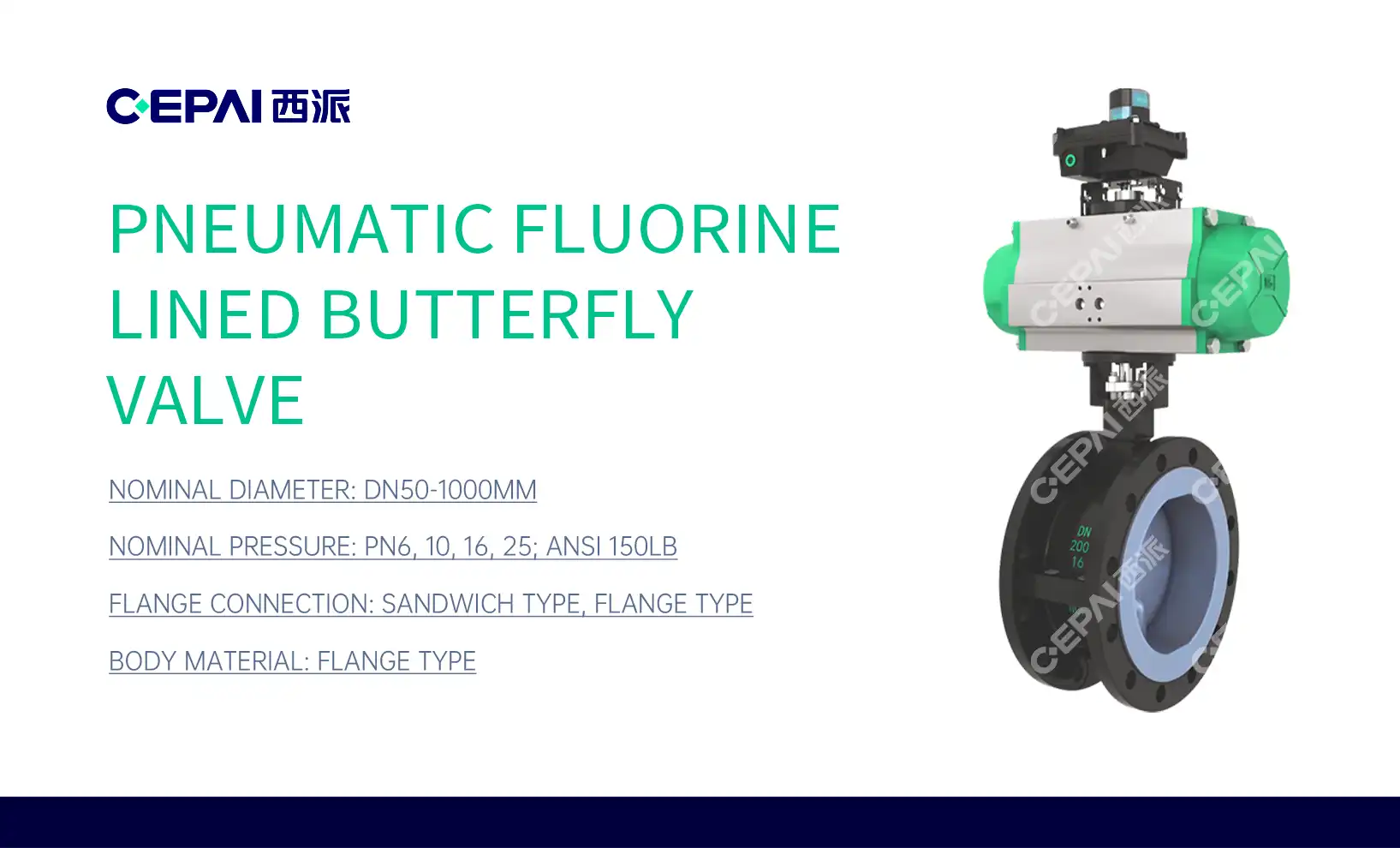
Global brands such as Emerson, Fisher, ABB, and Kitz maintain strong positions in both markets while adapting their strategies to local preferences. Chinese butterfly valve manufacturers like CEPAI have gained international recognition through quality improvements and competitive pricing structures. These companies invest heavily in research and development to meet international standards while maintaining cost advantages.
By using cutting-edge materials, precise engineering, and extensive service networks, American manufacturers concentrate on premium positioning. Businesses use their experience with regulations and close proximity to important industrial clients to provide customized solutions. For US-based suppliers, the focus on local sourcing preferences in several industries opens up new options.
Supply Chain Characteristics
Chinese supply chains place a strong emphasis on flexible manufacturing schedules, quick prototyping, and volume production capabilities. Manufacturers may fulfill special requirements with shorter lead times and usually keep large stockpiles of components. Distribution networks use competitive shipping agreements and long-standing logistical relationships to reach international markets.
Regulatory compliance, high-quality paperwork, and enduring supplier relationships are given top priority in US supply chains. American producers are excellent at offering thorough technical assistance, thorough product certifications, and prompt customer support. Industries with strict compliance standards find the emphasis on traceability and quality assurance appealing.
Butterfly Valve Types and Technical Comparisons Relevant to Industrial Projects
Precise valve selection based on operating characteristics, ambient circumstances, and performance criteria is necessary for industrial applications. Comprehensive product portfolios covering a range of configurations and material alternatives are available in both the Chinese and American markets.
Wafer and Lug Type Configurations
Wafer-type butterfly valves provide small installation options that are perfect for applications with limited space and mild pressure. These designs are used in HVAC systems and water treatment facilities because of their lightweight structure and easy installation processes. The simplified profile provides dependable flow control performance while lowering installation expenses and maintenance complexity.
Threaded bolt holes in lug-type arrangements allow for the independent removal of pipeline sections without compromising nearby components, increasing their adaptability. In maintenance situations and applications where regular valve access is necessary, this design benefit is beneficial. The sturdy mounting mechanism and improved sealing qualities are especially advantageous for industrial facilities handling corrosive or abrasive substances.
Material Selection and Performance Characteristics
For common industrial applications involving non-corrosive media and moderate temperature conditions, carbon steel structure offers affordable alternatives. In applications involving basic chemical processing, air handling apparatus, and water distribution systems, these valves provide dependable performance. Higher pressure ratings are supported by the material's strength properties while competitive price structures are maintained.
Variants of stainless steel provide longer service life and better resistance to corrosion in harsh conditions. The material's sanitary qualities and resistance to chemical assault are advantageous to food processing facilities, pharmaceutical production, and maritime applications. Because of the longer operating life and lower maintenance costs, the increased durability justifies the greater original expenditure.
Extreme service conditions with high temperatures, harsh chemicals, or significant erosion potential are addressed via specialized alloy fabrication. Butterfly valve deployment is made possible by these high-quality materials in offshore energy applications, chemical production, and refining operations where conventional materials are insufficient.
Automation Integration Capabilities
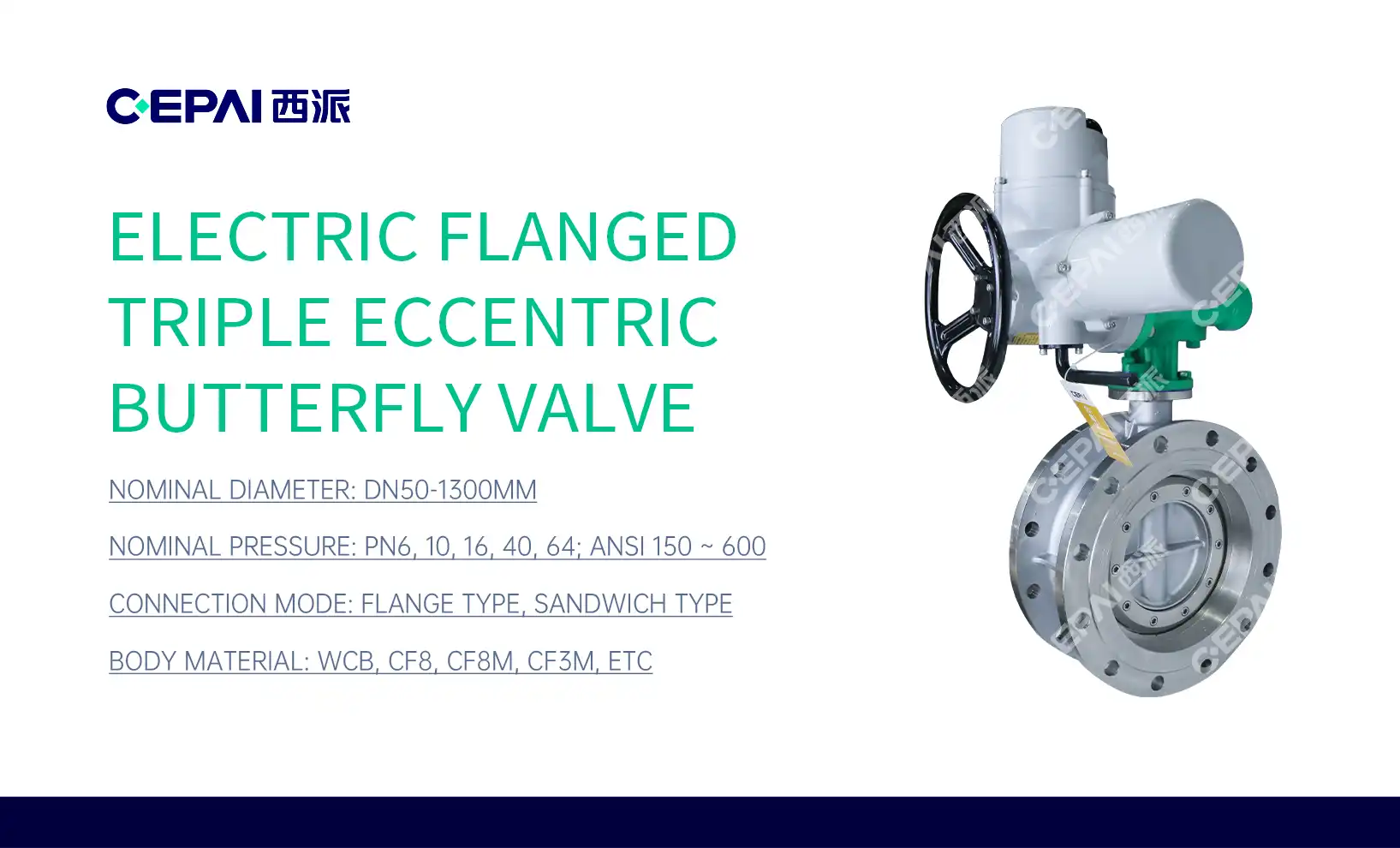
Electric actuators serve modern process automation needs by integrating with digital control systems and offering accurate positioning control. Applications requiring precise flow modulation and remote operating capabilities benefit greatly from these systems. Intelligent electric actuation systems are becoming more widely used as a result of the increasing focus on Industry 4.0 projects.
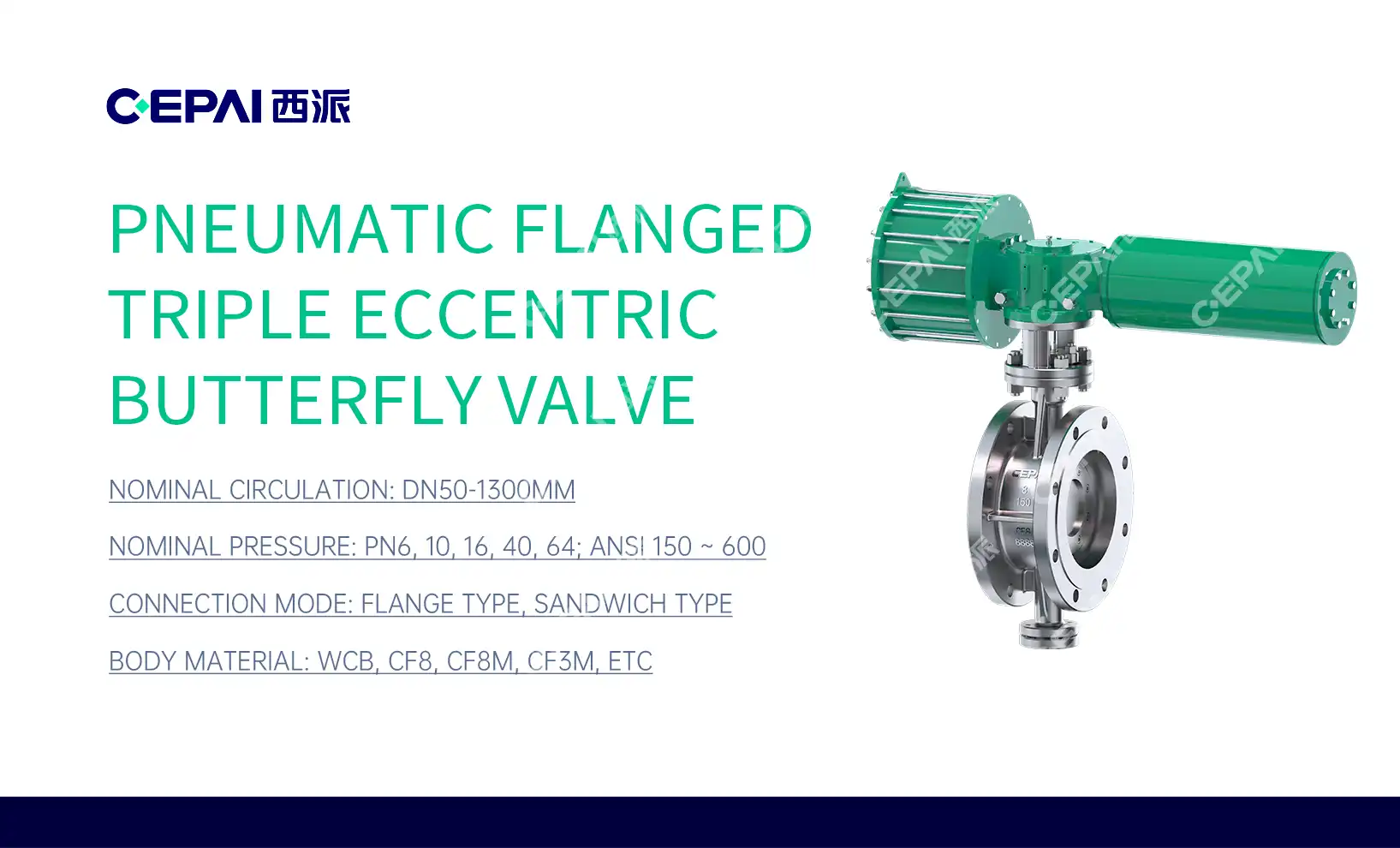
High torque production and quick reaction times make pneumatic actuation ideal for high-cycle service conditions and emergency shutdown applications. Safety-critical applications in chemical production, power generating facilities, and oil and gas processing are drawn to the intrinsic fail-safe features. In dangerous situations when electrical equipment is restricted, compressed air systems provide dependable functioning.
Procurement Insights: How to Choose and Buy Butterfly Valves for Industrial Projects
Technical requirements, supplier capabilities, and total cost of ownership factors must all be thoroughly evaluated for procurement methods to be effective. Achieving success requires striking a balance between short-term project needs, long-term operational goals, and risk management priorities.
Technical Specification Evaluation
The selection of valves is based on pressure ratings, which need a thorough examination of operating circumstances, safety margins, and possible pressure surge situations. Valves that can withstand pressures ranging from low-pressure HVAC systems to high-pressure process applications exceeding 1,000 PSI are usually required for industrial applications. While American vendors often lead in harsh service conditions, Chinese manufacturers excel at offering affordable solutions for applications with moderate pressure.
Size considerations include both the necessary flow capacity and the physical dimensions. Butterfly valves are used for large-diameter applications because they are lighter and more compact than other kinds of valves. The financial benefits are most noticeable at diameters larger than 8 inches, when significant material and installation cost reductions are realized.
Actuator parameters, sealing system design, and material choices are all impacted by temperature compatibility. Actuator performance characteristics, seal material deterioration, and thermal expansion effects must all be carefully considered in applications requiring high temperatures. From cryogenic applications to high-temperature process temperatures over 500°F, both markets have solutions.
Supplier Evaluation Criteria
Validation of production procedures and product performance capabilities is crucially provided by quality certifications. Certifications issued by API, ISO, and ASME show adherence to legal and industry standards. While American vendors usually maintain broad certification portfolios with substantial documentation support, Chinese manufacturers are rapidly achieving international certifications while retaining competitive prices.
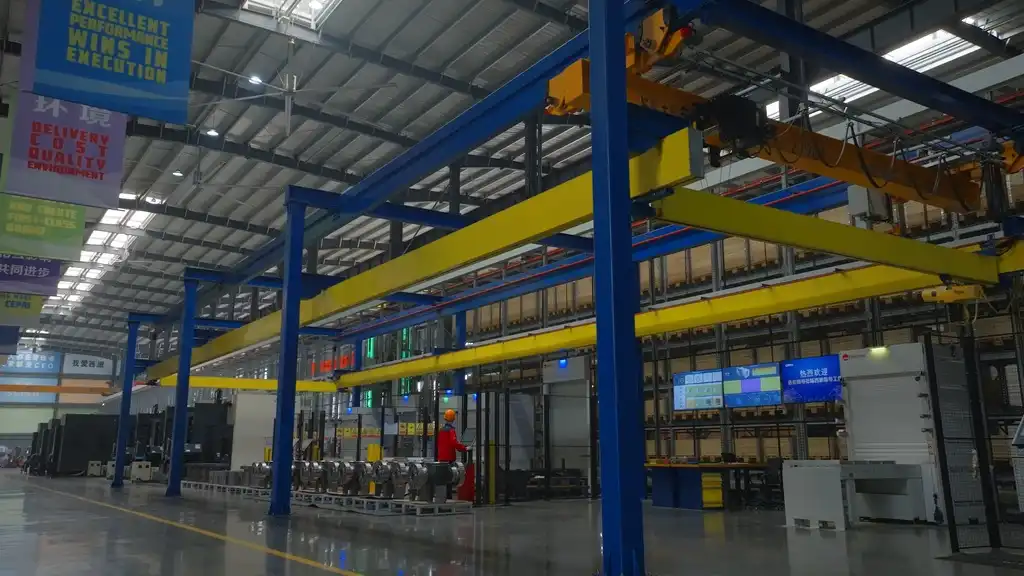
For goods like the butterfly valve, manufacturing capabilities include production capacity, flexibility in modification, and quality control systems. Facility audits, process capacity evaluations, and reviews of quality management systems should all be part of the evaluation process. American manufacturers usually provide the best technical support and application knowledge for butterfly valves, while Chinese vendors are often better in volume manufacturing and quick customization.
Support infrastructure includes service network coverage, replacement parts availability, and technical support. Suppliers who provide extensive support networks covering many geographical locations are advantageous to global industrial initiatives. For mission-critical applications, having emergency service coverage and local technical assistance is essential.
Risk Assessment and Mitigation Strategies
Geopolitical variables, logistical complexity, and alternative sourcing possibilities must all be carefully considered when assessing supply chain risks. Increased resilience against disruption situations is provided by diverse supply networks that include both Chinese and American businesses. Rapid responsiveness to changing project needs or supply restrictions is made possible by strategic connections with many suitable suppliers.
Product performance, dependability, and compliance issues are all included in quality hazards. Project delays linked to quality are reduced by thorough testing techniques, incoming inspection processes, and supplier audit programs. Both marketplaces have providers with a track record of success, necessitating a thorough assessment of the skills and performance history of each vendors.
Currency volatility, conditions of payment, and long-term price stability are examples of financial hazards. While allowing for the optimization of overall procurement costs, multi-region sourcing techniques may provide natural hedging against currency fluctuation. Assessments of supplier financial stability aid in maintaining capacity and ensuring the long-term success of partnerships.
Business and Market Outlook: Future Trends and Strategic Recommendations
Technology development, alterations in regulations, and altering market dynamics all contribute to the butterfly valve industry's ongoing evolution and have an impact on supplier selection criteria and procurement tactics. Comprehending these patterns facilitates well-informed decision-making and strategic placement for future demands.
Technology Innovation Trends
Improvements in material science propel the creation of improved alloys with better mechanical, thermal, and corrosion resistance. While being economical, nano-coating technologies provide further defense against hostile media. In order to satisfy changing industrial demands, both Chinese and American businesses make investments in innovative materials research.
Sensors, communication tools, and diagnostic systems are all integrated into smart valve technologies to facilitate operational optimization and predictive maintenance. Integration with business asset management systems, automatic reporting, and remote monitoring are made possible via Internet of Things connection. Suppliers who provide complete smart valve systems have prospects as a result of the move toward digitalization.
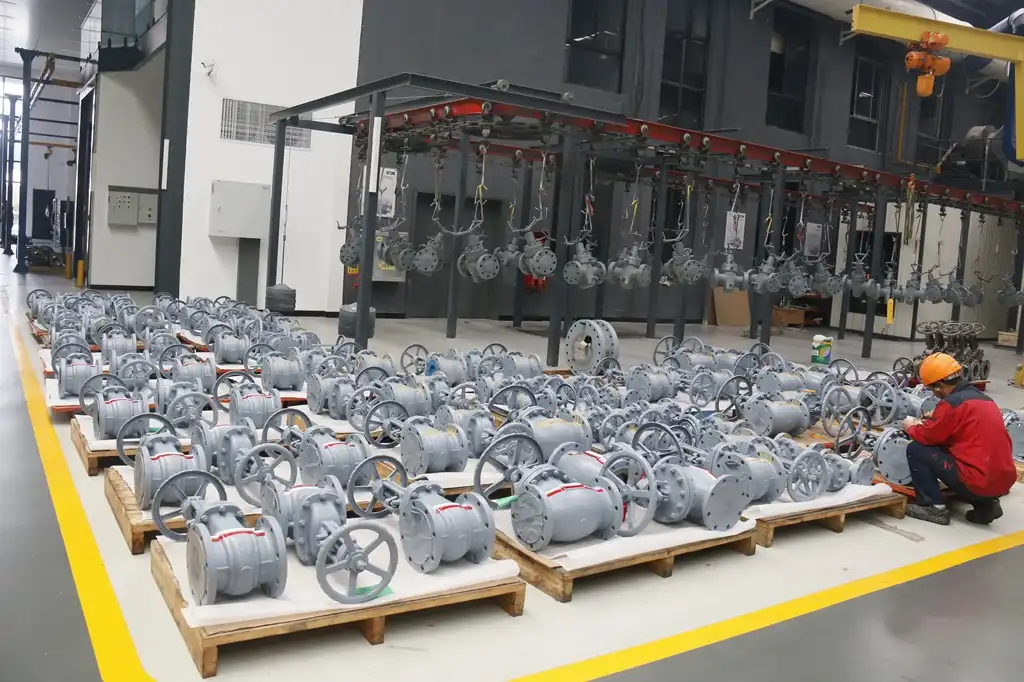
Rapid prototyping, the fabrication of bespoke components, and the construction of complicated geometries that were previously unattainable with conventional procedures are made feasible by additive manufacturing processes. While American businesses investigate production applications for specific components, Chinese manufacturers use 3D printing to quickly produce prototypes. Lead times are shortened and mass customisation is made possible by this technology.
Regulatory and Environmental Considerations
Energy efficiency, pollution reduction, and sustainable industrial methods are becoming more and more important in environmental standards. Butterfly valves' improved flow control capabilities and decreased pressure drop characteristics help to save energy. In regulated marketplaces, suppliers that exhibit sustainability activities and environmental compliance have an edge.
In order to take into account the lessons learnt from industrial accidents and technological developments, safety laws are always changing. Procurement and supplier selection procedures are impacted by the butterfly valve's increased testing requirements, documentation standards, and traceability requirements. Both marketplaces retain their competitive standing while adjusting to shifting regulatory environments.
Cybersecurity concerns for linked devices and control systems are becoming more and more integrated into quality requirements. Suppliers are required to provide secure communication methods and exhibit adherence to new cybersecurity guidelines. Offerings for integrated control systems and smart valve technologies are especially affected by this trend.
Strategic Sourcing Recommendations
The best mixes of cost-effectiveness, supply chain resilience, and quality assurance are offered by balanced sourcing strategies that include both Chinese and American vendors. Diversity across regional suppliers allows for risk reduction while using each market's distinct benefits. Effective tactics preserve networks of competent suppliers in both locations with distinct selection standards for certain application types.
Suppliers who exhibit consistent quality, dependable delivery, and quick support skills are key to the creation of long-term partnerships. Collaborative problem-solving, customisation development, and preferential treatment during supply restrictions are made possible via strategic alliances. Improved service and priority allocation during times of high demand are two benefits of investing in supplier relationships.
Aligning the technology roadmap guarantees that the capabilities of suppliers meet the demands of future projects and market developments. Research and development capacities, technology adoption trends, and invention histories should all be included in the evaluation. Suppliers that make investments in emerging technologies provide competitive advantages and improved long-term value propositions.
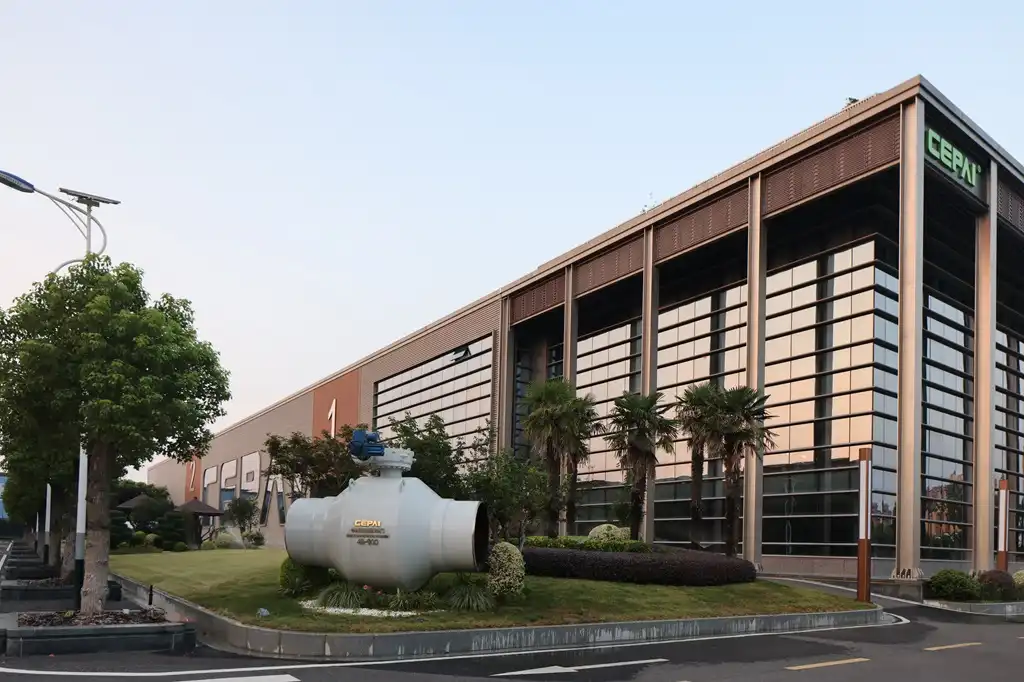
CEPAI is a prime example of how Chinese manufacturers may get worldwide reputation by concentrating on quality and obtaining extensive certification. We are positioned as a trustworthy partner for demanding industrial applications globally because to our broad range of API and ISO certifications and global project expertise. The firm produces goods that satisfy the highest international standards thanks to its investment in quality systems and innovative production capabilities..
Conclusion
The butterfly valve markets in China and the USA offer complementary advantages for industrial procurement professionals seeking optimal sourcing solutions. Chinese manufacturers provide cost-effective options with rapid customization capabilities, while American suppliers excel in quality certifications and comprehensive support services. Success requires strategic evaluation of project requirements, supplier capabilities, and long-term operational objectives. The evolving landscape of technology integration, regulatory compliance, and sustainability considerations shapes future procurement decisions. Organizations benefit from maintaining qualified supplier networks spanning both regions, enabling flexible sourcing strategies that optimize cost, quality, and risk management objectives while supporting complex industrial applications worldwide.
FAQ
1. What are the main differences between Chinese and American butterfly valve manufacturers?
Chinese manufacturers typically focus on cost-effective production with competitive pricing and rapid customization capabilities. They excel in volume manufacturing and offer shorter lead times for standard configurations. American manufacturers emphasize premium quality, extensive certifications, and comprehensive technical support services. They provide superior documentation, regulatory compliance assistance, and established service networks across North America.
2. How do I select the appropriate butterfly valve material for my industrial application?
Material selection depends on operating conditions including temperature range, pressure requirements, and media compatibility. Carbon steel suits general applications with non-corrosive fluids, while stainless steel handles corrosive environments and food-grade applications. Specialized alloys address extreme conditions such as high temperatures or aggressive chemicals. Consult with suppliers about specific application requirements to ensure optimal material selection and long-term performance.
3. What factors should I consider when comparing butterfly valve suppliers?
Key evaluation criteria include quality certifications, manufacturing capabilities, technical support infrastructure, and delivery reliability. Assess supplier compliance with relevant industry standards such as API, ASME, and ISO certifications. Evaluate manufacturing facilities, quality control systems, and customization capabilities. Consider geographic proximity, service network coverage, and spare parts availability for ongoing support requirements.
4. How do wafer and lug type butterfly valves differ in industrial applications?
Wafer-type valves offer compact installation between flanges with lightweight design and cost advantages. They suit applications with space constraints and moderate pressure conditions. Lug-type valves provide threaded mounting holes enabling independent pipeline section removal and enhanced versatility. They handle higher pressures and offer superior mounting security for demanding applications requiring frequent maintenance access.
Partner with CEPAI for Superior Butterfly Valve Solutions
CEPAI stands as your trusted butterfly valve supplier, delivering world-class flow control solutions for demanding industrial applications. Our comprehensive API certifications, including API6A, API6D, and API16C, alongside ISO quality standards, ensure every valve meets the highest international benchmarks. With proven expertise in oil and gas, petrochemical, and pipeline applications, we provide customized butterfly valve solutions that exceed performance expectations while maintaining competitive pricing structures that optimize your project economics.
Contact our engineering team at cepai@cepai.com to discuss your specific requirements and discover how our advanced manufacturing capabilities can support your next industrial project.
References
1. Smith, J.R., and Wang, L. "Global Butterfly Valve Market Analysis: Regional Manufacturing Trends and Industrial Applications." Industrial Valve Technology Journal, Vol. 45, No. 3, 2024, pp. 78-95.
2. Thompson, M.K. "Comparative Study of Flow Control Technologies in Oil and Gas Applications: Performance Analysis of Butterfly Valves in China and USA Markets." Energy Engineering Review, Vol. 28, No. 2, 2024, pp. 134-152.
3. Liu, H., Chen, P., and Johnson, R.S. "Material Science Innovations in Industrial Valve Manufacturing: A Cross-Regional Analysis of Chinese and American Production Standards." Materials Engineering Quarterly, Vol. 19, No. 4, 2024, pp. 45-67.
4. Anderson, D.P. "Strategic Procurement in Industrial Valve Markets: Risk Assessment and Supplier Evaluation Frameworks for Global Sourcing." Procurement Management International, Vol. 31, No. 1, 2024, pp. 89-108.
5. Zhang, Y., Williams, K.T., and Rodriguez, C.A. "Automation Integration Trends in Butterfly Valve Applications: Smart Manufacturing and Industry 4.0 Implementation Strategies." Industrial Automation Today, Vol. 22, No. 6, 2024, pp. 203-221.
6. Brown, S.M., Lee, J.H., and Martinez, F.J. "Regulatory Compliance and Quality Standards in International Valve Manufacturing: A Comprehensive Analysis of Chinese and American Industrial Practices." Quality Engineering Review, Vol. 33, No. 5, 2024, pp. 156-174.

Get professional pre-sales technical consultation and valve selection services, customized solution services.
About CEPAI