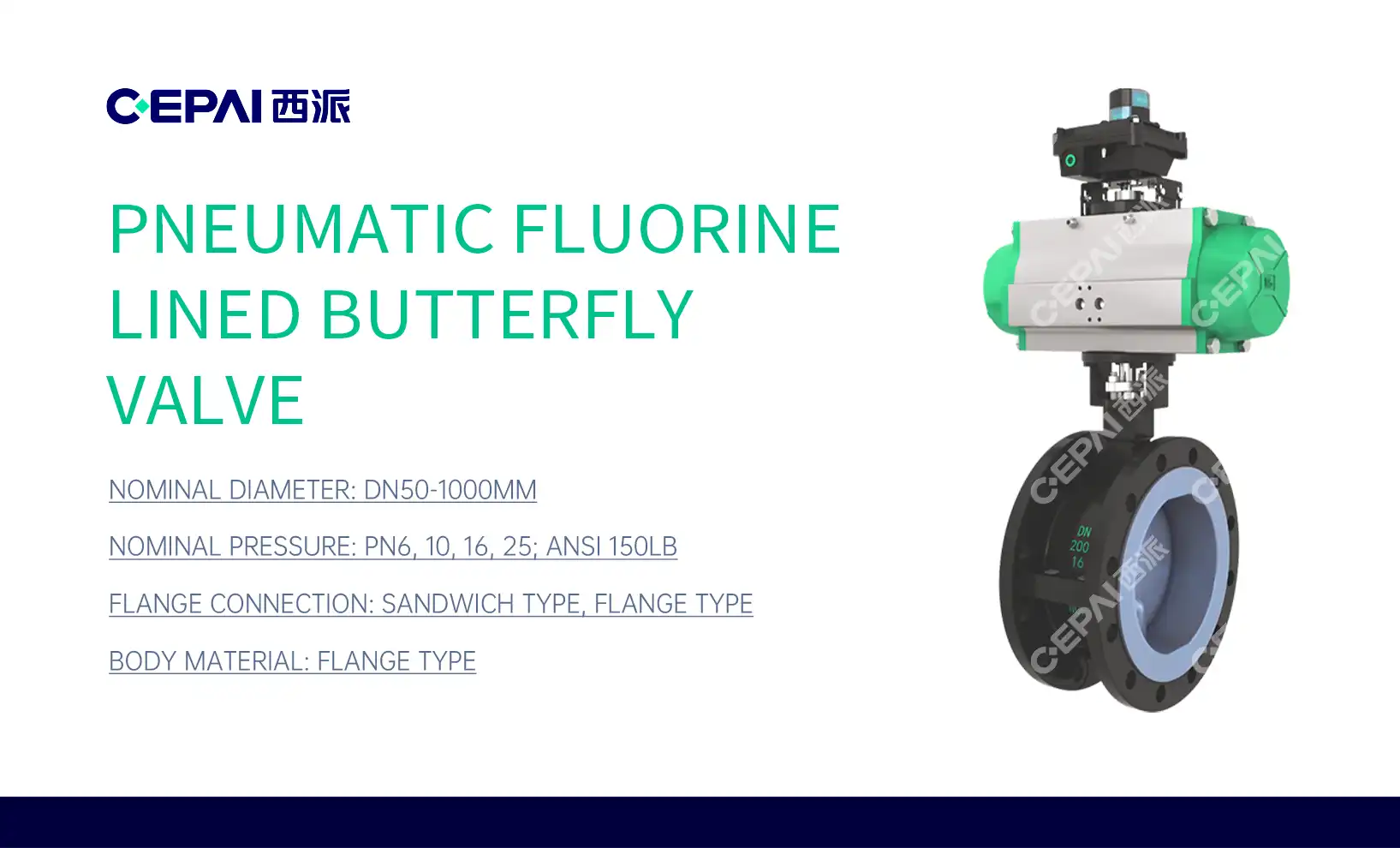
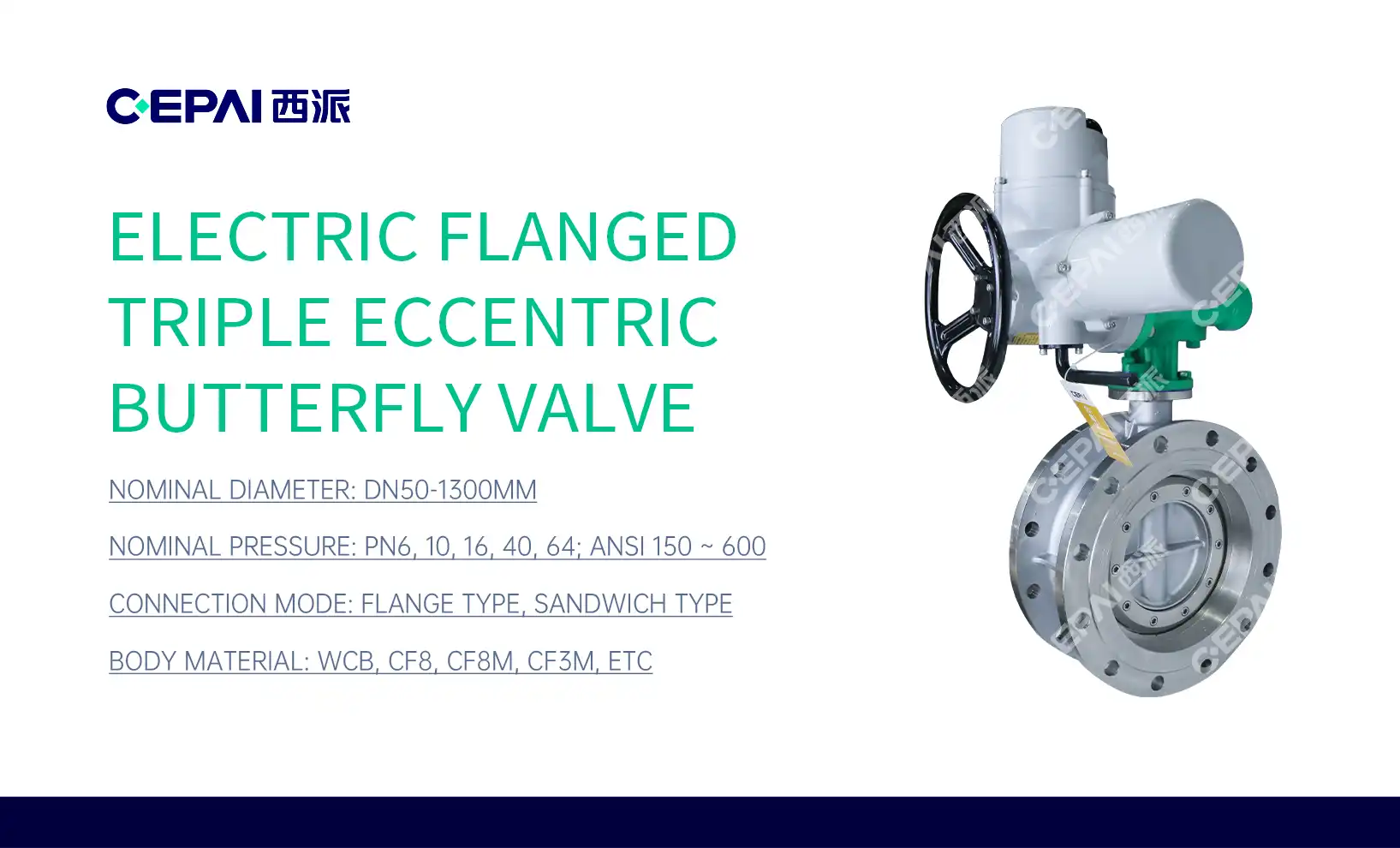
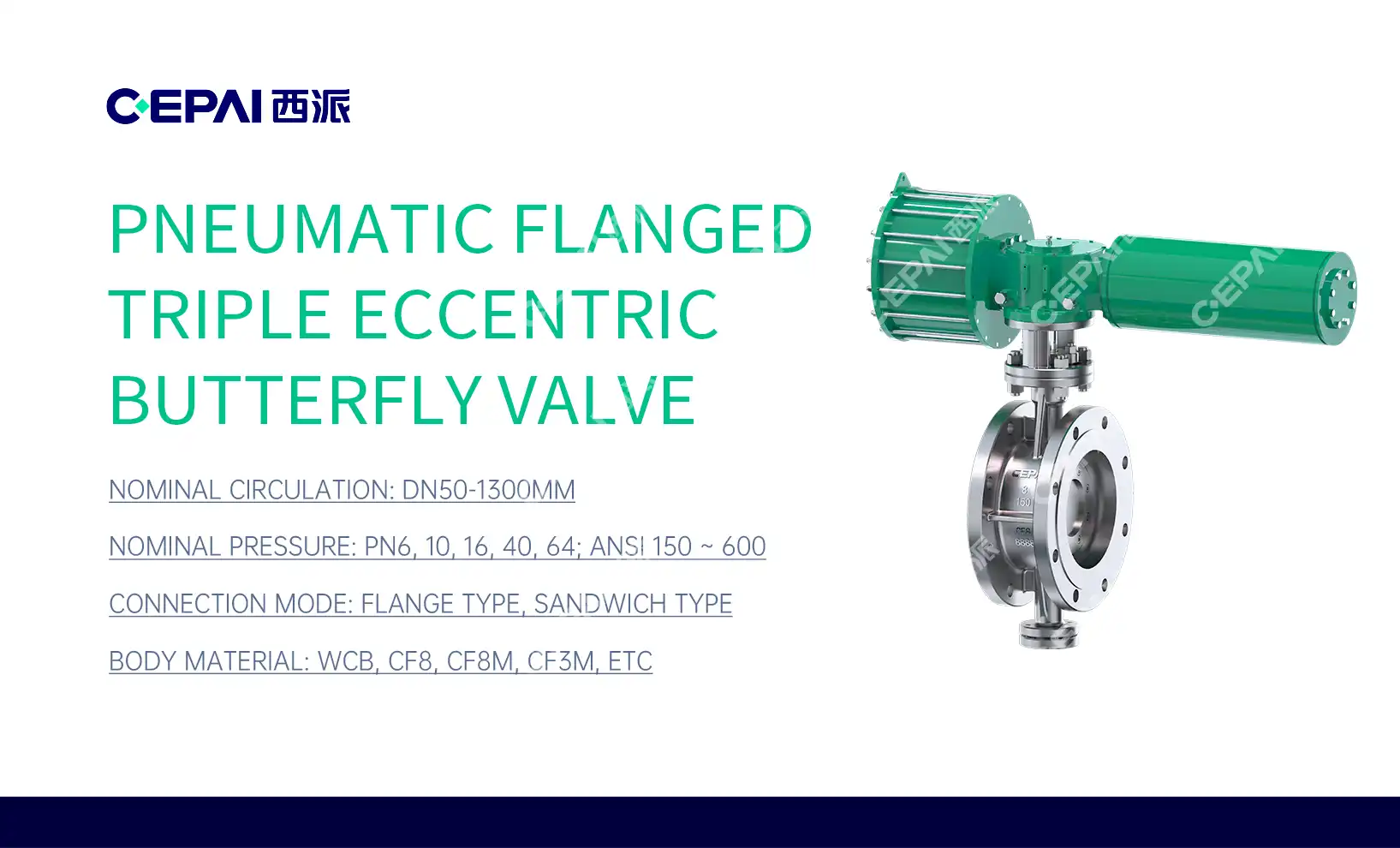
Best China Suppliers for Chemical-Grade Lined Butterfly Valves
Procurement experts must choose suppliers that exhibit outstanding quality standards, extensive certifications, and demonstrated track records in demanding industrial applications when purchasing chemical-grade lined butterfly valves from China. When it comes to creating high-performance lined butterfly valve solutions for the chemical processing industries, the Chinese valve manufacturing industry has become a worldwide leader. Top-tier Chinese suppliers guarantee constant supply of valves that satisfy international standards like API, ISO, and industry-specific criteria for chemical resistance and operational dependability by combining sophisticated production capabilities with strict quality control systems.

Understanding Chemical-Grade Lined Butterfly Valves
Operational Principles and Design Features
Chemical-grade lined butterfly valves enable accurate flow control in pipeline systems by use of a revolving disc mechanism. In order to switch between completely open and closed positions, the butterfly disc of the valve rotates 90 degrees, providing superior flow characteristics with no pressure loss. In chemical applications, the disc design produces a streamlined flow channel that lowers turbulence and preserves process efficiency.
The most important component of chemical-grade butterfly valves is the lining system, which acts as a barrier to keep process media and the valve body safe. Under different pressure and temperature settings, this protective layer maintains structural integrity while guaranteeing compatibility with harsh chemicals. These valves are perfect for process control applications that need to make fast changes because of their quarter-turn action, which allows for short response times.
Lining Materials and Chemical Compatibility
The lining materials used in modern chemical-grade butterfly valves are chosen according to media compatibility and particular process requirements. At temperatures as high as 200°C, PTFE (polytetrafluoroethylene) linings retain their performance integrity while providing outstanding chemical resistance against a wide range of corrosive chemicals. PTFE's non-stick qualities guarantee constant flow characteristics over long service times while preventing material accumulation.
For some chemical applications, rubber linings - including EPDM and natural rubber varieties—offer exceptional flexibility and sealing properties. These materials provide affordable options for less demanding conditions and perform very well in applications requiring mild acids, alkalis, and water-based solutions. Metal linings, such Hastelloy or stainless steel, provide exceptional temperature resistance and durability for high-performance applications that need for increased mechanical strength.
Valve Types and Industrial Applications
Wafer, lug, and resilient-seated designs are among the configurations that are tailored to certain installation needs and operating circumstances. Compact installation between flanges is made possible by wafer-style valves, which also ease maintenance processes in constrained process conditions. When bidirectional flow control is needed in low-pressure situations, these designs perform well.
Independent flange connection capability offered by lug-style lined butterfly valves allows for dead-end servicing and simpler maintenance without interfering with other pipeline components. This arrangement is very useful in chemical processing plants where regular valve maintenance is required. Elastomeric seats are used in resilient-seated systems to improve sealing performance while accounting for slight pipeline misalignment and thermal expansion.
Benefits and Maintenance Considerations
Numerous operational benefits, including as corrosion resistance, longer service life, and easier maintenance, are provided by chemical-grade lined butterfly valves. Throughout the valve's operating history, the protective lining system maintains tight shutdown capabilities while preventing chemical assault on the valve's interior components. These valves promote energy-efficient process operations by exhibiting good flow characteristics with little pressure loss.
To guarantee optimum performance, routine maintenance procedures concentrate on lining inspection, seal replacement, and actuator calibration. In addition to extending valve life, proper maintenance schedule guards against unplanned failures that can interfere with chemical processing processes. Operators may create efficient preventative maintenance plans that optimize equipment dependability and save operating costs by having a thorough understanding of the particular maintenance needs for various lining materials.
How to Choose the Best China Supplier for Chemical-Grade Lined Butterfly Valves
Defining Procurement Requirements and Specifications
Well-defined technical parameters that complement your operational goals and chemical process needs are the first step in choosing a successful supplier. Precise specifications, such as valve size ranges, pressure ratings, temperature restrictions, and chemical compatibility requirements unique to particular applications, must be established by procurement teams. Knowing the full extent of your operating environment makes it possible to evaluate suppliers more accurately and guarantees that the partners you choose can fulfill your technical requirements.
When choosing a supplier, documentation needs are quite important, especially when it comes to material certifications, test reports, and compliance documents. In order to meet internal quality standards and regulatory requirements, chemical processing plants often need a lot of paperwork. For every component they provide, suppliers must show that they are able to offer thorough material traceability, pressure testing certifications, and chemical compatibility verification.
Quality Certifications and Manufacturing Capabilities
Prominent Chinese vendors uphold many international certifications that attest to the effectiveness of their production procedures and quality control systems. While ISO 9001 certification shows a dedication to quality management principles, API 6D certification guarantees that valve designs adhere to petroleum industry requirements. Industry-specific approvals, CE marking, API 6A, and other certifications show thorough quality processes that facilitate reliable product delivery.
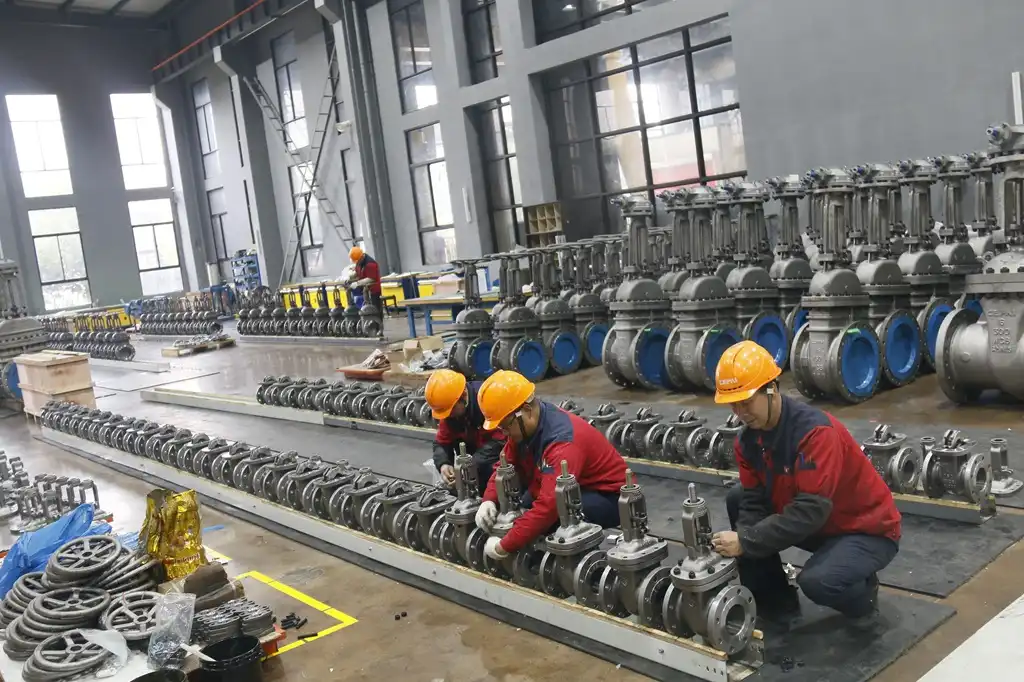
The evaluation of manufacturing capabilities for lined butterfly valves should concentrate on infrastructure for quality control, technological know-how, and production capacity. Modern manufacturing facilities with CNC machining centers, automated testing apparatus, and extensive quality labs are run by advanced suppliers. Strict quality requirements are maintained throughout the manufacturing process, allowing for the reliable manufacture of high-precision components.
Supplier Evaluation Metrics and Selection Criteria
Technical proficiency, quality systems, delivery dependability, and customer service skills are just a few of the performance characteristics that must be systematically evaluated in order to evaluate a supplier effectively. Another important consideration is financial stability, which guarantees that suppliers can continue to operate consistently and fulfill long-term obligations. References from current clients provide important information about the dependability and performance of suppliers in practical settings.
Superior suppliers are distinguished from basic component vendors by their technical support skills. Prominent vendors provide technical advice, application support, and customized services that go above and beyond typical product delivery. When tackling specific application issues or creating bespoke solutions for tough chemical processing conditions, these skills are very helpful.
Negotiating Terms and Building Partnerships
Cost concerns, quality standards, delivery dates, and long-term support obligations are all balanced in successful negotiations. Skilled vendors recognize the value of competitive terms and clear pricing structures that uphold quality standards. Clear communication about expectations, performance indicators, and goals for continual development is essential to forming successful collaborations.
Building mutual trust, delivering consistent performance, and using cooperative problem-solving techniques are the main goals of long-term relationship growth. Suppliers may provide more proactive assistance and more effective solutions if they make an investment in learning about the operations and process difficulties of their clients. Maintaining alignment between supplier capabilities and changing customer expectations is facilitated by regular performance evaluations and feedback sessions.
Procurement Insights: Cost, Ordering, and Supply Chain Management
Cost Components and Pricing Factors
More successful budgeting and procurement discussions are made possible by an understanding of the several cost factors that affect the price of chemical-grade lined butterfly valves. The main factor influencing cost is valve size; bigger diameter valves need more materials, more complicated production processes, and more thorough testing. Since bigger valves often provide greater value per unit flow capacity, the connection between valve size and cost is not linear.
The choice of lining material has a big influence on the total cost of the valve; PTFE linings are usually more expensive than rubber ones. These pricing differences are caused by the intricacy of lining application procedures, material expenses, and quality standards. Special measurements, unusual mounting arrangements, or altered trim designs are examples of customization requirements that raise prices yet provide solutions suited to particular application requirements.
Through extra testing, paperwork, and quality assurance processes, manufacturing standards and certification requirements affect price. Due to stricter testing procedures and increased design requirements, API-certified valves are usually more expensive than conventional industrial valves. However, enhanced performance, longer service life, and fewer maintenance needs often justify these extra expenses.
Sourcing Strategies and Supplier Verification
In order to maximize cost and delivery performance, effective sourcing strategies make use of a variety of channels, such as authorized distributors, direct manufacturer contacts, and well-established trade partners. Although they need more work in connection building and communication management, direct ties with manufacturers often provide the greatest price and technical assistance. Authorized distributors keep direct relationships with manufacturers while providing local assistance and inventory availability.
To make sure that a supplier's capabilities, like those for a lined butterfly valve, meet procurement criteria, supplier verification methods should involve facility audits, quality system evaluations, and reference checks. Verification choices have increased while trip expenses and time commitments have decreased thanks to virtual facilities visits and remote auditing capabilities. Independent verification of supplier capabilities and quality systems is offered by third-party certification services.
A crucial component of supplier qualification is documentation verification, especially for chemical processing applications that call for substantial material traceability and compliance paperwork. Suppliers must consistently show that they can provide the necessary test results, certifications, and compliance paperwork within the allotted time constraints.
Logistics and Delivery Optimization
For chemical-grade butterfly valves, supply chain planning necessitates meticulous synchronization of production schedules, quality control methods, and international shipping specifications. Depending on the size of the valve, the level of customisation needed, and the current manufacturing schedule, lined butterfly valves normally arrive between 4 and 8 weeks. For urgent needs, expedited shipping alternatives could be available, but they sometimes come with extra fees and few customization choices.
Proper packing to safeguard valve linings, the right paperwork for customs clearance, and working with freight forwarders that have expertise transporting industrial equipment are all important factors to take into account when exporting internationally. In addition to guaranteeing that valves arrive ready for installation without the need for further preparation, proper packing guards against lining damage during transit.
Because specialty lined butterfly valves often have quite lengthy lead times, inventory management systems should weigh carrying costs against stockout concerns. Operational risks may be minimized and total procurement costs can be optimized by strategically placing inventories for important valves or often used sizes. Alternative strategies that shift inventory risks to suppliers while preserving availability are provided by vendor-managed inventory programs.
Company Introduction and Our Chemical-Grade Lined Butterfly Valve Solutions
CEPAI's Commitment to Excellence and Innovation
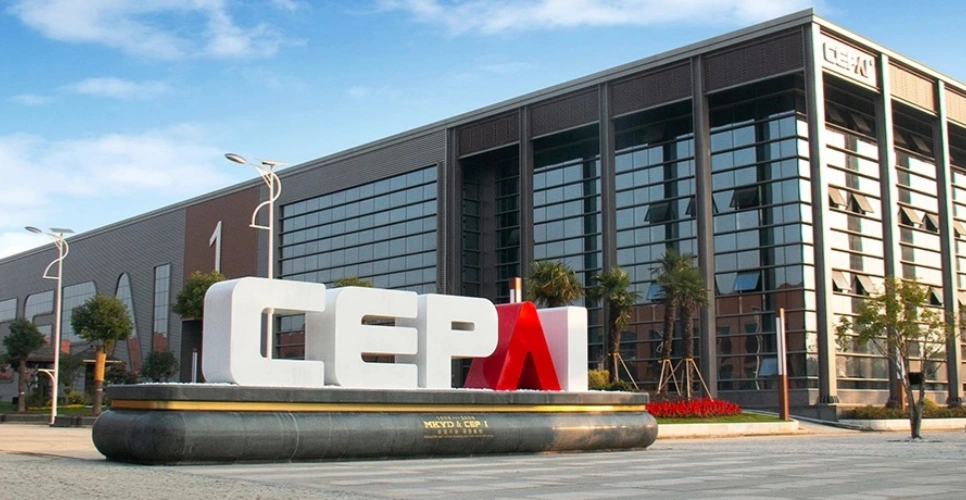
CEPAI is a prominent high-tech company that focuses on the creation, research, and manufacture of cutting-edge valve solutions for use in chemical processing, oil and gas drilling, and production. From the first design thoughts to the delivery of the finished product and continuing customer support, we are dedicated to quality in every facet of our business. Major engineering firms and oilfield service businesses throughout the globe have recognized and certified the company for its ongoing innovative skills.
APIQ1, API6A, API6D, API16C, API602, ISO9001, ISO14001, ISO45001, ISO3834, ISO17025, CE, and PR2 certifications are all part of our extensive certification offering.
Diverse Product Portfolio and Customization Capabilities
Chemical-grade lined butterfly valves are part of CEPAI's wide range of products, which are designed to satisfy different process requirements in a variety of industrial applications. Modern lining processes and materials chosen for best performance in harsh chemical environments are included into our chemical-grade lined butterfly valves. The product range consists of resilient-seated, wafer, and lug types with pressure ratings up to 600 psig and diameters ranging from 2 to 48 inches. A variety of lining choices, including as PTFE, EPDM, and specialty materials, provide answers for a range of chemical compatibility needs.
Value-Added Services and Technical Support
In order to assist clients in choosing the best valve options for their particular applications and operating circumstances, CEPAI offers thorough technical advisory services. In order to ensure that the solutions chosen meet operational requirements while maximizing performance and lifetime costs, our engineering team works closely with customers throughout the specification development process. This collaborative approach guarantees good project outputs and helps avoid specification mistakes.
CEPAI can provide customized solutions for unusual applications that go beyond the limits of ordinary products because to its custom engineering skills. In order to ensure that performance meets or beyond client expectations, our design team validates unique designs prior to manufacture using sophisticated modeling tools and comprehensive testing facilities. In order to optimize valve performance throughout the course of its operating lifespan, comprehensive after-sales service includes installation advice, commissioning aid, and suggestions for continuing maintenance.
Conclusion
Selecting the best China suppliers for chemical-grade lined butterfly valves requires systematic evaluation of technical capabilities, quality certifications, and long-term support commitments. Successful procurement strategies balance cost considerations with performance requirements while ensuring suppliers can deliver consistent quality and reliability. CEPAI's comprehensive product portfolio, extensive certifications, and proven track record position us as an ideal partner for demanding chemical processing applications. Our commitment to innovation, quality excellence, and customer satisfaction ensures successful project outcomes and long-term operational success.
FAQ
1. What advantages do lined butterfly valves offer over unlined alternatives?
Lined butterfly valves provide superior corrosion resistance and extended service life compared to unlined alternatives when handling aggressive chemical media. The protective lining system prevents chemical attack on valve internals while maintaining tight shutoff capabilities throughout the valve's operational lifecycle. This enhanced chemical resistance translates into reduced maintenance requirements, fewer replacement cycles, and improved operational reliability in demanding chemical processing environments.
2. How can I ensure timely delivery when purchasing from China-based suppliers?
Ensuring timely delivery requires establishing clear communication channels, defining specific delivery requirements, and working with suppliers who maintain adequate production capacity and inventory management systems. CEPAI maintains comprehensive production planning systems and proactive customer communication protocols that provide regular updates on order status and delivery schedules. Building strong supplier relationships and providing accurate forecasting information helps suppliers optimize production scheduling and minimize delivery risks.
3. What maintenance practices extend valve service life in chemical applications?
Regular inspection of lining integrity, seal condition, and actuator calibration represents the foundation of effective maintenance programs for chemical-grade lined butterfly valves. Scheduled maintenance should include visual inspection of lining surfaces, torque verification of bolted connections, and functional testing of actuator systems. Proper storage and handling procedures prevent damage to lining materials while ensuring valves remain ready for service when needed.
Partner with CEPAI for Superior Chemical-Grade Lined Butterfly Valve Solutions
CEPAI delivers exceptional value through our comprehensive lined butterfly valve solutions designed specifically for demanding chemical processing applications. Our experienced engineering team provides expert consultation and customization capabilities that ensure optimal performance in your unique operating environment. Reach out to our technical specialists at cepai@cepai.com to discuss your specific requirements and discover how our proven expertise can enhance your operational efficiency. As a trusted lined butterfly valve manufacturer with extensive industry certifications and global experience, CEPAI stands ready to support your procurement objectives with reliable products and responsive service.

References
1. American Petroleum Institute. "API Standard 6D: Pipeline Valves - Specification for Pipeline and Piping Valves." 24th Edition, American Petroleum Institute Standards Department, 2019.
2. Chemical Engineering Progress Magazine. "Advances in Chemical-Grade Valve Lining Technologies for Corrosive Service Applications." AIChE Publications, Vol. 118, No. 3, 2022.
3. International Organization for Standardization. "ISO 5211: Industrial Valves - Part-turn Actuator Attachments." 4th Edition, ISO Technical Committee 153, 2021.
4. Valve Manufacturers Association. "Best Practices for Chemical Process Valve Selection and Application." VMA Technical Bulletin 502-2020, Industrial Valve Summit Publishing, 2020.
5. Process Engineering and Equipment Design Journal. "Comparative Analysis of Butterfly Valve Lining Materials in Chemical Processing Applications." Industrial Processing Media Group, Vol. 45, No. 2, 2023.
6. China National Standards Institute. "GB/T 12238: Flanged Butterfly Valves for General Service." National Technical Committee for Standardization of Valves, 2nd Revision, 2022.
_1746598525968.webp)
Get professional pre-sales technical consultation and valve selection services, customized solution services.
About CEPAI