Best Butterfly Valve For Large-Diameter Water Pipelines
Engineers and procurement workers have to think about a complex mix of technical specs, operational needs, and long-term performance measures when choosing the best butterfly valve for large-diameter water pipelines. Choosing the right butterfly valve makes sure that flow is controlled well, that pressure losses are kept to a minimum, and that systems that move a lot of water in factories work reliably. Modern large-diameter pipeline uses need valves that are both strong and able to precisely change the flow. This makes the selection process very important for improving system performance and lowering running costs.

Understanding Butterfly Valves for Large-Diameter Water Pipelines
Butterfly valves make control fluid flow in pipeline systems through a rotating disc device. Because they are small and can be opened quickly, they are especially useful for large-diameter uses. The basic idea behind the design is a disc in the middle that turns perpendicular to the flow direction. This lets the flow be completely controlled with a quarter-turn operation. This device keeps the pressure drop across the valve body to a minimum while still allowing good flow.
Types of Butterfly Valves for Large Pipeline Applications
Depending on the pipeline needs and working conditions, different butterfly valve designs offer different benefits. Engineers can choose the best plan for their needs when they know about these differences.
Wafer-style butterfly valves have the smallest installation profile because they can fit between normal pipeline openings without having to think about length. These designs work great in situations where room is limited and moderate pressure values are enough. The wafer design makes the system lighter and easier to install, but it still does a good job of sealing when the bolt pressure is applied correctly.
Lug-style butterfly valves are easier to install because they have threaded pieces that let you connect the flanges separately. This design makes it easy to do upkeep and lets one side of the pipeline be disconnected for dead-end service uses. The lug shape offers better structural stability for higher pressure uses while still retaining the small benefits of butterfly valve designs.
Double offset butterfly valves use both radial and rotational disc positioning to keep the seat from touching the valve during operation. This greatly reduces wear and increases the service life. This arrangement makes the sealing work better while lowering the force needed for operation. This makes them perfect for regular use in large-diameter water systems.
Material Selection and Performance Characteristics
The choice of material for a butterfly valve has a big effect on how well the valve works, how long it lasts, and how well it works with different types of water. The design of stainless steel makes it very strong and resistant to corrosion, so it can be used with drinkable water or in places where the water chemistry is harsh. Stainless steel doesn't rust, so you don't have to worry about it breaking down over time, and its dimensions will stay the same over time.
For large-diameter uses where material numbers become important cost factors, ductile iron is especially appealing because it is very strong and doesn't cost too much. Because ductile iron has better mechanical qualities than other types of iron, it is possible to make wall parts that are thinner while still keeping the structure strong under high pressure. The right covering methods make things less likely to rust and last longer in a range of water chemistry conditions.
Flow capacity is an important performance factor that has a direct effect on how well the system works and how much energy it uses. Modern butterfly valves are made with disc shapes that are optimized to reduce noise and pressure loss while still being able to shut off very well. Manufacturers have been able to improve disc shapes that have better flow properties than older designs thanks to computational fluid dynamics research.
How to Choose the Best Butterfly Valve for Large-Diameter Water Pipelines?
To choose the best butterfly valve, you need to use organized decision-making processes to evaluate a number of performance factors in a planned way. Pressure values must match how the system works and leave enough room for safety in case of pressure surges or changes to how it works in the future. Accuracy in flow control is becoming more and more important in situations where accurate flow modulation or automatic control integration is needed.
Comparative Analysis with Alternative Valve Types
There are strong reasons why butterfly valves are better than gate and ball valves. This is especially true for large-diameter uses where weight and fitting become very important. Because butterfly valves are made to be light, they require less structure support and cost less to install while still controlling flow just as well. Quick actuation lets the system react quickly in case of an emergency stop or during automatic control processes.
However, gate valves need a lot more room to be installed and work more slowly, even though they have great shut-off properties. For the gate valve to work, it needs to move in a straight line, which means there needs to be more room above the pipeline. This makes installation difficult in tight areas. Also, gate valves usually weigh a lot more than butterfly valves of the same size, which makes them harder to place and requires more structure support.
Ball valves do a great job of closing, but they become too expensive for large-diameter uses because they need more materials and are harder to make. The spherical closing part needs to be machined with very tight tolerances, which drives up costs rapidly as the diameter grows. When it comes to cost, butterfly valves stay affordable across all diameter sizes while still sealing well enough for most water duct uses.
Actuation Options and Control Integration
For isolation situations where operation doesn't need to happen often, manual actuation for a butterfly valve is a good choice because it is reliable and doesn't need much upkeep. Gear-operated manual actuators keep direct mechanical control while lowering the power needed to run large-diameter valves. Because physical operation is so easy, there are no worries about power outages or computer system failures during important tasks.
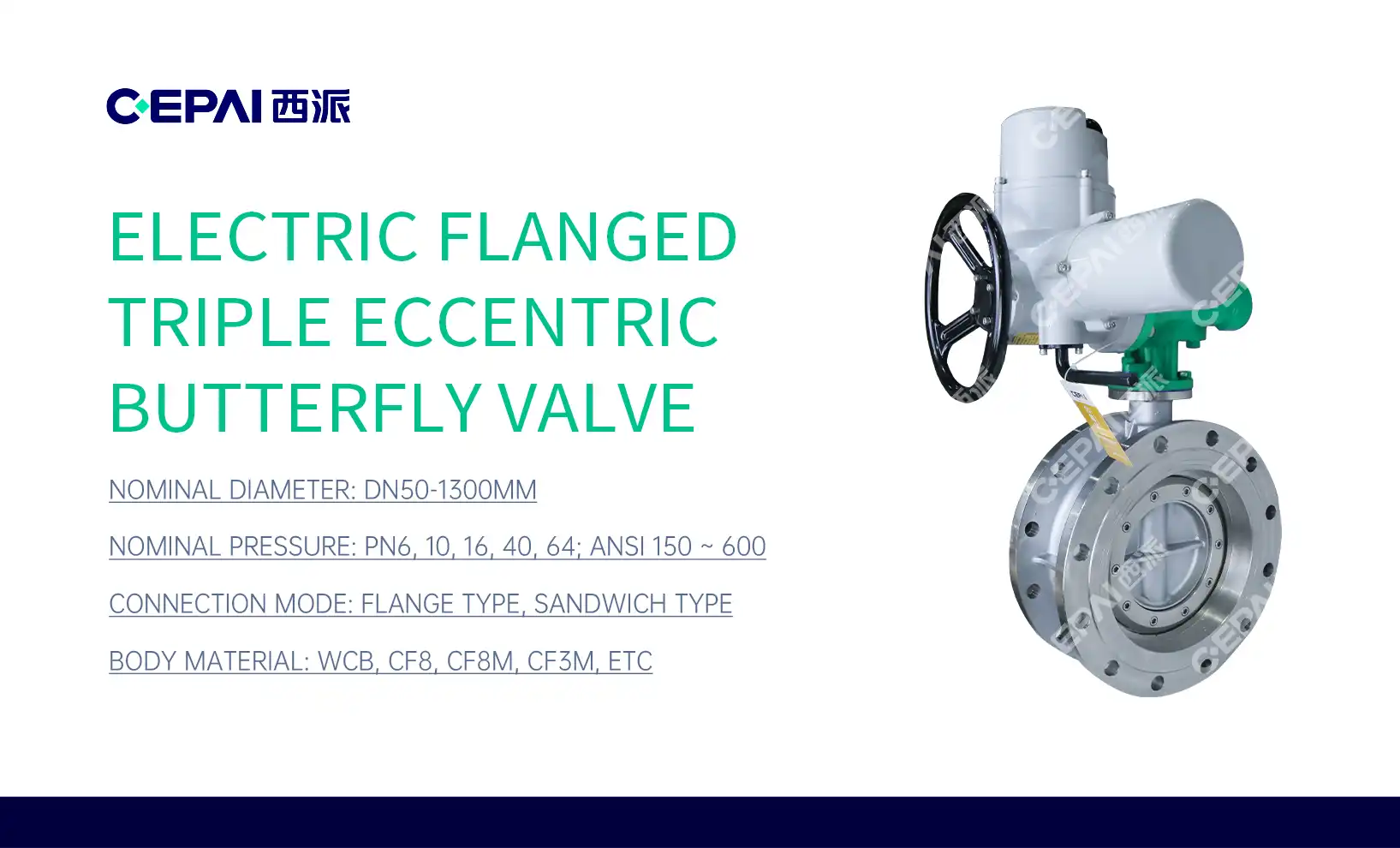
Electric actuators allow exact position control and operation from a distance, which are both very important for automatic water distribution systems. Modern electric motors offer diagnostic, position feedback, and torque tracking features that make systems more reliable and allow for planned repair plans. Integration with remote control systems lets many valves work together and improves the performance of the whole system.
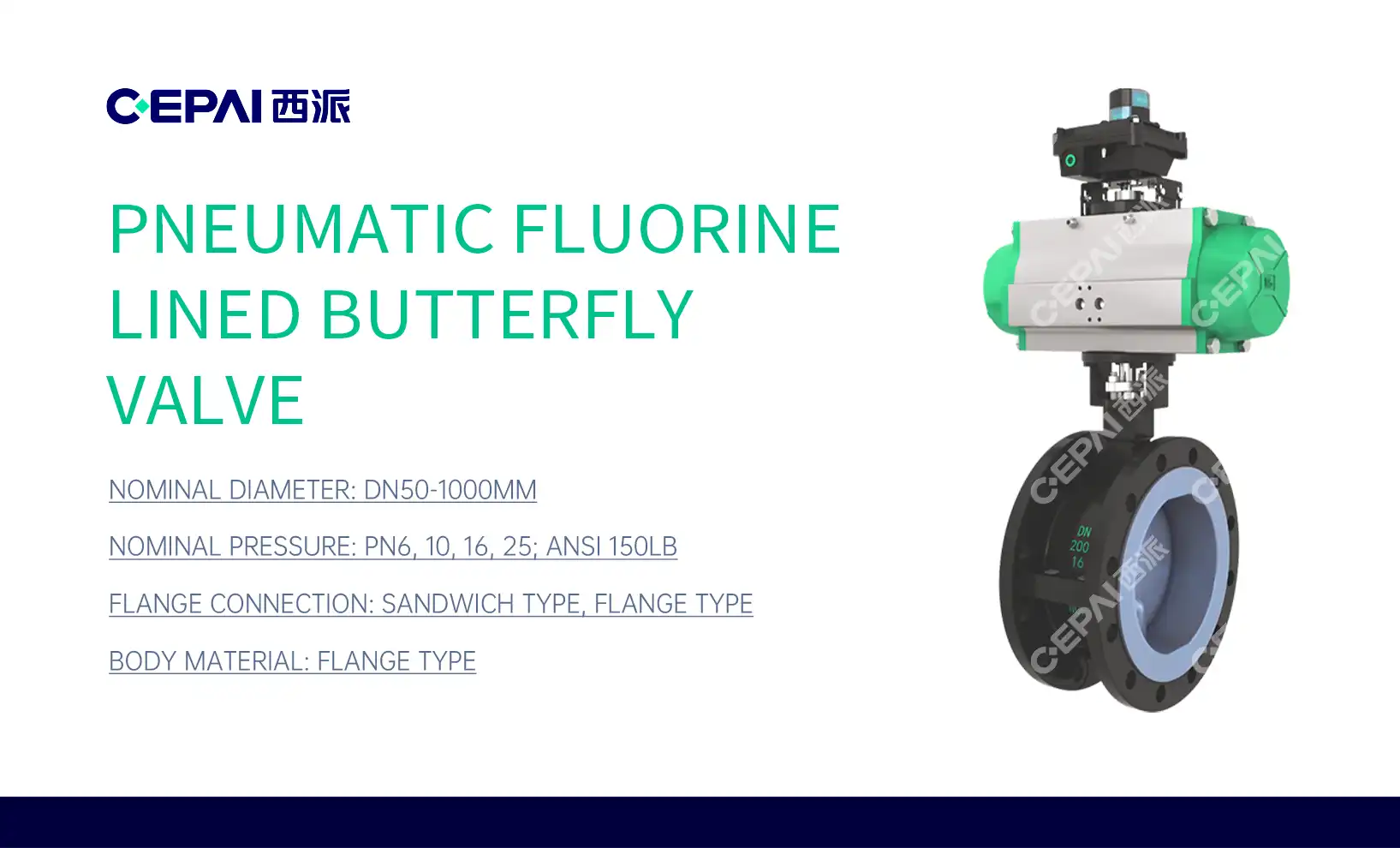
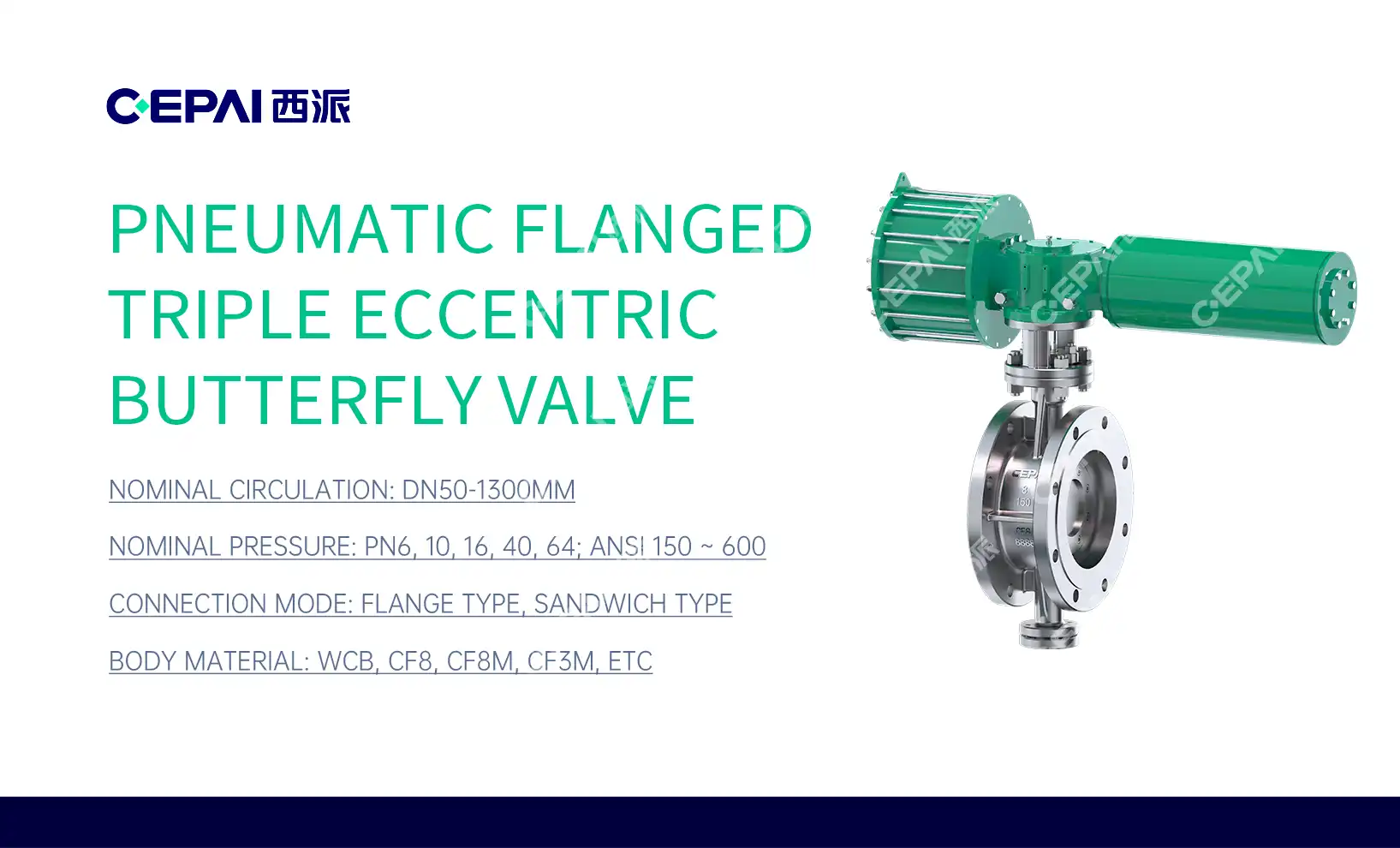
A pneumatic actuator can respond quickly and always work because it has a spring-return system. This makes it very useful for emergency stop situations. Pneumatic systems are naturally safe, so they can work reliably even when the power goes out. This means that the system is protected at all times.
Installation and Maintenance Tips for Butterfly Valves in Large Pipelines
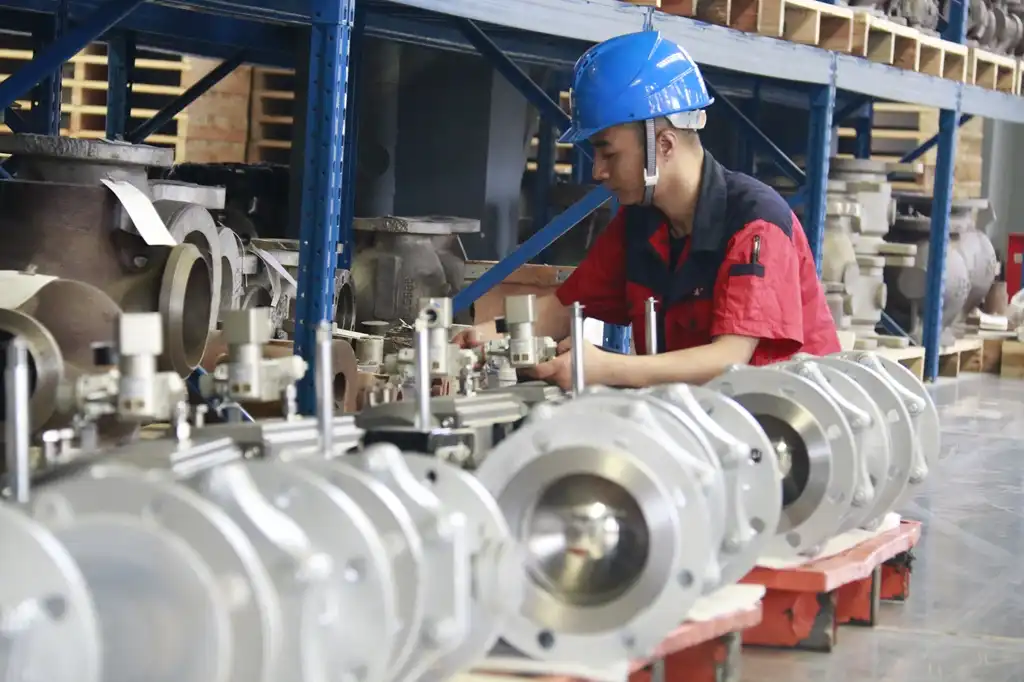
Using the right fitting methods has a direct effect on how well valves work, how long they last, and how reliable the system is throughout its operating lifecycle. In large-diameter uses, where even small misalignments can cause big stress concentrations and early failure modes, alignment precision becomes very important. By paying close attention to flange parallelism and bolt torque consistency, you can get the best sealing performance and avoid operation problems caused by distortion.
Installation Best Practices and Procedures
Preparing a pipeline means cleaning and inspecting it carefully to get rid of any trash, welding slag, or surface irregularities that might get in the way of the valves fitting properly. Flange face checking makes sure that the surfaces are smooth and not damaged so that the gasket can close well under working pressures. The right choice of gasket and fitting methods stop leaks while also allowing for changes in system pressure and temperature expansion.
Bolt force must be applied in a certain way and at a certain number to keep the load even and avoid flange distortion. Gradual application of torque over several passes lets the gasket be compressed and stresses to be redistributed while keeping the integrity of the seal. After the system is first pressurized, checking the torque makes sure that everything is installed correctly and finds any settling effects that need to be fixed.
Orientation factors for a butterfly valve make sure that valves work well and are easy to maintain throughout their entire operating lifetime. The right placement of the stem keeps water from building up in the actuator parts and makes repair tasks easy to reach. The support structure design takes into account the weight and working forces of the valve while providing a stable mounting that keeps the valve from moving out of line while it is in use.
Preventive Maintenance Strategies
Scheduling regular inspections helps find possible problems early on, before they become expensive fails or system downtime. Visual inspections find rust on the outside, mechanical damage, or issues with the actuator that might affect its performance. Operational testing makes sure that everything works smoothly and that the seals are working right. It also looks for any changes in how the machine works that could mean that problems are starting to appear.
When to change the seal depends on how the valve is used, the chemistry of the water, and how often it is used, but for good setups, the time between replacements is usually between three and seven years. Replacing seals before they fail keeps the system from breaking down when it's not supposed to during planned repair windows. The best performance from new parts comes from storing and treating seals the right way.
Maintenance that includes lubrication keeps mechanical parts running easily and stops rust and wear. When choosing the right lubricant, it's important to think about the working temperature range, the surroundings, and how well it works with the system media. Regular lubrication plans keep parts from breaking down too soon and keep the machine running smoothly throughout its service life.
Case Studies and Application Scenarios of Butterfly Valves in Large Water Pipelines
The usefulness and efficiency of butterfly valves in tough large-diameter water pipeline settings are shown by real-life examples. These examples give useful information about how to choose, problems that might come up during installation, and how things work in the end, which can help with future project choices.
Municipal Water Distribution Systems
A big city's water authority recently added 48-inch butterfly valves to their main distribution system to make it easier to control flow and use less energy. As part of the project, old gate valves that lost too much air and needed to be serviced often had to be replaced. Installing modern butterfly valves cut pressure losses by 35% and made it easier to change the flow for use in demand control apps.
Electric actuators with position input and remote tracking were installed in the butterfly valve installation. This allowed for centralized control and automatic responses to changes in the system's demand. Data from operations over two years shows that the system works consistently and doesn't need much upkeep. Within three years, the project paid for itself by lowering energy costs and making the system more reliable and flexible in how it was used.
Industrial Process Water Systems
To increase productivity and cut down on upkeep costs, a sizable petroleum plant installed butterfly valves throughout its process water system. For this purpose, valves had to be able to handle changing water chemistry conditions and reliably shut off in an emergency. Stainless steel butterfly valves with EPDM seals were very resistant to chemicals and remained cost-effective across a range of diameter sizes.
After 18 months of operation in harsh conditions, tracking of performance shows that the seal is still intact and there is no sign of any leaking. Because they work quickly, butterfly valves can quickly separate processes when something goes wrong. This keeps things from getting contaminated and has the least possible effect on the environment. Maintenance has been confined to regular lubrication and eye checks, which shows how reliable it is to have a good butterfly valve system.
These successful examples show how important it is to choose the right valves, install them correctly, and keep up with preventative upkeep to get the best performance results. Some of the benefits that have been proven are lower lifecycle costs, better operating dependability, and less energy use compared to other valve technologies.
Conclusion
To choose the best butterfly valve for large-diameter water pipes, you need to carefully think about a number of technical and financial factors that affect both the short-term performance and the long-term success of the operation. As the opening size goes up, the benefits of butterfly valves, such as their small size, quick operation, and low cost, become more important. Valve function and service life are directly affected by the choice of material, the way it is actuated, and how it is installed. A full analysis of the manufacturer's skills, certification needs, and support services makes sure that the project is completed successfully while keeping lifetime costs as low as possible.
FAQ
What makes butterfly valves ideal for large-diameter water pipelines?
Butterfly valves work well in large-diameter situations because they are small, light, and easy to operate with a quarter-turn. Butterfly valves, unlike gate or ball valves, stay cost-effective as sizes get bigger while still letting a lot of flow through and having very little pressure drop. Because they are lighter, they don't need as much support from structures and are easier to install. This makes them the best choice for widths over 12 inches.
How often should the maintenance be done on butterfly valves in water pipes?
Maintenance times rely on how the system is being used and the quality of the water, but on average, visual checks are done once a month, operational tests are done every three months, and full examinations are done once a year. Depending on the job cycle and the surroundings, seals should be replaced every 3 to 7 years. To keep things running smoothly and avoid premature wear, lubrication should be done every six months or as directed by the manufacturer.
Can electric motors be added to butterfly valves that are already in use?
If the stem design and mounting connections are suitable, most manual butterfly valves can be retrofitted with electric actuators. For the change to happen, the current stem materials, mounting bolt patterns, and room for installing the actuator must be looked at. A professional evaluation makes sure that the torques are matched correctly and that the parts work well together mechanically, all while upholding safety and performance standards.
Partner with CEPAI for Premium Butterfly Valve Solutions
CEPAI stands as your trusted butterfly valve manufacturer, combining advanced engineering expertise with proven manufacturing capabilities to deliver superior flow control solutions for large-diameter water pipeline projects. Our comprehensive product line includes API-certified butterfly valves designed specifically for demanding industrial applications, backed by rigorous quality assurance programs and extensive field testing. With certifications including API6A, API6D, ISO9001, and CE compliance, CEPAI ensures your projects meet the highest international standards while delivering exceptional performance and reliability. Connect with our technical team at cepai@cepai.com to discuss your specific requirements and discover how our engineered butterfly valve solutions can optimize your water pipeline operations.

References
American Water Works Association. "Butterfly Valves for Water Service: Selection and Application Guidelines." AWWA Manual M49, Third Edition, 2018.
Peterson, Robert H. "Large Diameter Valve Technology in Water Distribution Systems: Performance Analysis and Cost Optimization." Journal of Water Supply Engineering, Vol. 45, No. 3, 2019.
International Organization for Standardization. "Butterfly Valves for Water and Wastewater Applications: Design and Testing Requirements." ISO 5752:2021 Standard Specification.
Thompson, Sarah M. and Williams, David K. "Computational Fluid Dynamics Analysis of Butterfly Valve Performance in Large-Diameter Pipelines." Flow Control Magazine, Industrial Valve Technology Section, 2020.
Chen, Li and Rodriguez, Miguel A. "Material Selection Criteria for Large-Diameter Water Pipeline Valves: Corrosion Resistance and Mechanical Properties." Water Infrastructure Engineering Quarterly, Vol. 28, No. 2, 2021.
European Committee for Standardization. "Butterfly Valves for Potable Water Systems: Installation and Maintenance Best Practices." EN 593:2019 Technical Guidance Document.
_1746598525968.webp)
Get professional pre-sales technical consultation and valve selection services, customized solution services.
About CEPAI