Are Stainless Steel Butterfly Valves Suitable For Pharmaceutical Cleanrooms?
Yes, stainless steel butterfly valves can be used in pharmaceutical cleanrooms as long as they are chosen and set up correctly. The stainless steel butterfly valve form is very resistant to rust, has a smooth surface that is easy to clean, and meets FDA and GMP standards. These valves reliably control the flow of fluids while keeping the area clean, which is very important for making medicines.
Understanding Stainless Steel Butterfly Valves in Pharmaceutical Applications
Pharmaceutical cleanrooms have to meet the strictest cleanliness and accuracy standards. This makes choosing the right valves a very important choice for facility managers and engineers. The stainless steel butterfly valve has become the best option because it works well in clean rooms and has great performance qualities.
Basic structure and how things work
The butterfly valve works on a simple idea that works well. To control flow, a disc-shaped closing element moves inside the valve body. It only needs to be turned 90 degrees for full operation. Compared to multi-turn valves, this quarter-turn mechanism has fewer wear spots and needs less upkeep.
Pharmaceutical uses naturally benefit from constructions made of stainless steel. The surface of the material is not porous, so germs can't grow on it. It can also be sterilized many times without breaking down. Grade 316L stainless steel is often used to make pharmaceutical valves because it doesn't rust when exposed to cleaning chemicals and process media.
Features that can be used in a cleanroom
Modern pharmaceutical butterfly valves have special features that meet the needs of cleanrooms. Electropolished surfaces have Ra values below 0.5 micrometers, which means there are no tiny cracks where dirt could get stuck. Threaded joints have been replaced by tri-clamp connections, which make it possible to put together and take apart parts without using tools.
The streamlined internal design of the valve cuts down on dead areas and turbulence, which lowers the risk of product holdup and cross-contamination. Modern seat materials, like PTFE or EPDM, are chemically inert and still have the ability to stretch, so they close well over long periods of time.
Comparing Different Valve Setups
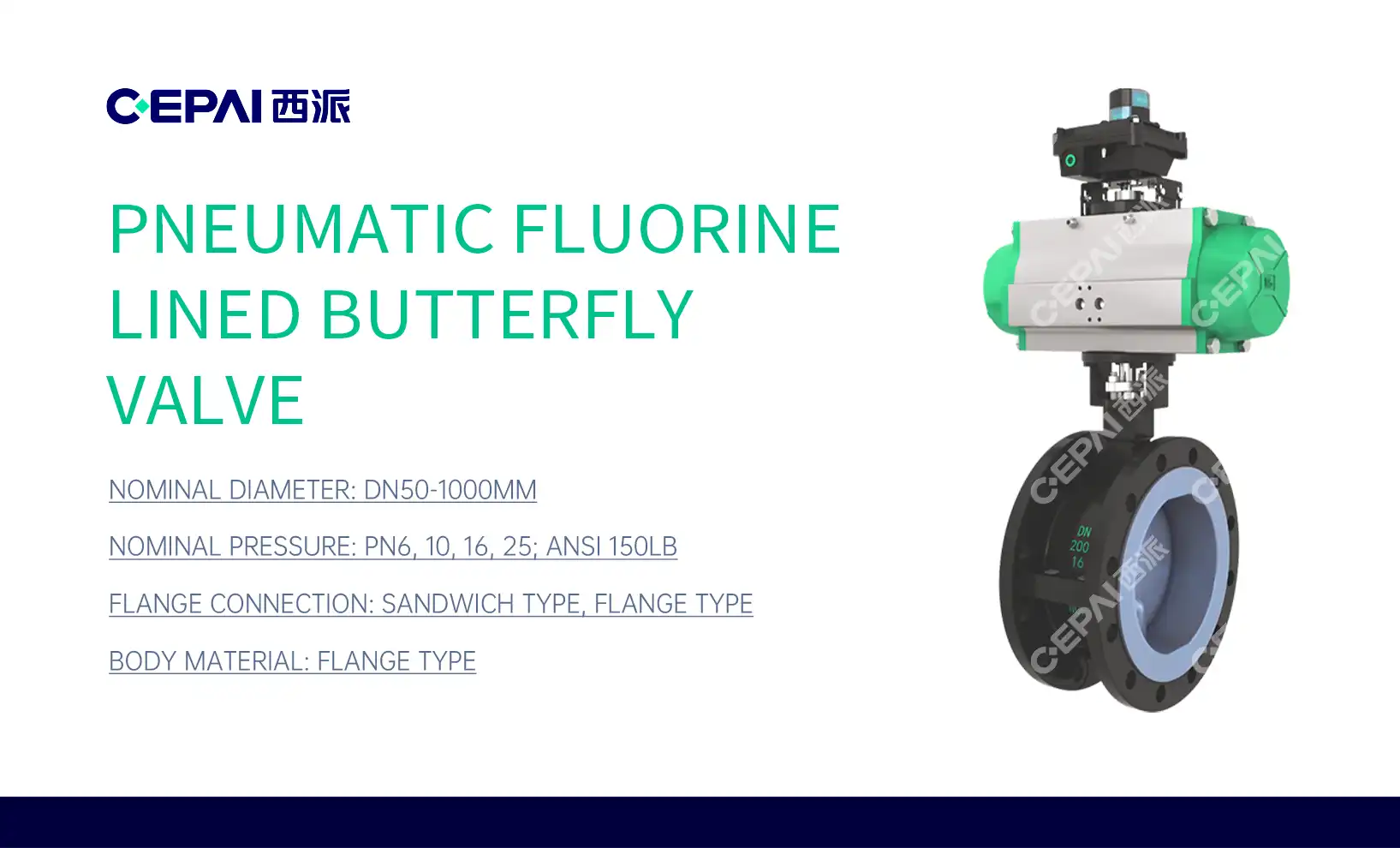
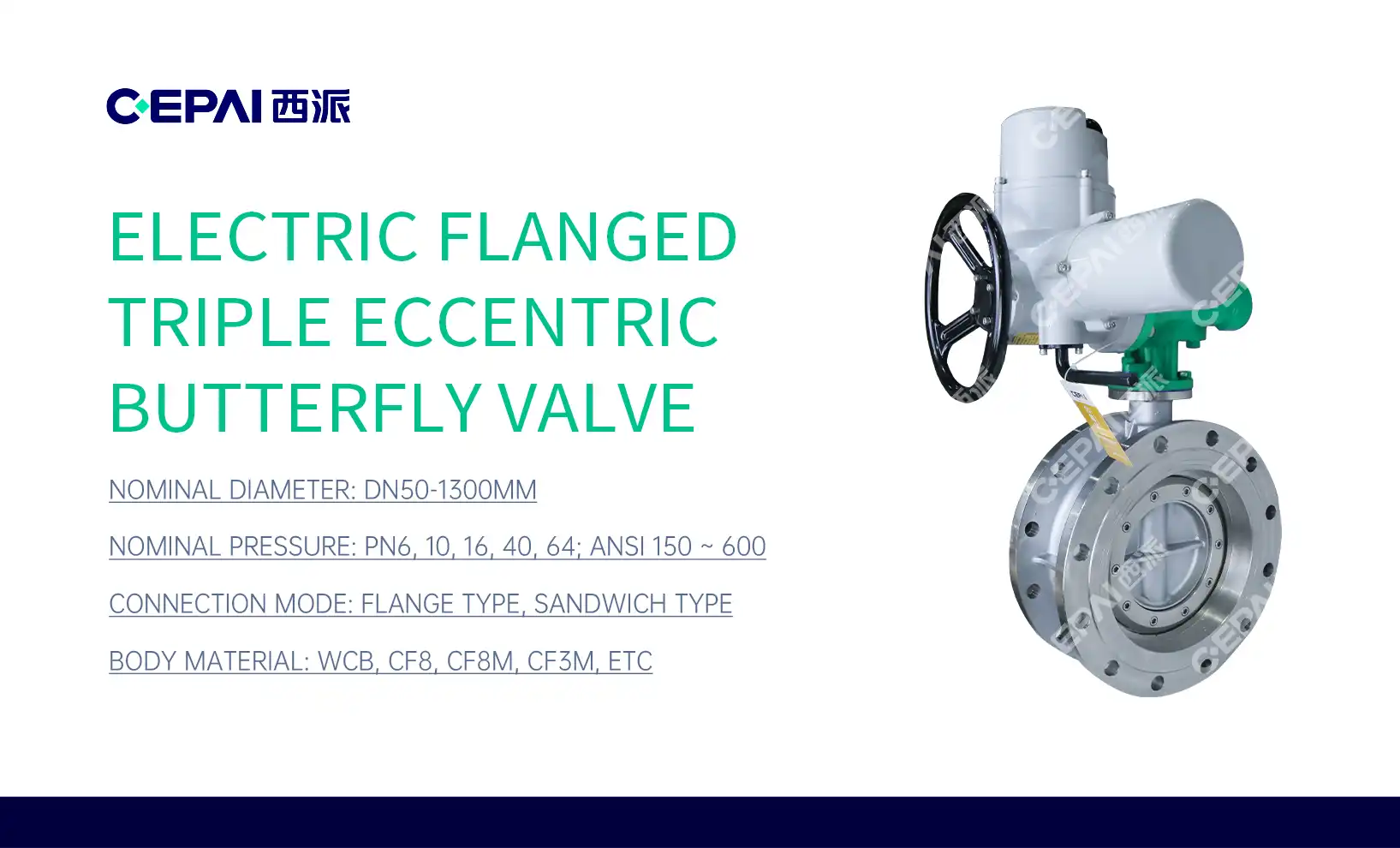
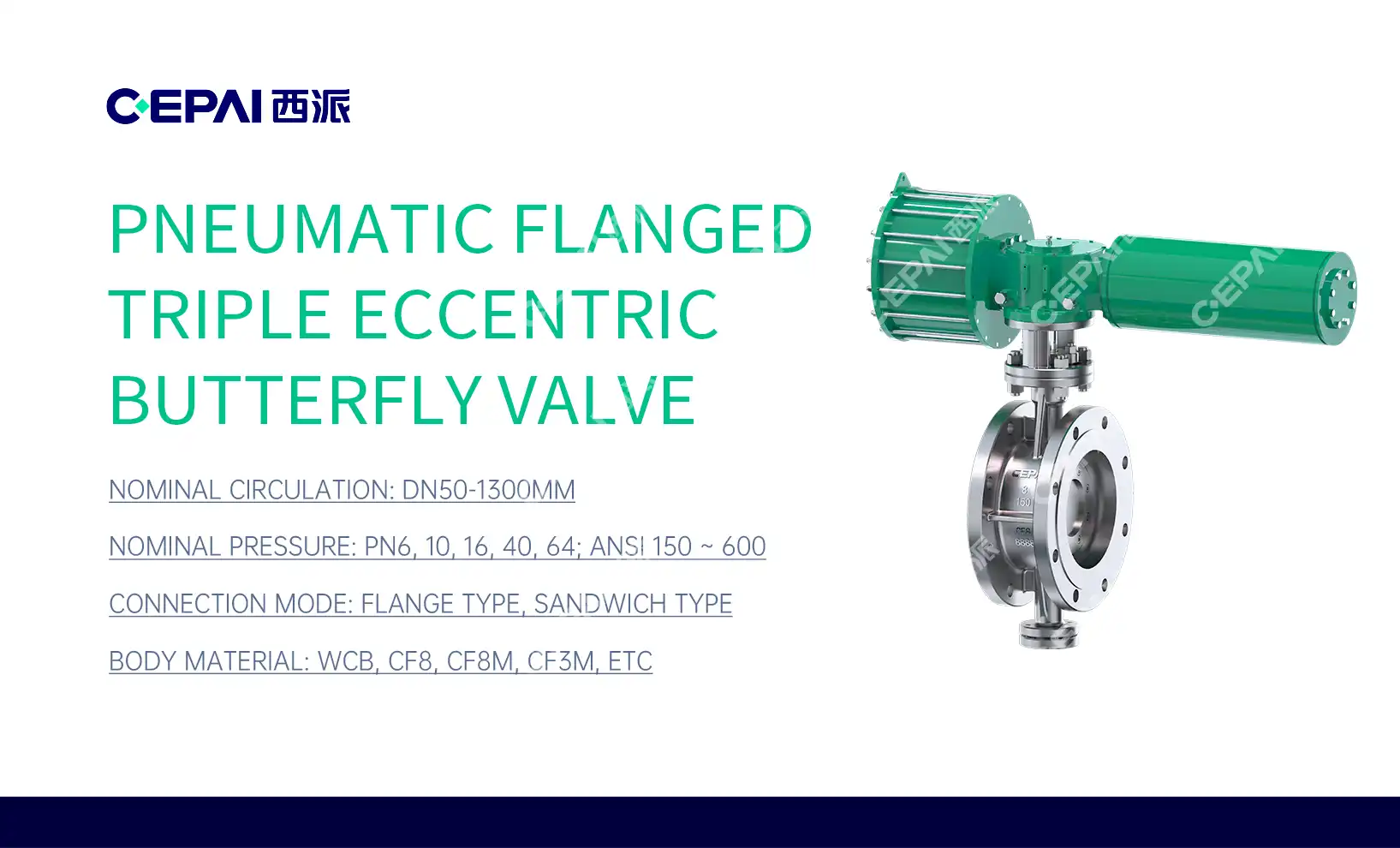
There are three main types of fastening styles that are used for different pharmacy tasks. Wafer-style valves are easy to place between flanges and take up little room, which is great for cleanroom plans that are limited on space. Lug-style designs make dead-end service possible and make upkeep easy. When it comes to high-pressure uses or important process lines, flanged designs offer the most mechanical power.
Key Advantages of Stainless Steel Butterfly Valves in Cleanrooms
The strict rules in the pharmaceutical business make problems that only stainless steel butterfly valve technology can solve by offering many performance benefits. Knowing about these benefits helps procurement workers make smart choices that help with both business efficiency and following the rules.
Hygienic Design and Following the Rules
FDA 21 CFR Part 211 rules say that the surfaces of medicinal tools must be smooth, non-reactive, and easy to clean. Butterfly valves made for pharmaceutical use are made without any cracks or crevices, so there are no places where contamination could hide. The smooth inside of the valve body makes full draining easier and stops product waste from building up.
To follow Good Manufacturing Practice (GMP), plans must be easy to validate and materials must be able to be tracked. Butterfly valves made for pharmaceutical use come with detailed material certificates and design paperwork that backs up validation procedures. Compared to more complicated valve types, this one is easier to validate because it works simply and has few parts.
Chemical Resistance and Compatibility with Sterilization
Valves in cleanrooms are cleaned with harsh chemicals like acids, caustic solutions, and sanitizing chemicals. Butterfly valves made of stainless steel are very resistant to these harsh cleaning methods. They don't lose their function or surface quality. The material's passivated top layer grows back on its own, so the valve will remain corrosion-resistant for a long time.
During steam-in-place (SIP) cleaning processes, valves are heated to more than 250°F with saturated steam. Good butterfly valves can handle these temperature changes without losing their seals or changing their sizes. The closing properties of PTFE and EPDM seat materials stay the same across a wide range of temperatures, and they are chemically compatible with sanitizing agents.
Advanced Sealing Technology
Pharmaceutical uses need zero-leakage performance to keep the cleanliness of the product and stop cross-contamination. Modern butterfly valves have precision-machined sealing surfaces and designed seat shapes that make the valves shut off without any bubbles. When the disc is closed, the cam action compresses the seat gradually. This makes sure that the seal stays strong even if the pressure changes slightly.
Double-offset disc designs lower the working power and make the seat last longer. This design pushes the disc away from the seat when the door is opened. This stops the disc from rubbing against the seat, which can lower the closing performance. The lower torque needs allow for exact placement for throttling uses while still allowing for full shutoff.
Installation and Maintenance Best Practices for Pharmaceutical Cleanrooms
To get the most out of butterfly valves while keeping the cleanroom's integrity, they must be installed and maintained correctly. These practices make sure that regulations are followed and that equipment lasts longer.
Installation Guidelines for Contamination Control
Before installing a stainless steel butterfly valve for pharmaceutical use, all of its parts must be carefully inspected and cleaned. Before fitting, all valve surfaces must be cleaned with pharmaceutical-grade solvents and the amount of cleanliness must be recorded. Installers must follow gowning rules and only use tools and materials that have been approved for use in a cleanroom.
Aligning the pipes becomes very important for how well the butterfly valve works. Pipes that aren't lined up right can cause mechanical stress that can bend the valve body and make closing less effective. In the installation process, the flanges and pipes should be properly aligned and supported before the final connection is made. To make sure that the gasket will work in the long term, it is important to think about both the process media and the cleaning chemicals.
Clean-in-Place (CIP) System Integration
CIP technologies clean automatically and keep the purity of the closed system. Validation standards say that butterfly valves need to be able to handle CIP flow patterns and cleaning solution touch times. Positioning the valves during CIP processes makes sure that the whole area is covered and that cleaning solution doesn't get stuck in the valves' cavities.
If the valve is fully open, it lets cleaning solution flow freely because it has a full-bore design. To get proven cleaning efficiency, the spray ball's placement and flow rates need to take the valve's internal shape into account. For each valve position, you need to record the CIP cycle factors, cleaning solution concentrations, and contact times.
Routine Maintenance and Inspection Protocols
Schedules for preventive repair should match up with output cycles and the needs of government inspections. Visual check methods find early signs of wear, rust, or seal degradation so that performance isn't affected. Keeping an eye on the torque during work can show that mechanical problems are starting to appear and need to be fixed.
Procedures for replacing seats must follow cleanliness rules and make sure the seats are installed correctly. Before they can be put in, replacement seats need to be inspected and cleaned when they arrive. Testing after maintenance makes sure that the sealing works well and the operating power is within the ranges that were set. For legal compliance and traceability, all upkeep tasks need to be documented.
Comparing Stainless Steel Butterfly Valves with Other Valve Types for Pharma Use
To make the best choices about procurement, valve technologies must be carefully examined in order to balance efficiency, cost, and compliance with regulations. This study looks at butterfly valves and other popular valves used in pharmacy settings.
Performance Comparison with Ball Valves
When it comes to shutdown efficiency and low pressure drop, ball valves are great. But because their internal shape is more complicated, they have more areas that need to be validated and cleaned. The ball and seat contact could catch particles or product residue, which could make it harder to meet the purity standards for pharmaceuticals.
Stainless steel butterfly valve have a simpler internal design and fewer places where pollution could happen. The disc's flat surface and smooth flow path make cleaning and drainage easier. Ball valves may have a slightly lower pressure drop, but butterfly valves are better at cleaning and have good flow properties for most pharmaceutical uses.
Material Considerations: PVC and Carbon Steel Alternatives
PVC valves are resistant to chemicals and cost less at first, but they can't handle the high temperatures needed for steam cleaning. Because the material is porous, germs can grow in it and make pharmaceutical cleanliness standards less strict. Also, PVC can only handle a certain amount of pressure, which limits its uses in high-pressure medicinal processes.
Carbon steel valves are strong, but they need special treatments to be compatible with pharmaceuticals. If these layers chip or wear off, they leave the base open to corrosion and contamination. Stainless steel butterfly valves don't need to be coated, and they have better rust protection and surface finish quality.
Flanged versus Wafer-Style Design Considerations
When it comes to mechanical safety, flanged butterfly valves are the best choice for big pipe sizes or high-pressure situations. The built-in rings make mounting strong and make it easier to line up the pipes. But because they are heavier and take up more space, they might not be useful in small cleanrooms.
Designs in the shape of wafers take up less room and weight while still working well enough for most medicinal uses. The small profile makes it possible to place in limited areas and lowers the cost of the materials. Pay close attention to how the flanges are lined up and how tight the bolts are tightened during installation to keep the valve body from warping.
Procurement Considerations: Choosing the Right Stainless Steel Butterfly Valve Supplier
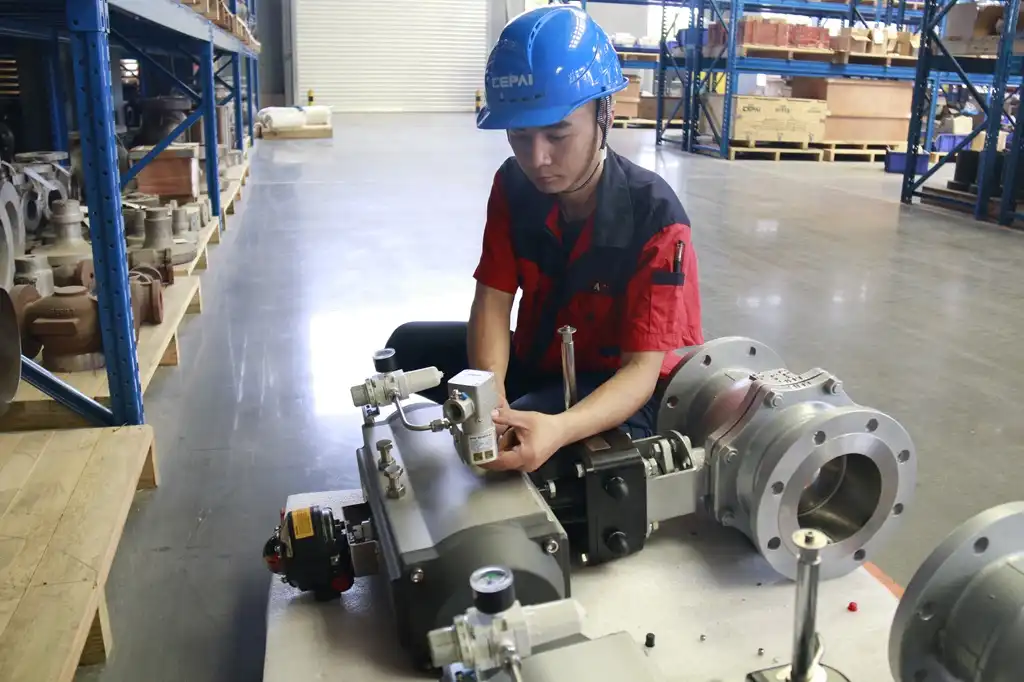
Choosing the right supplier for stainless steel butterfly valve has a big effect on the standard of the products, how well they meet regulations, and the long-term success of the business. For pharmaceutical uses, you need providers who have a track record of knowing a lot about cleanroom valve technology and government rules.
Critical Supplier Evaluation Criteria
Supplier approval starts with following the rules for maintaining certification. ISO 9001 quality management systems make sure that the way things are made and the paperwork is kept in order. Suppliers who work with pharmaceutical companies should keep up-to-date on any extra licenses that are needed by companies that make medical devices or process food.
When evaluating a product line, both normal offerings and the ability to make changes should be taken into account. For pharmaceutical uses, certain materials, surface finishes, or changes to the size of things are often needed. Suppliers that have their own engineering teams can help with technical issues and make sure that the designs work best for specific uses.
Quality Assurance and Compliance Verification
Documentation for material traceability must include mill certificates, tracking of heat lots, and confirmation of surface finish. Suppliers should give full test results that include measures of surface finish, pressure testing, and making sure the dimensions are correct. Verification of materials by a third party gives suppliers' claims more weight and helps meet proof standards.
Controls in the manufacturing process affect the quality and accuracy of the end product. Suppliers who use statistical process control and written quality methods show that they are dedicated to making great products. Supplier sites are regularly checked to make sure they follow the quality systems and manufacturing skills they say they can do.
Technical Support and After-Sales Service
Pharmaceutical projects need a lot of detailed paperwork and help with validation. Suppliers should back up validation methods with thorough models, material certificates, and operation instructions. Suppliers can suggest the best valve designs and installation methods because they have technical knowledge in pharmaceutical uses.
After-sales support includes having access to spare parts, professional help, and the ability to replace the product in a situation. Pharmaceutical production plans don't allow for long periods of downtime to fix or replace valves. Suppliers who keep enough goods on hand and offer quick technology support help keep production interruptions and the costs that come with them to a minimum.
Conclusion
If you choose, install, and take care of stainless steel butterfly valves the right way, they work great in pharmaceutical cleanrooms. Because they are designed to be clean, follow regulations, and work reliably, they are a great choice for pharmaceutical companies. Because they are chemically resistant, can be sterilized, and have a streamlined shape, these valves are perfect for cleanrooms and offer affordable ways to control flow. To be successful, you need to choose reliable suppliers, put things the right way, and keep up with strict upkeep schedules that support both operational excellence and regulatory compliance.
FAQ
Can butterfly valves withstand repeated steam sterilization cycles?
Pharmaceutical-grade stainless steel butterfly valves can survive numerous rounds of steam sterilization. The structure stays strong at cleaning temperatures up to 285°F thanks to the 316L stainless steel used. PTFE and EPDM are examples of modern seat materials that keep their elasticity and ability to seal even after being sterilized hundreds of times. When choosing the right valve, you should check the temperature values and make sure that the seat material is safe for steam cleaning.
How do automated actuators integrate with pharmaceutical butterfly valves?
Electric and gas devices work perfectly with pharmaceutical butterfly valves so that they can be controlled from a distance and the process can be automated. The valve's quarter-turn operation needs very little actuator force, which lets it be precisely placed for both on/off and throttling functions. When choosing an actuator, you need to think about the external needs of a cleanroom, such as the ingress protection grades and surface finishes that can be cleaned often. Position feedback systems let you check on the state of valves in real time for process control and record keeping.
What solutions address common valve issues in cleanroom environments?
Seat wear, actuator contamination, and cleaning validation problems are all common problems with sterile valves. Seat wear can be found with regular inspections before it causes leaks, and proper actuator casings keep dirt out. Problems with cleaning validation are often caused by a poorly designed CIP system or valves that are not positioned correctly during cleaning processes. Working with experienced suppliers who know what pharmaceuticals need can help you find problems before they happen during the creation of the system and offer tried-and-true answers for long-term operation.
Contact CEPAI for Premium Stainless Steel Butterfly Valve Solutions
Trusted maker of stainless steel butterfly valves, CEPAI has a lot of experience working with pharmaceutical and industrial uses all over the world. As part of our wide range of products, we offer sanitary-grade butterfly valves that are designed to work in cleanrooms. Our commitment to quality is shown by our API and ISO certifications.
Major engineering firms and drug companies around the world have recognized CEPAI for its constant innovation and strict quality control procedures. For best performance in your cleanroom uses, our professional team can help you choose the right valves, install them correctly, and make sure they're working properly. We keep a lot of supplies on hand and offer quick customer service to keep downtime to a minimum and keep important production plans on track.
Email our pharmaceutical valve experts at cepai@cepai.com to talk about your cleanroom needs and find out how CEPAI's proven butterfly valve technology can help your facility work better and follow the rules.

References
Smith, J.A. (2023). "Pharmaceutical Valve Technology: Design Considerations for Cleanroom Applications." Journal of Pharmaceutical Engineering, 45(3), 78-92.
Johnson, M.R., & Chen, L. (2022). "Stainless Steel Material Properties in Sterile Processing Equipment." Materials Science in Pharmaceutical Manufacturing, 18(7), 234-248.
Williams, D.K. (2023). "Regulatory Compliance for Process Equipment in Pharmaceutical Manufacturing." FDA Compliance Quarterly, 12(2), 45-67.
Thompson, R.S., et al. (2022). "Flow Control Systems in Modern Pharmaceutical Production Facilities." Process Engineering International, 29(4), 123-139.
Davis, A.L. (2023). "Validation Protocols for Automated Valve Systems in Pharmaceutical Cleanrooms." Pharmaceutical Validation Journal, 31(1), 56-74.
Brown, K.M., & Rodriguez, C. (2022). "Maintenance Strategies for Critical Process Equipment in Sterile Manufacturing." Pharmaceutical Maintenance Review, 15(8), 189-205.
_1746598525968.webp)
Get professional pre-sales technical consultation and valve selection services, customized solution services.
About CEPAI