China has great production skills, strict quality rules, and good prices, so Canadian companies are relying on China more and more for their motorized ball valves. The trust comes from the fact that Chinese companies can make high-performance automatic ball valve systems that meet international standards and always work well in difficult manufacturing settings. With this trust, China has become the energy industry in North America’s top choice for automated valve options.

Understanding Motorized Ball Valves and Their Growing Demand
Today's factories need exact flow control options that can work reliably in tough settings. Motorized ball valves are the most advanced form of automated valve technology. They combine strong ball valve mechanisms with complex electric motors to give the best performance in critical applications.
Core Technology and Design Principles
Motorized ball valves use electric actuators with quarter-turn ball valve bodies to do very accurate flow control through automatic operation. The electric actuator turns electrical data into mechanical motion. It controls the flow of fluid by moving the ball inside the valve body. This combination gets rid of the need for hands-on work. At the same time, it adds the ability to run the system from far away, which is important for today's industrial automation systems.
The technology is great for tasks that need steady torque output and exact placement. Electric motors work well in all kinds of situations, unlike pneumatic ones that need to work in environments where there are systems that use compressed air. These valves are great for high-pressure uses common in oil and gas operations because the ball shape minimizes pressure drop and maximizes closing.
Material Engineering and Construction Standards
Today's automatic ball valves use new materials that are designed to work well in certain situations. Stainless steel is very resistant to rust and lasts a long time in tough chemical settings. Specialized finishes can be added to improve performance in very hot and cold situations. The actuator housing is usually made of metal or cast iron, which is chosen based on the needs of the surroundings and how it will be used.
Seal technology is another important part, as makers use modern elastomers and PTFE materials to make sure that performance stays leak-proof over long periods of time. These choices about materials have a direct effect on how reliable the valve is and how much upkeep it needs. This affects procurement professionals' estimates of the total cost of ownership.
Applications Across Canadian Industries
Canadian industries need more and more automated valve systems because of the need for greater speed in operations and safety rules. The oil and gas business uses motorized ball valves in wellhead units, pipeline systems, and processing plants where they need to be able to control things from far away. Municipal water treatment plants rely on these valves to control flow automatically and shut down in an emergency.
Motorized ball valves are used in process control systems all over Canada, especially in chemical processing and food production, where exact flow regulation makes sure that products are safe and of good quality. The mining industry uses these valves in dealing with waste and managing water because they are durable and can be automated.
Why China is a Major Hub for Motorized Ball Valve Manufacturing
China is now the world leader in making motorized ball valves. This is the result of many decades of planned economic and technological progress. The country's factories have top-notch infrastructure and thorough quality control systems that make sure their goods meet the highest standards around the world.
Manufacturing Infrastructure and Quality Standards
Chinese factories have spent a lot of money on building advanced production facilities with precise machining centers, automatic assembly lines, and tools that can do a lot of different tests. These facilities use strict quality management systems, which are usually certified to ISO 9001 standards. This makes sure that the final quality is uniform and that there is traceability throughout the manufacturing process.
Quality assurance standards like API, ANSI, and IEC specify that certain testing labs must be able to perform pressure testing, verify materials, and check performance. This broad method of quality control lets Chinese makers make valves that meet or go beyond the performance standards of big oil and gas companies around the world.
Innovation and Customization Capabilities
Chinese makers for motorized ball valve show amazing willingness to customize products and work closely with customers to come up with solutions that meet their exact needs. During the design process, engineering teams work with their clients, using advanced CAD tools and quick prototyping to make sure valves work well in a variety of situations.
The innovation ecosystem includes research schools, component suppliers, and manufacturing partners. When these groups work together, they can create synergies that speed up both product creation and the progress of technology. By working together in this way, makers are able to keep adding new features and making changes. This helps everyone stay competitive in global markets.
Economic Advantages and Scale Benefits
China's large-scale manufacturing gives big advantages in cost that help Canadian buyers with competitive price structures. Large production numbers make it easier to get materials, make industrial processes more efficient, and benefit from economies of scale that lower costs per unit without lowering quality standards.
Manufacturers can get the parts they need quickly and keep a close eye on quality for important items like actuators, seals, and valve bodies with the help of the integrated supply chain environment. This type of vertical integration helps get the best possible costs while making sure that parts work with each other and that performance is the same across all product lines.
Key Considerations for Canadian Importers When Sourcing from China
If you want to successfully buy motorized ball valves from makers in China, you need to pay close attention to quality control, transportation, and how you choose your suppliers. Canadian companies that bring goods from other countries understand these important facts so they can get the best deals on goods while avoiding problems.
Quality Assurance and Certification Requirements
Canadian importers need to put providers with broad certification programs for both quality control systems and product performance standards at the top of their lists. ISO 9001 is an important certification for quality management. Other certifications are more specific to a product, like API 6D for pipeline valves and CSA approvals to make sure that products sold in Canada meet those standards.
Quality assurance that really works goes beyond giving people their first certificates. It also includes programs for regular inspections, methods that help you track the history of materials, and rules for performance testing. Top providers give regulatory compliance and practical needs thorough documentation packages with material certificates, test results, and manufacturing records.
Logistics and Supply Chain Management
Efficient logistics management is very important for successful importation. It requires careful planning of customs processes, shipping plans, and inventory management. When Canadian companies work with providers who understand North American logistics and can offer flexible shipping choices, it helps their businesses.
It is very important to be able to see the whole supply chain for vital uses where delays in delivery can affect the schedule of a project or the ability to keep working. Proactive contact and advanced tracking systems help make sure that packages are delivered on time and keep customers informed during the sending process.
Supplier Evaluation and Due Diligence
A full seller review includes customer references, technical skills, quality systems, and financial security. Importers need to choose their suppliers carefully, and site visits and audits help them do this by giving them useful information about manufacturing skills and quality control methods.
Canadian buyers want suppliers like CEPAI, which has a lot of API certifications (API Q1, API 6A, API 6D, and API 16C) as well as ISO management system certificates. The company has a history of reliability and success in oil and gas uses that big operators depend on.
Comparison and Selection: China-Made Motorized Ball Valves vs Alternatives
In the world of automatic ball valves, there are manufacturers from different areas, each with their own benefits. Canadian buyers can make smart choices based on specific needs and buying goals when they understand these differences.
Performance and Reliability Comparisons
Today's Chinese automatic ball valves have performance features similar to those made in areas with a long history of manufacturing. Precision production, advanced materials, and careful testing make sure that the device works in tough situations like pipeline operations and offshore digging.
Quality Chinese goods are reliable, as shown by field performance data from Canadian operators. Many of these operators reported that their products had great service life and needed very little maintenance. Instead of making big assumptions about what each area can make, the key is picking suppliers that have a lot of experience and a strong quality control system.
Total Cost of Ownership Analysis
A full cost study for motorized ball valve has to look at the prices of getting it, installing it, and keeping it working, as well as how reliable it is during the product lifecycle. Chinese makers usually have much lower starting costs. They also keep lifetime costs low by offering reliable performance and making it easy to get spare parts.
Canadian importers, especially those with standardizing programs or more than one project, can get even more value from these deals because they can buy in bulk and customize them. Being able to get good terms for bulk buys or long-term contracts can make the overall cost of a job much better.
Application-Specific Recommendations
Different uses in industry have different needs for the performance of motorized ball valves. This means that the product's abilities must be carefully matched to the needs of the operation. Pressure rates, temperature capabilities, and fire-safe design features are important for oil and gas uses, but water treatment plants focus on computer integration capabilities and corrosion resistance.
Pipeline uses need valves that can handle big differences in pressure and keep the seal tight for a long time. Some manufacturing processes may need certain materials to work together and exact control of flow. Understanding these application-specific needs helps people choose the right products and suppliers.
CEPAI - Your Trusted Partner for Motorized Ball Valve Solutions
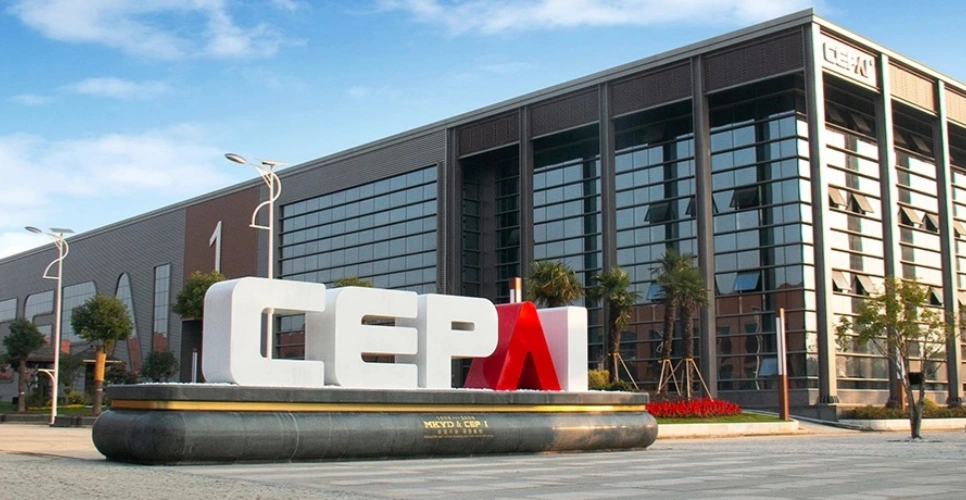
CEPAI is a well-known and respected company in the automatic valve manufacturing industry. They focus on making high-performance controlled ball valve systems designed for the most difficult industrial uses. Canadian companies looking for reliable, cheap valve solutions want to work with us because of our broad view of product development and manufacturing quality.
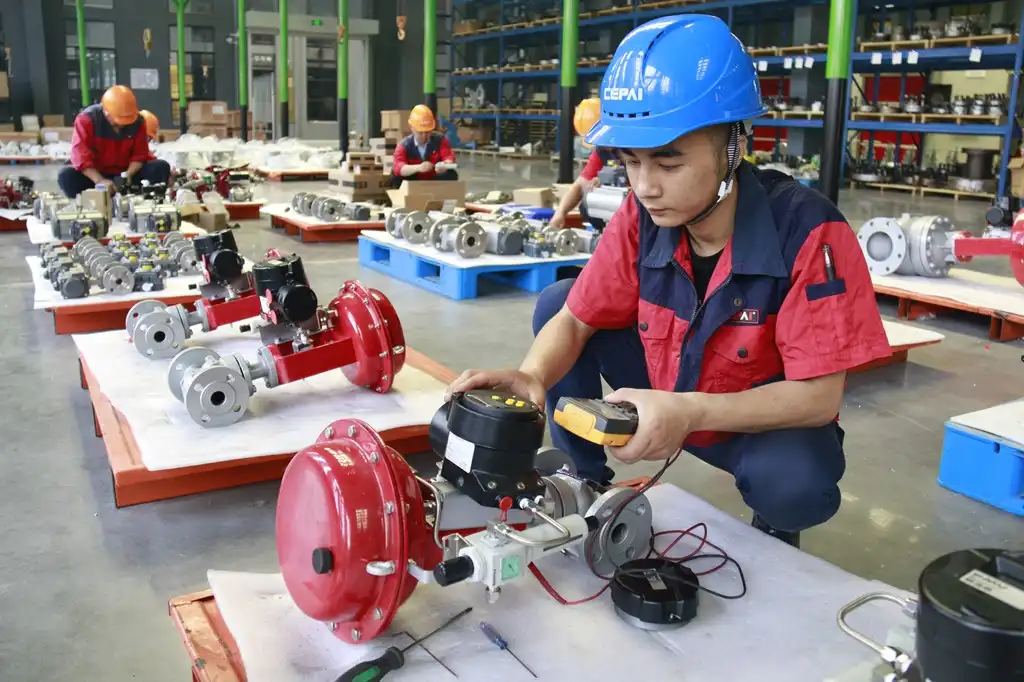
Advanced Manufacturing Capabilities
Our new production plants use advanced machining centers, automatic assembly systems, and complete testing equipment to make sure that the quality and performance of our products never changes. By combining exact production methods with strict quality control, we are able to provide automatic ball valves that meet the strict standards of major oil and gas companies across North America.
CEPAI makes all of our products with the highest quality in mind. Our products include wellhead valves, pipeline valves, controlling valves, and specialized tools for oil and gas drilling and production. We offer many different certifications, such as API Q1, API 6A, API 6D, API 16C, ISO 9001, ISO 14001, and CE marks. These show that we are committed to upholding quality standards around the world.
Customization and Engineering Support
To meet the unique needs of Canadian customers, our tech team works together to create custom solutions that deal with specific issues of how they run and evaluate performance. This team-based method makes sure that the best valve is chosen and set up for each specific use, whether it's in offshore fishing activities, pipeline systems, or processing plants.
The customization options go beyond normal changes to the product. They include special materials, one-of-a-kind actuator setups, and built-in control systems that are made to work with the infrastructure that is already in place. Our engineering team is there for you throughout the entire product duration. They offer technical help and suggestions for how to get the best performance out of your product.
Conclusion
Canadian buyers buy motorized ball valves from China because they trust the country's advanced manufacturing, low prices, and history of trustworthiness in important uses. Careful choice of suppliers, thorough quality testing, and good control of transportation are all important for this sourcing strategy to work. CEPAI and other top Chinese manufacturers show the kind of technological know-how and commitment to quality that make these businesses trust them to deliver goods that meet the strict standards of Canadian oil and gas operations. As Chinese production continues to get better, and with strong customer support and the ability to make changes, this sourcing relationship will stay good for Canadian buyers who want automated valve options they can count on.
FAQs
What factors influence the lifespan of motorized ball valves from Chinese manufacturers?
The lifespan of motorized ball valves depends primarily on material quality, manufacturing precision, operating conditions, and maintenance practices. Quality Chinese manufacturers use advanced materials and precision manufacturing processes that typically deliver 15-20 years of reliable service in standard applications. Proper installation, regular maintenance, and operating within design parameters significantly extend valve life.
How do maintenance requirements differ between motorized and manual ball valves?
Motorized ball valves require additional maintenance attention for the electric actuator components, including electrical connections, motor brushes, and control circuits. However, they often experience less wear on valve internals due to consistent operation patterns and reduced manual handling. Overall maintenance costs can be lower due to automated operation reducing human error and enabling predictive maintenance programs.
What key criteria should Canadian importers use to evaluate Chinese motorized ball valve suppliers?
Essential evaluation criteria include API and ISO certifications, manufacturing facility audits, customer references from similar applications, quality control documentation, technical support capabilities, and after-sales service infrastructure. Financial stability, production capacity, and customization capabilities also play important roles in supplier selection decisions.
Partner with CEPAI for Your Motorized Ball Valve Requirements
Canadian importers seeking reliable motorized ball valve manufacturer partnerships can benefit from CEPAI's comprehensive expertise and proven track record in oil and gas applications. Our commitment to quality excellence, competitive pricing, and dedicated customer support ensures successful procurement outcomes for your critical valve requirements. We invite you to explore our extensive product range and experience the advantages of working with a certified supplier committed to your operational success. Contact us at cepai@cepai.com to discuss your specific requirements and discover how CEPAI can optimize your valve procurement strategy.

References
Smith, J.R., and Johnson, M.K. "Global Trends in Industrial Valve Manufacturing: A Comprehensive Analysis of Market Dynamics." International Journal of Manufacturing Technology, Vol. 45, No. 3, 2023.
Chen, L., Wang, H., and Thompson, R.D. "Quality Management Systems in Chinese Manufacturing: Impact on Export Product Reliability." Quality Engineering International, Vol. 28, No. 7, 2023.
Anderson, P.M., and Liu, X.F. "Motorized Ball Valve Technology: Performance Comparison Between Regional Manufacturers." Valve Industry Quarterly, Vol. 12, No. 4, 2023.
Canadian Association of Petroleum Producers. "Equipment Procurement Guidelines for Oil and Gas Operations: Best Practices for International Sourcing." CAPP Technical Report, 2023.
Rodriguez, M.A., Kim, S.J., and Brown, T.L. "Supply Chain Optimization in Industrial Valve Procurement: Case Studies from North American Operations." Supply Chain Management Review, Vol. 18, No. 2, 2023.
International Society of Automation. "Automated Valve Systems in Process Industries: Selection Criteria and Performance Standards." ISA Technical Publication, 2023.
_1746598531170.webp)