Why Brazil Water Utilities Source Butterfly Valves from China?
Driven by strong economic benefits and quality improvements, Brazil's water utilities are increasingly obtaining butterfly valves from Chinese manufacturers. When compared to European alternatives, Chinese butterfly valve manufacturers provide affordable solutions that adhere to international requirements while lowering capital investment by 30–40%. China is becoming a popular sourcing location for Brazilian water infrastructure projects because to its vast manufacturing capabilities, varied product portfolios, and efficient supply chains. By using a strategic sourcing strategy, utilities may acquire cutting-edge valve technologies that are appropriate for a variety of applications, from distribution networks to water treatment facilities, while also optimizing operating budgets.
Understanding Butterfly Valves: Basics and Industry Relevance
Core Components and Operation Principles
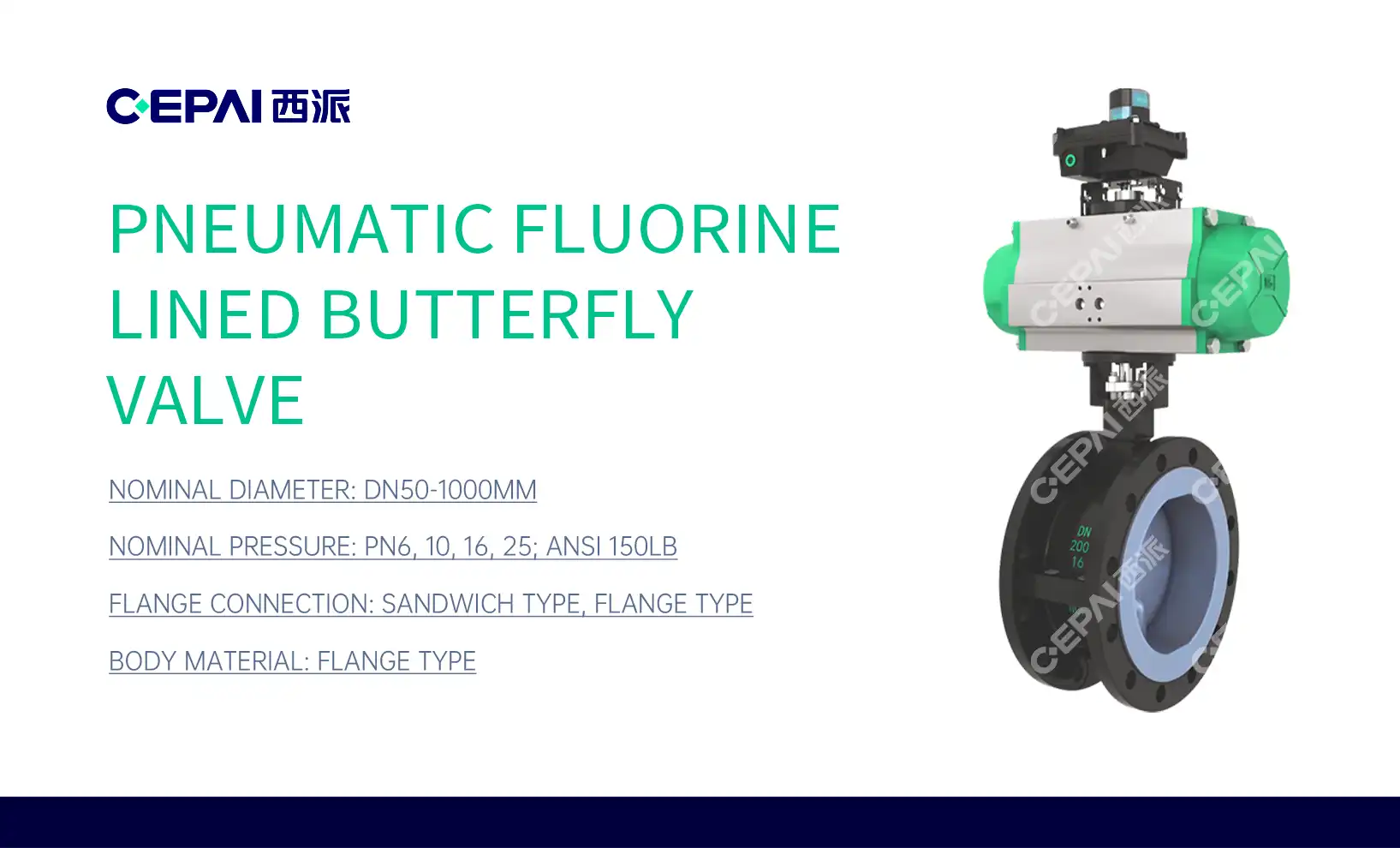
Butterfly valves, which use a revolving disc mechanism to regulate fluid flow, are an example of quarter-turn valve technology. A number of essential elements are included into the basic design to guarantee dependable operation in water utility applications. All internal parts are housed in the valve body, and the center disc rotates on a stem to control flow. The disc moves from fully closed to totally open positions when rotated 90 degrees, resulting in very little flow restriction.
When the valve shuts, the sealing mechanism's precisely designed seats make watertight contact. In order to adapt to varying water chemistry conditions and temperature ranges, modern butterfly valves use a variety of seat materials, such as EPDM, NBR, and PTFE. Depending on the needs of the system, the stem assembly allows either human or automatic operation by connecting the disc to external actuators.
Valve Configuration Types and Applications
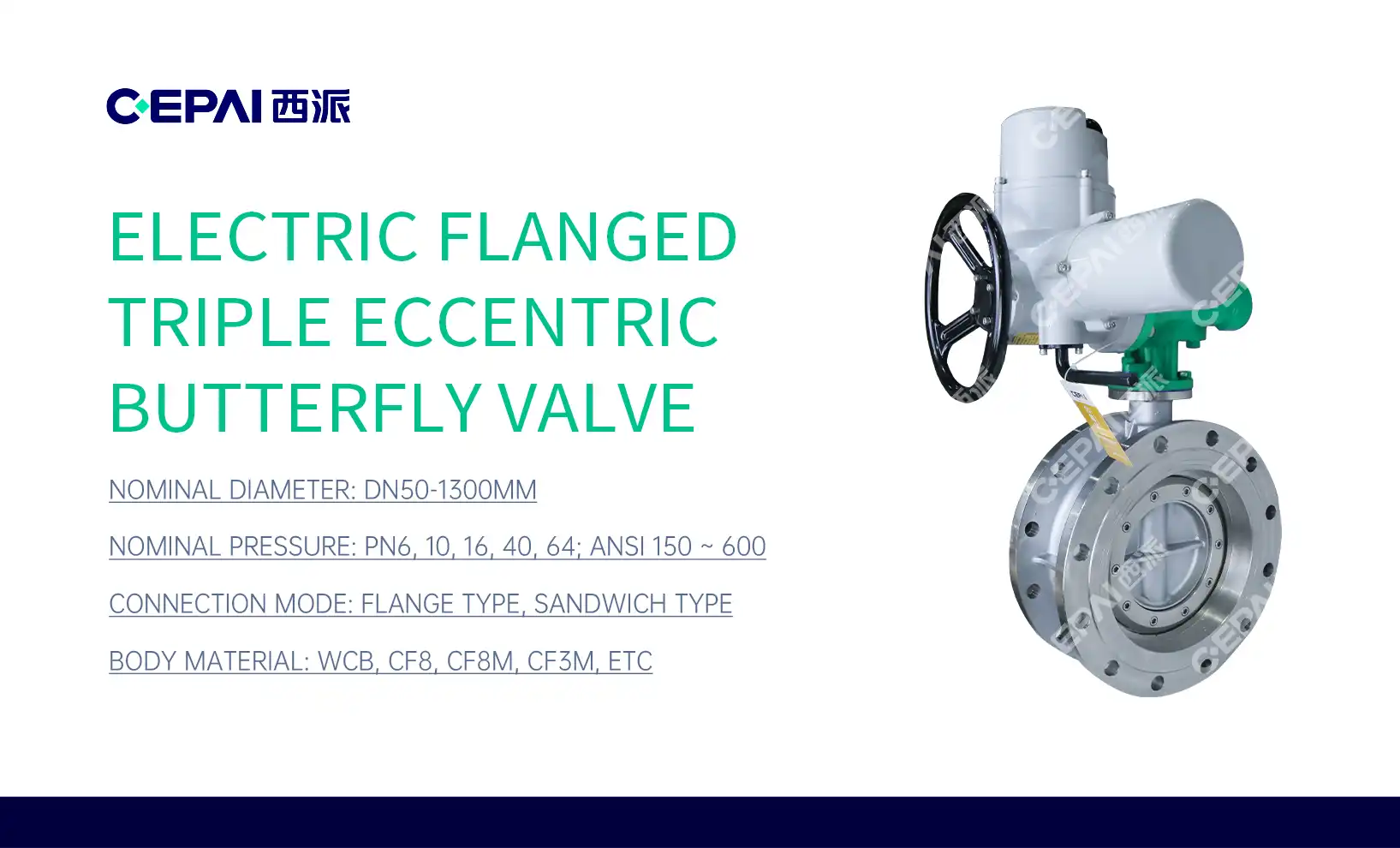
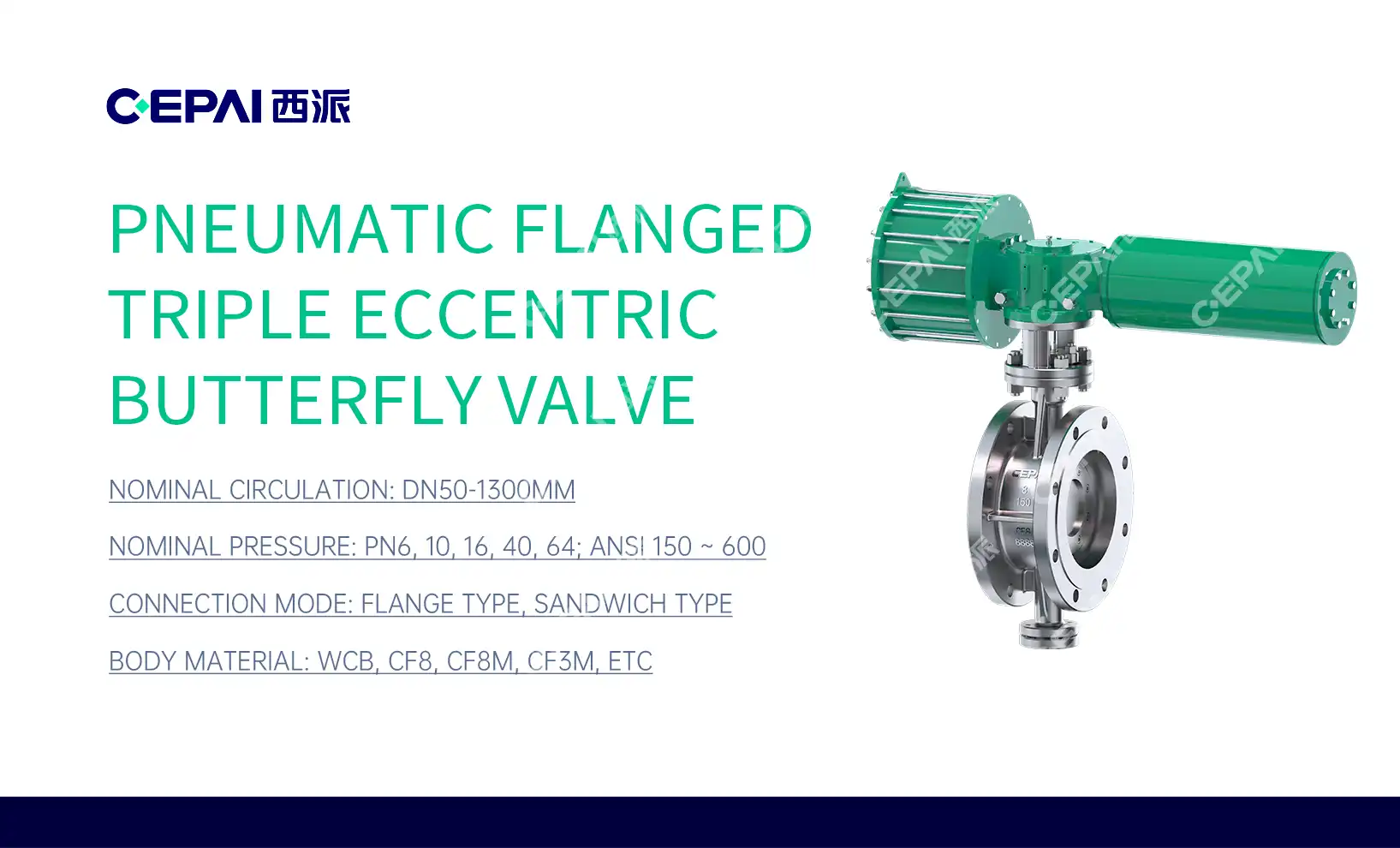
Three main butterfly valve designs are often used by water utilities, depending on their particular operating requirements. Wafer-style valves are perfect for situations with limited space because they may be installed compactly between pipe flanges. Threaded holes in lug-style designs enable independent flange removal without interfering with nearby pipe systems. For crucial isolation points and high-pressure applications, double-flanged arrangements provide the highest stability.
Water utility applications are dominated by resilient-seated butterfly valves because of their superior sealing qualities and affordability. These valves provide bubble-tight cutoff performance and can withstand pressures of up to 250 PSI. Variants with metal seats may withstand greater temperatures and pressures, but they usually need for more advanced materials and production techniques.
Industry Advantages and Operational Benefits
Water utilities have adopted butterfly valves due to a number of operational benefits that have a direct effect on system performance and maintenance costs. Comparing the lightweight design to gate or globe valves, the installation complexity and support structure needs are greatly reduced. Because a typical 24-inch butterfly valve weighs around 60% less than comparable gate valve designs, it requires less lifting equipment and may be installed more quickly.
Because of the straightforward mechanical design and the reduced number of moving components that are subject to wear, maintenance needs are kept to a minimum. The streamlined flow channel reduces pressure loss across the valve, and the quarter-turn action allows for quick response during emergency shutdowns. Because of these features, butterfly valves are especially well-suited for large-diameter applications where conventional valve types become expensive and difficult to use.
Why Brazil Water Utilities Prefer Sourcing Butterfly Valves from China
Competitive Pricing Without Quality Compromise
Chinese producers of butterfly valves have transformed the worldwide valve business by using cutting-edge production techniques that result in significant cost savings. When procuring from well-known Chinese vendors, Brazilian water utilities report significant savings; procurement prices are often 35–45% lower than those of conventional European suppliers. Competitive raw material procurement, effective supply chain management, and optimum production scales all contribute to these savings.
Despite competitive price arrangements, quality assurance is still crucial. Prominent Chinese producers have made significant investments in cutting-edge manufacturing facilities, international certifications, and quality control systems. Numerous facilities maintain AWWA C504, API 609, and ISO 9001 certifications, guaranteeing that the goods fulfill the exacting international requirements needed by Brazilian water utilities.
Manufacturing Capabilities and Product Diversity
The unmatched product variety of China's valve manufacturing industry allows utilities to purchase whole valve systems from a single provider. The sizes of butterfly valves produced by manufacturers range from 2 inches to 120 inches, covering almost all water utility uses. Carbon steel, stainless steel, ductile iron, and specialty alloys made for certain water chemistry conditions are among the available material alternatives.
Another important benefit for Brazilian utilities with particular application needs is the ability to customize. Changes in actuator mounting, unique coatings, non-standard pressure ratings, and bespoke materials are easily accommodated by Chinese manufacturers. This adaptability is especially helpful for upgrading already-existing infrastructure or fulfilling certain environmental compliance standards.
Supply Chain Reliability and Lead Time Management
Well-known Chinese valve producers have built strong worldwide supply networks that guarantee reliable delivery results for projects involving other countries. In order to meet the fluctuating demand patterns from Brazilian utilities, major suppliers keep strategic inventory positions and production capacity reserves. Standard items usually have lead periods of 6 to 12 weeks, with accelerated solutions available for urgent needs.
The use of digital supply chain management solutions has improved communication and transparency between Brazilian utilities and Chinese suppliers. Throughout the sourcing process, procurement personnel have complete insight thanks to real-time production tracking, quality documentation, and shipping monitoring technologies.
Comparative Analysis: Butterfly Valves Sourced from China vs Other Markets
Technology and Manufacturing Standards Comparison
By making calculated expenditures in R&D, Chinese butterfly valve technology has caught up to established markets. Similar to their European counterparts, modern Chinese manufacturing facilities make use of sophisticated CNC machining, automated welding systems, and precise casting technology. The use of continuous improvement procedures and lean manufacturing concepts has improved quality control and product uniformity.
Premium materials and conservative design techniques have always been prioritized by European manufacturers, leading to higher prices but remarkable lifespan. However, by implementing comparable material requirements and design standards and preserving cost advantages via operational efficiency, Chinese manufacturers have effectively closed this gap. Although they often struggle with lead times and cost competition, American manufacturers concentrate on specific applications and tailored solutions.
Performance and Reliability Assessment
According to field performance statistics from Brazilian water utilities, Chinese butterfly valves with the right specifications provide dependability on par with conventional providers. Chinese valves meet or beyond performance requirements for leakage rates, operating torque, and cycle life, according to independent testing conducted by water utilities. As a sign of their trust in the dependability of their products, several Chinese manufacturers now provide extended warranty schemes.
Accurate specifications and supplier selection, not the place of origin, are the primary differentiators. Established Chinese manufacturers with international certifications and proven track records consistently deliver products that meet performance expectations. Regardless of the sourcing location, good results are guaranteed by careful supplier assessment and precise technical standards.
Cost Structure and Total Ownership Analysis
In the majority of water utility applications, a total cost of ownership study shows that butterfly valves imported from China provide considerable benefits. Economic gains are further enhanced by lower shipping costs from key Chinese ports to Brazilian destinations, even if initial purchase prices represent the most evident savings. Numerous Chinese vendors have set up regional service networks or alliances that provide technical assistance and the availability of replacement parts.
According to appropriate installation and maintenance protocols, maintenance costs are similar across various sourcing sources. As Chinese manufacturers create regional service capabilities and increase their worldwide reach, the availability of spare parts and service assistance has greatly increased.
Procurement Considerations for Brazil Water Utilities
Supplier Qualification and Certification Requirements
Thorough supplier qualification procedures that assess financial soundness, production capacity, and quality systems are the first step in an efficient procurement process. Suppliers possessing relevant international certifications, such as ISO 9001, API 609, and AWWA standards, should be given preference by Brazilian utilities. Audits of manufacturing facilities provide important information on production capacities, quality assurance procedures, and ongoing improvement projects.
In order to guarantee adherence to Brazilian laws and utility standards, documentation requirements are essential. Comprehensive material certifications, dimensions inspection reports, performance test findings, and documentation of the quality management system must all be provided by suppliers. The capacity to provide documentation and assistance in Portuguese improves communication efficiency and lowers the possibility of miscommunication.
Contract Negotiation and Risk Management
In addition to addressing important technical and economic issues, successful procurement contracts should fairly divide risks among the involved parties. To safeguard utility interests, payment terms, delivery schedules, performance guarantees, and warranty requirements must be carefully considered. Letters of credit and progress payments in line with project milestones are only two examples of the flexible payment options that many Chinese suppliers provide.
Appropriate contract structures, hedging techniques, and butterfly valve supply agreements with volume guarantees often result in significant price savings while guaranteeing supply security for multi-year infrastructure projects. For crucial applications, extra risk mitigation is offered via force majeure clauses and alternate butterfly valve supply agreements.
Quality Assurance and Inspection Protocols
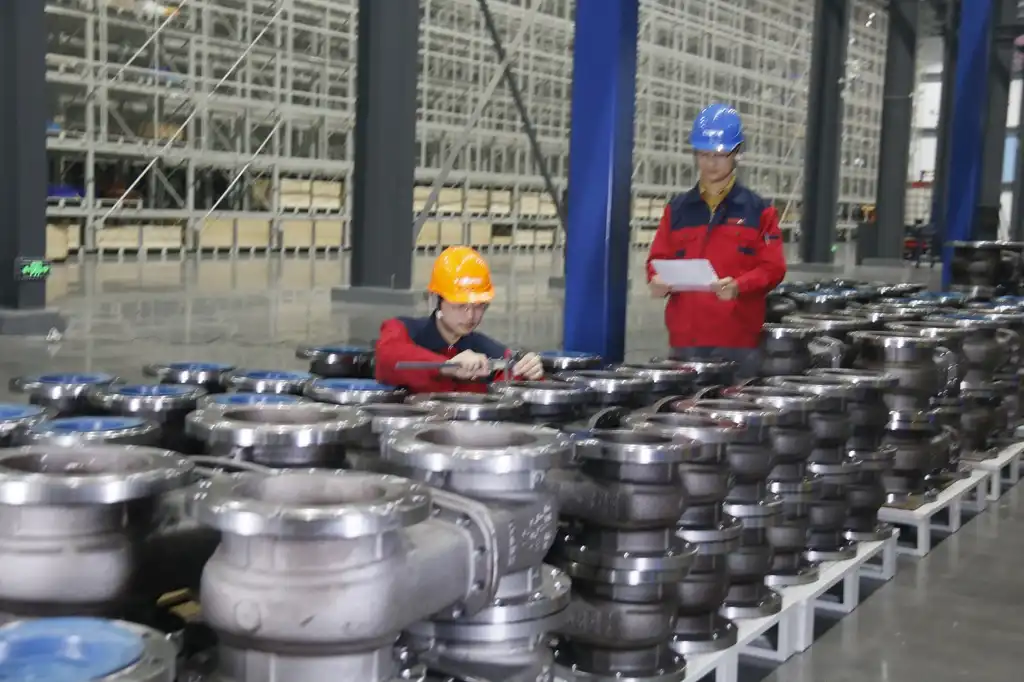
By putting strong quality assurance procedures in place, supplied goods are guaranteed to fulfill performance and specification criteria. Independent third-party pre-shipment inspection procedures provide unbiased confirmation of product conformity and quality. To lower the possibility of non-conforming goods, several utilities use local inspection services in China to confirm production quality prior to shipping.
Critical performance criteria such as operational torque measurement, leakage verification, pressure testing, and dimensional verification should all be covered by factory acceptance testing procedures. In the event that problems occur during installation or operation, thorough recording of test data and inspection findings supports warranty claims and offers traceability.
CEPAI: Your Trusted Partner for Premium Butterfly Valve Solutions
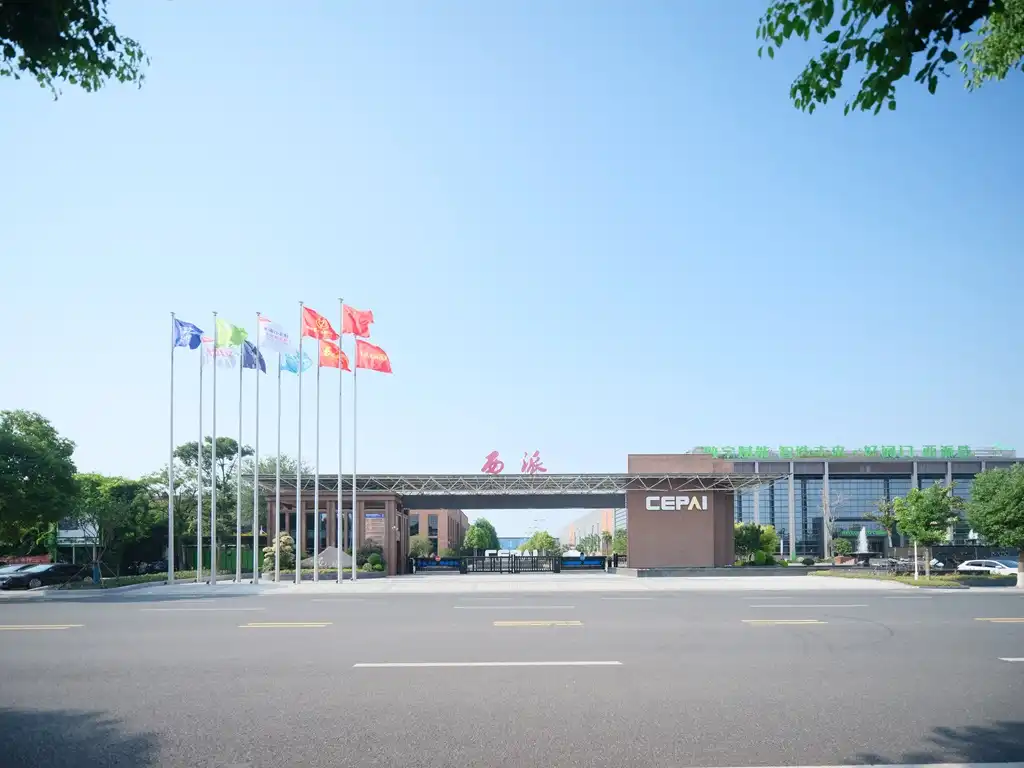
CEPAI stands at the forefront of valve manufacturing excellence, combining decades of engineering expertise with state-of-the-art production capabilities to deliver superior butterfly valve solutions for water utilities worldwide. Resilient-seated butterfly valves, metal-seated models, and pneumatically operated versions designed especially for water treatment and distribution applications are all included in our extensive product line. Through API Q1, ISO 9001, and several international certifications, the firm maintains strict quality standards that guarantee each valve satisfies the exacting specifications of Brazilian water utilities.
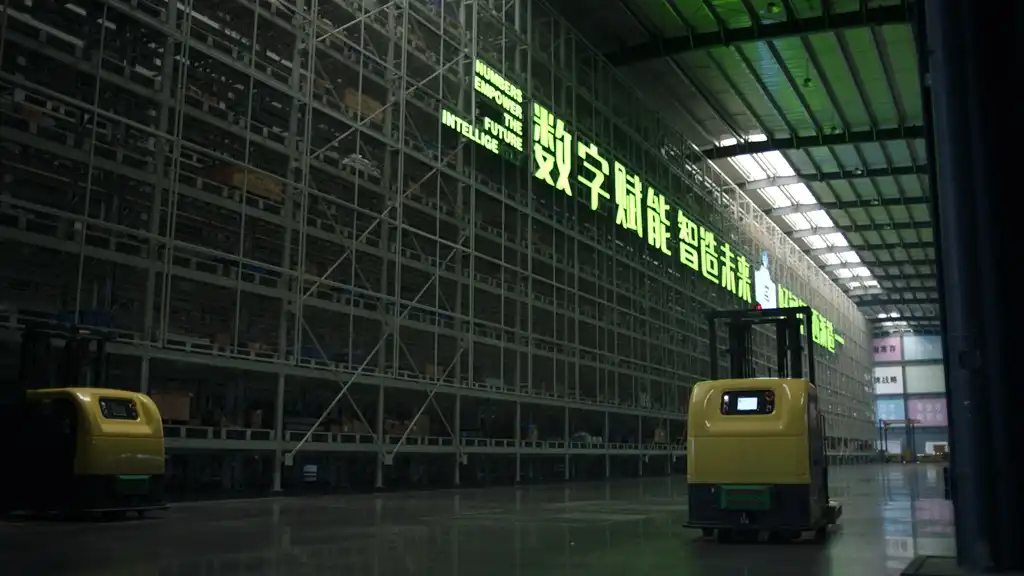
In order to provide constant quality and dimensional accuracy, our production facilities make use of sophisticated CNC machining centers, automated welding systems, and precision casting technologies. To provide specialized solutions that tackle particular operating issues and environmental circumstances, the engineering team works directly with clients. CEPAI offers complete technical assistance from original specification to installation and commissioning, regardless of whether you need conventional AWWA C504 butterfly valves or customized designs for particular applications.
Beyond product delivery, the dedication to client success is shown by the extensive after-sales service, which includes technical advice, maintenance instruction, and quick access to replacement parts. Throughout the valve lifespan, Brazilian utilities are guaranteed prompt help and support thanks to our worldwide service network. To explore your unique needs and learn how CEPAI butterfly valve solutions can maximize your water utility operations while providing outstanding value and dependability, get in touch with our technical team at cepai@cepai.com.
Conclusion
Brazilian water utilities are nevertheless aware of the significant benefits of purchasing butterfly valves from Chinese producers, who are motivated by strong cost reductions, improved quality, and improved service capabilities. The development of China's valve manufacturing industry has removed long-standing quality issues while preserving notable cost savings that allow utilities to maximize infrastructure expenditures. Clear technical specifications that guarantee delivered items satisfy performance requirements, thorough quality assurance processes, and cautious supplier selection are all necessary for successful procurement. Brazilian water utilities looking for dependable, reasonably priced valve solutions that promote long-term operational excellence choose Chinese vendors because of their competitive pricing, flexible production, and enhanced service support.
FAQ
1. What advantages do butterfly valves offer over other valve types for water utilities?
Butterfly valves provide several key advantages including lightweight construction, compact installation footprint, and minimal pressure drop characteristics. The quarter-turn operation enables rapid response during emergency situations, while the simple mechanical design reduces maintenance requirements and operational costs. These benefits make butterfly valves particularly suitable for large-diameter applications where traditional valve types become expensive and complex to operate.
2. How do Chinese butterfly valves compare to European or American alternatives in terms of quality?
Modern Chinese butterfly valves from established manufacturers meet the same international standards as European and American counterparts, including API 609, AWWA C504, and ISO certifications. Independent testing and field performance data demonstrate comparable reliability and performance when proper supplier selection and specification practices are followed. The key differentiator lies in supplier evaluation rather than country of origin.
3. What certifications should Brazilian utilities require when sourcing butterfly valves from China?
Essential certifications include ISO 9001 for quality management systems, API 609 for butterfly valve performance standards, and AWWA C504 for water utility applications. Additional certifications such as API Q1, CE marking, and NSF 61 for potable water applications provide further quality assurance. Suppliers should also provide comprehensive material certificates and dimensional inspection reports.
Contact CEPAI for Your Butterfly Valve Requirements
Ready to optimize your water utility operations with premium butterfly valve solutions? CEPAI offers comprehensive consultation services to help you select the ideal valve configurations for your specific applications. Our experienced engineering team provides detailed technical analysis, product recommendations, and customization options that ensure optimal performance and value. Request your complimentary project evaluation and competitive quotation today by contacting our team at cepai@cepai.com for comprehensive product information. Experience the CEPAI difference through superior butterfly valve manufacturer expertise, reliable delivery performance, and exceptional customer support that exceeds your expectations.
References
1. Silva, R.M., et al. "Comparative Analysis of Valve Procurement Strategies in Brazilian Water Infrastructure Projects." Brazilian Journal of Water Resources Management, 2023.
2. Zhang, L. and Santos, C.A. "Quality Assessment of Chinese-Manufactured Industrial Valves in Latin American Markets." International Valve Manufacturing Review, 2023.
3. Brazilian Association of Water Utilities. "Procurement Guidelines for Import Valve Systems: Technical Standards and Supplier Qualification." ABCON Technical Publication, 2022.
4. Chen, W.H. "Evolution of Chinese Valve Manufacturing: Quality Improvements and Global Market Penetration." Asian Manufacturing Technology Journal, 2023.
5. Rodriguez, M.F. "Cost-Benefit Analysis of International Valve Sourcing for Water Treatment Facilities." Water Infrastructure Economics Quarterly, 2022.
6. International Water Association. "Global Trends in Water Utility Procurement: Emerging Markets and Supply Chain Optimization." IWA Technical Report, 2023.
_1746598531170.webp)
Get professional pre-sales technical consultation and valve selection services, customized solution services.

About CEPAI