When operations at a refinery need to precisely control flow, the design of the control valve becomes very important for keeping the process stable and running efficiently. Globe valves always provide the most stable flow performance in refining settings because they have linear flow features, exact stopping capabilities, and better control accuracy when pressure conditions change. These valves work great in situations where small flow adjustment is needed. This makes them the best choice for important industrial processes where stable flow affects both product quality and safety. The special cage-guided trim design in globe valves reduces flow turbulence while offering great rangeability. This makes sure that the valves work the same way in all the different working situations that are common in modern refineries.

Understanding Control Valve Designs for Stable Flow
Control valves are the most important part of process control systems in refineries. They precisely control flow rates, pressures, and temperatures. The basic operation depends on mechanical parts working together: motors provide the moving force, positioners make sure the parts are in the right place, and special trim designs control the flow characteristics to keep things stable and reduce problems.
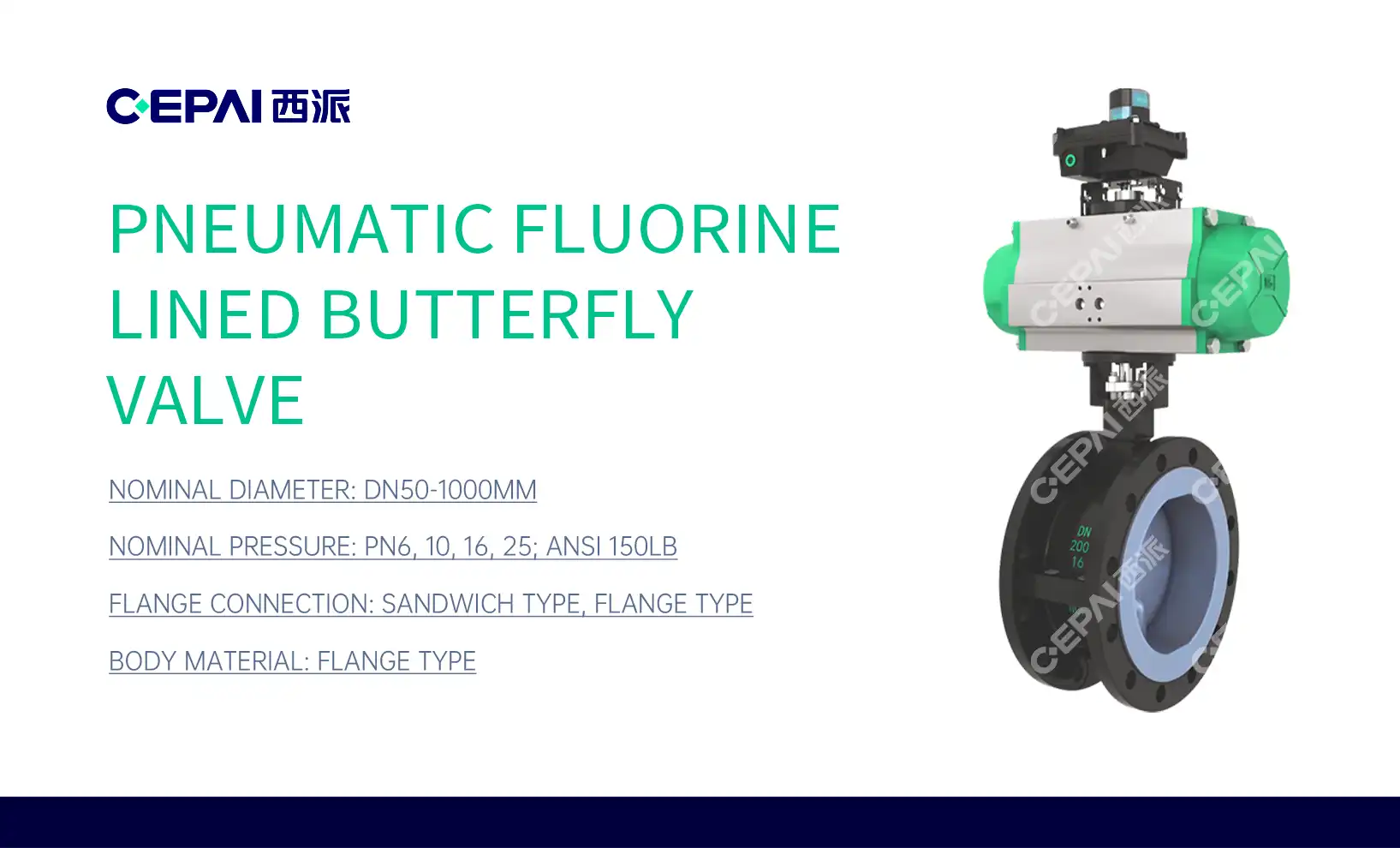
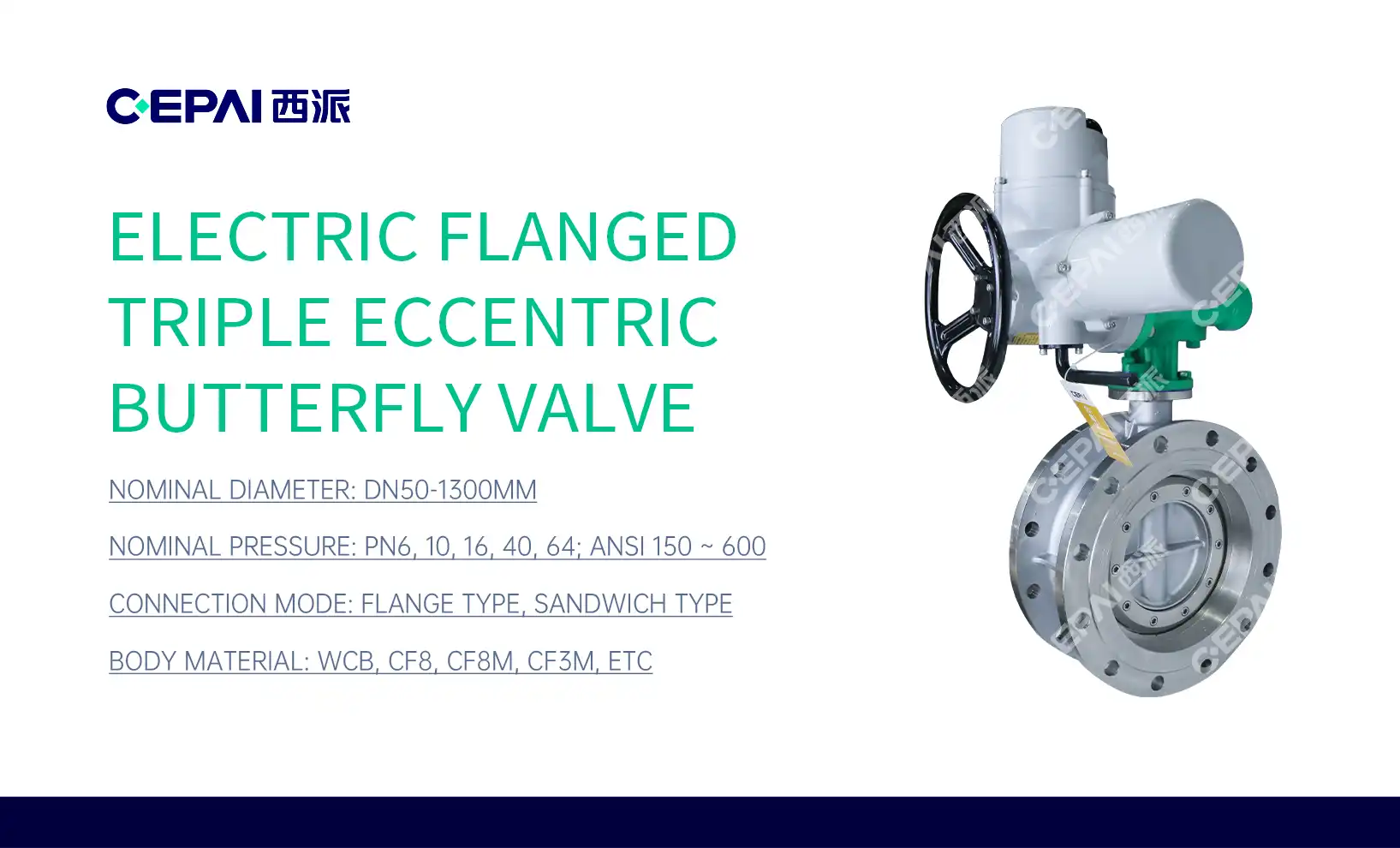
In refineries, engineers usually come across three main types of valve designs. Globe valves have a linear motion design, which means that the plug moves perpendicular to the flow path. This makes it easy to slow down the flow and keep it stable. Ball valves use a spinning sphere with a hole in it to control flow. They can shut off very tightly but can't precisely slow down flow. Butterfly valves use a spinning disc to direct flow. They are a cheap way to do this, and they work well for less important tasks.
The right valve size is very important for keeping practical problems that threaten flow steadiness to a minimum. When valves are too small, they work close to wide-open, which makes control less effective and increases the chance of process upsets. When valves are too big, they work in almost closed positions, which makes control less accurate and increases wear on valve parts. These size issues have a direct effect on things like cavitation and choked flow, which cause noise, shaking, and equipment failures that happen too soon in refinery systems.
Key Factors Affecting Flow Stability in Refinery Control Valves
Flow stability in refineries depends on a lot of different factors that are all linked and must be carefully balanced by engineers. The pressure drop across the control valve has a big effect on how well the control works and how well the system works generally. Too much pressure drop makes unstable conditions that make flow patterns less stable, and not enough drop makes the valve less sensitive to control signals and less able to control itself.
Flow stability in modern refineries has been changed a lot by new trim technologies. Multi-stage pressure reduction trims lower fluid pressure gradually through a number of restriction points, which keeps noise and turbulence to a minimum. Characterized control cuts change the flow patterns to get certain control characteristics. This makes the process more stable when conditions change. Anti-cavitation cuts control pressure recovery after the valve limit to stop damaging cavitation.
Choosing between gas and electric actuators has a big effect on how well flow control works. Pneumatic valves are great for critical safety uses because they can respond quickly and can always work because they have spring-return mechanisms. Electric valves allow for precise placement and don't need an air source, so they work consistently in situations where precise flow control is needed. To make sure the valve works reliably for its whole life, the actuator's size needs to take into account the valve's torque needs, the process pressures, and safety concerns.
The choice of material takes into account the hard conditions that are common in industrial processes. Stainless steel parts don't rust when they come into contact with process fluids, and they stay mechanically sound even when heated to high temperatures. Specialized metal can handle harsh chemicals and changes in temperature. Surface treatments and coats guard against wear and tear, rust, and chemical attack, which makes parts last longer.
Comparative Analysis: Which Control Valve Design is Most Suitable for Stable Flow in Refineries?
When it comes to important industrial uses, globe valves are the best choice because they have the best flow steadiness. Their straight flow path design makes pressure drop relationships that can be predicted. This lets you do accurate flow calculations and fine-tune your control system. The guided plug design keeps the flow patterns stable even when the difference pressures are high. This stops the flow instability that happens with other valve types.
Globe valves have great control power across their entire working range because of the way they naturally handle flow. Engineers can change the trim design to create linear and uniform percentage flow patterns. This lets them fit the valve reaction to the needs of the process. This versatility comes in very handy in refineries, where process conditions change a lot between modes of operation.
Ball valves have great cutoff capabilities and don't need much upkeep, but their flow features make them less useful in situations where accurate flow adjustment is needed. Because ball valves open quickly, it can be hard to keep the flow under control, especially when there are big drops in pressure or fluids that can be compressed, which happens a lot in industrial processes.
Butterfly valves are a cheap option for large-diameter uses where fine control is not as important. But when the pressure drops, their flow properties don't change linearly. This makes control difficult in situations where stable flow performance is needed. The offset disc shape can cause flow problems that make sensitive refining processes less stable.
Process media suitability is a very important factor in choosing a valve. Materials that can withstand hydrogen sulfide weathering and temperature cycles are needed for hydrocarbon services. For steam uses, parts must be able to handle temperature shock and the formation of condensation. Materials must be chosen based on their ability to withstand certain chemicals and temperatures in order to be used in chemical production lines.
Maintenance and Troubleshooting to Sustain Valve Performance and Flow Stability
As long as the control valve is in use, the flow will stay stable thanks to proactive upkeep methods. Critical wear spots, such as packing systems, actuator parts, and trim elements, should be the focus of regular inspections. Visual checks find leaks, rust, and mechanical damage on the outside of something before they affect how well it works.
Monitoring performance with process control tools lets you know early on when problems are starting to happen. Changes in the way a valve responds to control loop analysis show that the valve is internally worn out or damaged. Monitoring the actuator stroke finds mechanical binding or air supply problems that affect the accuracy of valve setting.
Process swings, control valve hunting, and sudden changes in pressure downstream of the valve are all common signs of flow instability. These problems usually happen because the valve wasn't tuned right, the parts are wearing out, or the process conditions changed in a way that messed up the estimates for valve size. Systematic methods to fixing help find the root causes and take effective steps to fix problems.
Good handling of the collection of extra parts makes sure that repair needs are met quickly. OEM-certified parts keep the design specs and performance traits that are necessary for stable flow. Strategic spare parts stocking includes things like packing sets, actuator diaphragms, and trim components that are often changed. This is done by looking at what has broken down in the past and what the maker suggests.
Practical Guide to Selecting and Procuring Control Valves for Refineries
To choose the right valve, you must first do a full study of the process, which should include flow rates, pressure conditions, temperature ranges, and the fluid's qualities. When figuring out the size of a control valve, the highest and lowest flow rates must be taken into account. This makes sure that the range is wide enough to allow for stable control in all situations. For safety reasons, you need to look at the fail-safe standards and emergency stop options.
Strategies for buying things should stress that suppliers can do more than just meet product standards. Long-term control valve performance and upkeep costs are greatly affected by the availability of technical help, engineering advice services, and local service options. standard control systems and supplier approval programs make sure that the standard and dependability of the products are always the same.

Here are the most important things to think about when buying valves for refineries:
- API and ISO approval requirements make sure that safety rules and business standards are followed.
- Customization options for specific process needs, such as special materials, trim designs, and actuator configurations
- Timelines for deliveries that are in line with project goals and repair windows for turning around work
- Terms of the warranty that cover performance promises and plans to repair parts
These buying factors have a direct effect on the success of the project and the costs of running it in the long term. Facility audits, quality system reviews, and reference checks with refining applications similar to the one being used should all be part of a thorough provider evaluation process.
Conclusion
Globe valves are the best choice for stable flow control in industrial settings because they can precisely slow down flow and give you a lot of control over it even when conditions change. Their guided trim designs and linear flow features keep noise to a minimum while increasing control accuracy. These are important factors for keeping processes stable in crucial refining operations. For execution to go well, care must be taken with the valve's size, the motor it uses, and the upkeep methods that keep it working well for as long as it's supposed to. Operators can get the flow stability they need for safe, efficient, and profitable refinery operations by working with experienced providers who know what the refinery needs and can offer full technical support.
FAQs
What makes globe valves more stable than other control valve designs in refinery applications?
Globe valves provide superior stability through their linear flow path design and guided plug mechanism, which creates predictable pressure drop characteristics and minimizes flow turbulence. The cage-guided trim design maintains consistent flow patterns even under high differential pressures, preventing the hunting and oscillation common with other valve types in refinery processes.
How often should control valves be inspected and maintained in refinery environments?
Inspection frequency depends on service severity and process conditions, typically ranging from quarterly visual inspections for critical applications to annual comprehensive maintenance for standard services. High-temperature, corrosive, or erosive services may require more frequent attention, while clean utility services can operate with extended maintenance intervals.
Can pneumatic actuators provide stable control in high-pressure refinery applications?
Yes, properly sized pneumatic actuators with quality air supply systems deliver excellent control stability in high-pressure applications. The key factors include adequate air pressure margin above process pressure, properly sized actuator diaphragms, and high-quality positioners that compensate for supply pressure variations and friction effects.
Partner with CEPAI for Superior Control Valve Solutions
CEPAI stands at the forefront of industrial valve manufacturing, delivering cutting-edge control valve solutions specifically engineered for refinery and petrochemical applications. Our comprehensive product portfolio encompasses advanced globe valves, precision ball valves, and specialized regulating valves designed to meet the demanding requirements of modern refinery operations. With API6A, API6D, and ISO9001 certifications, CEPAI ensures every control valve meets the highest industry standards for quality and performance.
Our engineering expertise extends beyond standard product offerings to provide customized solutions tailored to unique process requirements. Whether you need high-pressure control valves for upstream applications or precision regulating valves for downstream processes, CEPAI's technical team collaborates with clients to develop optimal flow control solutions. Our sleeve-type regulating valves and throttle valves have earned recognition from international engineering companies for their exceptional stability and reliability in critical refinery applications.
Ready to enhance your refinery's flow control performance? Contact our technical specialists to discuss your specific requirements and explore how CEPAI's advanced control valve technology can optimize your operations. Reach out to our engineering team at cepai@cepai.com for detailed technical consultations, custom valve specifications, and competitive control valve supplier pricing.

References
Smith, J.R., and Thompson, M.K. "Control Valve Performance in Petroleum Refining Applications." Journal of Process Control Engineering, Vol. 45, No. 3, 2023, pp. 178-195.
Anderson, P.L., et al. "Flow Stability Analysis of Industrial Control Valves in High-Pressure Applications." International Conference on Process Control Technology Proceedings, 2022, pp. 234-249.
Williams, R.S. "Advanced Trim Design for Enhanced Flow Control in Refinery Applications." Hydrocarbon Processing Magazine, Vol. 98, No. 7, 2023, pp. 67-74.
Chen, L.W., and Rodriguez, M.A. "Comparative Study of Control Valve Designs for Petrochemical Process Stability." Chemical Engineering Research Quarterly, Vol. 29, No. 2, 2023, pp. 145-162.
Taylor, K.D. "Maintenance Strategies for Control Valves in Refinery Environments." Process Safety and Environmental Protection, Vol. 156, 2022, pp. 89-103.
Johnson, B.M., et al. "Actuator Selection Criteria for Stable Flow Control in Petroleum Processing." Industrial Automation and Control Systems Review, Vol. 31, No. 4, 2023, pp. 112-128.
_1746598538016.webp)