Top Low-Cost Butterfly Valve Options in China for Africa
Procurement managers looking into the best low-cost butterfly valve choices in China for Africa find that Chinese producers have transformed the valve market by providing dependable, reasonably priced solutions without sacrificing quality requirements. Chinese companies' butterfly valve technology is especially appealing for African industrial projects because it combines cutting-edge innovation with affordable prices. These valves include revolving disc mechanisms that effectively regulate fluid in a variety of applications, including water treatment plants and oil and gas operations. By manufacturing butterfly valves that satisfy international standards while retaining the price necessary for African market demands, Chinese manufacturers have made a name for themselves as worldwide leaders.
Understanding Butterfly Valves: Key Concepts and Applications
A butterfly valve's basic concept revolves around a revolving disk that regulates fluid flow by making quarter-turn movements. Because of their sophisticated technical design, butterfly valves are especially well-suited for applications that need dependable performance and frequent operation. With just 90 degrees of rotation, the disc may go from completely closed to fully open positions on a central stem, offering the quick reaction times necessary for industrial process management.
Core Components and Operating Principles
The performance characteristics of contemporary butterfly valves are determined by a number of essential components. The revolving disc is housed in the valve body, which also offers connections to pipeline systems. The flow rate via the valve is determined by the position of the disc, which serves as the main flow control element. The stem connects the disc to external actuators, such as pneumatic systems, electric motors, or handwheels. When the valve is closed, sealing rings guarantee a tight closure, preventing undesired leakage that might reduce system performance.
The performance of the valve is greatly influenced by the seat design, especially in applications that include abrasive media or very high or low temperatures. Chinese producers have created cutting-edge sealing methods that increase dependability while keeping costs down. Resilient seat materials that can tolerate chemical exposure and temperature fluctuations typical of African industrial settings are among these advancements.
Industrial Applications Across African Sectors
Butterfly valves are widely used in a variety of applications by African industries, demonstrating the adaptability of these flow control devices. Butterfly valves are used in water treatment facilities to control flow rates in distribution networks, filtration systems, and chemical dosing applications. These valves are used in the mining industry for tailings disposal, process water management, and slurry handling systems. Butterfly valves are used in pipeline systems, processing plants, and storage tank applications in the oil and gas industry.
Another important use field is agriculture, where butterfly valves regulate animal watering installations, fertilizer injection systems, and irrigation water distribution. These valves are used in ash management procedures, fuel handling applications, and cooling water systems in power plants. Butterfly valves' adaptability allows them to be used in a variety of settings and yet maintain the dependability needed for continuous operation.
Top Low-Cost Butterfly Valve Types from China for African Buyers
Chinese producers provide a wide variety of butterfly valve layouts that satisfy various industrial needs at cheap prices. From simple flow separation to complex process control tasks, these valve types cater to particular application requirements. Procurement managers can choose the best options for their particular needs by knowing the features of each kind of valve.
Wafer-Type Butterfly Valves for Compact Applications
One of the most often used designs for applications needing affordable and small-footprint installation is the wafer-type butterfly valve. Because of their simplified design, which fits between pipeline flanges, these valves do not need special valve flanges, which lowers system costs overall. The lightweight design preserves dependable sealing performance while streamlining installation processes.
Wafer valve designs have been refined by Chinese manufacturers to provide exceptional value for applications in Africa. Without sacrificing performance criteria, the lower material needs result in cheaper prices. These valves perform very well in HVAC systems, water treatment applications, and other industrial processes where financial and spatial limitations are crucial concerns. The straightforward installation procedure decreases downtime during maintenance tasks and lowers labor expenses.
Lug-Type Butterfly Valves for Enhanced Durability
Compared to wafer versions, lug-type butterfly valves include threaded inserts that provide more mounting flexibility and improved durability. By allowing valve removal without interfering with downstream pipe, this layout enables dead-end service and makes maintenance operations simpler. These valves are especially well-suited for demanding industrial applications due to their sturdy design.
Lug-type valves are somewhat more expensive than wafer counterparts, but their increased longevity makes up for it. These valves are made by Chinese producers using premium materials and precise production techniques that guarantee dependable operation in demanding conditions. Isolating individual valve parts lowers system downtime and streamlines maintenance processes, offering long-term cost advantages that balance out initial investment discrepancies.
Electric vs. Manual Actuated Options
The decision between electric and manual actuation is based on budgetary constraints, automation requirements, and particular application requirements. In situations where frequent changes are not necessary, manual butterfly valves enable dependable functioning at the lowest initial cost. For isolation services and applications where local operation is permitted, these valves are perfect.
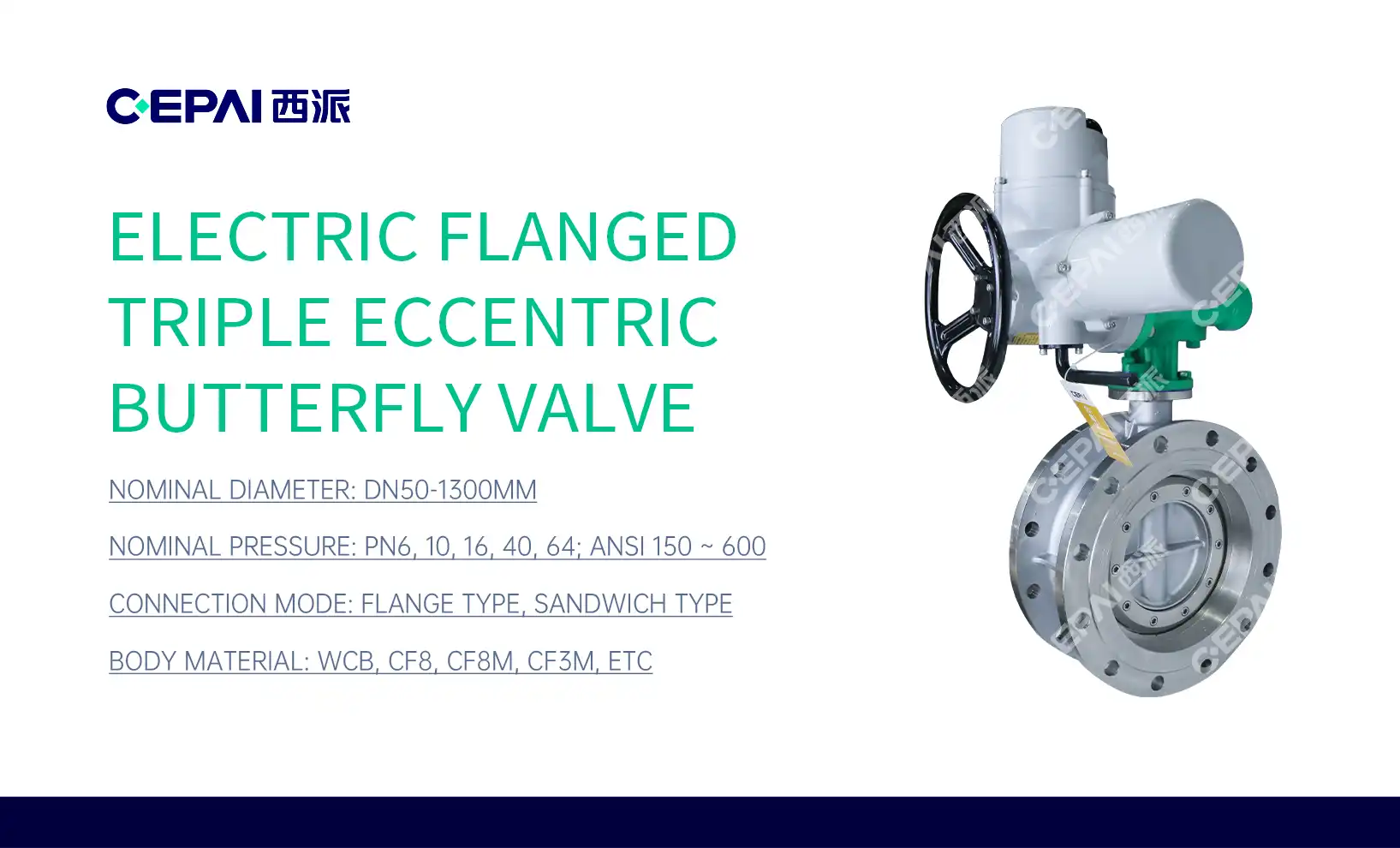
Butterfly valves with electric actuators may be operated remotely and can be integrated with automated control systems. These butterfly valve save labor costs and provide for accurate flow control in process applications, despite their greater initial cost. Chinese producers provide modular actuator designs that are flexible enough to adapt to changing operating needs and enable future upgrades from manual to electric operation.
Material Selection for African Operating Conditions
In African industrial settings, material choice has a major influence on valve life and performance. For typical industrial services and water applications with mild corrosion resistance requirements, cast iron butterfly valves provide exceptional value. For locations with harsh media and chemical processing applications, stainless steel choices provide exceptional corrosion resistance.
For many African applications, ductile iron is a good option since it strikes a compromise between strength and affordability. Chinese producers create materials that satisfy international requirements at reasonable prices by using sophisticated metallurgical procedures. Customization for certain media compatibility needs is made possible by the availability of a variety of liner materials.
How to Choose the Right Butterfly Valve for African Projects
A number of elements that affect both initial performance and long-term dependability must be carefully considered while choosing the right butterfly valves. The decision-making process must ensure adherence to pertinent industry standards while striking a balance between technical needs and financial restrictions. By reducing maintenance needs and increasing operational effectiveness, a well-chosen valve helps a project succeed.
Technical Specification Analysis
An extensive examination of working circumstances, such as pressure ratings, temperature ranges, and media properties, is the first step in the valve selection process. African applications often include harsh climatic circumstances that call for valves that can tolerate dust exposure, severe temperatures, and fluctuating operating pressures. Procurement managers may select suitable valve designs that provide dependable service for the duration of their intended lifetime by having a thorough understanding of these criteria.
Another important factor to take into account is flow characteristics, as various disc designs provide variable pressure drop characteristics and flow coefficients. Characterized disc profiles that provide linear flow relationships may be useful for applications needing exact flow control. Tight shutdown capabilities may take precedence over precise flow control in isolation situations. Different disc designs that maximize performance for certain application needs are available from Chinese manufacturers.
Supplier Evaluation and Certification Requirements
Assessing production capabilities, quality control systems, and certification compliance are all part of the evaluation process for possible butterfly valve suppliers. Reputable Chinese producers of butterfly valves uphold extensive quality control procedures that guarantee reliable product performance. Butterfly valve product quality and conformance with international industrial norms are guaranteed by international certifications like API, AWWA, and ISO standards.
For African purchasers, after-sales support skills are essential because dependable technical support guarantees optimum valve performance throughout the course of the equipment lifespan. Chinese vendors have created international support networks that provide maintenance help, spare parts availability, and professional advice. Long-term operational performance is impacted by the quality of supplier documentation, including installation manuals and maintenance protocols
Cost-Performance Balance Optimization
Instead of concentrating just on the initial purchase price, entire ownership expenses must be taken into account in order to achieve the best possible cost-performance balance. Although premium butterfly valves may cost more, they provide greater dependability and a longer service life, which lowers maintenance and downtime costs. Chinese producers provide a range of quality levels so that consumers may choose goods that meet their unique needs and financial limitations.
When choosing a provider, consideration should be given to the availability of local service support since it affects long-term expenses. Suppliers with well-established distribution networks in Africa can respond to requests for technical assistance and replacement components more quickly. By lowering maintenance-related downtime and logistical costs, this local presence lowers the overall cost of ownership.
Procurement Insights: Where and How to Buy Butterfly Valves from China
Strategic preparation is necessary for the Chinese butterfly valve procurement process in order to minimize the risks involved with foreign sourcing and guarantee good results. African buyers may maximize their procurement strategy by comprehending accessible sourcing channels, supplier assessment criteria, and logistical factors. Good procurement procedures guarantee prompt delivery of high-quality goods at affordable costs, which helps projects succeed.
Supplier Identification and Evaluation Strategies
Researching production capabilities, product portfolios, and market reputation is necessary to find competent suppliers. Well-known Chinese valve producers usually have an extensive web presence with full product details, certification records, and project implementation case studies. Direct supplier interaction and product assessment are made possible by industry trade events and exhibits.
Verification of production facilities, quality control systems, and financial soundness should all be part of due diligence operations. Third-party audits or site inspections provide information about real production capacities and quality control procedures. Referrals from current clients, especially those with comparable applications, provide insightful information about the dependability and performance of suppliers. Internationally seasoned Chinese manufacturers are aware of the demands of the global market and provide excellent assistance for worldwide projects.

Direct Engagement vs. Platform Sourcing
Benefits of working directly with manufacturers include improved butterfly valve technical assistance, more affordable prices, and more customization options. Long-term support needs as well as initial purchase benefit from continued cooperation made possible by established ties with manufacturers. Technical talks that guarantee appropriate product specification and application optimization are facilitated by direct connection.
Although online sourcing platforms provide ease and access to a variety of vendors, they may also restrict the availability of technical assistance and customization choices. These platforms may not provide the thorough technical consulting needed for complicated applications, but they are helpful for basic items with well specified specs. The complexity of the project, the need for customisation, and the buyer's prior expertise with foreign procurement all influence the decision between direct and platform sourcing.
Logistics and Import Considerations
Effective logistics planning minimizes the expenses and hassles of overseas shipment while guaranteeing on-time delivery. Project schedule delays may be avoided by being aware of import laws, tariff structures, and customs processes. Chinese vendors with knowledge of African marketplaces provide insightful advice on shipping choices, paperwork needs, and legal compliance.
By increasing cargo density and lowering handling needs, container optimization lowers transportation costs. Combining various valve sizes and kinds into consolidated shipments offers economies of scale that lower project costs overall. Insurance coverage offers financial security for important cargo as well as protection against transportation dangers. The logistics process is streamlined and possible issues are minimized by working with seasoned freight forwarders that are knowledgeable with African import regulations.
Company Introduction and Products Overview
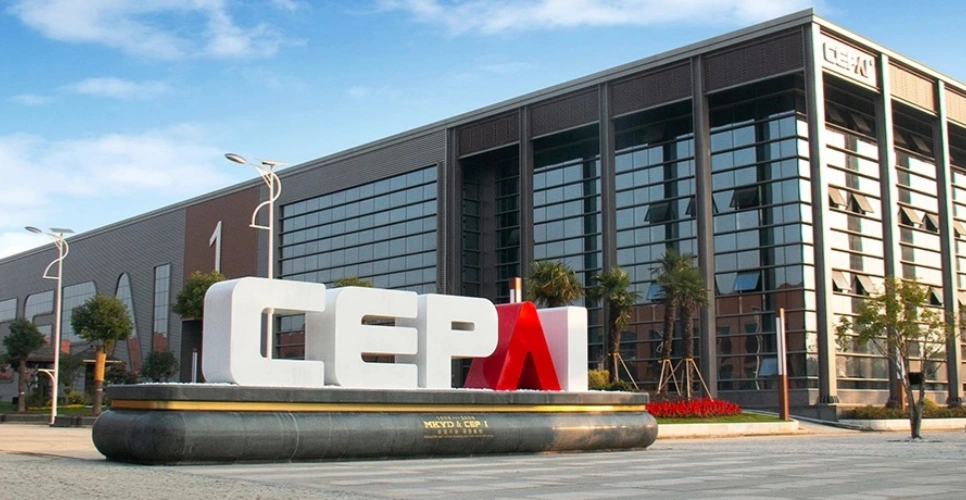
CEPAI is a prominent high-tech company that specializes in flow control systems, pipeline valves, and wellhead equipment for the oil and gas sector. Major engineering firms and oilfield service organizations throughout the globe have recognized our dedication to quality and innovation. The company's extensive certifications, which show our commitment to quality, include APIQ1, API6A, API6D, API16C, API602, ISO9001, ISO14001, ISO45001, ISO3834, ISO17025, CE, and PR2 standards.
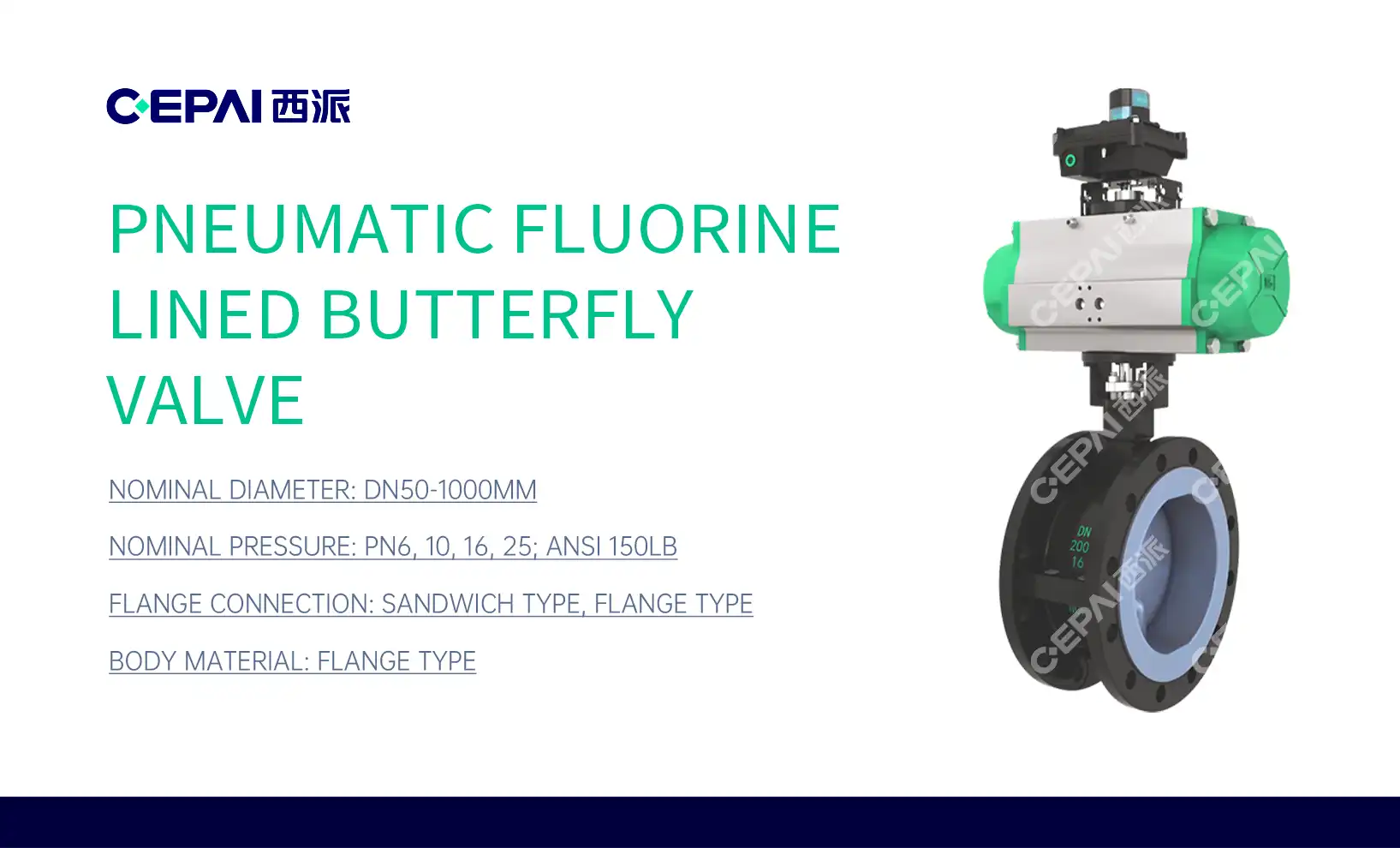
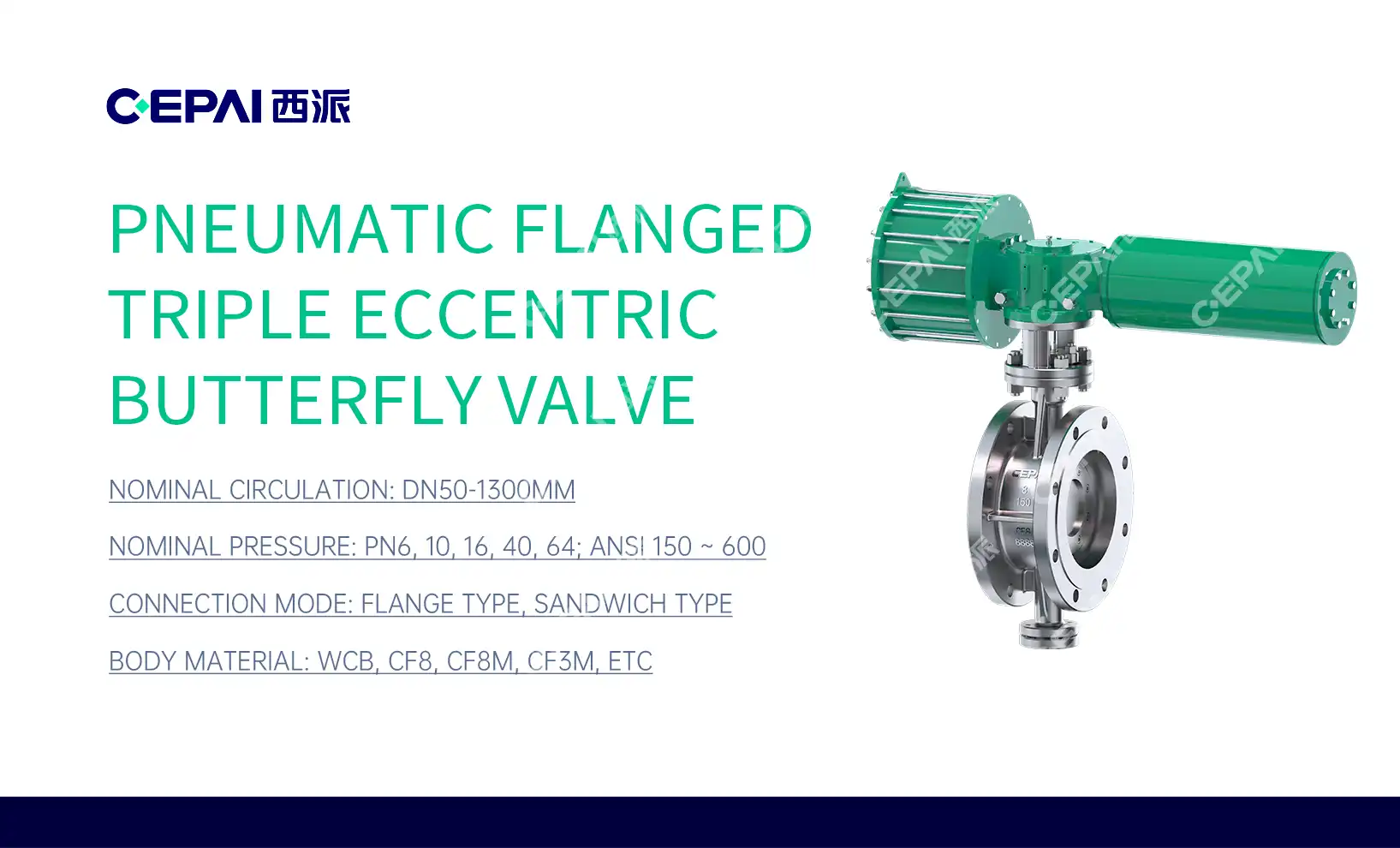
Our product range of butterfly valves includes a variety of designs that are intended to satisfy the exacting needs of industrial applications in Africa. Cast iron, ductile iron, and stainless steel are among the materials we use to make wafer-type, lug-type, and flanged butterfly valves. To meet various operating needs and automation levels, these valves come with manual, electric, or pneumatic actuation systems.
The CEPAI technical team has created valve solutions that cater to particular regional needs and is aware of the particular difficulties African companies face. In order to guarantee dependable performance in demanding environmental circumstances, our products go through extensive testing methods. Before a valve is sent to a client, quality control systems make sure it satisfies predetermined performance standards.
Conclusion
The butterfly valve market in China offers African buyers exceptional opportunities to source high-quality flow control solutions at competitive prices. Chinese manufacturers have demonstrated their ability to produce valves that meet international standards while maintaining the cost-effectiveness essential for African industrial development. Understanding valve types, application requirements, and supplier capabilities enables procurement managers to make informed decisions that optimize both performance and value.
Successful procurement requires careful evaluation of technical requirements, supplier qualifications, and total ownership costs. The diversity of available valve configurations ensures suitable solutions for virtually any application, from basic isolation services to sophisticated process control requirements. Chinese manufacturers' commitment to quality improvement and customer support continues to enhance the value proposition for African buyers seeking reliable flow control solutions.
FAQs
1. What are the main differences between wafer and lug butterfly valves?
Wafer butterfly valves feature a compact design that fits between pipeline flanges, offering cost-effective installation for applications with space constraints. Lug butterfly valves incorporate threaded mounting holes that provide additional installation flexibility and enable dead-end service capabilities. The lug design facilitates easier maintenance procedures and provides enhanced durability for demanding applications.
2. How do I determine the appropriate valve size for my application?
Valve sizing depends on pipeline diameter, flow requirements, and pressure drop limitations. Generally, butterfly valves can handle higher flow rates than other valve types of equivalent size. Proper sizing ensures optimal performance while minimizing energy consumption and pressure losses. Consulting with valve manufacturers provides application-specific sizing recommendations based on detailed operating parameters.
3. What certifications should I look for when sourcing from Chinese suppliers?
Important certifications include API standards for petroleum applications, AWWA standards for water systems, and ISO quality management certifications. These certifications demonstrate compliance with international standards and provide confidence in product quality and performance. Reputable Chinese manufacturers maintain current certification status and provide documentation upon request.
Contact CEPAI for Your Butterfly Valve Requirements
CEPAI stands ready to support your butterfly valve procurement needs with comprehensive engineering expertise and competitive manufacturing capabilities. Our experienced team provides detailed technical consultations that ensure optimal valve selection for your specific applications. We specialize in delivering cost-effective solutions that meet the demanding requirements of African industrial operations while maintaining the highest quality standards.
Reach out to our technical specialists at cepai@cepai.com to discuss your project requirements and receive customized quotations tailored to your specific needs. Our butterfly valve manufacturer capabilities encompass the full range of configurations and materials suitable for diverse applications across oil and gas, water treatment, and industrial sectors.

References
1. Smith, J.A. "Industrial Valve Selection and Application in African Infrastructure Projects." African Engineering Journal, 2023.
2. Chen, L. "Cost-Effective Flow Control Solutions for Developing Markets." International Valve Technology Review, 2023.
3. Williams, R.K. "Butterfly Valve Performance in High-Temperature Applications." Process Engineering Quarterly, 2023.
4. Johnson, M.P. "Quality Assessment of Chinese Industrial Valve Manufacturing." Global Procurement Standards, 2023.
5. Thompson, A.D. "Maintenance Strategies for Industrial Valves in Harsh Environments." Industrial Maintenance Handbook, 2023.
6. Davis, P.C. "International Sourcing Best Practices for African Industrial Buyers." Supply Chain Management Africa, 2023.
_1746598525968.webp)
Get professional pre-sales technical consultation and valve selection services, customized solution services.
About CEPAI