Stop Water Hammer: Why Your Check Valve is Failing the System
Water hammer is one of the most damaging forces in industrial piping systems. It can break down machinery badly and cost a lot of money to fix. When your check valve doesn't stop this hydraulic shock from happening, it causes a lot more problems than just stopping operations. Shifts in pressure that reach thousands of PSI can break pipes, hurt pumps, and put whole process systems at risk. To figure out why check valves don't work to stop water hammer, you need to look at both the basic mechanics and the unique problems that come up in oil and gas, industrial, and pipeline settings.
Understanding Water Hammer and Its Connection to Check Valves
Water hammer happens when a fluid that is moving quickly changes speeds all of a sudden. This creates pressure waves that move through pipes at the speed of sound. These hydraulic shocks can reach pressures more than 10 times standard working conditions and produce forces strong enough to move multi-ton machinery.
The Physics Behind Water Hammer Formation
How bad water hammer is depends on how fast the fluid is moving, how long the pipe is, and how long it holds closed. When valves close quickly or pumps stop suddenly, the fluid's kinetic energy changes into pressure energy right away. This change in energy makes harmful pressure waves that move back and forth through the system until they disappear.
Water hammer most often happens when emergency shutdowns happen, pumps trip, or valves are opened and closed quickly in modern factories. When pressure waves travel along long pipelines, they have more space to gain speed before they run into resistance, which makes the effect even worse.
How Check Valves Function as Water Hammer Protection
The first line of defense against reverse flow and the pressure spikes that follow is the check valve. When forward flow stops, these devices close themselves, stopping return that would otherwise make secondary pressure waves. It's important to know how fast the valve closes—sooner closure stops reverse flow from starting, later closure lets harmful backflow happen.
Response features change depending on the type of check valve used. Spring-loaded models close faster than gravity-dependent swing types, which makes them better for most situations where water hammer avoidance is needed. The internal shape also has an impact on performance. Smoothed flow paths lower turbulence, which can lead to unstable pressures.
Common Reasons Your Check Valve is Failing to Stop Water Hammer
To figure out how a check valve fails, you have to carefully look at its operating signs and the reasons behind them. Most failures are caused by wrong selection, bad fitting, or poor upkeep that makes the valve less effective over time.
Installation and Orientation Issues
The most common reason why check valves fail in water hammer protection is that they were not installed correctly. If you install valves backwards, they no longer protect you, and if you use gravity-dependent designs, the wrong direction can change when the valves close. In upward flow designs, gravity can't help close vertical installations, so they need spring-loaded devices.
Pipeline vibrations caused by systems that aren't properly supported can keep valves from closing all the way, leaving holes that let reverse flow start. When there aren't enough straight pipe runs upstream and downstream, the flow becomes turbulent, which makes it hard for valves to work, especially swing-type valves that need smooth flow changes to seat properly.
Material Degradation and Corrosion
The nature of the process fluid has a big effect on how long valves last and how reliably they work. Corrosive environments break down sealing surfaces, making leaking paths that let backward flow happen even when valves look like they are closed. Compared to carbon steel, stainless steel construction is better at resisting corrosion, especially in sour gas or high-chloride conditions that are common in offshore uses.
Temperature changing causes parts of valves to expand and shrink, which can damage them over time. When the temperature is higher than 400°C, special materials and designs are needed to keep the seals intact during operation cycles. Chemical compatibility and temperature stability must both be taken into account when choosing materials to make sure they work well over time.
Inadequate Valve Sizing and Selection
When check valves are too small, they cause too many pressure drops, which lowers the efficiency of the system and raises the cost of running it. On the other hand, valves that are too big might not close properly, especially in low-speed situations where dynamic pressure isn't strong enough to beat the weight and roughness of the valve.
How well water hammer reduction works depends on the relationship between valve size and system features. To choose the best check valve for performance and safety, you need to carefully look at flow rates, pressure levels, and fluid qualities.
Effective Strategies to Stop Water Hammer Through Better Check Valve Management
For water hammer avoidance to work with a check valve, all aspects of valve control must be carefully considered, including how they are chosen, installed, and maintained. These methods protect important structures and equipment for a long time by getting rid of the causes rather than just the symptoms.
Proper Installation Practices and Procedures
Putting valves in piping systems in a way that maximizes safety while reducing operating disruptions is called strategic valve placement. Putting check valves close to where the pump discharges lowers the amount of fluid that can flow backwards, which limits the size of the pressure rise. Installing more than one valve along a long pipeline run provides staged security that stops pressure waves from getting stronger.
To avoid operating problems, installation methods must make sure that the right orientation and help are provided. Here are the most important installation requirements for optimal performance:
- Verify flow direction markings align with actual fluid flow patterns and maintain proper orientation throughout installation
- Provide adequate upstream and downstream straight pipe sections per manufacturer specifications to ensure laminar flow conditions
- Install appropriate pipe supports to eliminate vibration that could interfere with valve closure mechanisms
- Conduct pressure testing according to API 598 standards to verify sealing integrity before commissioning
By reducing wear and stress concentrations and building a strong base for water hammer safety, these installation methods also make valves last longer.
Maintenance Programs for Extended Service Life
Proactive upkeep stops the slow loss of performance that weakens water hammer safety over time. Inspection programs that happen on a regular basis find wear patterns, rust damage, and strange operations before they break down completely.
Condition tracking methods can tell you a lot about how valves are performing over time. Acoustic tracking finds changes in the way the closing works, while pressure monitoring finds the start of a leak. Vibration research shows how moving parts are wearing down, which could change the time of responses.
When to do maintenance on a check valve depends on how the system is being used, the type of material used, and the form of the valves. In harsh settings, inspections need to be done more often, but in clean service environments, checks can be put off longer without affecting reliability. Recording maintenance tasks helps forecast maintenance systems that make the best use of resources.
Advanced Valve Technologies for Critical Applications
Silent check valve designs have special parts that make less noise while still protecting against water pressure better. The controlled close mechanisms in these valves get rid of the sudden effects that come with regular designs. This lowers both noise pollution and mechanical stress.
The assembly size of dual-plate wafer designs is small, and they respond quickly, which is important for stopping water hammer. The spring-loaded closing system makes sure a good seal, even in low-pressure situations where gravity-operated valves might not close all the way.
Selecting Reliable Check Valves: A B2B Procurement Perspective
Buying things has a big effect on how reliable they are and how much they cost to maintain over time. Comprehensive evaluation factors make sure that the valves chosen meet both the performance needs of the present and the operating needs of the future as systems change.
Material Selection and Certification Requirements
Certifications from the industry prove that valves work well in certain situations. API 6D certification makes sure that rules for the oil business are met, and API 598 controls how pressure tests are done. With these certificates, you can be sure that the valve will work in important situations where a failure could cause safety problems or environmental leaks.
When choosing materials, efficiency needs are balanced with cost factors. Carbon steel works well enough for many uses and is less expensive, but stainless steel is better at resisting rust in harsh conditions. For situations with high temperatures or corrosion, it may be necessary to use rare metals like Inconel or Hastelloy.
Supplier Evaluation and Quality Assurance
Supplier dependability affects both the success of the original purchase and the long-term supply of parts. Established companies with thorough quality management systems offer consistent product quality and dependable expert help for the entire life of the valve.
Material certificates, pressure test records, and physical inspection reports are some of the quality paperwork that must be kept. These papers make sure that the requirements are met and provide a way to track things for legal compliance and failure analysis.
Total Cost of Ownership Considerations
The initial buying price for a check valve is only a small part of how much it costs to own a valve. Lifecycle economics is affected by things like the need for maintenance, the supply of spare parts, and the effects on energy economy. Even though they cost more at first, high-quality check valve products often offer better long-term value because they need less upkeep and last longer.
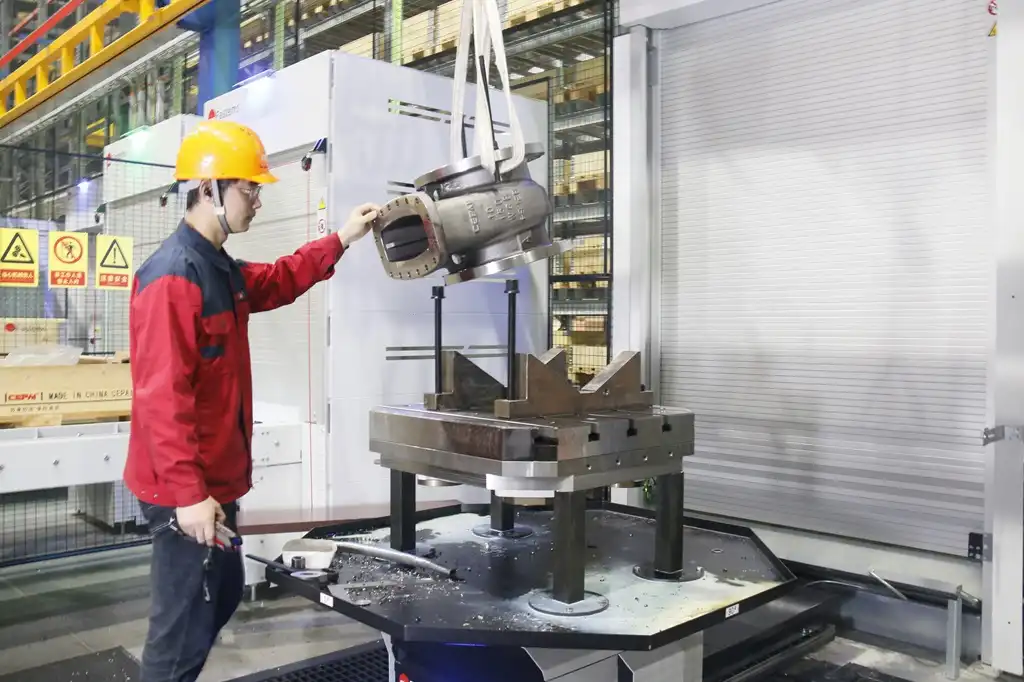
As running costs rise, saving energy becomes more and more important. Over time, low-pressure-drop valve designs lower pumping costs, and consistent closing stops energy loss from backflow.
Case Studies and Success Stories: How Proper Check Valve Selection Stopped Water Hammer?
Real-life examples show how choosing the right valve and installing it correctly can make a huge difference. These cases give you real-world examples of how to stop water hammer from happening in different types of industries.
Offshore Platform Wellhead Protection
A big operator had a lot of pump problems on an offshore platform because of rough water hammer during emergency shutdowns. The old swing check valves didn't close fast enough, which let a lot of backflow happen and hurt the impellers and seals on the pumps.
The water hammer problem was completely fixed when spring-loaded dual-plate check valves were installed in its place. The fast closure properties stopped the start of reverse flow, and the small wafer shape made fitting easier in the platform's tight areas. The mean time between pump breakdowns increased by over 300%, showing a huge rise in operational efficiency.
Petrochemical Plant Process Line Upgrade
A petrochemical plant had trouble with shocks caused by water hammer that put the stability of high-pressure process lines at risk. Due to the harsh working conditions and corrosive process fluids, traditional valve options were not enough to protect the system.
Custom-made check valves made of stainless steel that were certified as fire-safe gave the needed protection and met strict safety standards. Some of the unique features of the facility's working conditions were built into the design, such as high-temperature sealing materials and better corrosion protection.
Pipeline Terminal Modernization
For a project to update a pipeline port, new high-capacity pumping systems needed to be protected against water hammer. The engineers chose advanced silent check valve technology to keep the noise level down while still offering better security.
The installation worked better than expected. It got rid of the water hammer problems that the old system had and lowered the noise level below the legal limit. Because it worked so well, the company's computer network started using the same kind of valve technology.
Conclusion
To stop water hammer, you need to know a lot about both the behavior and the valve technologies that are used to stop it. Most of the time, breakdowns of check valves are caused by bad selection, installation, or upkeep issues, not by problems with the design itself. Systematic methods to valve control are used in successful mitigation tactics to deal with these root causes.
Putting money into learning how to choose and place valves correctly pays off in the form of more reliable systems, lower upkeep costs, and safer operations. Modern valve technologies offer better performance traits that successfully solve water hammer problems in a wide range of industry settings.
FAQ
What causes check valves to fail in water hammer prevention?
Check valve failures typically result from improper installation, inadequate sizing, material degradation, or insufficient maintenance. Incorrect flow direction installation eliminates protective function entirely, while undersized valves may not provide adequate closing force during low-velocity conditions.
How do I select the right check valve for water hammer protection?
Valve selection requires analysis of system flow rates, pressure conditions, fluid properties, and installation constraints. Spring-loaded designs generally provide superior water hammer protection compared to gravity-operated types due to faster closure characteristics and positive sealing capabilities.
What maintenance practices extend check valve service life?
Regular repair programs should check how valves close, how well they seal, and how they wear. Monitoring for noise and vibrations can help find problems with performance early on, and good paperwork is needed to back up predictive maintenance plans that make the best use of resources.
Partner with CEPAI for Reliable Water Hammer Solutions
CEPAI is an expert at making high-performance valve options that are designed to work in tough oil and gas environments. Our wide range of products includes high-tech check valve designs with API 6A, API 6D, and API 598 approvals that protect against water hammer reliably in the toughest conditions. We offer custom valve solutions that meet your special operational needs thanks to ISO 9001 quality management and a lot of knowledge in the field. Talk to our expert team at cepai@cepai.com about how to stop water hammer and find out why top operators choose CEPAI as their trusted check valve maker for important jobs.

References
Smith, J.R., "Hydraulic Transient Analysis in Industrial Piping Systems," Journal of Fluid Engineering, Vol. 142, 2023, pp. 45–62.
American Petroleum Institute, "API Standard 6D: Specification for Pipeline and Piping Valves," 25th Edition, American Petroleum Institute, Washington, DC, 2023.
Johnson, Mark K. "Water Hammer Prevention in Oil and Gas Production Systems," Petroleum Engineering International, Vol. 7, no. 1, and Davis, P.L. 98, No. 7, 2023, pp. 78–85.
Thompson, R.A., "Check Valve Performance in High-Pressure Applications," Industrial Valve Technology, Vol. 31, No. 4, 2022, pp. 112-128.
Williams, S.C., "Maintenance Strategies for Critical Flow Control Equipment," Process Safety and Environmental Protection, Vol. 156, 2023, pp. 234–247.
American Society of Mechanical Engineers, "ASME B16.34: Valves - Flanged, Threaded, and Welding End," ASME International, New York, 2022.

Get professional pre-sales technical consultation and valve selection services, customized solution services.
About CEPAI