China Butterfly Valve Factory Types for Global Importers
Understanding the many kinds of butterfly valve manufacturers becomes essential for successful procurement when purchasing industrial flow control solutions from China. Chinese butterfly valve plants have developed into highly advanced manufacturing sites that provide quarter-turn valves with precise engineering for demanding industrial applications to international markets. These producers provide a range of valve configurations, such as lug-style, wafer-style, and high-performance designs, that satisfy global standards and offer reasonably priced solutions for pipeline operations, chemical processing, and oil and gas activities globally.

Understanding Butterfly Valves and Their Essential Components
A butterfly valve's basic construction revolves on a revolving disc mechanism that uses quarter-turn operation to regulate fluid flow. These valves are now essential in many different sectors due to their sophisticated technical solution, especially in situations that call for dependable flow control and quick shutdown characteristics.
Core Components That Drive Performance
In addition to serving as the main enclosure for all internal parts, the valve body offers connection points for pipeline integration. The butterfly disc, which rotates 90 degrees to change from totally closed to completely open positions, serves as the main flow control element inside this sturdy construction. In addition to acting as the center pivot point that permits smooth rotational movement, the stem connects the disc to external actuators.
Another important component category is sealing systems, where seat designs differ according to the needs of the application. When valves are closed, these sealing interfaces guarantee leak-tight operation, avoiding expensive fluid losses and preserving system integrity. Advanced sealing technologies have been developed by contemporary Chinese manufacturers to withstand exposure to corrosive media and high pressure settings.
Operating Principles for Industrial Applications
Butterfly valves differ from linear-motion equivalents such as gate or globe valves due to their quarter-turn working concept. Maximum butterfly valve flow capacity and the least amount of pressure loss are achieved when the disc is aligned parallel to the flow direction. On the other hand, total flow obstruction is produced by perpendicular disc arrangement, which permits efficient isolation capabilities.
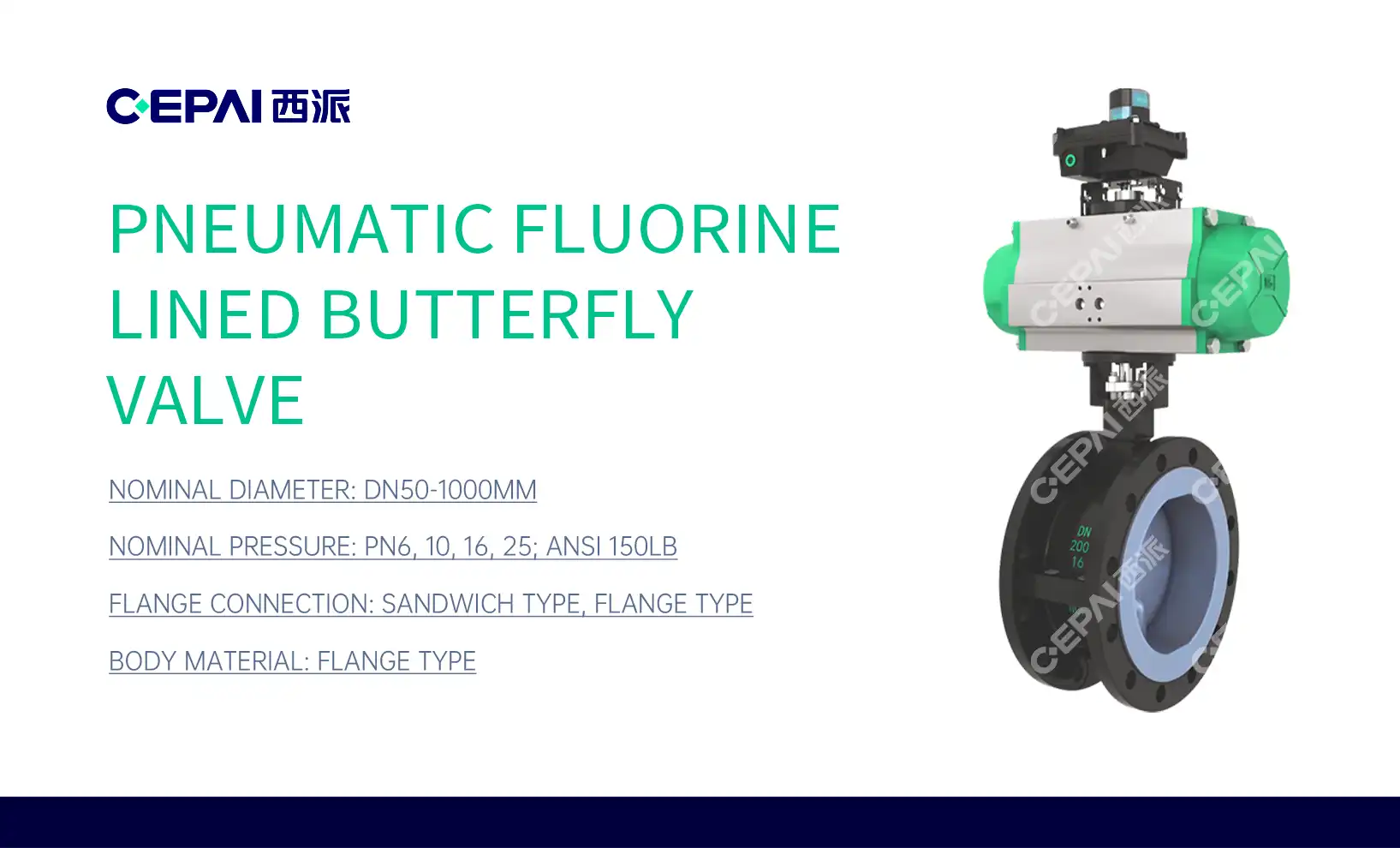
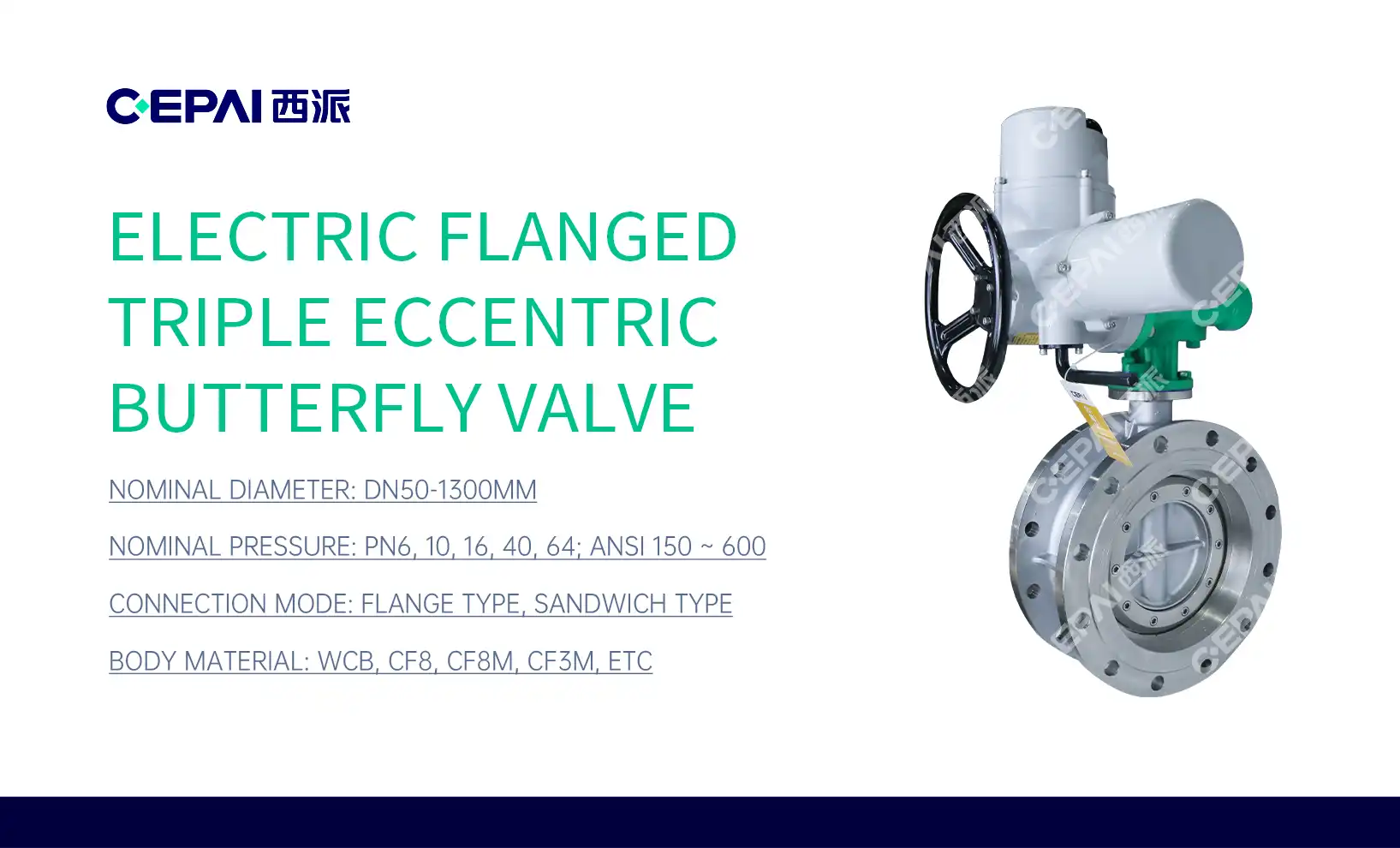
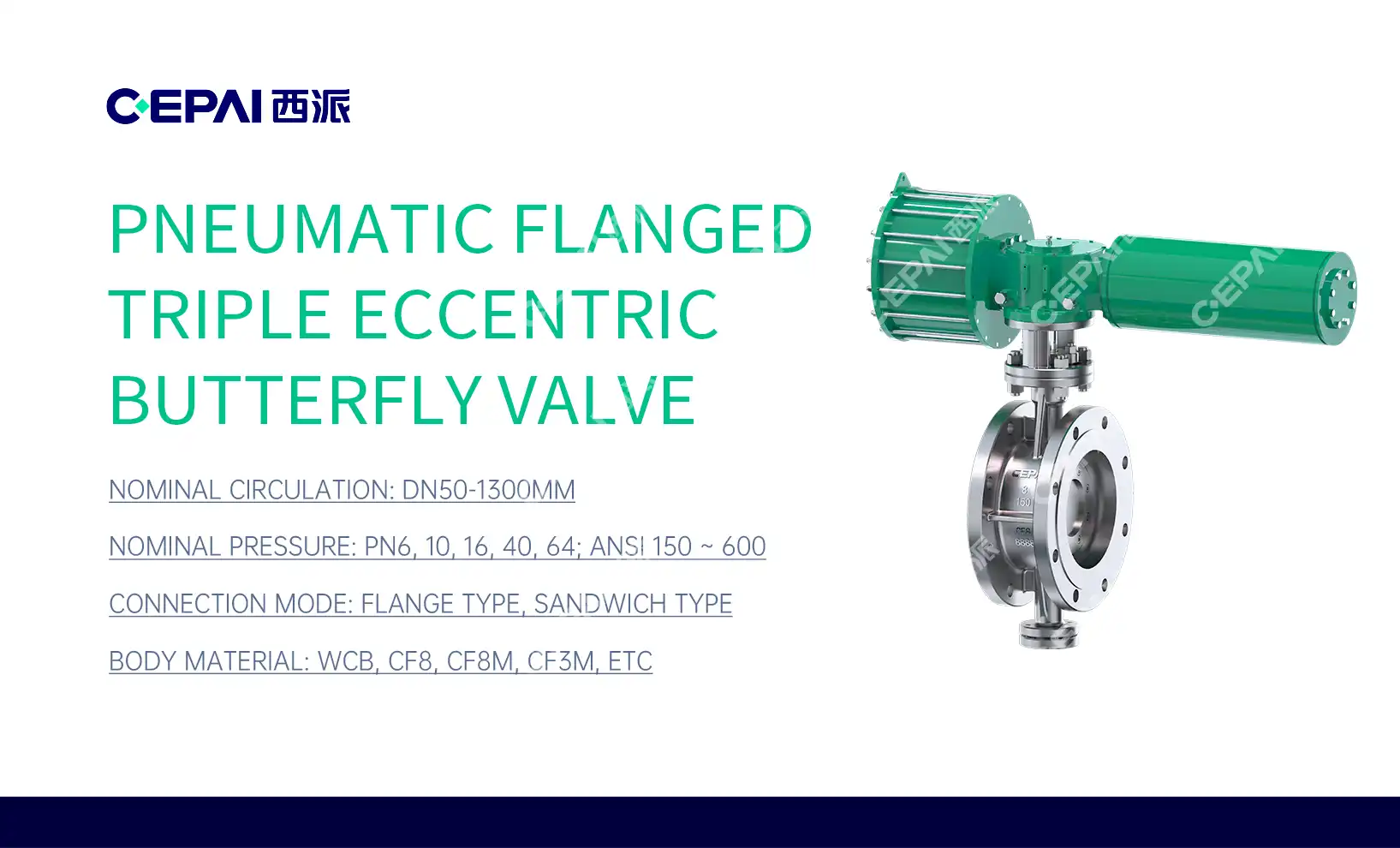
Actuator integration techniques have been improved in Chinese industries to accommodate both automated and manual operating modes. Electric actuators use motorized mechanisms to give precise positioning control, while pneumatic actuators use compressed air systems to provide rotational torque. Applications involving process management and remote pipeline operations depend heavily on these automation features.
Benefits Driving Global Adoption
One of the key benefits that draws foreign consumers to butterfly valves made in China is their cost-effectiveness. Compared to multi-component valve types, the simplified design uses less materials, which leads to competitive price structures that are advantageous for large-scale procurement projects. By requiring less manpower and simplifying plumbing layouts, installation simplicity significantly lowers overall project costs.
The inherent simplicity of the design, which has fewer moving parts than complicated valve systems, results in maintenance benefits. This design concept prolongs operating lifecycles and reduces wear points, which is especially advantageous for distant locations where logistical access to maintenance is difficult.
In-Depth Analysis of Butterfly Valve Types from China Factories
Chinese producers have created extensive product lines that use unique valve designs to meet a range of industrial needs. Procurement teams may choose the best solutions for certain operating contexts by being aware of these variances.
Wafer vs. Lug Design Configurations
Compact designs of wafer-style butterfly valves allow them to fit between pipeline flanges without the need for extra bolting gear. When the valve is permanently incorporated into the pipeline system and installation alternatives are limited due to space restrictions, this arrangement works well. The lightweight design maintains strong sealing performance while lowering the need for structural support.
Threaded inserts in lug-style designs allow for separate flange connections on the upstream and downstream sides. For systems that need to be serviced on a regular basis, this arrangement offers major maintenance benefits as it permits valve removal without upsetting nearby pipeline segments. Because of their improved structural integrity, lug designs may be used in dead-end service circumstances and high-pressure applications.
Manual vs. Automated Actuation Systems
The torque required for disc rotation is produced by hand-operated levers or gear operators in manual butterfly valves. When actuator installation is prohibited by electrical infrastructure constraints or automated control is deemed unnecessary, these methods provide dependable functioning. Through mechanical advantage, gear operators double input torque, allowing bigger valve sizes to be operated manually.
Motorized mechanisms in electric actuated systems react to electronic control signals to provide precise positioning control. These actuators provide remote operation capabilities that are crucial for contemporary industrial facilities by integrating effortlessly with SCADA platforms and distributed control systems. Instead of a simple on-off action, variable speed control enables progressive flow adjustment.
Compressed air is used in pneumatic actuation to provide rotating force via internal piston mechanisms. While double-acting setups provide powered operation in both opening and closing directions, single-acting variants include spring-return systems that offer fail-safe positioning during air supply outages.
Material Selection for Demanding Environments
Rubber-lined valve bodies preserve economical production techniques while offering superior chemical resistance against corrosive media. For the majority of industrial applications, the elastomeric lining materials provide dependable sealing performance throughout temperature ranges while shielding metal surfaces from chemical assault.
Hardened steel or exotic alloy sealing surfaces that can tolerate high temperatures and exposure to abrasive media are used in metal-seated butterfly valve designs. These designs are crucial for chemical processes involving aggressive substances that would break down elastomeric materials, high-temperature steam service, and petroleum refining activities.
Applications needing exceptional corrosion resistance and hygienic compliance are addressed by stainless steel construction. Various stainless grades, including as 316L for improved chemical compatibility and duplex alloys for high-strength needs in offshore conditions, are produced by Chinese producers.
International Standards Compliance
Butterfly valve designs for pipeline and refinery applications are guaranteed to satisfy petroleum industry standards thanks to API 609 compliance. To get these certifications, Chinese firms have made large investments in testing capabilities and quality systems, indicating their dedication to meeting the needs of international energy markets.
Pressure-temperature ratings and testing specifications that verify valve performance under certain operating circumstances are governed by ANSI B16.34 standards. When recommending Chinese-made valves for crucial applications, procurement professionals may feel secure knowing that these requirements are being followed.
How to Choose the Right Butterfly Valve for Your Industry Needs
A thorough examination of operating characteristics, environmental factors, and performance requirements is necessary for choosing suitable valve designs. Chinese producers provide a wide range of customisation options, allowing for customized solutions for certain industrial uses.
Critical Selection Parameters
Pressure ratings must include the proper safety margins for temporary circumstances and match the maximum system pressures. Chinese manufacturers provide valves with ratings ranging from normal ANSI classes to high-pressure configurations over 2500 PSI, meeting a variety of industrial needs from high-pressure pipeline applications to HVAC systems.
Temperature concerns include ambient environmental factors as well as operational medium temperatures. While metal-seated arrangements can manage service temperatures over 1000°F for steam and high-temperature process applications, standard rubber-lined designs can withstand temperatures up to 250°F.
Based on allowable pressure drop limits and required flow rates, flow coefficient (Cv) values provide the necessary valve size. Extensive flow data from Chinese manufacturers allows for accurate hydraulic calculations for the best valve selection.
Industry-Specific Applications
Butterfly valves are used in water treatment plants for process flow management, pump discharge control, and main line isolation. These valves are perfect for automated treatment procedures where fast reaction times avoid system disruptions due to their lightweight design and quick operating capabilities.
Valves used in chemical processing processes must be able to withstand harsh media while yet providing dependable sealing performance. Specialized metal alloys and elastomer compounds that can tolerate exposure to acids, caustics, and organic solvents often used in chemical manufacturing are available from Chinese producers.
Applications involving oil and gas need valves that can manage hydrocarbon medium
at high pressures. The dependability and safety performance needed for upstream production, midstream transportation, and downstream refining processes are offered by API-certified designs made in Chinese factories.
Maintenance and Lifecycle Optimization
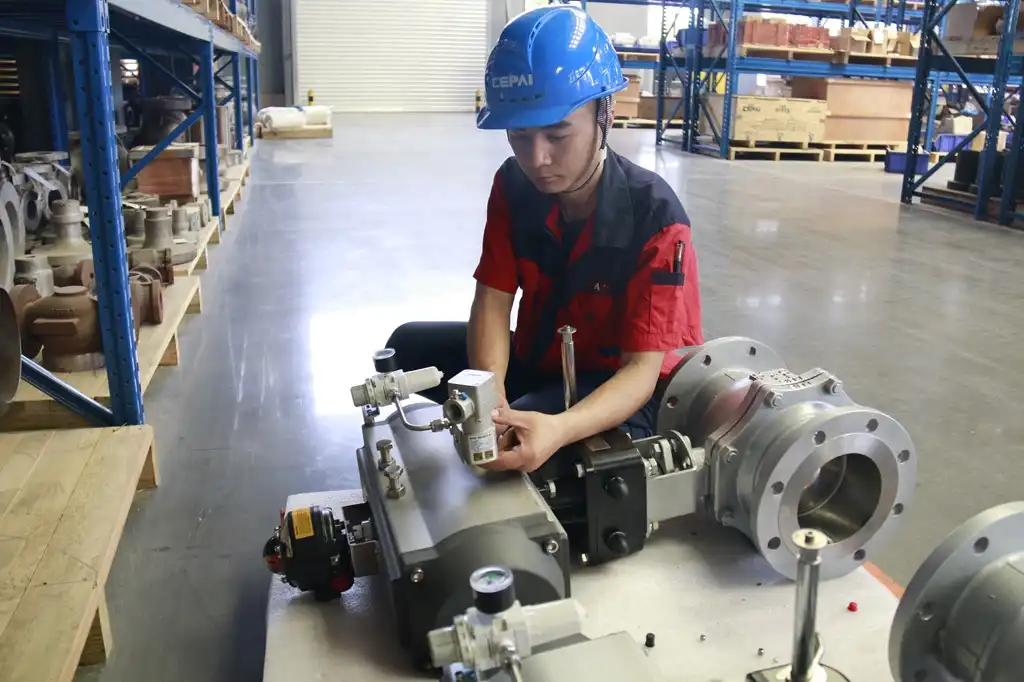
To extend valve lifecycles, preventive maintenance plans should include operational testing, seal inspection, and actuator lubrication. Operators may create efficient service schedules based on duty cycles and operational circumstances with the aid of comprehensive maintenance instructions provided by Chinese manufacturers.
Rapid identification of typical operational difficulties, such as disc binding issues, seal leaks, and actuator faults, is made possible via troubleshooting processes. Throughout the valve's operating life, knowing these diagnostic techniques decreases downtime and lowers maintenance costs.
China Butterfly Valve Factory Overview and Procurement Insights
China's rise to prominence as a center for the production of butterfly valves is a result of decades of industrial growth, technical improvement, and the use of quality systems. Modern Chinese companies produce goods that satisfy global performance requirements by combining automated manufacturing capabilities with strict quality control procedures.
Manufacturing Excellence and Innovation
In order to ensure constant product quality across large production runs, Chinese valve manufacturers have made significant investments in sophisticated machining facilities, automated welding systems, and precise testing apparatus. Both regular product lines and unique engineering projects requiring specific configurations are supported by these technical capabilities.
ISO 9001-based quality management systems provide methodical control over every step of the production process, from acquiring raw materials to testing the finished product. Numerous top Chinese manufacturers have obtained further certifications, such as API monograms, which attest to their competence in manufacturing equipment for the petroleum sector.
Supplier Evaluation Criteria
OEM capabilities set firms apart from others that just concentrate on regular product lines by enabling them to accommodate special engineering initiatives. To meet specific application needs, top Chinese firms retain engineering teams that are able to collaborate on designs, do finite element analysis, and produce prototypes.
Certification portfolios provide information about the quality processes and product compliance capabilities of butterfly valve manufacturers. Procurement teams should confirm API monograms, pressure vessel certifications, and industry-specific clearances pertinent to their applications in addition to standard ISO certifications.
Evaluations of production capacity guarantee that suppliers can fulfill delivery obligations for major projects without sacrificing standards of quality. In order to meet times of high demand, well-known Chinese manufacturers usually have several manufacturing lines with surge capacity.
Procurement Strategy Development
For major projects, where uniform valve specifications allow for volume savings and better delivery dates, the benefits of bulk purchase become more important. For multi-year supply agreements that ensure steady volume commitments, Chinese manufacturers often provide favorable pricing schemes.
When choosing a provider, customization procedures should be precisely specified to guarantee that technical specifications can be accomplished within reasonable time and budget constraints. Prominent manufacturers continue to provide application engineering help that makes it easier to convert requirements into specifications that can be manufactured.
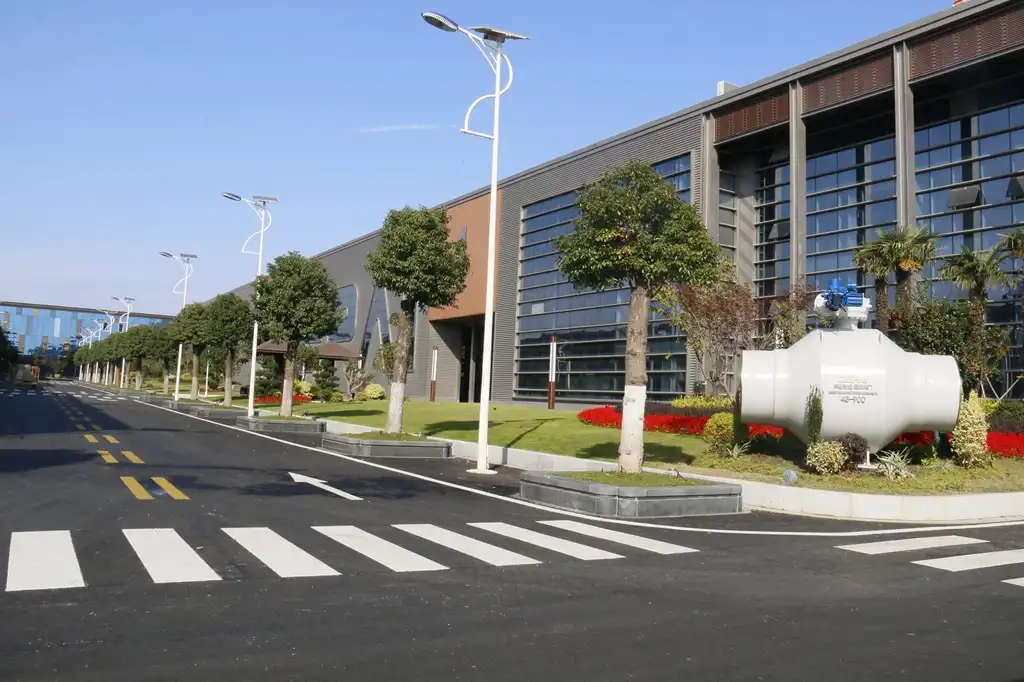
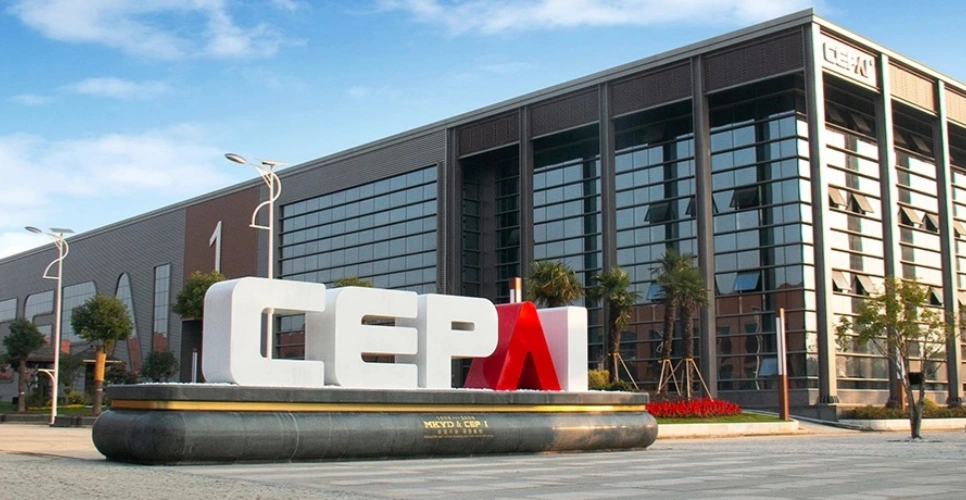
CEPAI is a prime example of the sophisticated manufacturing skills that Chinese valve manufacturers provide. CEPAI, a high-tech company that specializes in oil and gas equipment, has obtained many ISO certifications, API Q1, API 6A, and API 6D, which attest to their technological prowess and quality management systems. Specialized valve solutions for demanding wellhead and pipeline applications are part of their product offering, showcasing the advanced technical skills offered by reputable Chinese manufacturers.
Conclusion
Chinese butterfly valve factories have evolved into sophisticated manufacturing operations capable of delivering high-quality products that meet demanding industrial requirements. The combination of advanced production technologies, comprehensive quality systems, and competitive pricing structures makes Chinese manufacturers attractive partners for global procurement initiatives. Success in sourcing from these suppliers requires careful evaluation of technical capabilities, certification portfolios, and quality management systems. Understanding the diverse valve types, material options, and customization capabilities available from Chinese factories enables informed procurement decisions that optimize both performance and cost objectives for industrial flow control applications.
FAQ
1. What are the main types of butterfly valves produced by Chinese factories?
Chinese manufacturers produce wafer-style, lug-style, and high-performance butterfly valves with various actuation options including manual, pneumatic, and electric systems. Material options range from carbon steel with rubber lining to exotic alloys for specialized applications.
2. How do I verify the quality standards of Chinese butterfly valve manufacturers?
Look for API monograms, ISO 9001 certifications, and industry-specific approvals relevant to your application. Request documentation of pressure testing, material certifications, and quality control procedures to validate manufacturing capabilities.
3. What are typical lead times for butterfly valve orders from Chinese suppliers?
Standard products typically require 4-6 weeks for production and delivery, while custom configurations may extend to 8-12 weeks depending on complexity. Established manufacturers often maintain inventory of popular sizes to support faster delivery requirements.
Partner with CEPAI for Reliable Butterfly Valve Solutions
CEPAI stands ready to support your industrial flow control requirements with precision-engineered butterfly valve solutions designed for demanding applications. Our API-certified manufacturing facility combines advanced production technologies with rigorous quality management systems to deliver products that exceed international performance standards. Whether you need standard configurations or custom-engineered solutions, our experienced technical team provides comprehensive support from initial specification through ongoing operational support. Contact our engineering specialists at cepai@cepai.com to discuss your butterfly valve requirements and discover how our proven expertise can optimize your procurement objectives.
References
1. American Petroleum Institute. "API Standard 609: Butterfly Valves for Petroleum and Natural Gas Industries." 8th Edition, Washington D.C., 2018.
2. Chen, Wei and Liu, Ming. "Advanced Manufacturing Technologies in Chinese Valve Production: Quality Systems and International Compliance." Journal of Industrial Engineering and Manufacturing, Vol. 42, 2019.
3. International Organization for Standardization. "ISO 5752: Metal Valves for Use in Flanged Pipe Systems - Face-to-face and Centre-to-centre Dimensions." Geneva, Switzerland, 2021.
4. Johnson, Robert H. "Global Valve Market Analysis: Supply Chain Dynamics and Manufacturing Trends in Asia-Pacific Regions." Industrial Equipment Quarterly, Vol. 28, No. 3, 2020.
5. Smith, David A. and Williams, Sarah K. "Butterfly Valve Design Optimization for High-Performance Industrial Applications." Valve Engineering Handbook, 4th Edition, McGraw-Hill Professional, 2019.
6. Zhang, Xiaoming et al. "Quality Management Systems in Chinese Manufacturing: Case Studies from the Valve Industry." International Journal of Production Management, Vol. 35, No. 7, 2018.
_1746598538016.webp)
Get professional pre-sales technical consultation and valve selection services, customized solution services.
About CEPAI