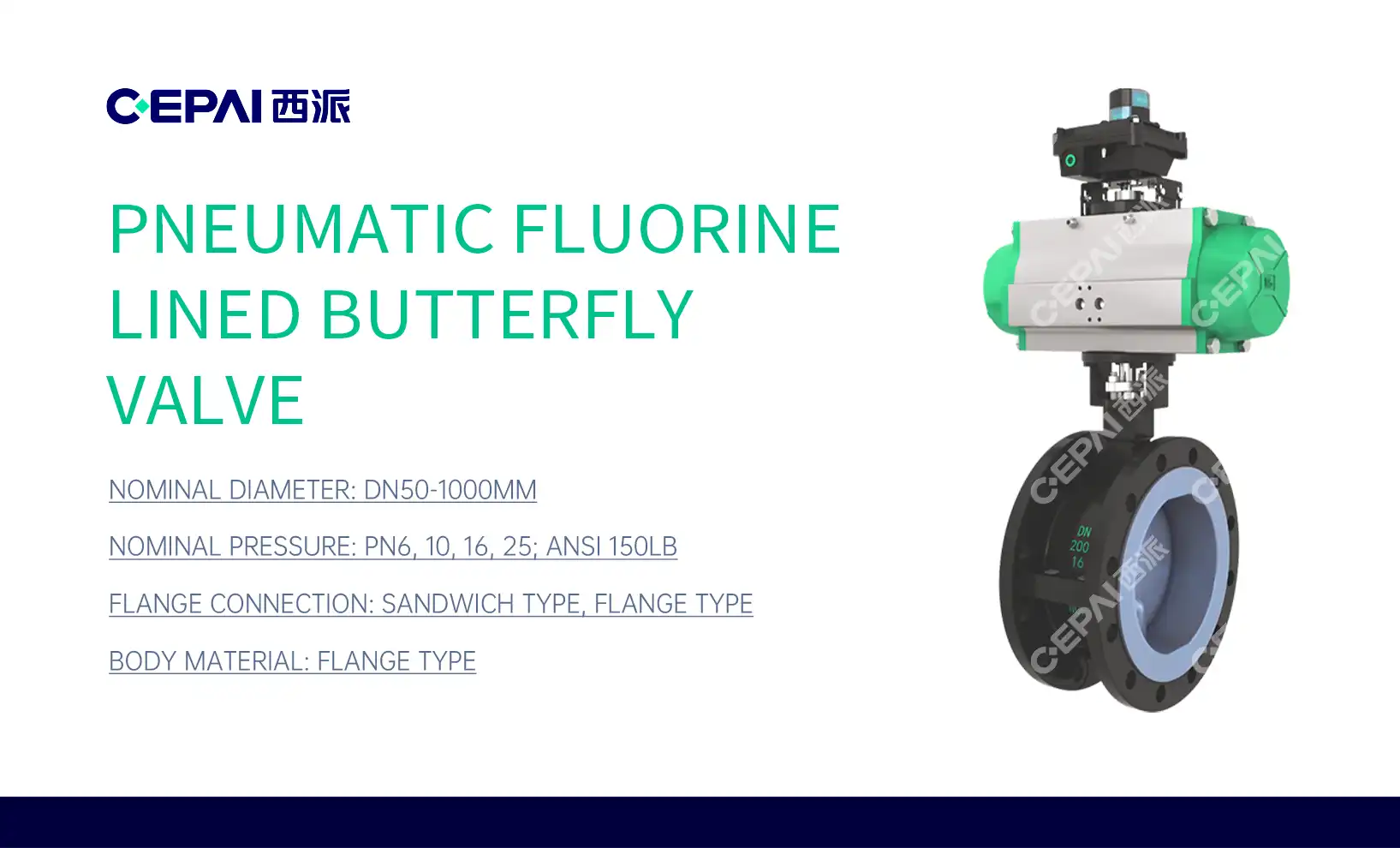
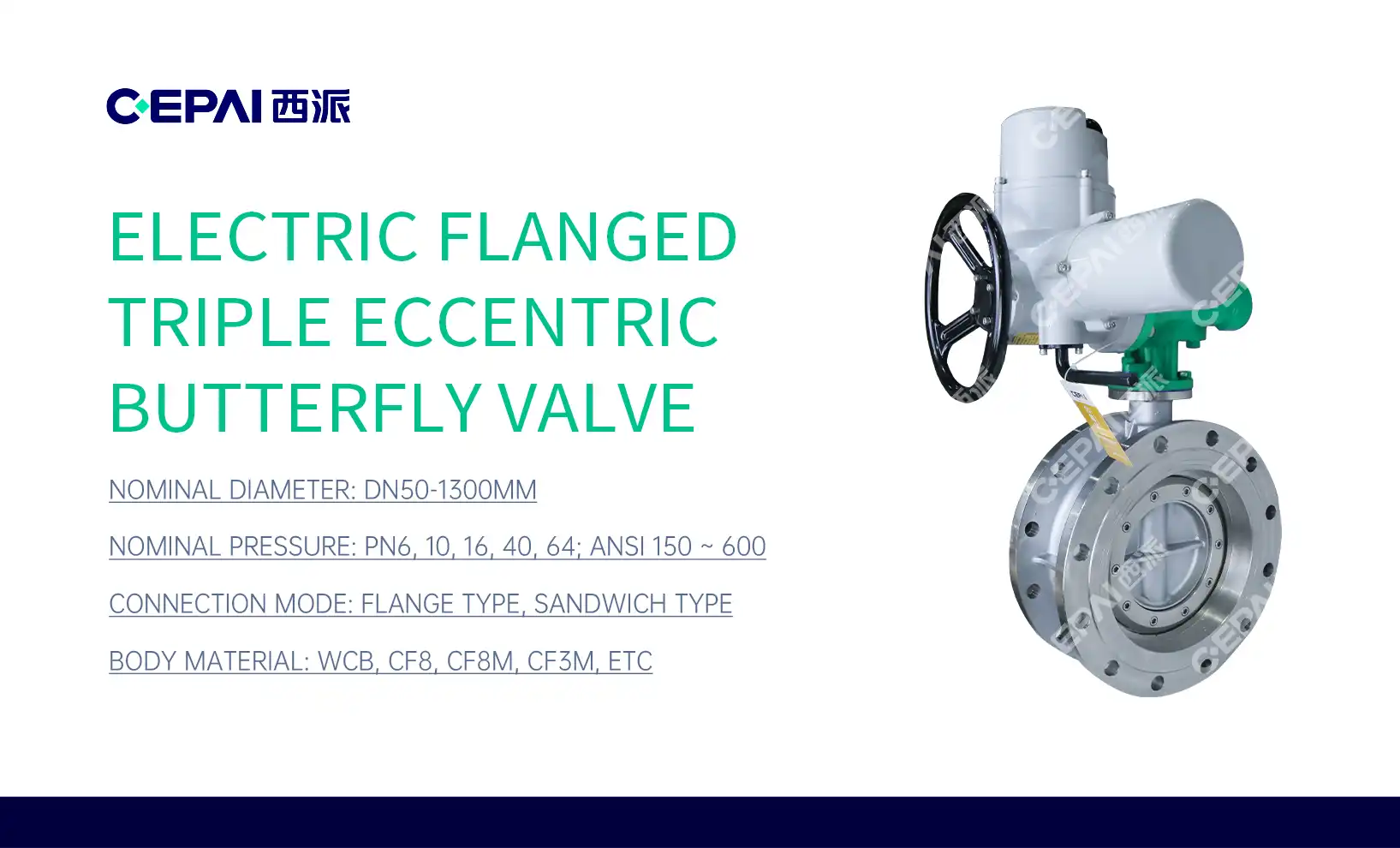
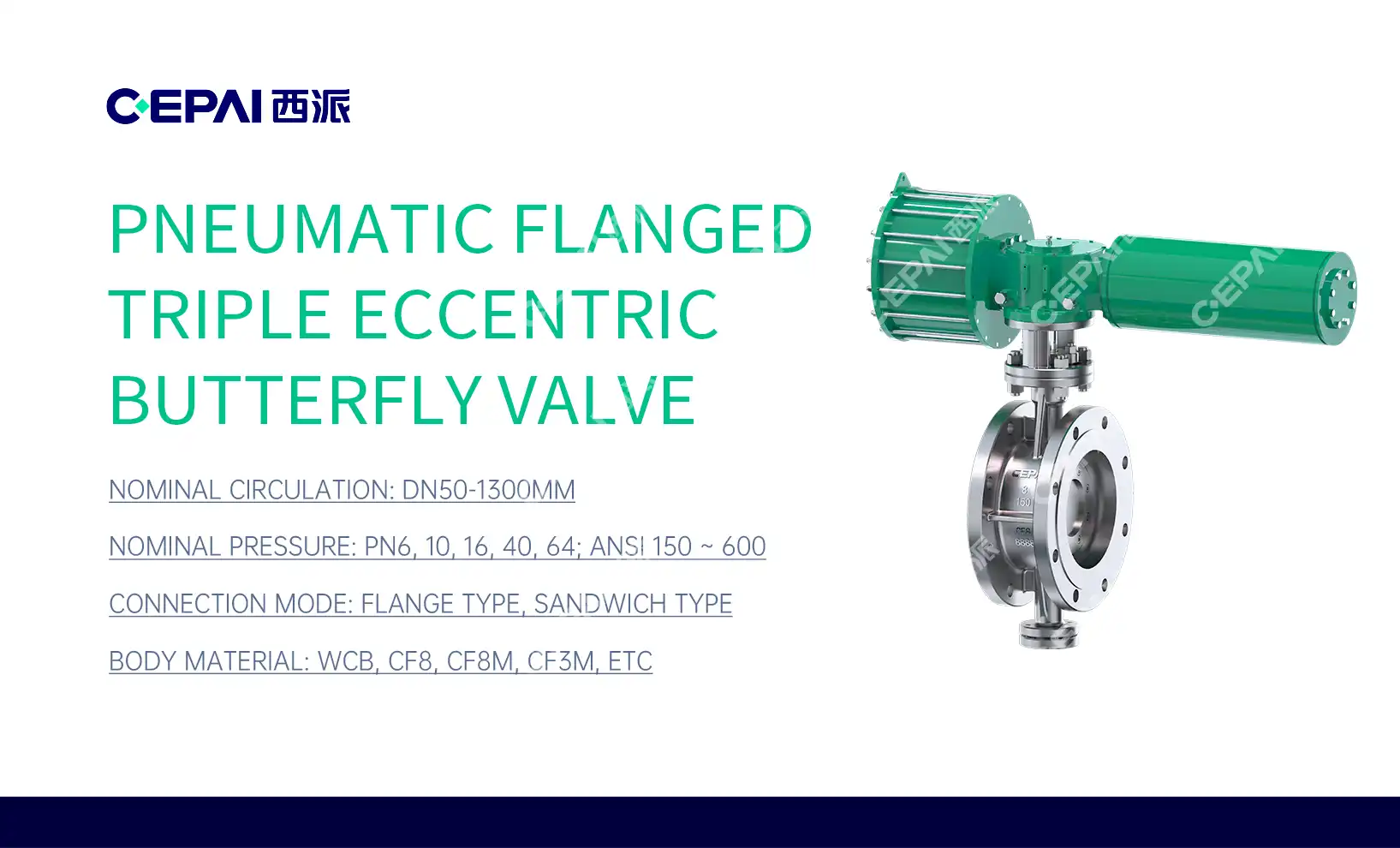
Butterfly Valve Leakage? 5 Steps to Restore a Tight Seal
Leaks from butterfly valves are one of the biggest problems operations teams have to deal with right now when it comes to industrial fluid control systems. This quarter-turn rotating valve technology is great for controlling flow, but it can have problems with the quality of the seals that make the system less efficient, raise costs, and pose safety risks. In oil and gas, pipeline, and petrochemical applications, it's important to know how to recover a tight seal through systematic analysis, targeted fixes, and smart purchasing decisions in order to keep operations running smoothly.
Understanding Butterfly Valve Leakage: Causes and Impacts
Root Causes of Seal Failure
Leaking valves happen when the sealing system doesn't keep the moving and stationary parts in good touch with each other. This decline is caused by a number of things, but seal wear is the most common one. When exposed to aggressive media, frequent spinning, and temperature changes that are too big for their design, elastomeric seals naturally break down. During operation, the disc-to-seat contact is constantly under stress, especially in situations where there is a lot of braking or high differential pressure.
Installation mistakes are another important way for seals to fail early. If the torque specs are wrong, the fixing surfaces are out of place, or the actuator isn't calibrated correctly, the valve might not close all the way. When valves are exposed to media chemistry or working temperatures that are higher than what was designed for them, the material breaks down faster. If a gas, electric, or hydraulic actuator doesn't work right, the disc might not be in the right place, and the seal might not connect properly.
Operational and Financial Consequences
Leaking valves have effects on all parts of an industrial process, causing problems in the short and long run. Leaks that throw off the balance of flow make the system less efficient because pumps and fans have to work harder to keep the pressure and flow rates at the right levels. This higher energy use has a direct effect on running costs and shortens the life of equipment by speeding up wear and tear.
When leakage gets bad enough to risk safety or product quality, unplanned downtime has to happen. In industries with ongoing processes, like refining and petrochemicals, emergency shutdowns can cost a lot of money every hour in lost production. When dangerous materials leak, there are environmental compliance risks because the leak could lead to regulatory violations and the fines that come with them.
Another big problem is product waste, especially in places where valuable fuels or chemical feedstocks are used. Even small amounts of leaking can add up to big losses over time, and big leaks can pose safety risks that need to be fixed right away. These chain reactions show how important it is to plan ahead for leak prevention when buying things and doing upkeep.
Step 1 – Inspection and Diagnosis of Leakage Problems
Visual and Functional Assessment Protocols
A systematic eye check of all butterfly valve parts is the first step in figuring out where the leak is coming from. When you look closely at the valve body, disc, and seat assembly, you can see damage like rust, erosion, or mechanical deformation. Uneven surfaces on sealing surfaces show possible leak paths, while darkening or spots show chemical attack or wear from being rubbed against something. Pay extra attention to the stem area because worn-out packing can cause leaks from the outside, which is bad for both performance and safety.
Functional testing gives you numbers that show how well a valve works in real-world situations. Pressure testing according to API 598 standards helps find out how much internal leaking there is, and stroke testing checks how well the actuator works and how straight the discs are. To understand how leaks behave across the valve's working range, these tests should be done at different pressure differences.
Technical Documentation and Compatibility Analysis
With the help of detailed valve designs and material specs, leakage sources can be precisely located and media compatibility can be evaluated. Learning about the metals that make up valve parts can help you guess how they might break and plan how to fix them. Flow coefficient data and pressure rates make sure that valves work within their design limits. This stops stress-induced leaks that happen when systems are put under too much stress.
It is especially important to do temperature cycling research in situations where the temperature changes. Differential expansion between valve parts can make leaking routes or stop the valve from closing properly, especially in metal-seated designs. This technical study helps you make smart decisions about what to buy and tells you the difference between problems that can be fixed and ones that need a whole new valve.
Step 2 – Effective Repair Methods to Restore Seal Integrity
Targeted Repair Techniques for Different Valve Types
The most common and successful way to fix resilient-seated valves is to change the seal. In order to fix it, the whole thing has to be taken apart so that the seat ring can be accessed. The damaged rubber seal has to be carefully removed, and a new part has to be carefully installed using the right tools and methods. It's important to choose the right material for the new seal because it has to meet or beat the original specifications and work with the process media and working conditions.
When fixing a metal-seated butterfly valve, you need to use a different method that focuses on restoring the surface instead of replacing the whole part. Precision cutting can bring sealing surfaces back to their original shape, and special finishes like Stellite or tungsten carbide make them last longer by protecting them from wear and tear. These improved fix solutions make valves last longer and seal better than the original equipment manufacturer's instructions.
Actuator Optimization and Disc Alignment
The right way to change the actuator makes sure that the close force is just right and that the sealing surfaces don't get too stressed. To work at their best, pneumatic actuators need to have their pressure and stroke calibrated, and electric actuators need to have their power limited to keep the seat from getting damaged. Verifying the disc's position stops it from binding and makes sure that the seat contacts the seal evenly around its entire circle.
Specialized seals or protective coats can work better when the surface is properly prepared. These solutions stop leaks temporarily while permanent fixes are planned. This means that operations can continue during regular maintenance windows. When you fix something, changing the materials, like from cast iron to stainless steel, makes it more resistant to rust and lasts longer in harsh environments.
Step 3 – Comparison of Butterfly Valve Types for Enhanced Reliability
Structural Design Variations and Applications
Depending on the fitting needs and system design, wafer-style and lug-style butterfly valve configurations offer different benefits. Wafer valves can be installed closely between flanges, which saves room and money on materials. But the bolts need to be carefully tightened so that the seat doesn't warp and leaks don't happen. Lug-style designs let you tighten the bolts separately and provide dead-end service, which makes them better for situations where you need to remove a valve without draining the system.
Choosing between durable and metal-seated designs has a big effect on how well they stop leaks and how often they need to be maintained. Resilient-seated valves work great in low-pressure situations where a tight stop is needed because they provide bubble-tight performance with little actuator force. Metal-seated designs last longer in high-pressure, high-temperature environments, but they need careful upkeep to work well as seals.
Performance Comparison with Alternative Valve Technologies
When you look at butterfly valves next to ball and gate valves, you can see that they have important differences in how they close and how often they need to be maintained. Ball valves usually have better shutoff capabilities, but they need more working power and more complicated repair procedures. When fully open, gate valves have great flow properties, but their seats are more likely to get damaged from throttling service, and they need more room to be installed.
Which type of actuator you choose—manual, hydraulic, or electric—has a direct effect on the stability of the seal and the accuracy of the control. Electric motors can precisely control positioning and can include troubleshooting feedback systems. Pneumatic designs, on the other hand, can respond quickly and work even if something goes wrong. Manual motors don't need power, but they might not be consistent enough for important situations where the seal needs to be engaged perfectly.
Step 4 – Procurement Best Practices for Leak-Resistant Butterfly Valves
Supplier Evaluation and Quality Assurance
For buying strategies to work, suppliers must first be carefully evaluated based on their product quality, ability to follow certification rules, and ability to provide help after the sale. Reputable companies show their dedication by having thorough quality management systems, such as ISO 9001 certification and industry-specific certifications like API 609 for butterfly valve uses. These certificates show that strict production standards and testing procedures were followed, which has a direct effect on how well the product works and how resistant it is to leaks.
When looking at possible providers, it's especially important to have good paperwork. Complete material test records, pressure testing certificates, and measurement inspection data show that the manufacturing process was precise and that quality control was carried out. Suppliers should keep full records of the materials they use and the methods they use to make their products. This way, any quality problems that happen during service can be quickly found and fixed.
Strategic Sourcing and Technical Specifications
For cost-effective buying, the original purchase price and the total cost of ownership must be balanced. Bulk purchases can lower unit costs and make sure that products are always available, but they need to be weighed against the costs of keeping supplies and the chance that products will become obsolete. Customized valve solutions may cost more, but they can improve performance for certain uses, lower long-term upkeep costs, and make operations more reliable.
Key performance factors must be included in the technical specs for butterfly valve. These include pressure ratings, temperature ranges, material compatibility, and industry certificates. Flow coefficient standards make sure that the valve has enough capacity while reducing the pressure drop across it. The actuator's specs should list its torque needs, reaction time, and the level of environmental protection that is right for the placement site.
Step 5 – Installation and Long-Term Maintenance Strategies
Foundation Principles for Leak Prevention
The best way to stop leaks and get the most out of your valves is to follow the right fitting steps. Careful attention to preparing the flange surface, choosing the right seal, and tightening the bolts stops leaks caused by installation and makes sure the valves are in the right place. Following the manufacturer's torque recommendations keeps the seat from distorting and makes sure there is enough binding force. Pipeline stress analysis makes sure that shaking and heat expansion don't damage valves over time.
Checking the position of the seals during fitting stops them from wearing out too quickly and makes sure they work at their best from the start of their service life. As part of this process, the disc-to-seat contact patterns, actuator stroke tuning, and proper packing adjustment are all checked. Writing down the installation settings gives you a starting point for future maintenance work and helps you see how speed changes over time.
Comprehensive Maintenance Program Development
Schedules for routine repair need to be adjusted based on the working conditions and needs of the application. High-cycle uses need to be inspected more often, and toxic service conditions may mean that seals need to be replaced more quickly. Vibration analysis and thermal imaging are two types of predictive maintenance methods that can find problems before they become operational leaks.
Operator training programs make sure that best practices are always followed and that mistakes made by people don't affect the performance of valves. Training should cover how to use the machine correctly, do regular upkeep, and figure out what's wrong. Detailed service paperwork is helpful for figuring out the best maintenance times and finding problems that keep happening, which could mean there are problems with the design or the application that need to be fixed.
Conclusion
A structured approach that includes careful diagnosis, targeted repairs, strategic buying, and thorough upkeep practices is necessary to maintain tight seals in butterfly valve uses. This guide shows a five-step process that gives procurement workers the tools they need to successfully fix leakage problems and improve long-term operating reliability. To be successful, you need to know why seals fail, use the right repair methods, choose valve setups that meet the needs of the application, and set up upkeep routines that stop problems from happening again. All of these tactics work together to keep operations running smoothly while keeping the total cost of ownership as low as possible in a wide range of industry settings.
FAQ
Can butterfly valves be repaired on-site or do they require replacement?
It is possible to fix most problems with seals on-site. This is especially true for resilient-seated designs, where replacing the seals fixes most leaking issues. Small changes to the settings for the actuator and the positioning of the discs can often fix working leaks without having to replace the parts. But if the valve bodies are badly damaged, the discs are warped, or the seats are worn down, the whole valve may need to be replaced to get it working properly again.
Which butterfly valve materials offer the best resistance to corrosion and leakage?
In many situations, stainless steel is very good at resisting rust. Other materials, like Hastelloy or Inconel, work really well in places where corrosion is a big problem. PTFE-lined valves are better for handling strong media because they are more chemically compatible, but you need to keep temperature limits in mind. The best choice of material relies on the chemistry of the media, the temperature range, and the pressure needs of the process.
How often should butterfly valve seals be inspected and replaced in heavy-duty applications?
Depending on how hard the application is to operate and how important it is, inspection times can be anywhere from three months for eye checks to one year for full examinations. When to change seals depends a lot on the material used, the working conditions, and how often the system cycles. Usually, they need to be replaced every one to five years. The best way to figure out how to plan repair is to keep an eye on leakage rates and performance trends all the time.
Contact CEPAI for Premium Butterfly Valve Solutions
Valve leakage disrupting your critical operations requires immediate attention from experienced professionals who understand the complexities of industrial flow control systems. CEPAI specializes in manufacturing high-performance butterfly valve solutions backed by comprehensive API certifications including API 6A, API 6D, and ISO 9001 quality management systems. Our engineering team makes custom valve designs, offers fast technical support, and offers full upkeep plans for pipeline operations, oil and gas research, and petrochemical processing. As a trusted butterfly valve manufacturer with proven expertise in wellhead devices and pipeline valves, we deliver reliable, leak-resistant solutions that maximize operational uptime while minimizing total cost of ownership. Contact our technical specialists at cepai@cepai.com to discuss your specific application requirements and receive expert recommendations for optimal valve performance.

References
American Petroleum Institute. "API Standard 609: Butterfly Valves: Double-flanged, Lug- and Wafer-type." 6th Edition, 2018.
International Organization for Standardization. "ISO 5752: Metal Valves for Use in Flanged Pipe Systems - Face-to-face and Centre-to-face Dimensions." 3rd Edition, 2021.
American Society of Mechanical Engineers. "ASME B16.34: Valves - Flanged, Threaded, and Welding End." 2017 Edition with 2019 Addenda.
Valve Manufacturers Association. "Butterfly Valve Maintenance and Troubleshooting Guide for Industrial Applications." Technical Publication VMA-107, 2020.
Industrial Valve Summit. "Sealing Technology Advances in Quarter-Turn Valve Applications: Performance Analysis and Leak Prevention Strategies." Proceedings of the 2022 International Conference.
Pipeline and Gas Technology. "Critical Factors in Butterfly Valve Selection for High-Pressure Pipeline Services: A Comprehensive Engineering Analysis." Journal of Industrial Flow Control, Volume 45, Issue 3, 2023.
_1746598525968.webp)
Get professional pre-sales technical consultation and valve selection services, customized solution services.
About CEPAI