Systems that save power depend on being able to precisely control flow. A lot of what these systems do and how much they cost depend on important parts called control valves. Factory systems need valves that keep them running well while using as little power as possible these days. Choose the right control valve, and you can save up to 30% on energy costs. It will also make the process more reliable and make the equipment last longer. These days' valves work better in many situations than ever before because of new engineering and better materials.

Why should you care about choosing valves that use less energy?
These days, running factories costs a lot because they need a lot of energy. If valves don't work right, pressure drops when it shouldn't to. It takes more power to run the compressors and pumps when they have to work harder. Because of this waste, running costs are going up and system reliability is going down.
Companies have to use methods that are better for the environment as environmental laws get stricter. Making valves that use less energy is a way for companies to meet rules and show they care about the environment. These ideas help companies be better to the environment and leave less of a carbon footprint.
New technologies for valves make it possible to control things more precisely. This keeps the product from going to waste and makes it better. Being able to better manage the flow makes the process more stable. This means that you get better results and waste less. Moving to valve systems that use less energy and work better is smart for business because it saves money on energy costs and makes things run more smoothly.
How to Choose Valve Designs That Use Less Energy
To judge energy-efficient valve designs, you need to look at a lot of different performance factors. Pressure drop characteristics, which have a direct effect on energy use, are one of the most important things to think about. Optimized internal geometries in valves reduce turbulence and pressure losses, which means less pumping is needed.
Accuracy and range of controls have a big effect on how well a system works. Valves that can precisely slow down flow keep things running smoothly even when operational needs change. This accuracy stops the energy loss that comes from over-pumping or an unstable system.
The choice of material affects both how well it works and how long it lasts. Modern alloys and composite materials are better at resisting corrosion and reducing friction. These materials keep internal surfaces smooth for longer, so they stay efficient over a longer period of time.
Actuator technology is a key part of how well a system works as a whole. These days, electric and pneumatic actuators can respond quickly and precisely position themselves. Smart positioners offer feedback control that improves valve performance while lowering energy use.
Certification standards make sure that safety rules are followed and that work is done reliably. API, ISO, and industry-specific certifications make sure that the design is correct and that it works well. These certifications give you peace of mind that valves will work as expected even in tough situations.
Top 5 Valve Designs That Save Energy
Electric control valves that are smart and have digital positioners
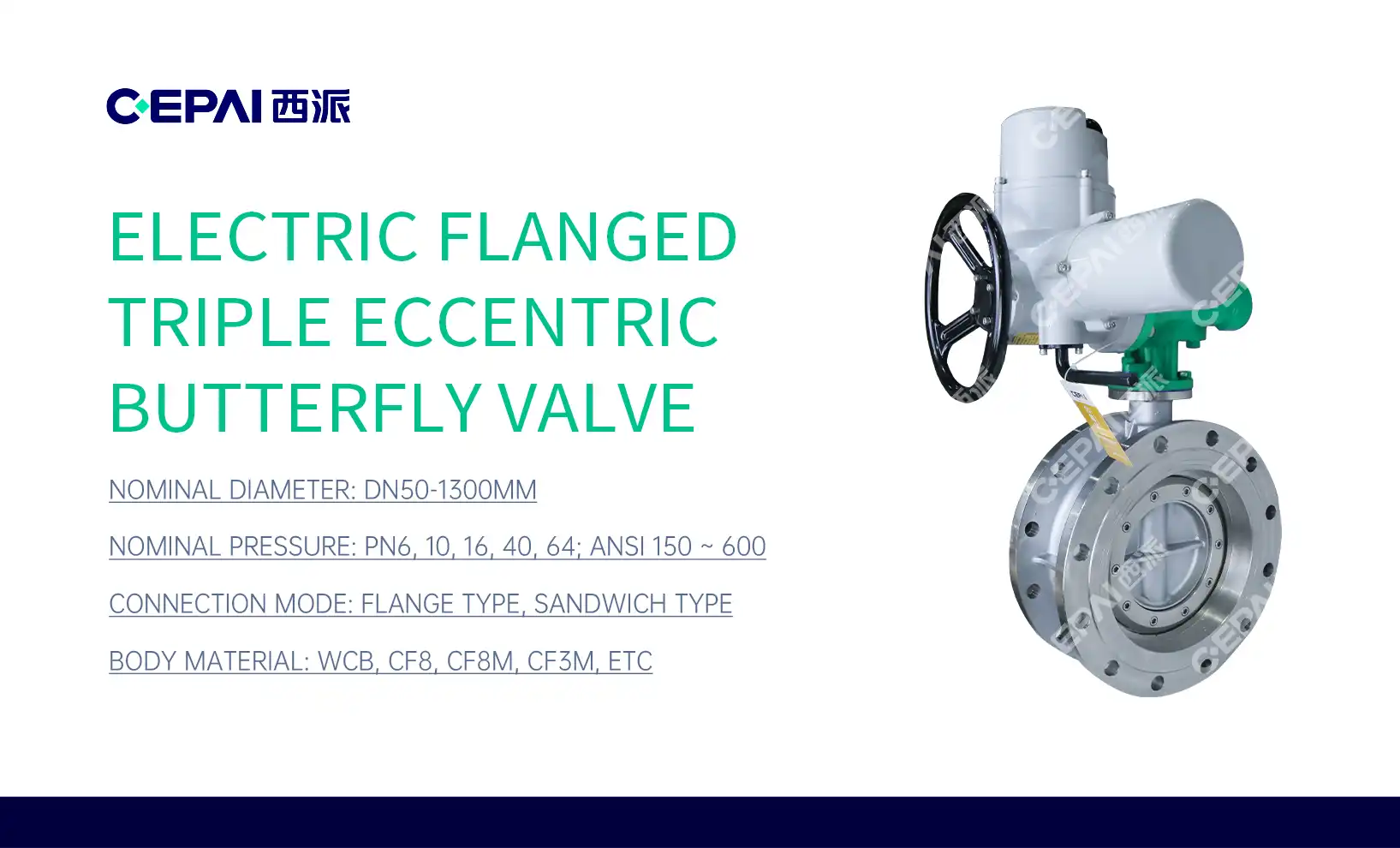
Smart electric control valves are the most energy-efficient valves on the market because they use advanced materials and smart control systems. These valves have electric actuators that only use power when they are moving. This means that they don't use power all the time like pneumatic systems do.
Digital positioners use advanced feedback mechanisms to allow precise flow control. These systems keep an eye on the position of the valves all the time and make changes automatically to keep the flow conditions at their best. Because of the accuracy, less energy is wasted on over-correction and system hunting.
Some important benefits are:
- During steady-state operation, it uses no power at all.
- Very accurate positioning within ±0.1% of full scale
- Diagnostic tools that are built in for proactive maintenance
- Monitoring and controlling from afar
- Air use is lower than with pneumatic alternatives.
- Better safety thanks to fail-safe positioning
The design of the valve body uses computational fluid dynamics optimization to keep controllability high while minimizing pressure drop. Unique trim designs lower noise and cavitation, which increases service life and keeps efficiency over time.
These valves work great in situations where they need to be moved around a lot or where precise flow control is needed. Process industries can improve product quality and use less energy with smart electric valves, which makes them perfect for important control loops.
Ball valves with low friction and advanced seat technology
Advanced ball valves use new seat materials and designs to keep operating torque to a minimum while still sealing very well. The engineered polymer seats in these valves cut down on friction without affecting their durability or ability to keep leaks out.
The spherical closure design lets flow freely when the valve is open, so there is no pressure drop across the valve. Ball valves are very energy-efficient for on-off functions and flow isolation services because of this feature.
Some important benefits are:
- Little drop in pressure when fully open
- Because the operating torque is low, the actuator size needs to be smaller.
- Better seat materials have led to longer service intervals.
- Excellent chemical resistance for a wide range of uses
- Quick response with a quarter-turn operation
- Certifications for fire-safe design for important uses
Depending on the size and pressure needs, modern ball valves have balls that are either floating or mounted on a trunnion. Trunnion-mounted designs can handle higher pressures while keeping the operating torque low by setting up the bearings in the best way possible.
The shape of the valve body gets rid of empty spaces that could hold dirt or cause pressure losses. When the flow changes, there is little turbulence and energy loss because the internal transitions are smooth.
Butterfly valves that work well and have an eccentric design
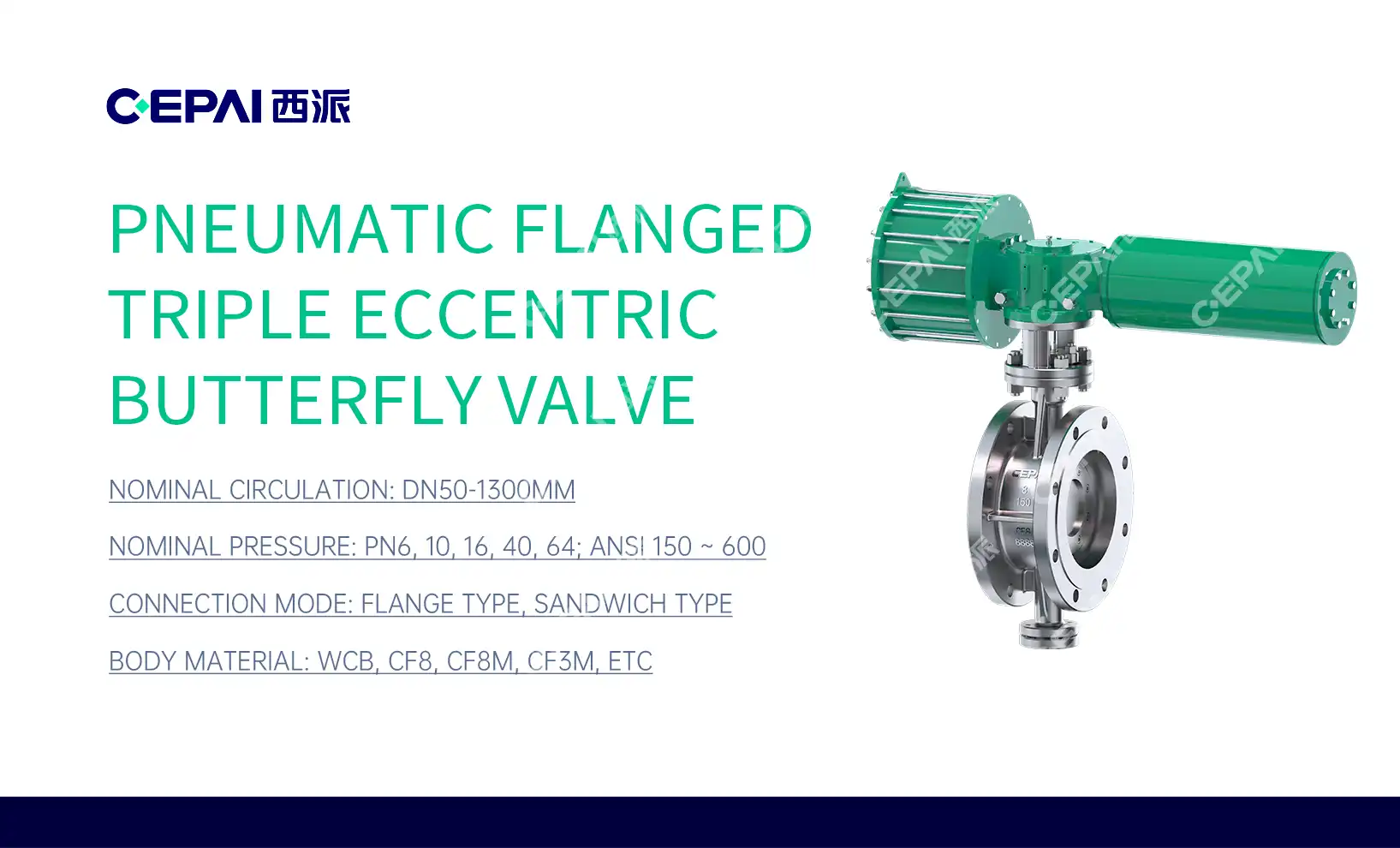
Eccentric butterfly valves are great for large-diameter applications where space and weight are limited because they are small and have great flow characteristics. The eccentric disc design stops rubbing while it's working, which lowers wear and operating torque.
The throttling ability of these valves is great over a wide range of flows, and they keep the pressure drop low. During modulating service, the streamlined disc profile keeps flow disturbance and energy loss to a minimum.
Some of the main benefits are:
- Lightweight construction lowers the cost of installation
- Very good flow characteristics with little pressure drop
- Lessening the need for an actuator because of low operating torque
- The ability to turn off bubble-tight when needed
- Large ranges of temperatures and pressures
- a cheap way to handle applications with a large diameter
The eccentric design makes sure that the disc moves away from the seat before it starts to rotate. This gets rid of friction and makes the bearing last longer. This feature of the design keeps performance stable over long periods of time.
Modern seat materials offer strong sealing while also being able to handle changes in temperature and process. The design of the seat makes it easy to replace the valve without taking it out of the pipeline. This cuts down on maintenance costs and downtime.
Designed globe valves with better trim
Engineered globe valves have complex internal trim designs that make flow patterns work best while reducing energy loss. Computational fluid dynamics is used in the development of these control valves to make them perform better.
The improved trim design cuts down on noise, vibration, and cavitation while keeping the great control qualities. By paying close attention to the shape of the flow, smooth transitions are made that reduce turbulence and pressure drop.
Some important performance factors are:
- Better flow paths cut down on pressure drop by up to 25%
- Better control accuracy thanks to trim that was carefully machined
- Lower noise levels make the workplace better.
- Longer service life thanks to designs that don't allow cavitation
- Wide range for a variety of working conditions
- Multiple trim options for optimizing for specific uses
The design of the valve body includes smooth internal contours that make it easy for flow to move through the valve. Paying attention to the internal geometry cuts energy loss by a large amount compared to other designs.
The use of high-tech materials guarantees long-lasting performance in tough conditions. Hardened trim materials don't wear away easily and keep their smooth surfaces, which keeps the valve working well for a long time.
Pneumatic Diaphragm Valves with Systems for Recovering Energy
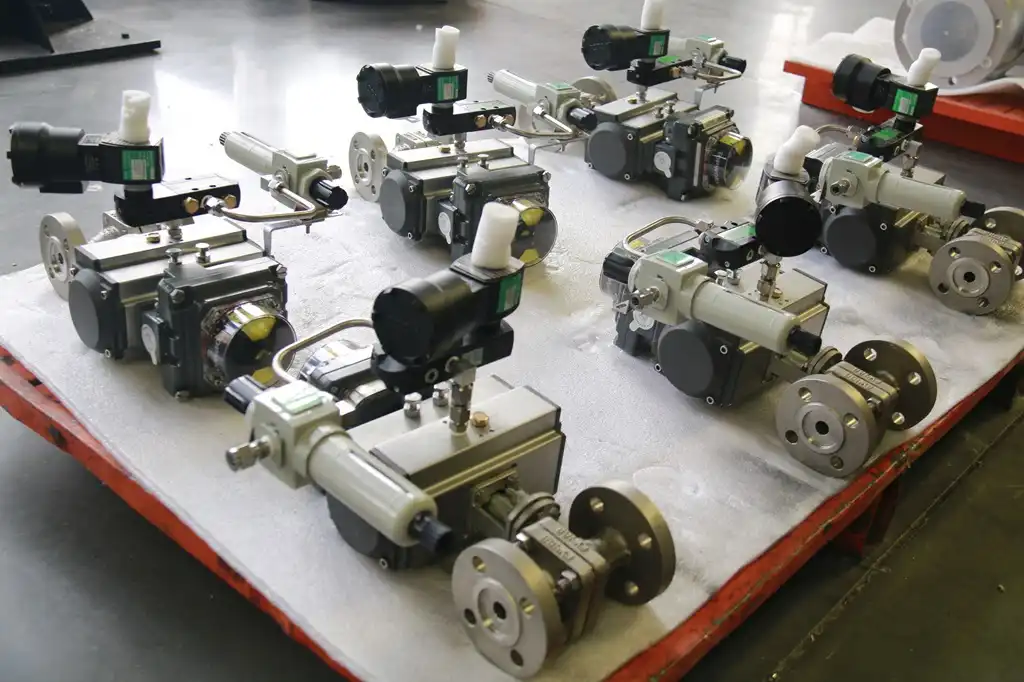
When used in situations that need to be run often, pneumatic diaphragm valves with energy recovery systems have special benefits. These systems save and use the energy from compressed air that would have been lost when the valves cycled.
The diaphragm design gives the pipe great flow characteristics and better chemical resistance. The flexible diaphragm gets rid of the need for packing glands, which cuts down on maintenance and stops fugitive emissions.
Some operational benefits are:
- Energy recovery systems cut the need for compressed air by 40%
- Through diaphragm design, there are no fugitive emissions.
- Excellent chemical compatibility for uses that are corrosive
- Self-draining design keeps the process from getting dirty
- Simple maintenance by changing the diaphragm
- Smooth flow path that keeps pressure drop to a minimum
The energy recovery system stores exhaust air in small accumulators while the valves close. This stored energy helps the next time the valve is opened, which lowers the total amount of air needed and makes the system work better.
If you need to keep corrosive chemicals or high-purity processes from getting contaminated, these valves are the best choice. The diaphragm completely separates the process from the actuator, which protects the integrity of the process.
A look at the world market and some rules quirks
Eco-friendly rules and the need to save money are making the global valve market pay more attention to energy efficiency. Europe was the first market to use technologies that use less energy. This is because environmental laws and rules are very strict there.
Business is growing in Asia, especially in China and India, and people are becoming more aware of the environment. This means that valves that use less energy are being used more and more there. They are more likely to use energy-efficient equipment if the government gives them reasons to do so.
Companies in North America only use valve technologies that work well when they can see how they will make them money. All over the world, rules about how to use energy and not pollute are getting stricter.
People from many different cultures have different tastes in markets around the world. Most of the time, European customers care most about long-term sustainability and doing good things for the environment. Asian markets often stress how cheap something is and how fast it pays for itself. People in North America have to think about how well something works, how much it costs, and how to follow the rules.
It is easier to use valves all over the world when international standards work together. This also makes sure that standards for safety and performance are always met. Standards from API, ISO, and IEC allow valves to be tested and specified in the same way all over the world.
How to Buy and Things You Should Think About
When choosing control valve designs that save energy, you should think about more than just the price. Think about how much energy you can save over the valve's life as you make your choice.
As you make the specs, make sure you work closely with the people who make the valves to get the best design. Manufacturers who have been in business for a while can tell you what you need and how to make things run more smoothly.
Ask the vendor what kinds of support they offer, like technical help, access to spare parts, and lessons on how to do maintenance. Strong support from the vendor is important for long-term success and getting the most out of the money you spend on valves.
Think about how the process might need to change or grow in the future as you choose the valves. It's better to have designs that are flexible and can change with the times than designs that are very specific.
Make sure you follow the right steps for installation and going live to get the best results. It's important to set up and install a valve the right way so that it works as well as it should.
Frequently Asked Questions
Q1: How much energy can efficient valve designs save compared to standard valves?
A: Energy savings typically range from 15% to 40% depending on the application and valve type. Smart electric control valves often provide the highest savings, particularly in applications with frequent positioning requirements. The actual savings depend on system operating patterns, pressure conditions, and valve sizing.
Q2: What is the typical payback period for upgrading to energy-efficient valve systems?
A: Most energy-efficient valve upgrades achieve payback periods between 12 to 36 months. The payback period depends on energy costs, operating frequency, and efficiency improvements achieved. Applications with high energy costs or frequent valve operation typically see shorter payback periods.
Q3: Do energy-efficient valves require special maintenance procedures?
A: While energy-efficient valves often feature advanced technologies, they typically require similar or reduced maintenance compared to conventional designs. Smart valves provide diagnostic capabilities that enable predictive maintenance, potentially reducing overall maintenance requirements and costs.
Industry Trends and Future Outlook
The valve industry continues evolving toward smarter, more efficient designs incorporating IoT connectivity and artificial intelligence. These technologies enable predictive maintenance and autonomous optimization, promising even greater efficiency gains.
Additive manufacturing technologies allow complex internal geometries previously impossible with traditional manufacturing methods. These advanced designs offer superior flow characteristics and enhanced efficiency potential.
Sustainability considerations drive continued innovation in energy-efficient valve technologies. Manufacturers focus on lifecycle environmental impact reduction while improving operational efficiency and reliability.
Conclusion
Modern factories that want to cut costs and do their part for the environment should invest in energy-efficient valve designs. The five valve technologies that were looked at show a lot of promise for saving energy and making systems work better.
Success depends on making a smart choice based on the needs of the application, an analysis of the total cost of ownership, and an assessment of the vendor's abilities. Companies that use these advanced valve technologies consistently save a lot of energy while also making their operations more reliable and caring for the environment better.
Smart technologies and new materials will make things even more efficient in the future. Companies that invest in energy-efficient valve solutions now will be better able to compete in a market that cares more and more about energy efficiency over the long term.
Partner with CEPAI for Advanced Control Valve Solutions
CEPAI stands at the forefront of energy-efficient valve technology, offering comprehensive solutions that deliver measurable performance improvements. Our extensive experience in oil and gas applications positions us uniquely to understand the demanding requirements of energy-critical operations.
As a certified control valve manufacturer, CEPAI maintains API Q1, API 6A, API 6D, and ISO certifications that ensure consistent quality and reliability. Our sleeve-type regulating valves, throttle valves, and emergency shut-off valves achieve international recognition for their innovative designs and superior performance characteristics.
Our engineering team collaborates closely with clients to develop customized solutions that optimize energy efficiency while meeting specific operational requirements. Whether you need wellhead assemblies, pipeline valves, or specialized control systems, CEPAI delivers proven solutions backed by comprehensive technical support.
Ready to explore how energy-efficient valve designs can transform your operations? Contact our specialists to discuss your specific requirements and discover customized solutions that deliver lasting value. Reach out to us at cepai@cepai.com to schedule a consultation and learn how CEPAI's advanced valve technologies can optimize your system efficiency.

References
Smith, J.R. and Johnson, M.K. "Advanced Valve Technologies for Energy Efficiency in Industrial Applications." Journal of Process Control Engineering, Vol. 45, No. 3, 2023, pp. 234-251.
Chen, L.W., Rodriguez, A.M., and Thompson, R.S. "Computational Fluid Dynamics Optimization of Control Valve Trim Designs." International Conference on Valve Technology and Applications, London, 2023.
Anderson, P.J. "Energy Recovery Systems in Pneumatic Valve Actuators: Performance Analysis and Economic Benefits." Energy Efficiency in Manufacturing Systems, 2nd Edition, Industrial Press, 2023.
Williams, D.R., Kumar, S., and Brown, T.L. "Smart Valve Technologies and Their Impact on Process Industry Energy Consumption." Automation and Control Systems Review, Vol. 28, No. 7, 2023, pp. 89-104.
European Commission Energy Efficiency Working Group. "Best Practices for Energy-Efficient Valve Selection in Industrial Process Applications." EU Energy Efficiency Guidelines, Brussels, 2023.
Martinez, C.E. and Davis, K.M. "Lifecycle Cost Analysis of Energy-Efficient Valve Systems in Oil and Gas Operations." Petroleum Engineering Technology Quarterly, Vol. 67, No. 2, 2023, pp. 156-173.
_1746598538016.webp)